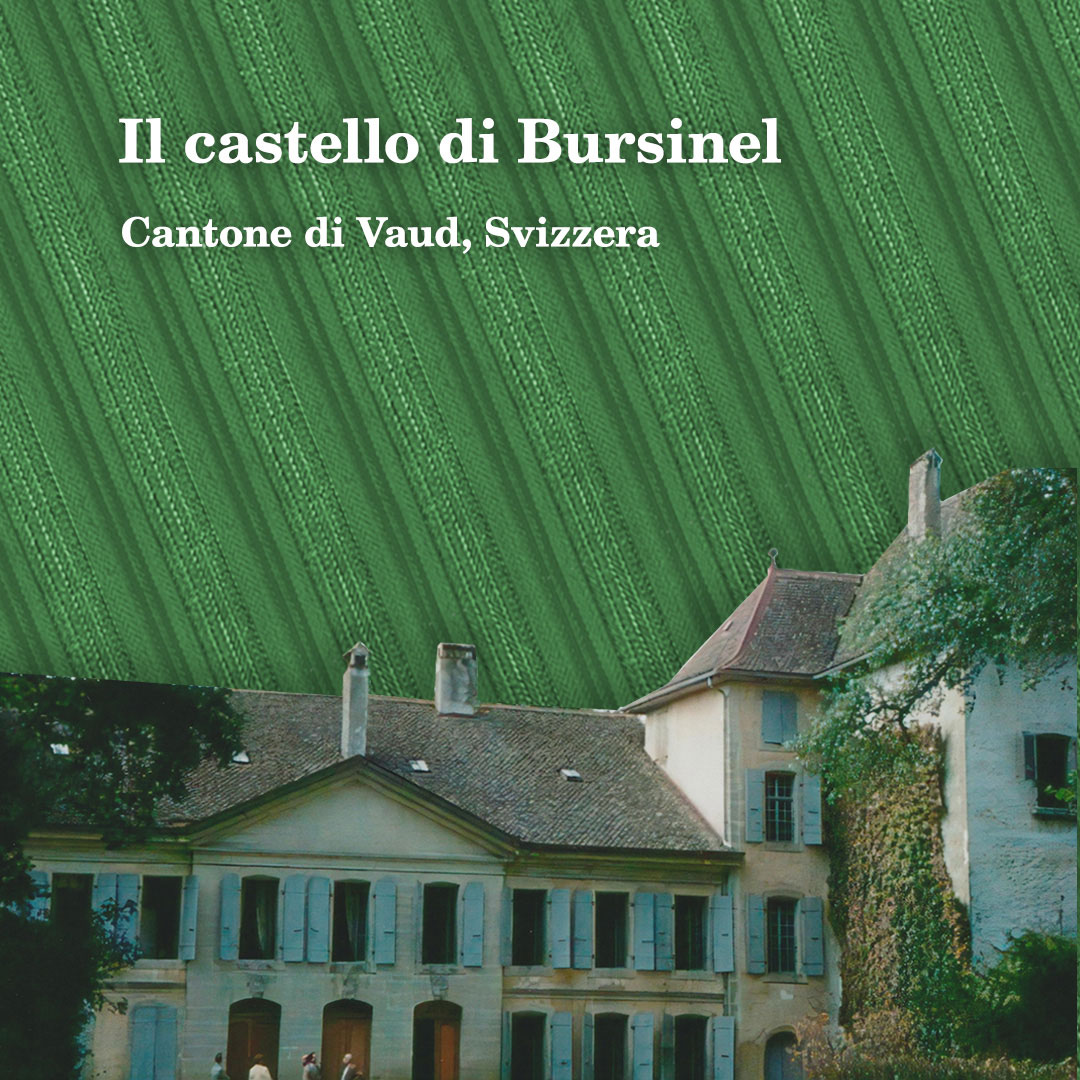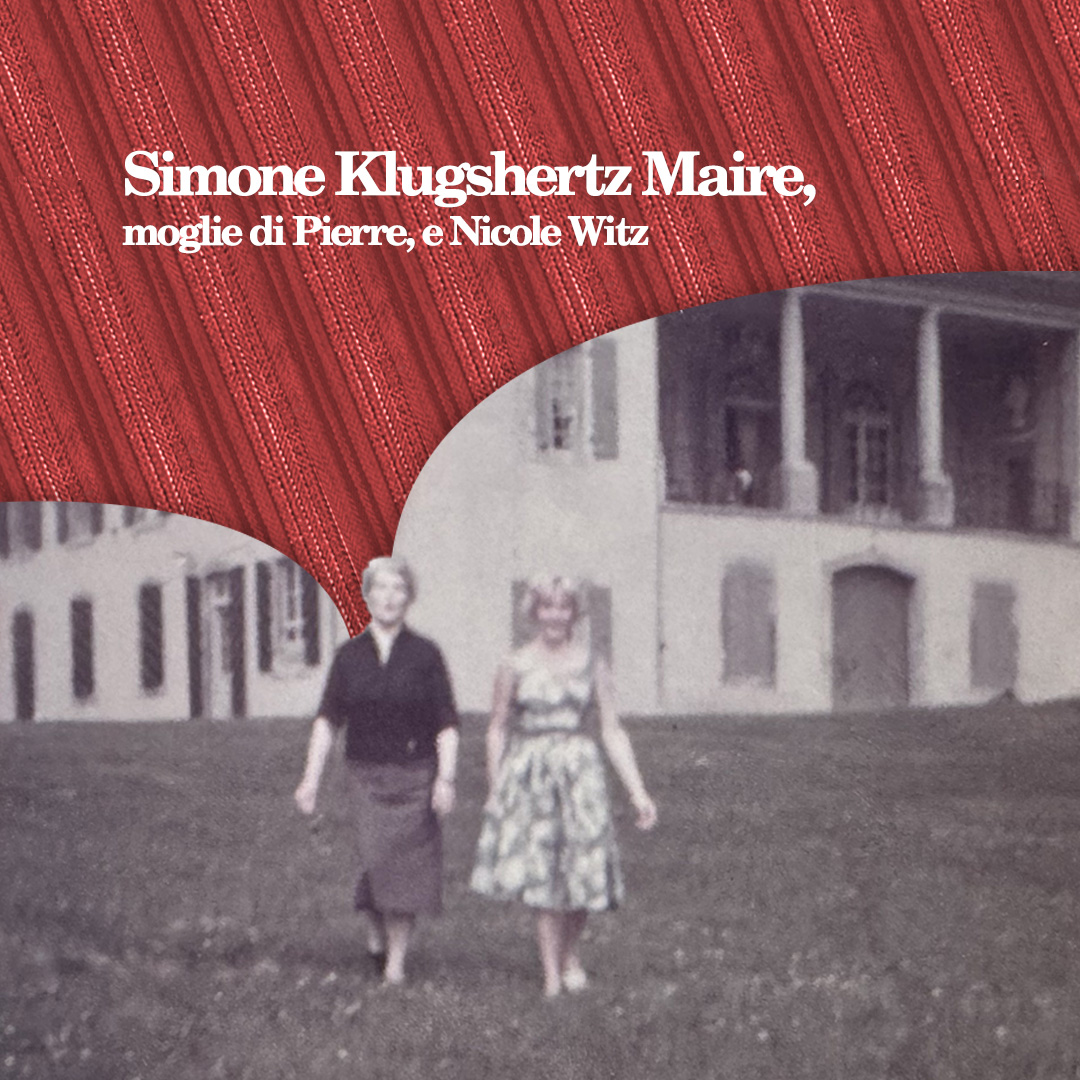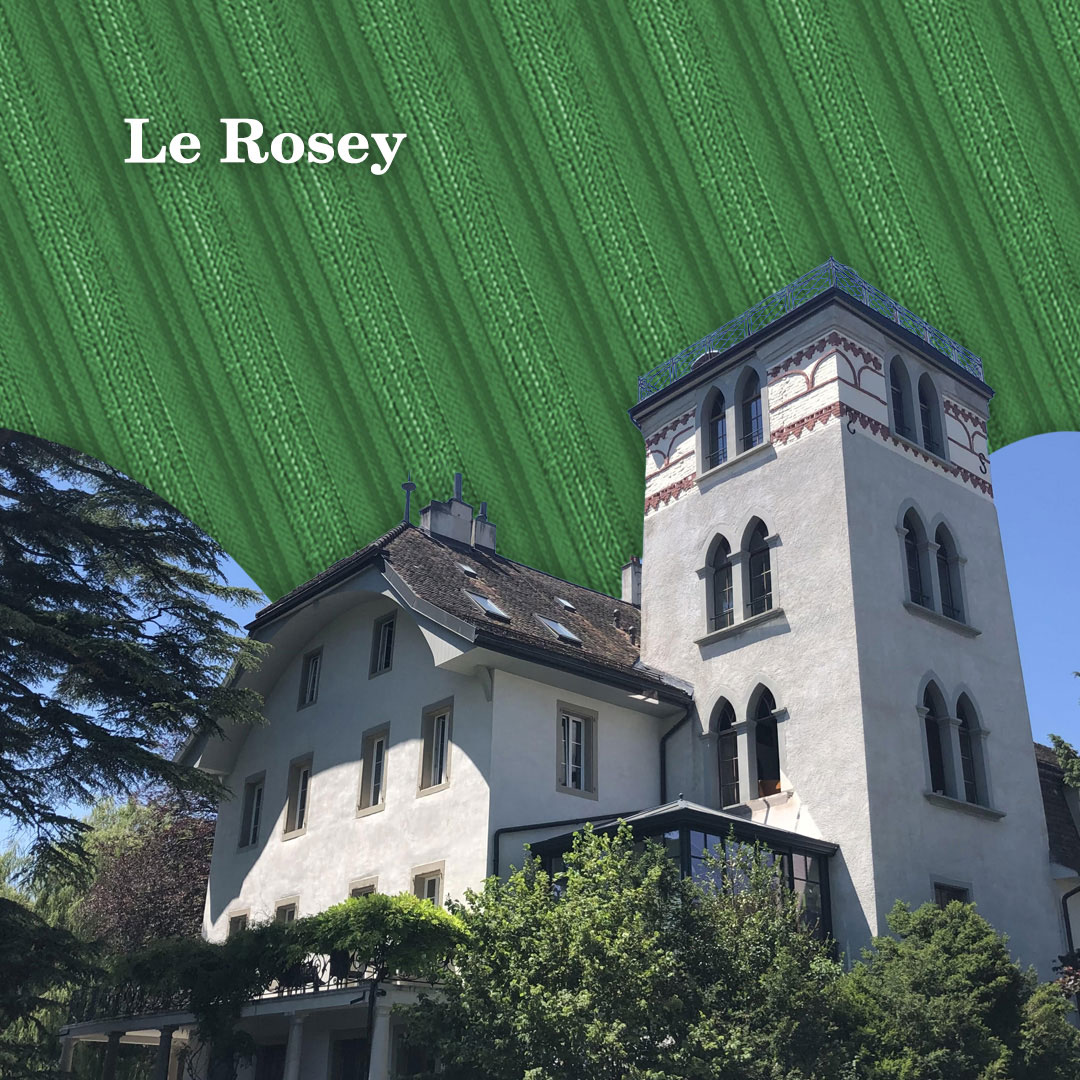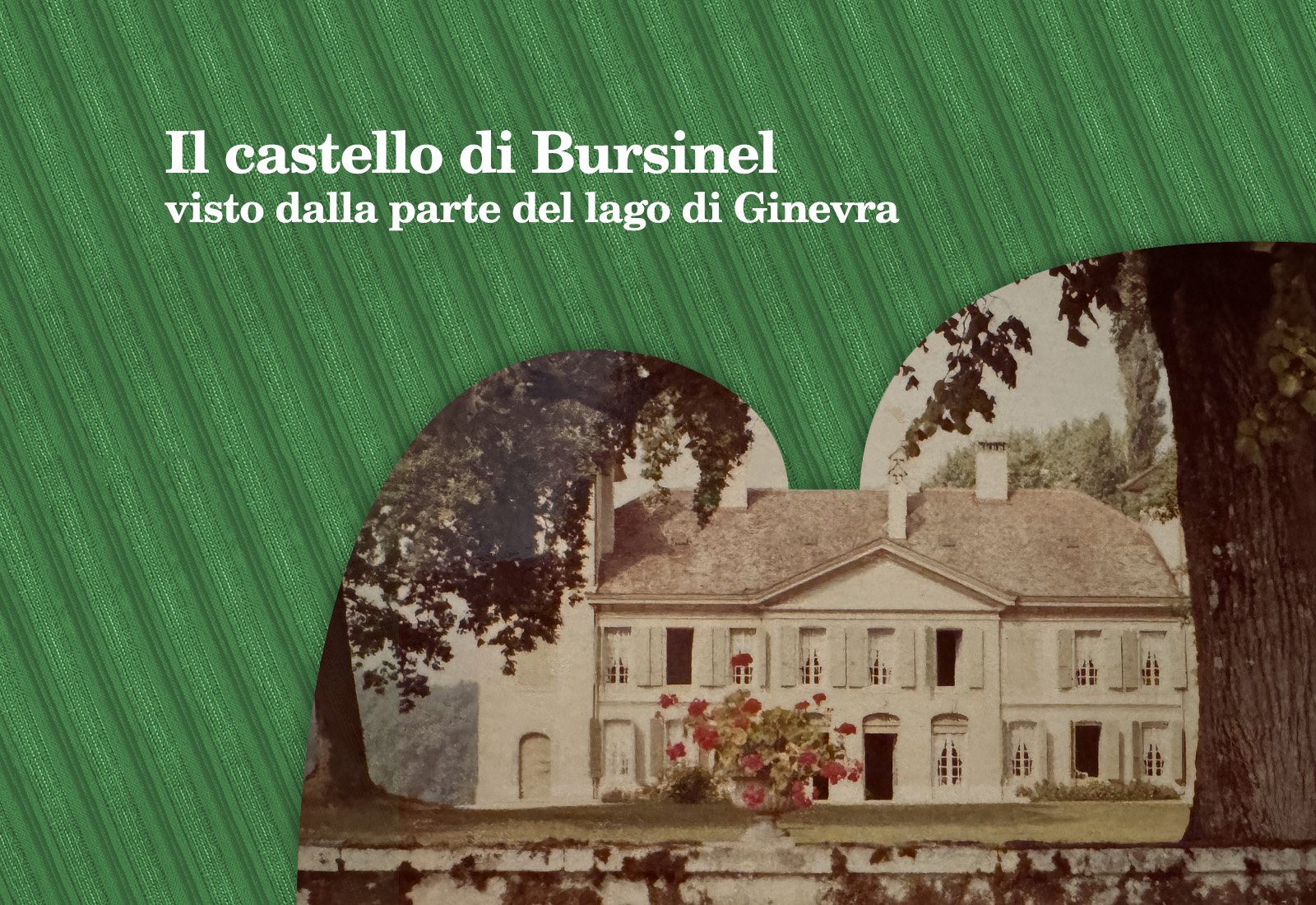
It does not resemble a fairy castle, but magical it was nonetheless, especially for those who spent their childhood there playing on the large meadow sloping down towards Lake Geneva.
Bursinel, in the canton of Vaud, between Rolle and Nyon, is linked to a fundamental episode in the canton’s (and Switzerland’s) history in the 16th century, when they were still fighting against the neighbouring potentates trying to conquer those rich territories.
In 1527, the Catholic nobles supported by Duke Carlo III of Savoy (the so-called ‘mamelucs’), fearing for their rural properties, fought the Geneva of the ‘Eidguenots’, the confederates in the Geneva party who supported the city’s independence and the alliance with the Swiss Leagues against, precisely, the Duke of Savoy(mamelucs, Treccani). One day, during a banquet of the noble ‘mamelucs’ in the hall of the castle of Bursinel, whose lord is in favour of the duke Carlo, Monsieur de Ponteverre, Captain General of Savoy, lifting his own spoon and bringing it to his mouth proclaims that they would ‘swallow Geneva’ in the same way, thus giving rise to the League of the Knights of the Spoon who, having gathered about 4000 men, put the city under siege in 1530. The population of Geneva, however, resisted with extraordinary courage, and the ‘Eidguenots’ soldiers crushingly defeated the League, which was eventually disapproved by the Duke of Savoy himself. The castles of the defeated nobles, including that of Bursinel, were burnt, and the Canton of Vaud remained free(Le château de Bursinel).
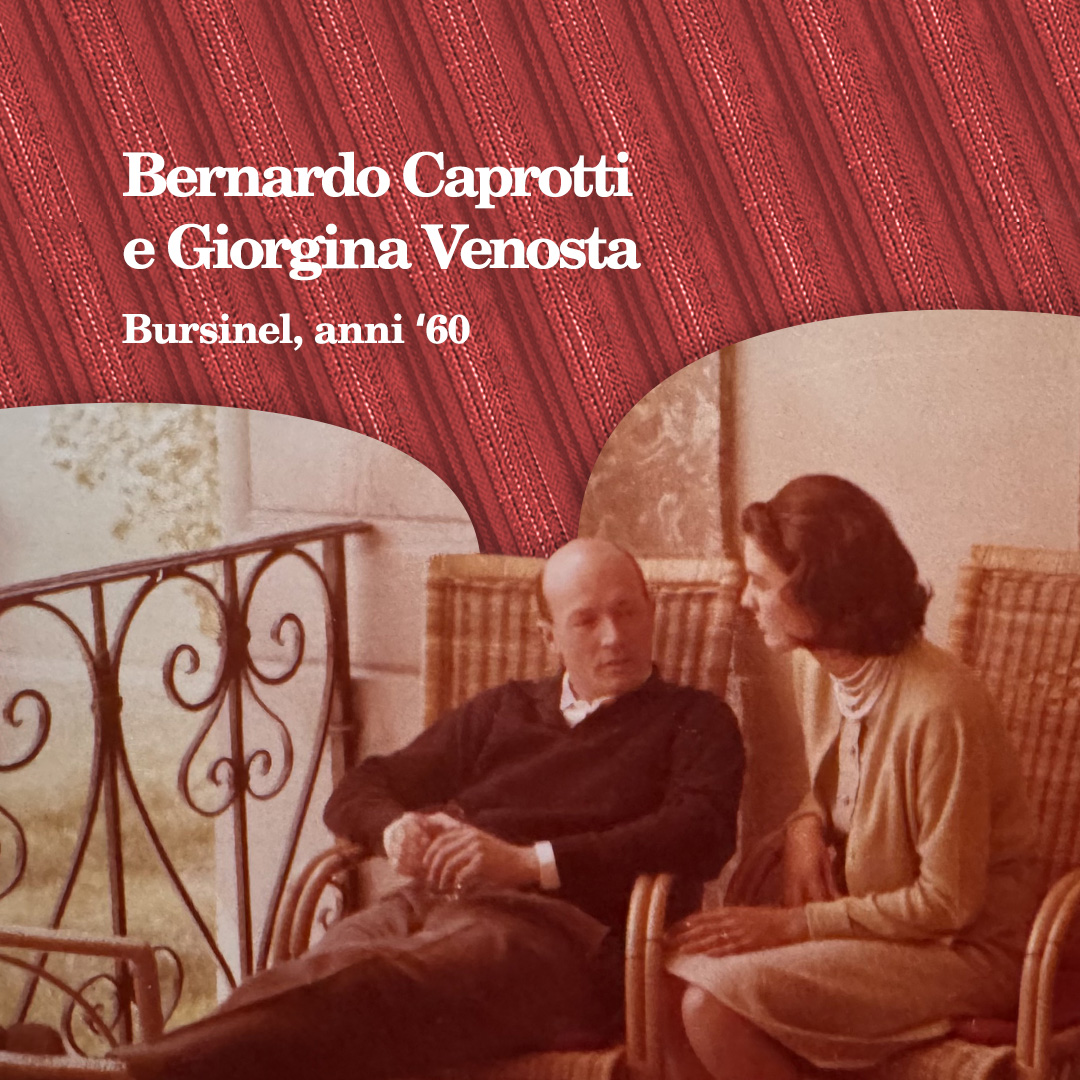
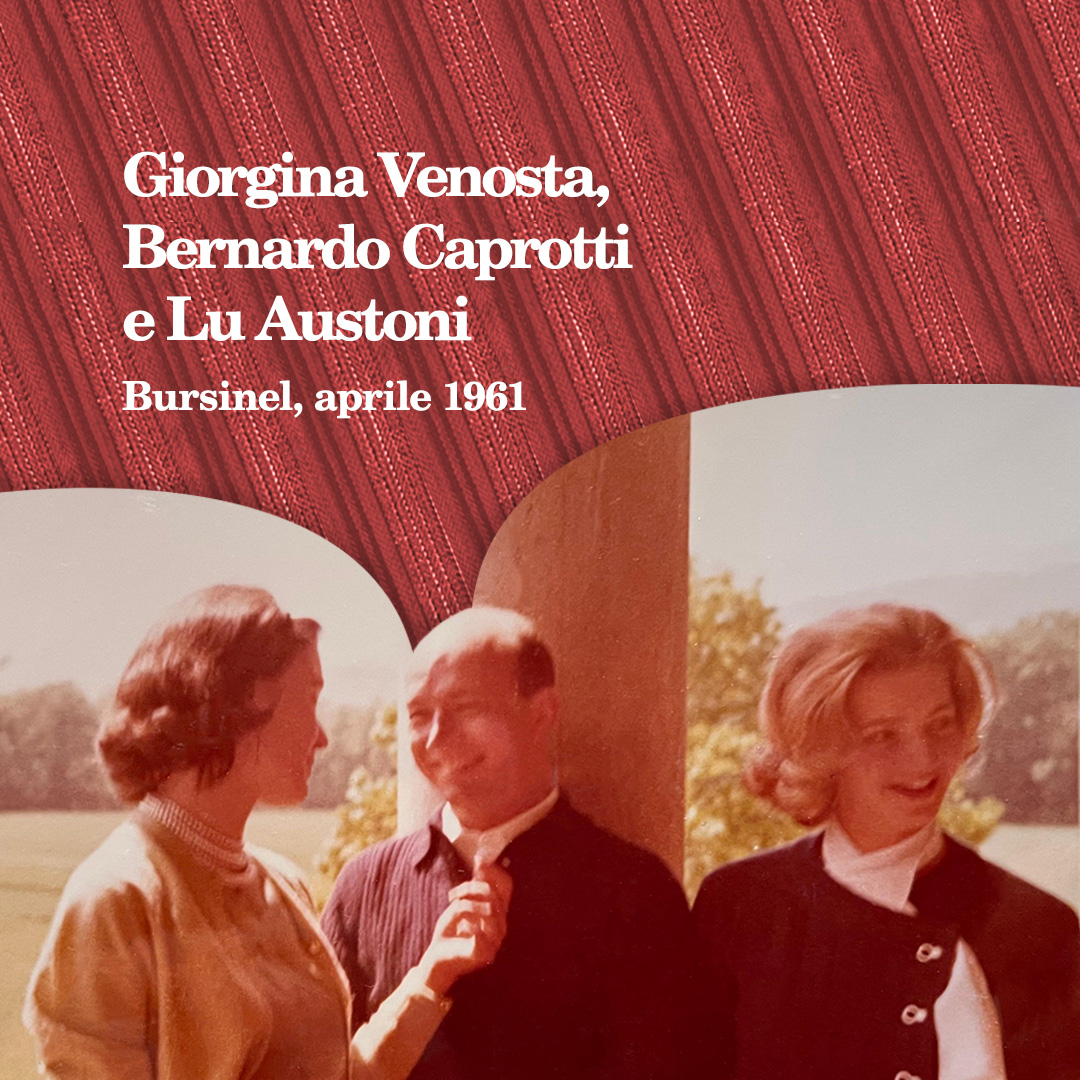
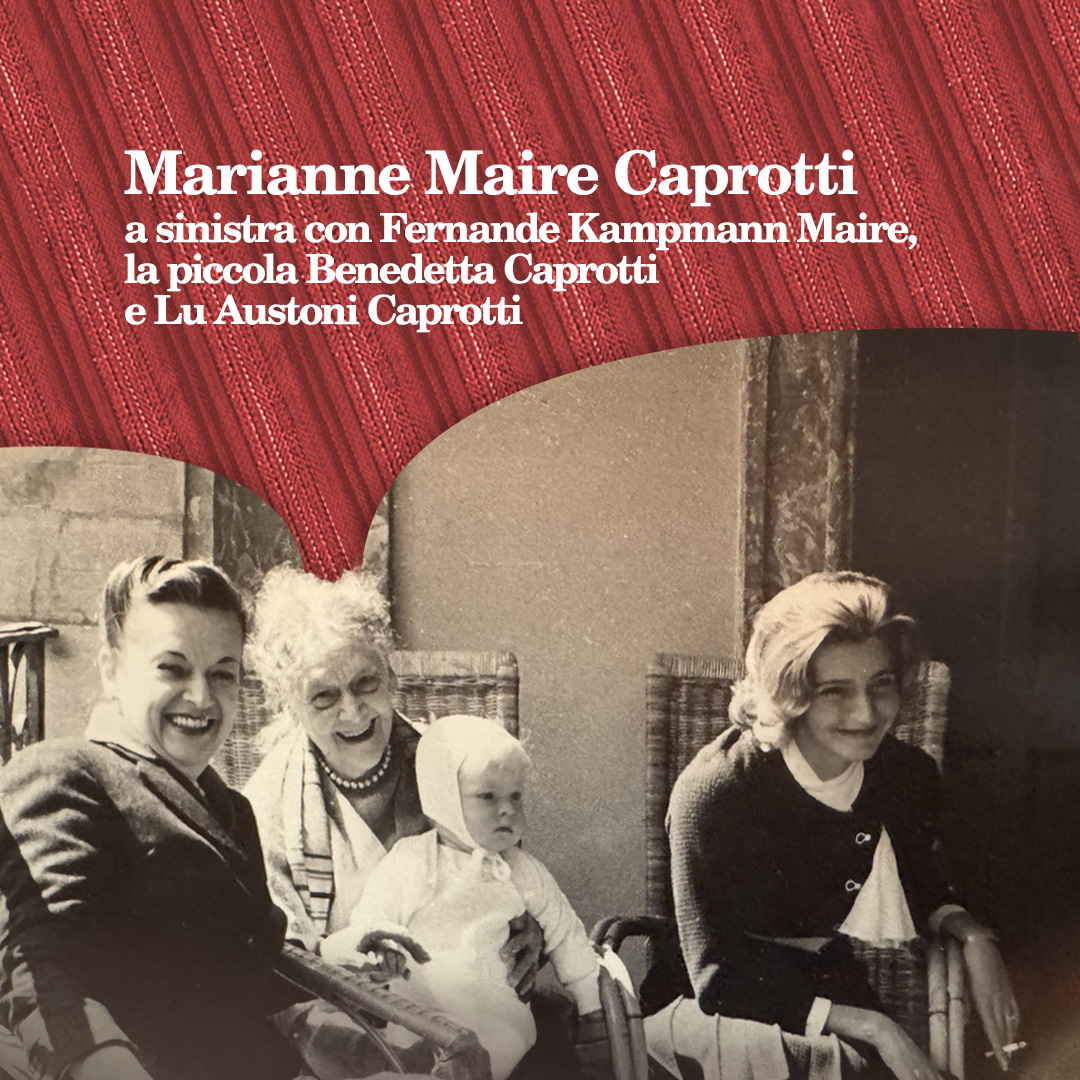
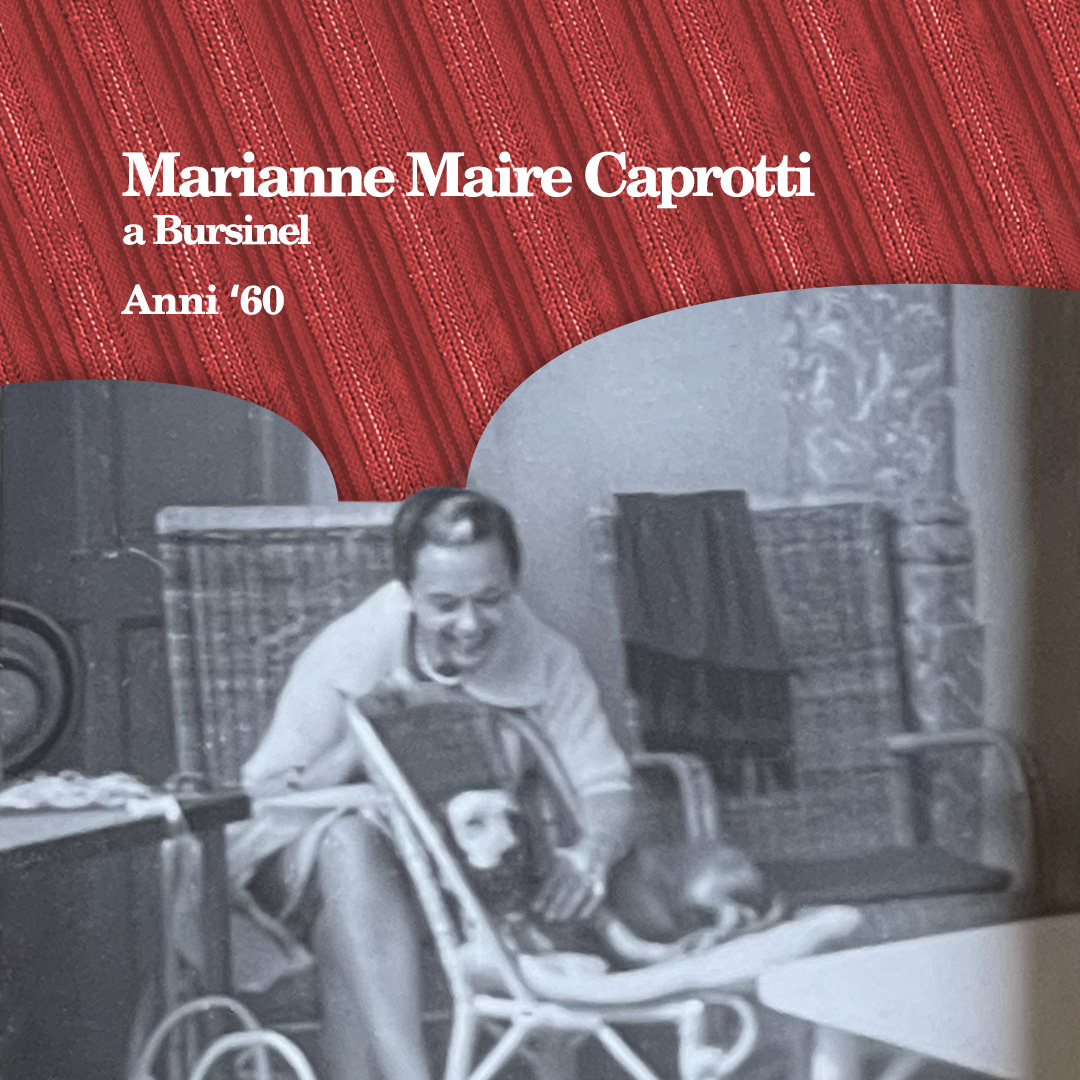
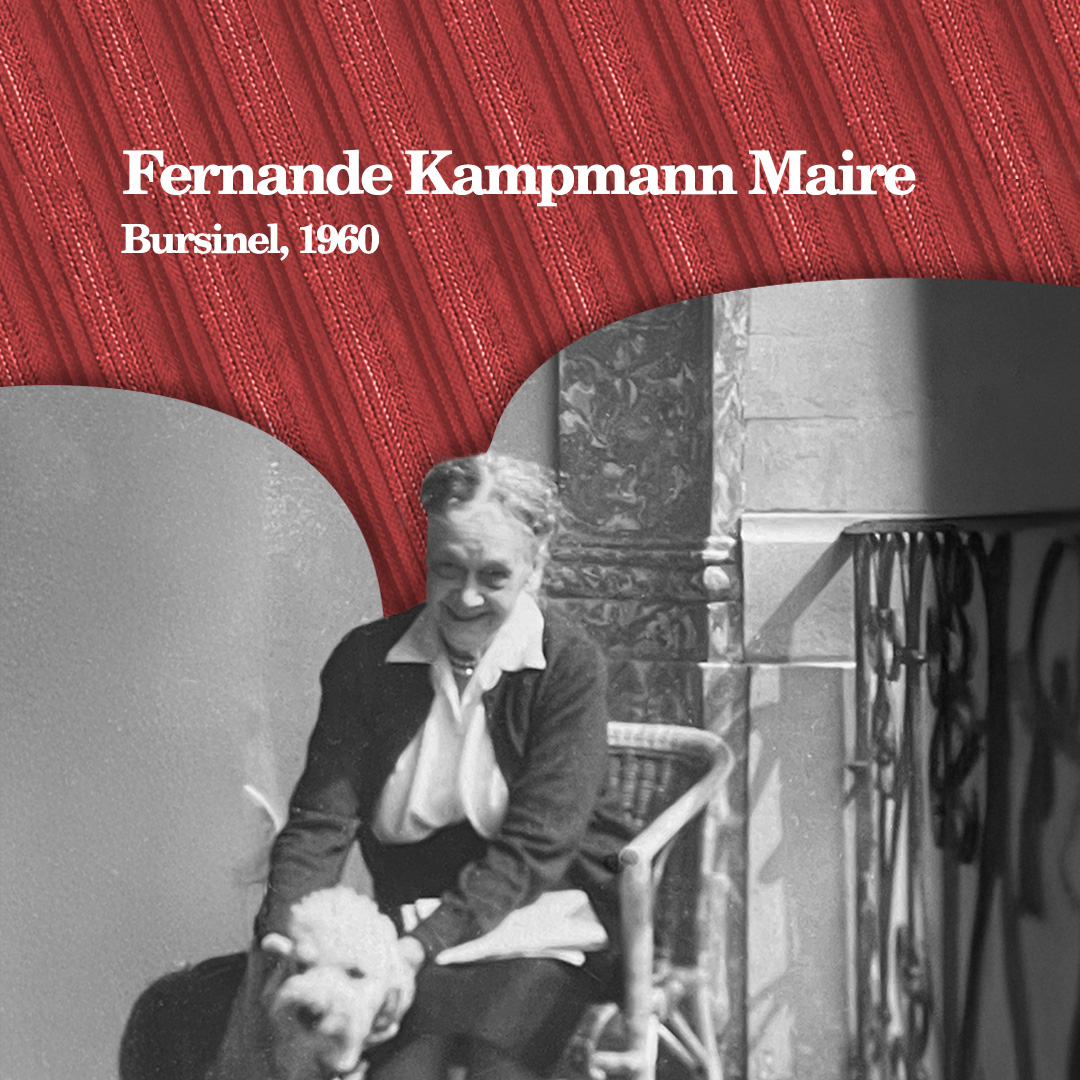
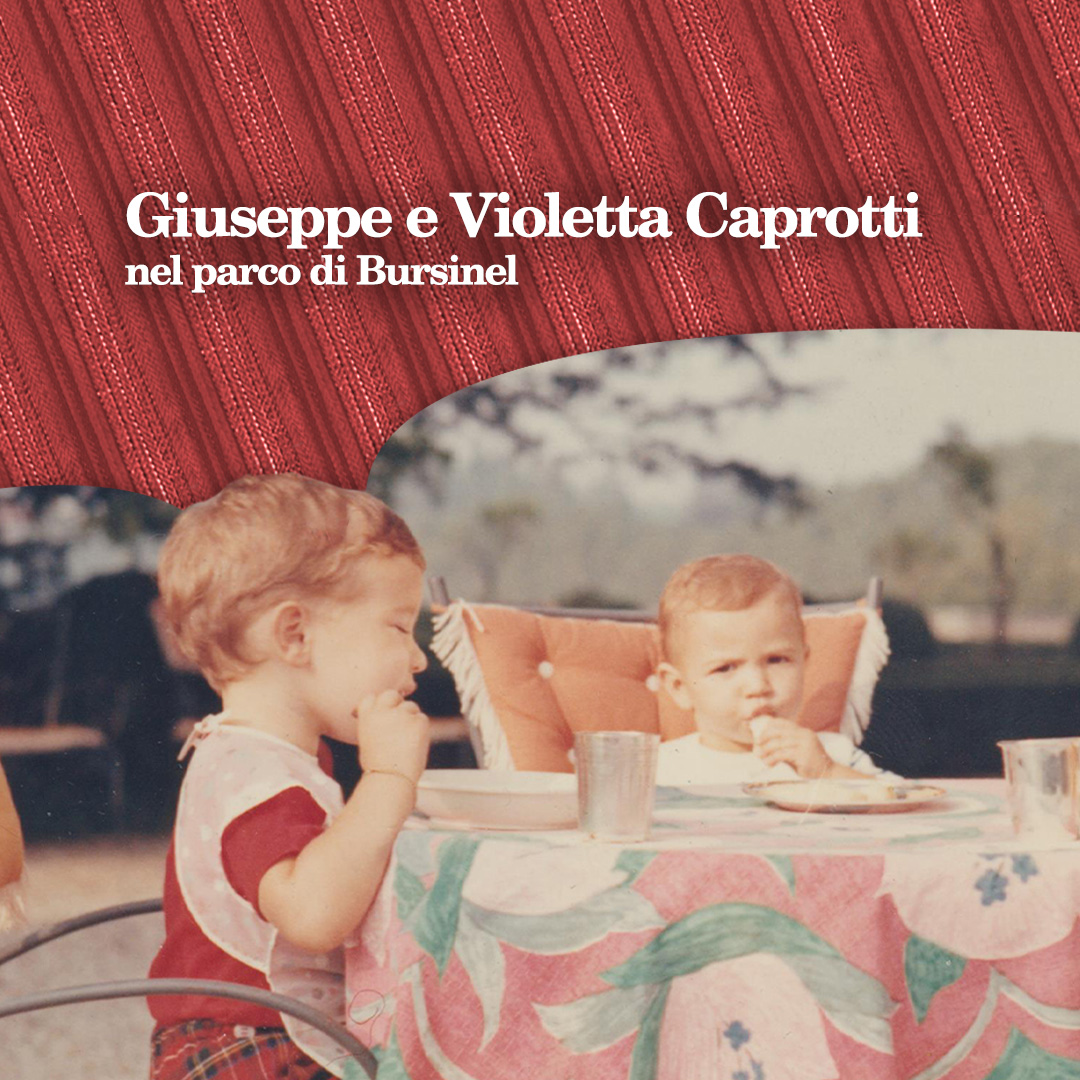
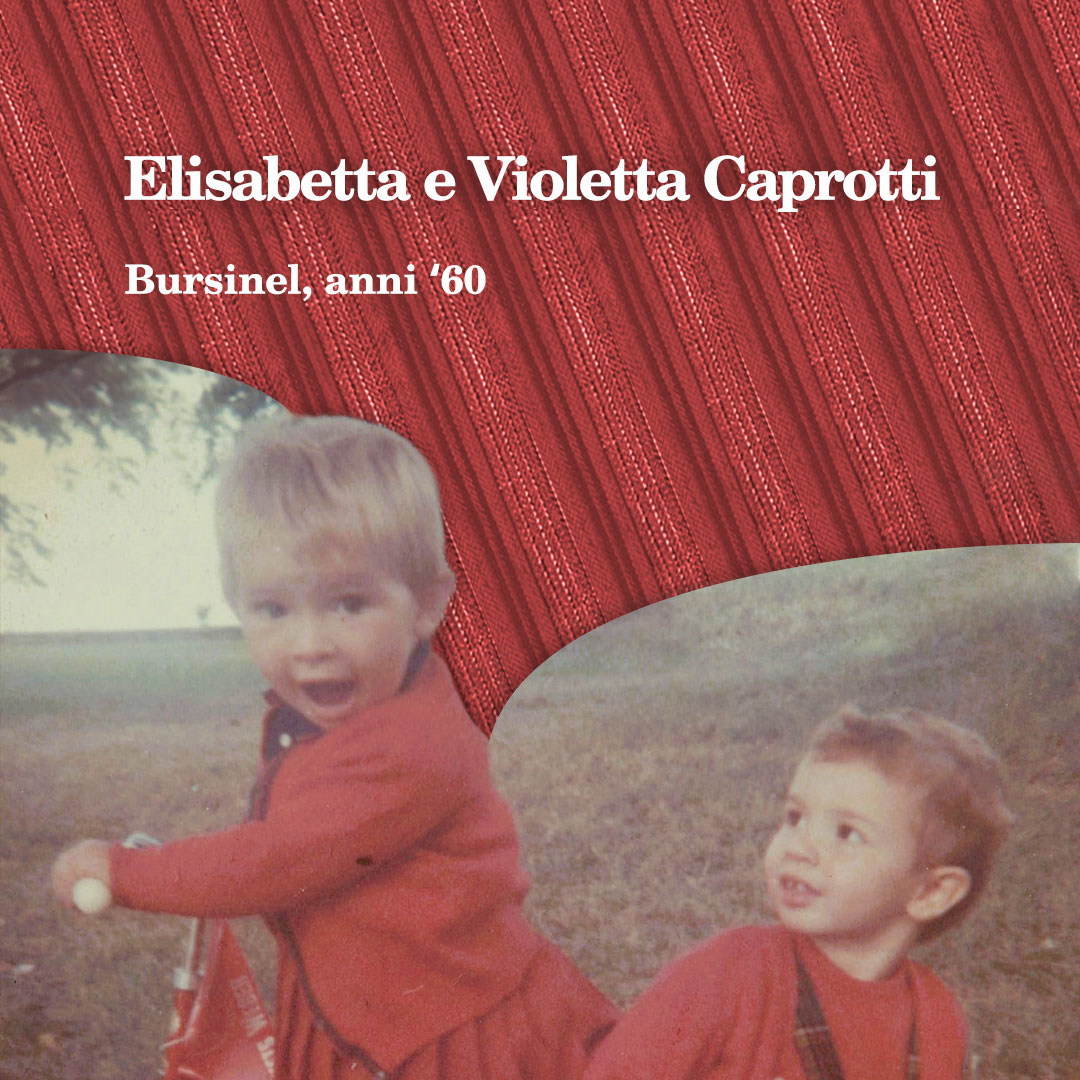
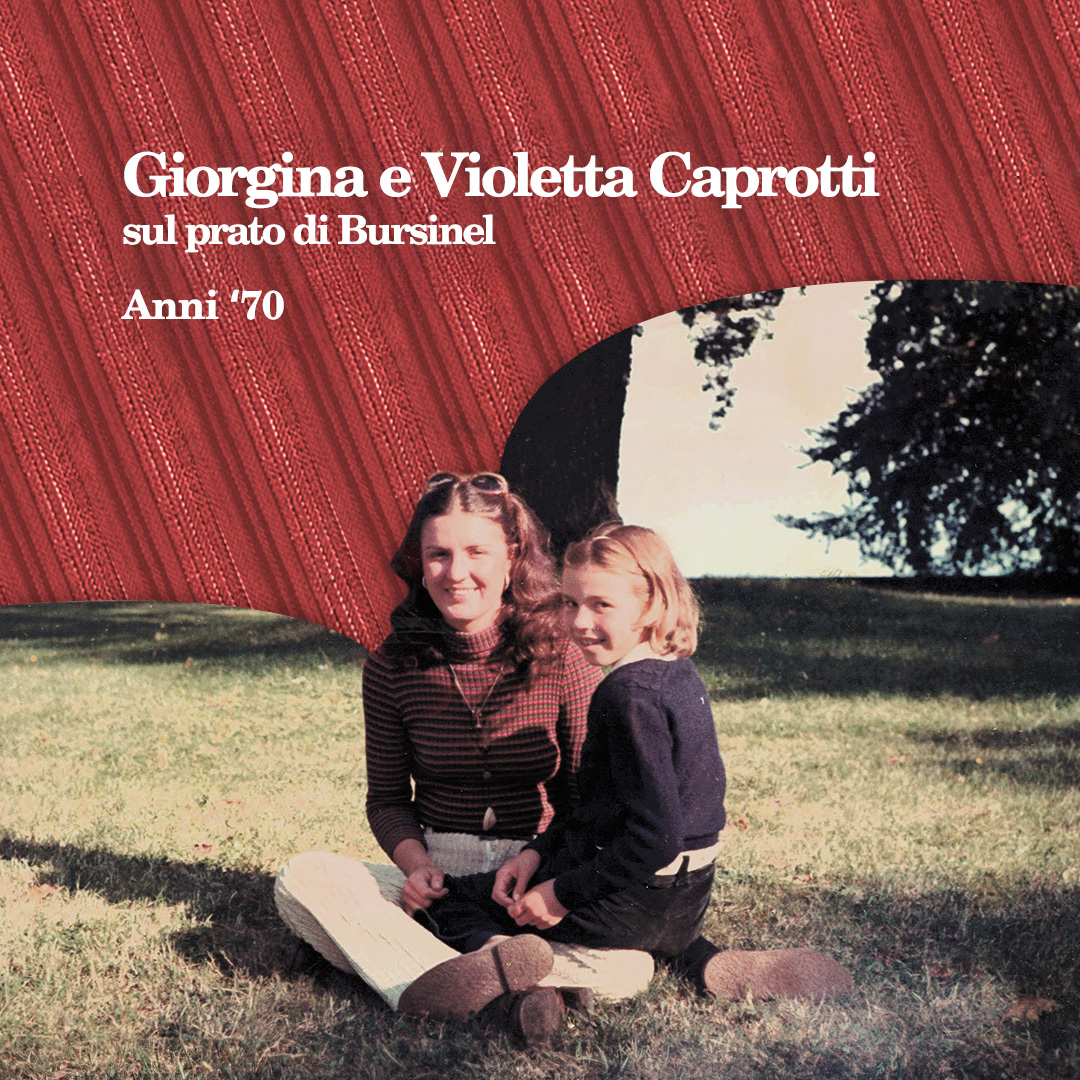
At Bursinel we all meet up, uncles cousins brothers grandmothers and great-grandmothers. Uncle Claudio Caprotti, my father Bernardo Caprotti’s last brother, keeps several photographs; smiling on the castle’s large loggia towards the meadows, in the cool, sunny summer, my grandmother Marianne [Maire Caprotti] embroiders or strokes the dogs, together with her mother, great-grandmother Fernande [Kampmann Maire]. On that same loggia, my parents Bernardo and Giorgina also chat amiably, even affectionately, as does my aunt Lu, wife of Uncle Guido, the middle man of the Caprotti brothers.
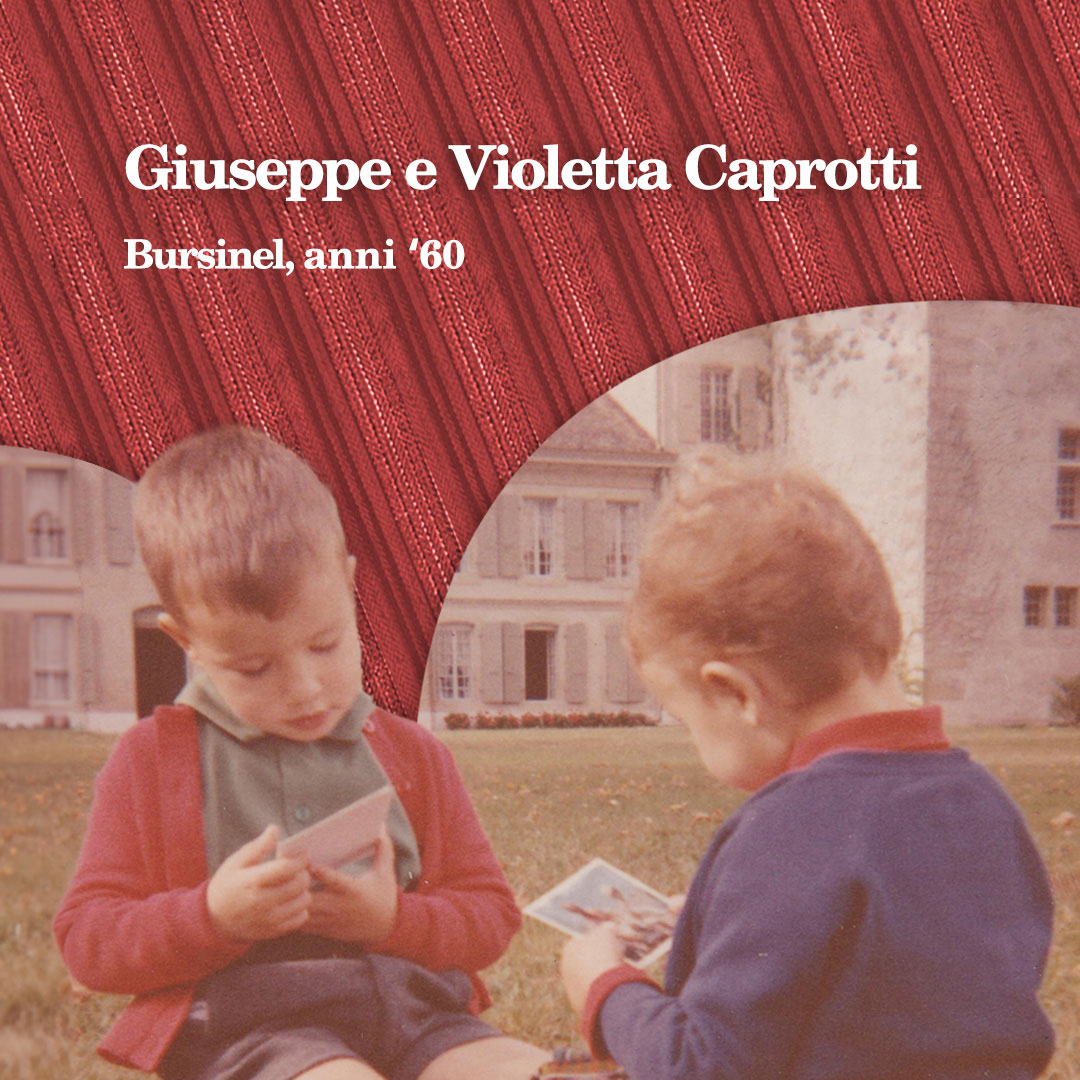
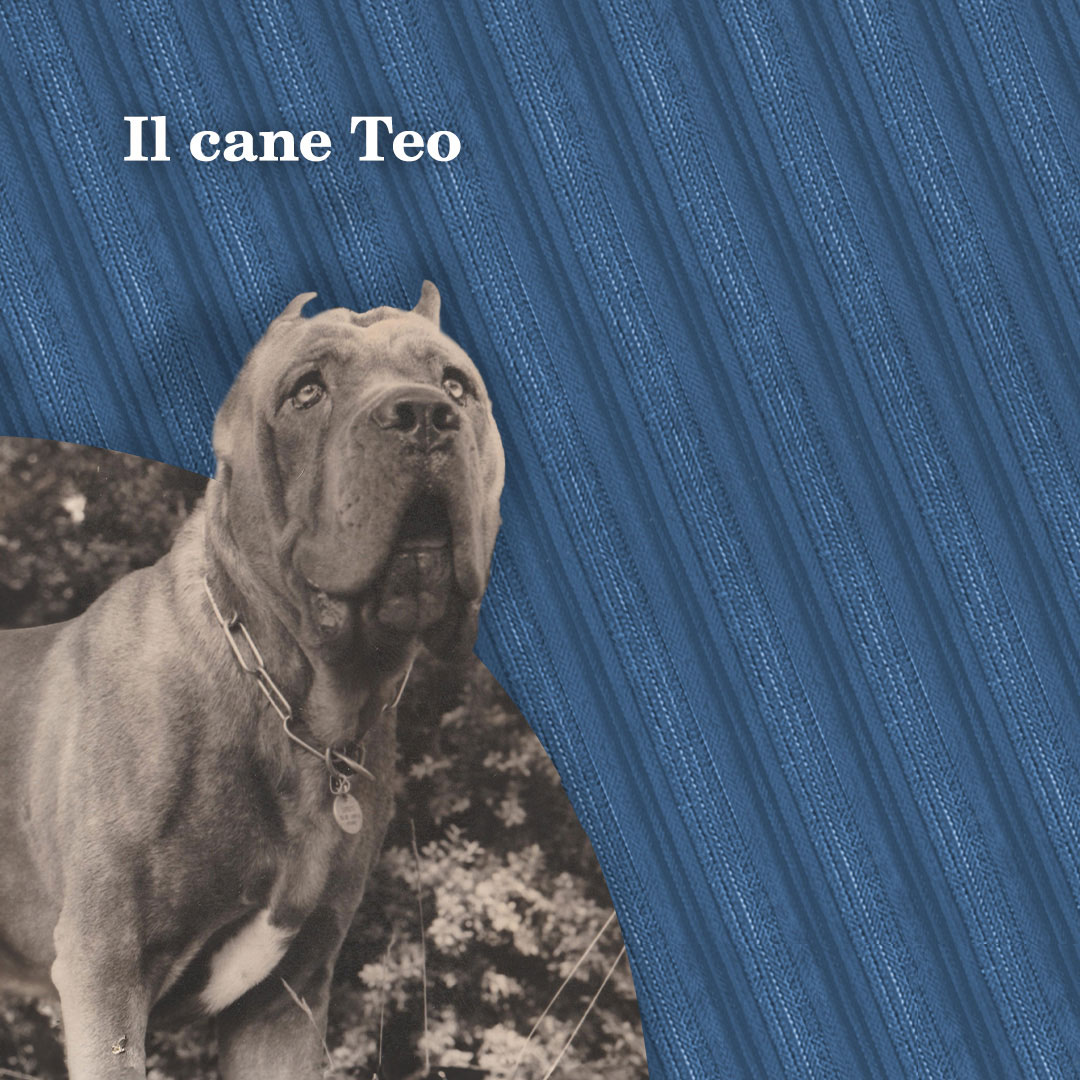
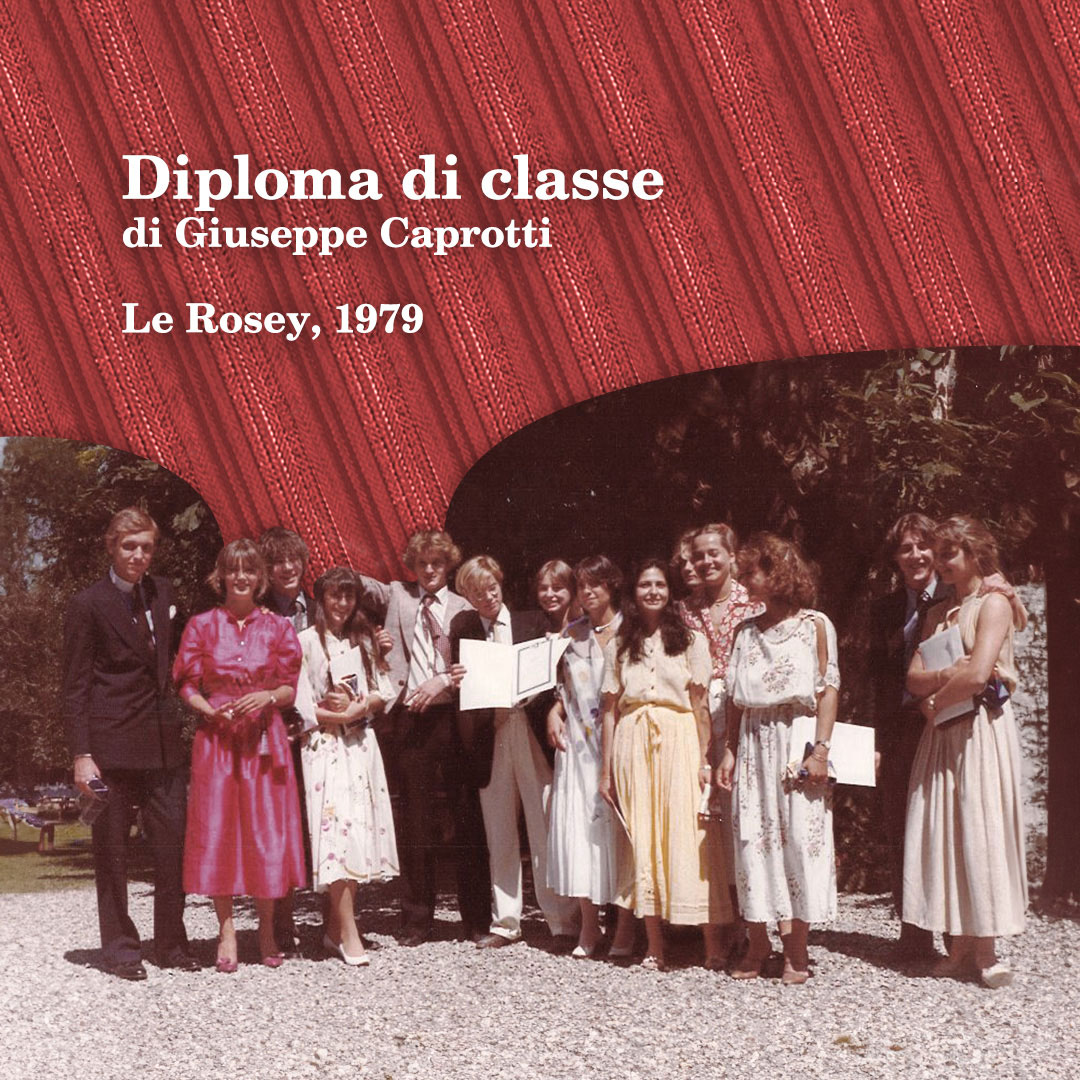
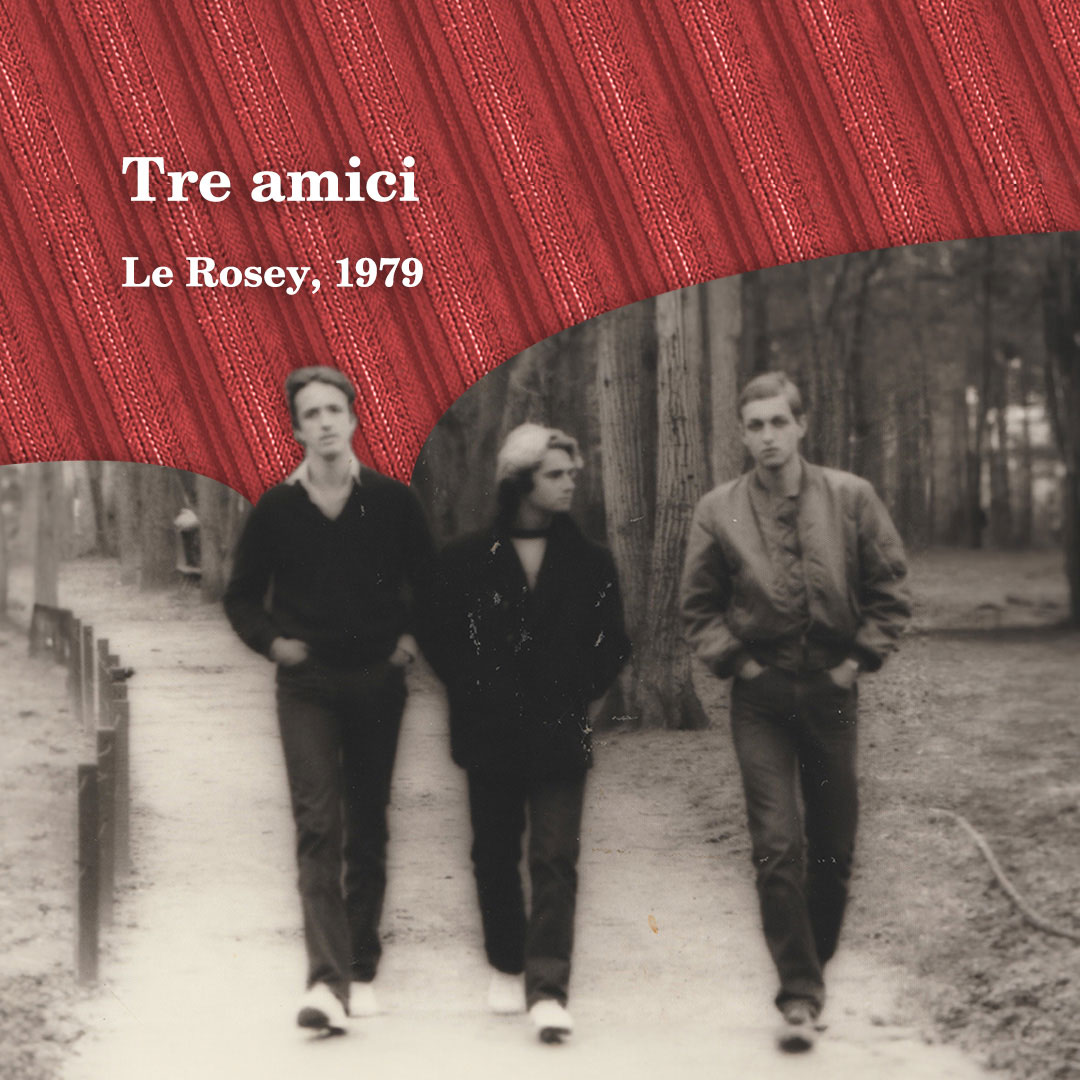
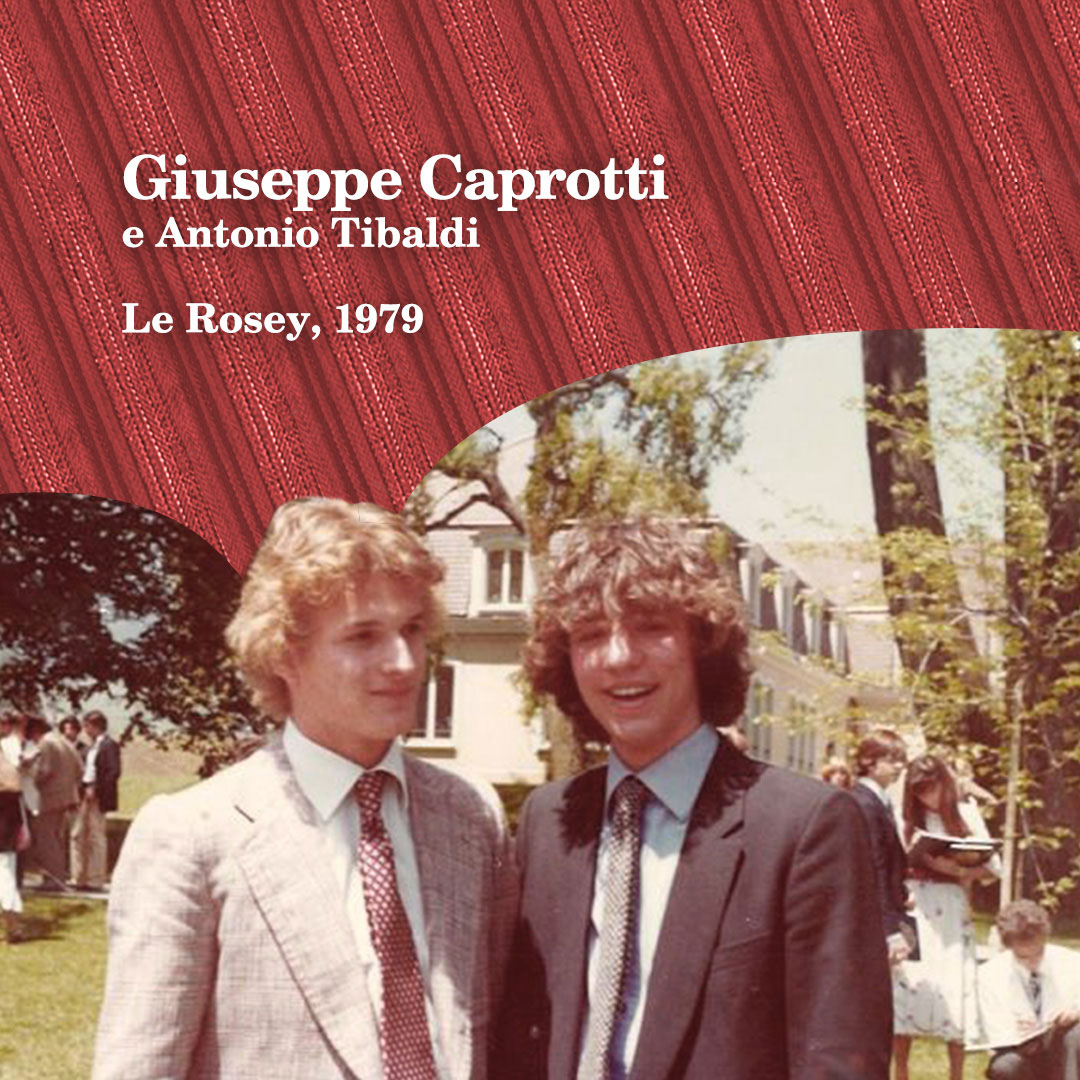
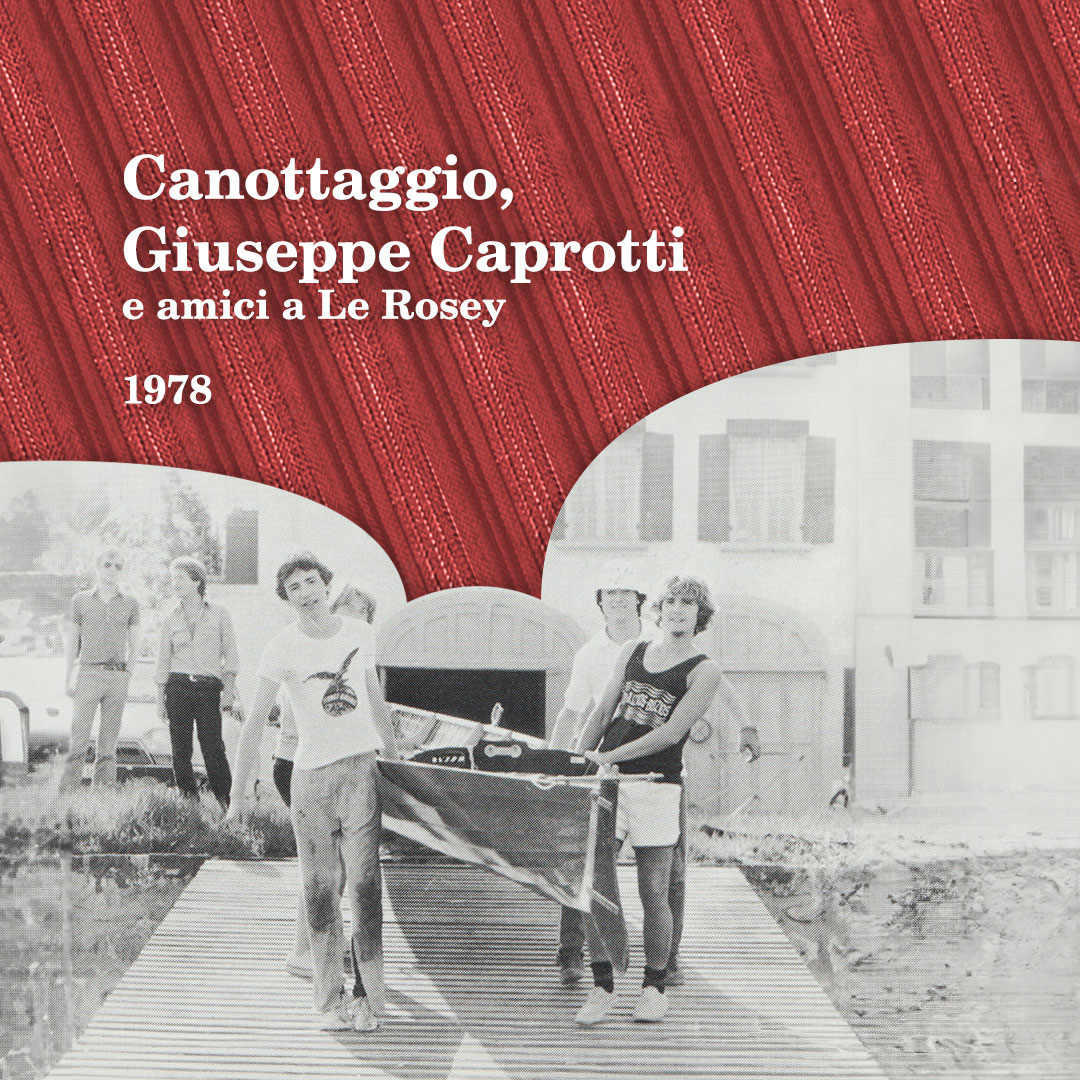
We children play endless hours on the lawn, watched closely by the nannies. Bursinel is one of the places of the heart of childhood and early youth: in addition to playing there as a child, among the pigs and cows, and getting to know my grandmother’s French family – I adore Yette, my grandmother’s sister, and her husband Roger – the château was also used, between 1975 and 1979, to host Rosey’s friends. Rolle, where we study, is in fact nearby, a few kilometres away. I remember big tables at lunch, with Dad cooking for all of us, fellow boarders. My beloved dog, Teo, was also there at the time.
After fierce arguments and quarrels between the brothers, the Swiss castle fell to Bernardo in the mid-1970s; it was rented out, then my father gave it to Violetta who sold it to my great sorrow. Today it has become a wine-producing property with great plans to develop the wine that we all appreciate.
Sources:
Albiate (MB), Villa San Valerio Archives, Photographic Archives.
Florence, Claudio Caprotti Archives, Photographic Archives.
Bibliography:
“Le château de Bursinel“.
“Bursinel, place de l’Eglise“.
“Eidguenots“, headword in “Treccani. Online Encyclopaedia”
G. CAPROTTI, ‘Le Ossa dei Caprotti. Una storia italiana’, Milan, 2024/3.
ID. “Le Ossa dei Caprotti. Le dimore dei Caprotti: il Castello di Bursinel, Cantone di Vaud, Switzerland. Cues from the book’.
ID., “Le Ossa dei Caprotti”. Le dimore dei Caprotti: Villa Nadina, Forte dei Marmi, 1960s. Ideas from the book’.