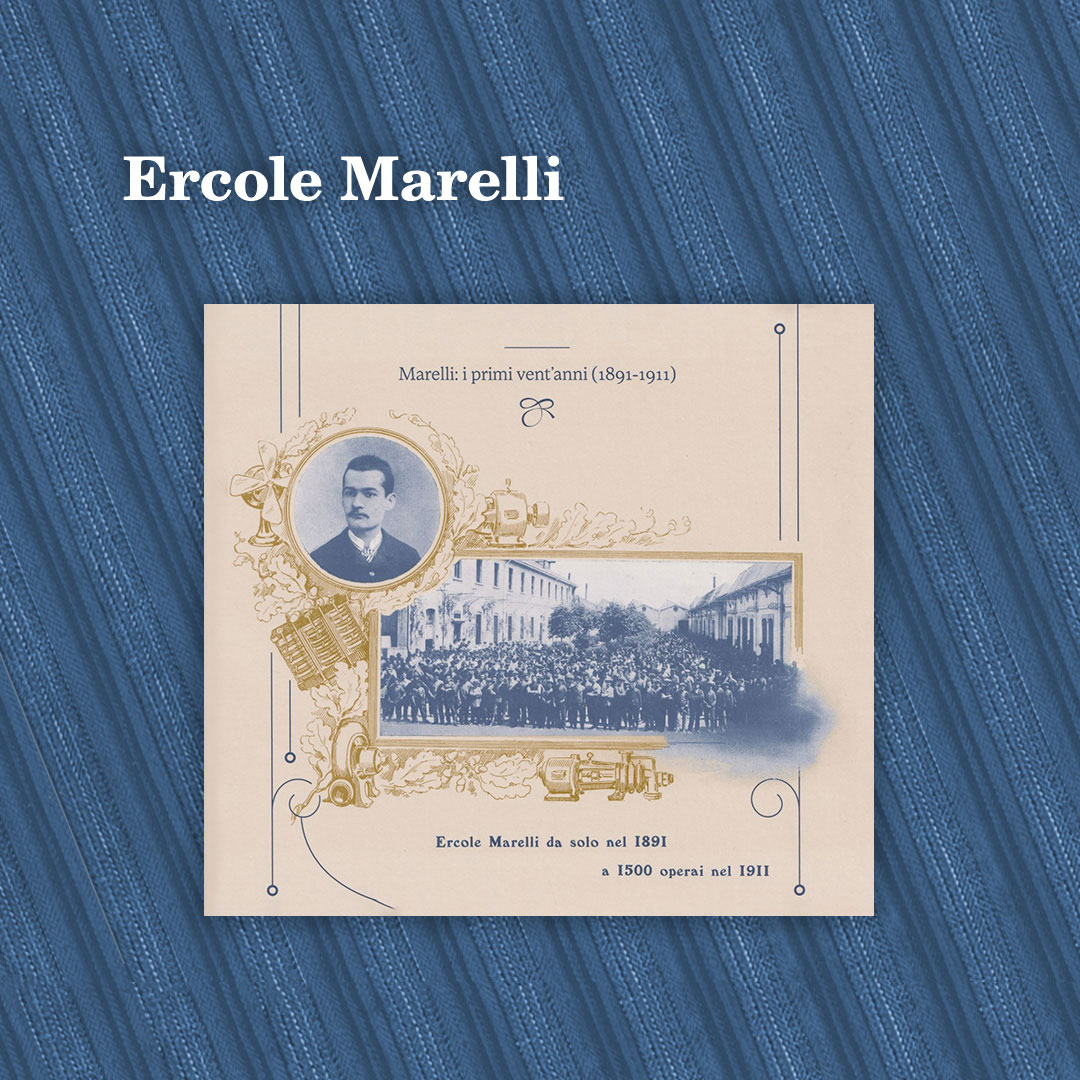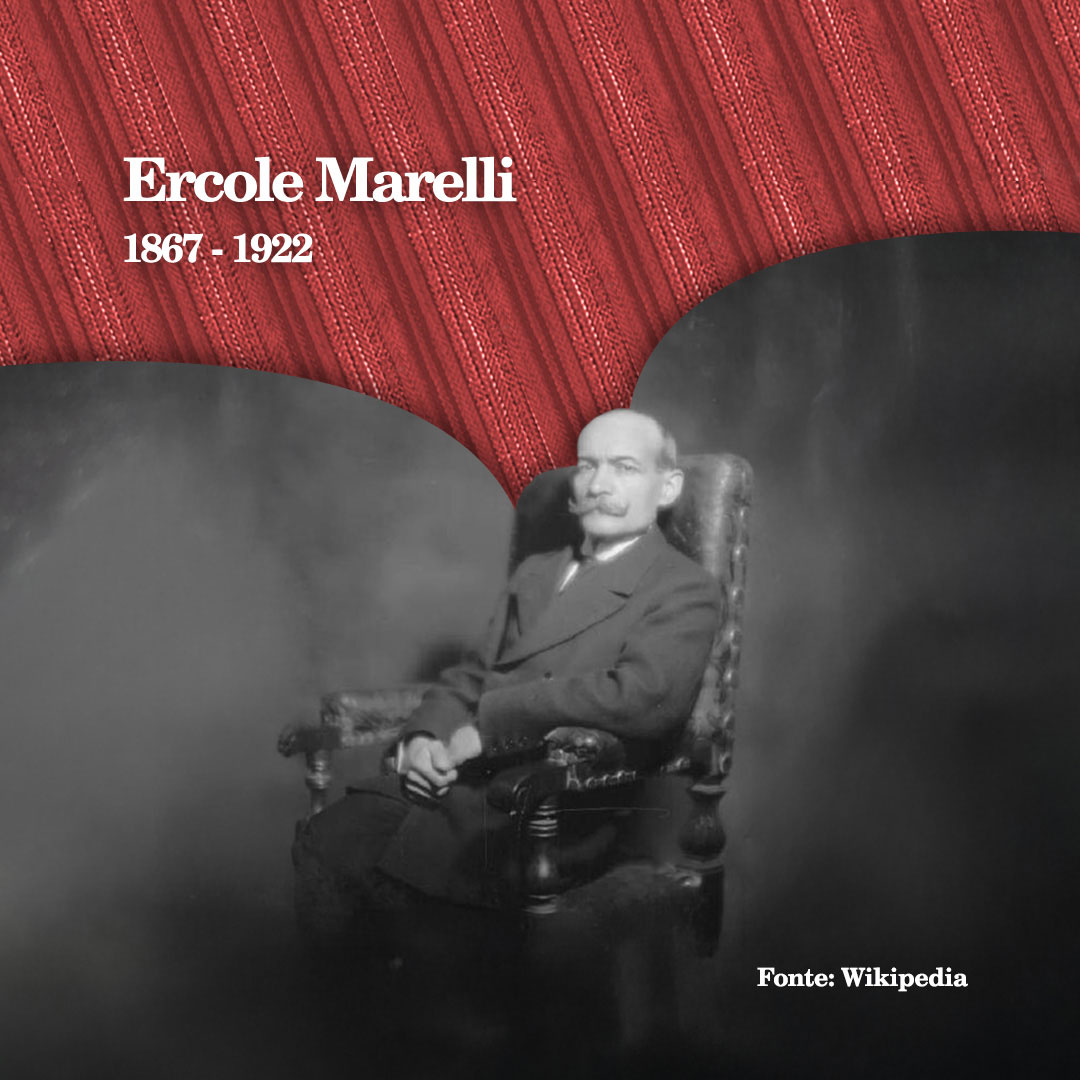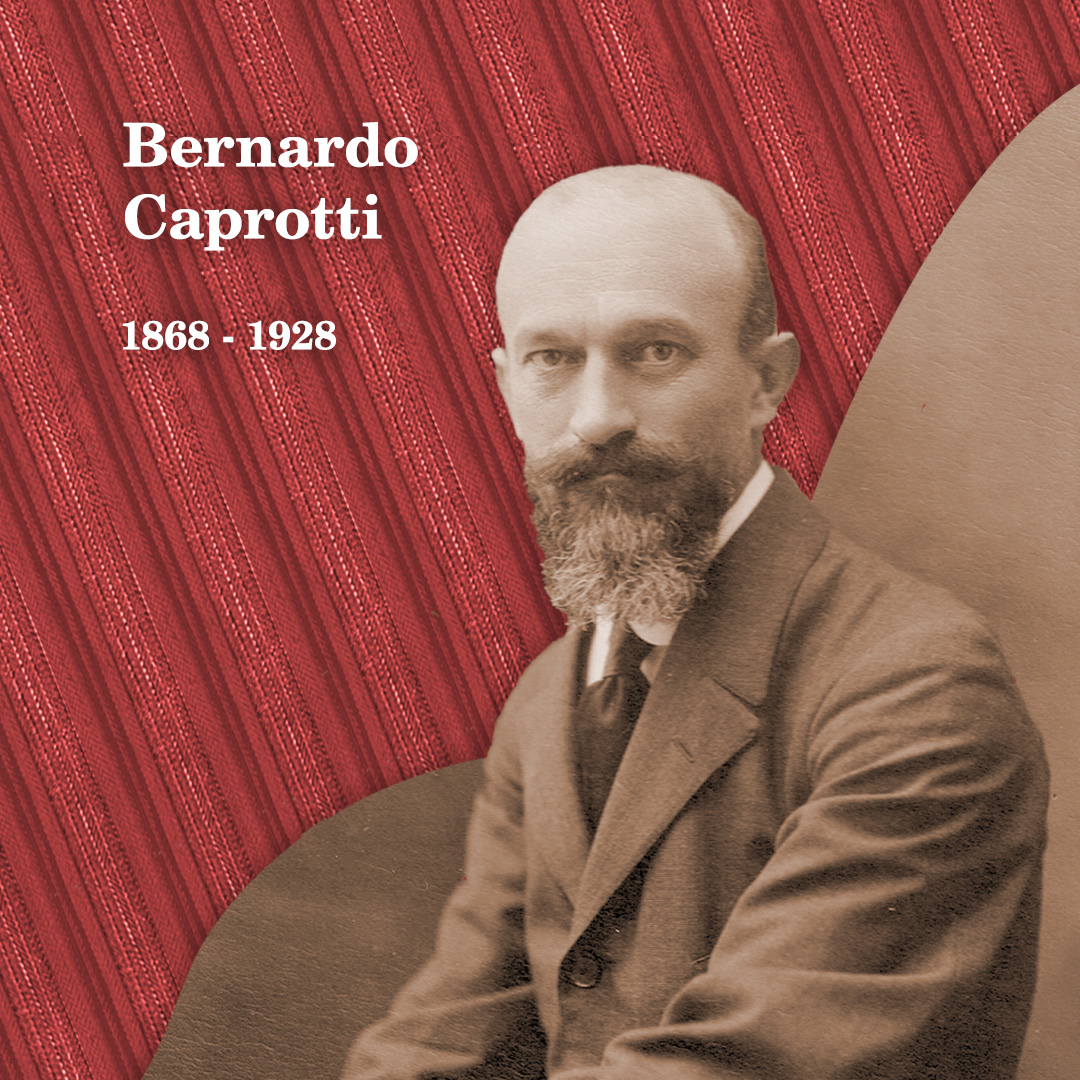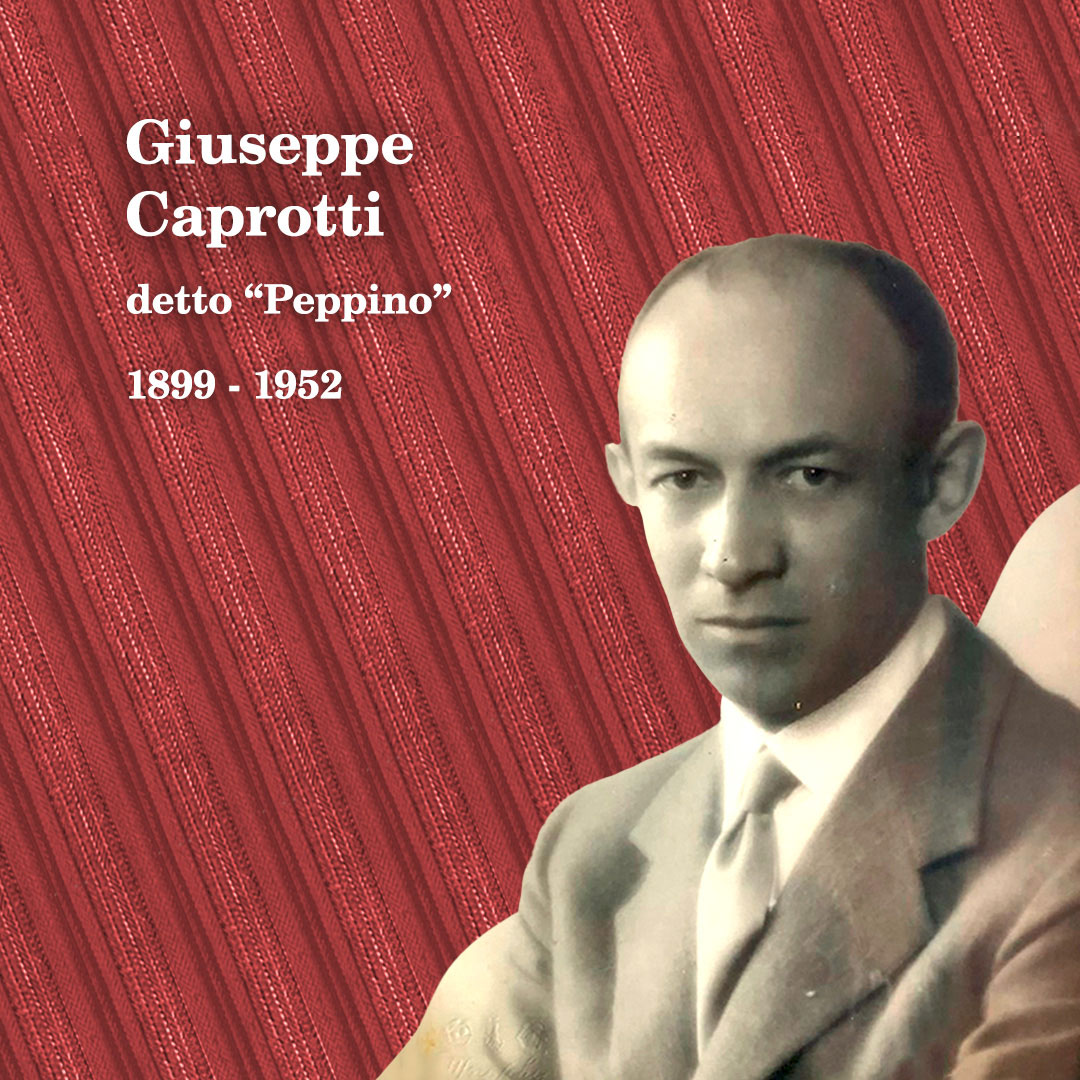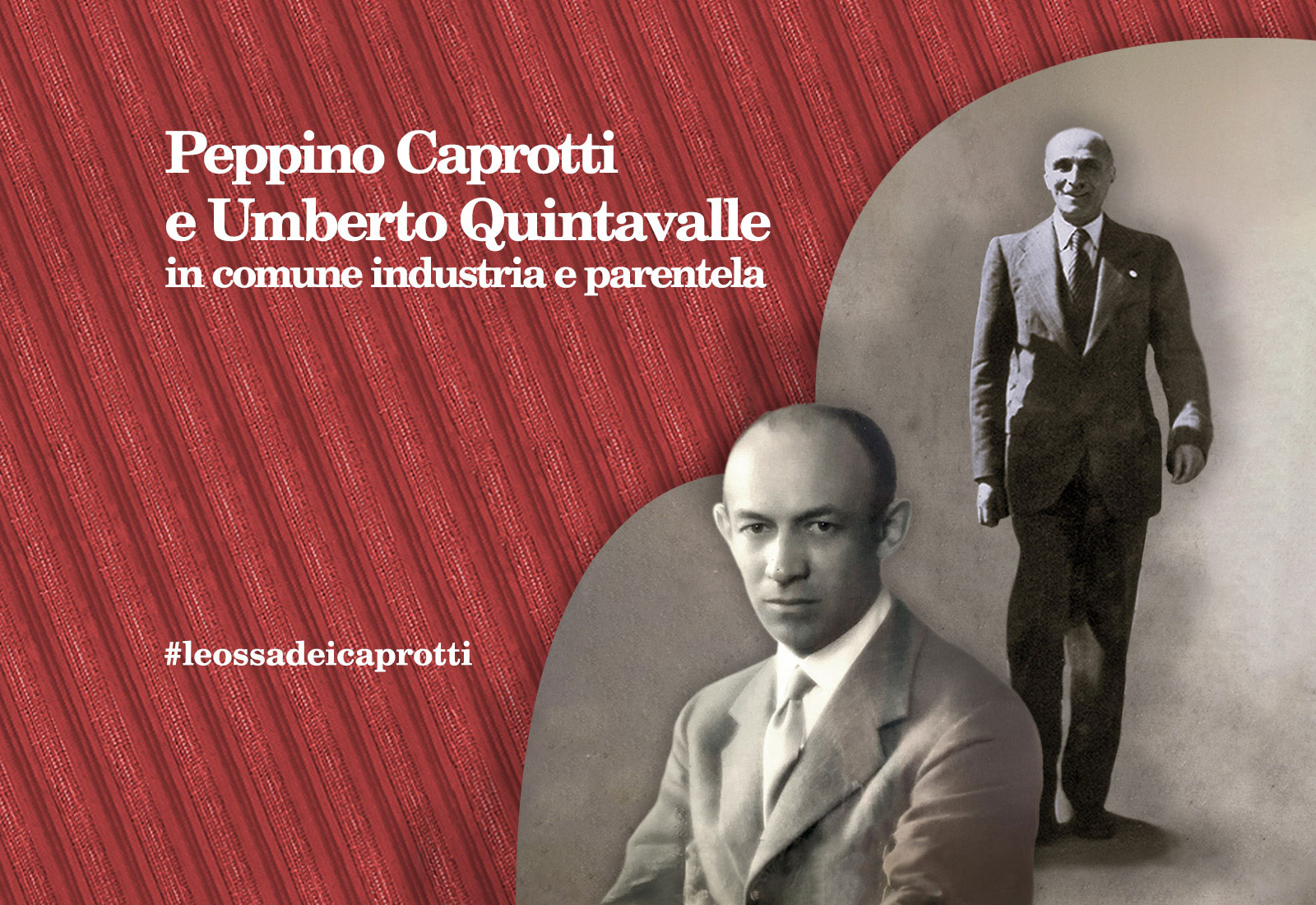
The comparison between Ercole Marelli and Manifattura Caprotti highlights not only the differences in industrial sectors – Marelli, founded in 1899, operates in the electromechanical sector, Caprotti, founded as an industry in 1840, operates in the textile sector – but also how different business strategies can lead to lasting successes in variable economic contexts. Both represent significant histories of Italian industry, each with its own unique heritage, and exploring their stories offers interesting insights into economic and social dynamics in Italy.
Indeed, both companies saw significant periods of growth during the 19th century. However, Marelli faced challenges related to two post-war industrial reconversions and international competition in the field of technology, while Caprotti had to adapt to changes in fashion and consumer preferences. Both have overcome their challenges, in different ways and at different times, by evolving over time and managing to hold on to their core values.
The production models of both Marelli and Caprotti were influenced by significant historical and economic contexts inspired or aided by the US model, such as Fordism and the Marshall Plan.
Marelli adopted the Fordist model, characterised by mass production and the use of assembly lines. This approach, developed by Henry Ford in the 1910s, revolutionised the way cars were produced and beyond, allowing for greater efficiency and cost reduction. Fordism is based on three pillars: product standardisation, division of labour and automation. Marelli implemented these principles to improve the productivity and quality of its products, making them globally competitive.
Caprotti, thanks to my grandfather Peppino Caprotti’s contacts through his wife Marianne, benefited from the Marshall Plan in the late 1940s, a US aid programme that aimed to rebuild post-war Europe by providing funds and resources to modernise industries, enabling them to invest in modern technology and thus restructure their production processes, thus increasing their competitiveness in the market.
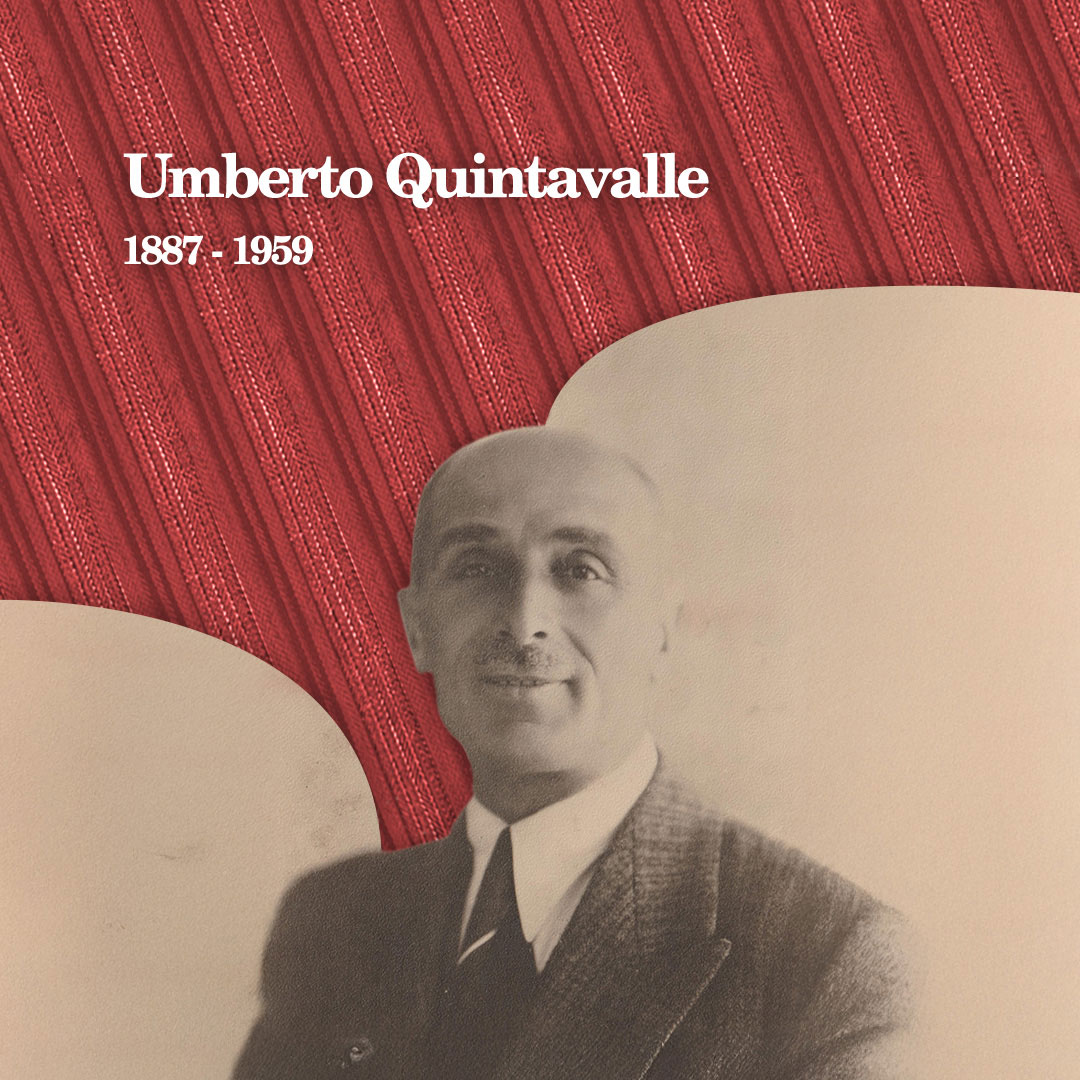
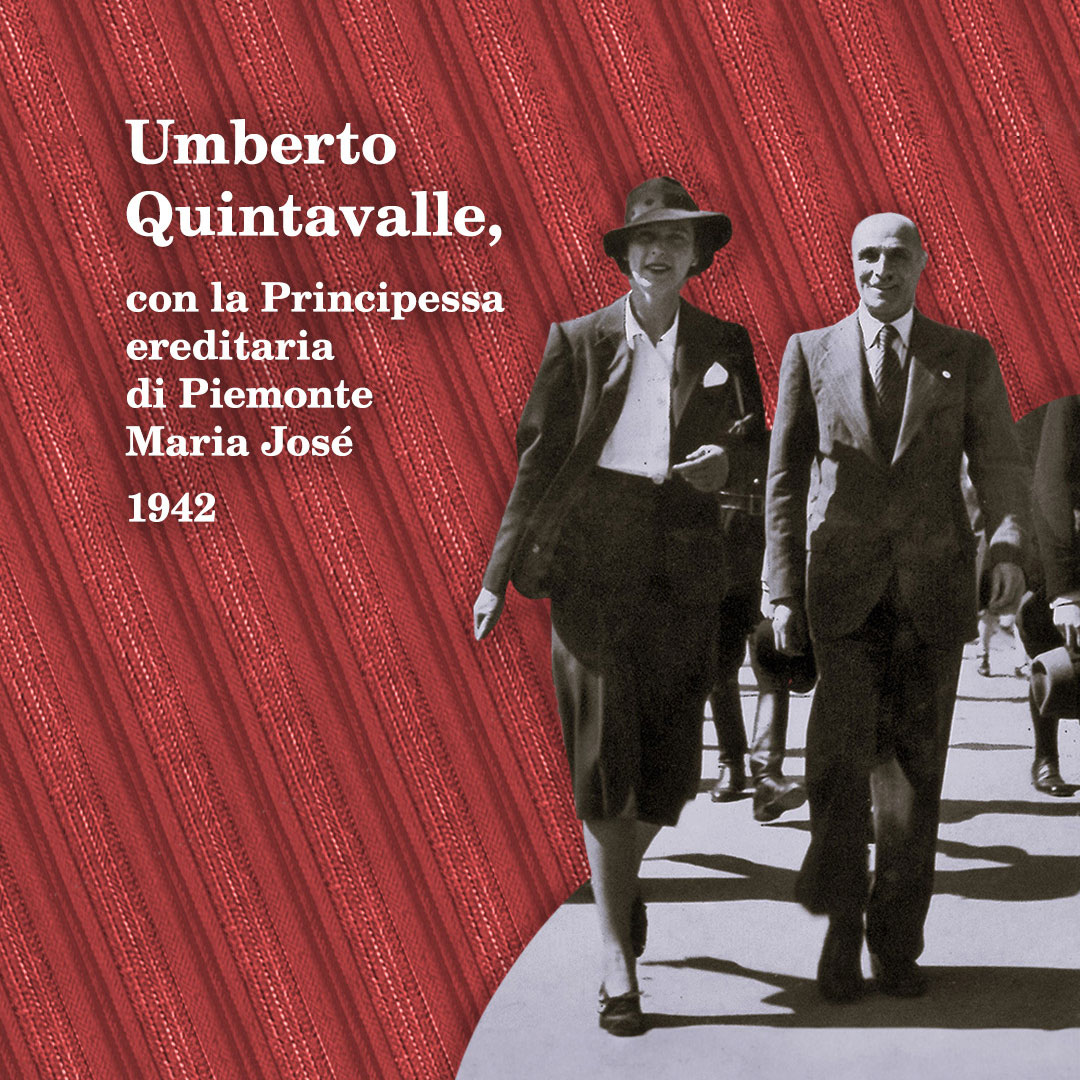
Finally, belonging to the same social sphere, as industrialists, means not only weaving business relations, but also frequenting the same environments and participating in the same moral and cultural values. And this naturally led to marriages between families that strengthened both business and social ties. This also happened between Marelli and Caprotti, when Luisa, a daughter of Umberto Quintavalle , who with her brother Bruno Antonio had taken over Ercole Marelli‘s company , of which the latter was son-in-law, married Guido Venosta and with her had my mother Giorgina Venosta. Umberto’s great-grandfather, for his part, had married Adele Portaluppi, sister of Piero, a renowned architect and designer of some of the most beautiful buildings in Milan and beyond, in that continuous intertwining of relationships of love, friendship and union that has always characterised the bourgeoisie.
N.B. : in the wake of continuity, Esselunga will have a strong American imprint, both at its birth and in the continuation of its path.
Bibliography:
M. MAGAGNINO, The unexpected entrepreneur. Marelli: i primi vent’anni (1891-1911), Verona, 2024.
G. CAPROTTI, Le Ossa dei Caprotti, una storia italiana, Milan, 2024/3