The ‘Social Question’, so keenly felt in the late 19th and early 20th century, also reached Albiate. Here, too, the competition between socialist and Catholic ideals was experienced, but without the excesses that put other regions, such as Romagna, to the sword.
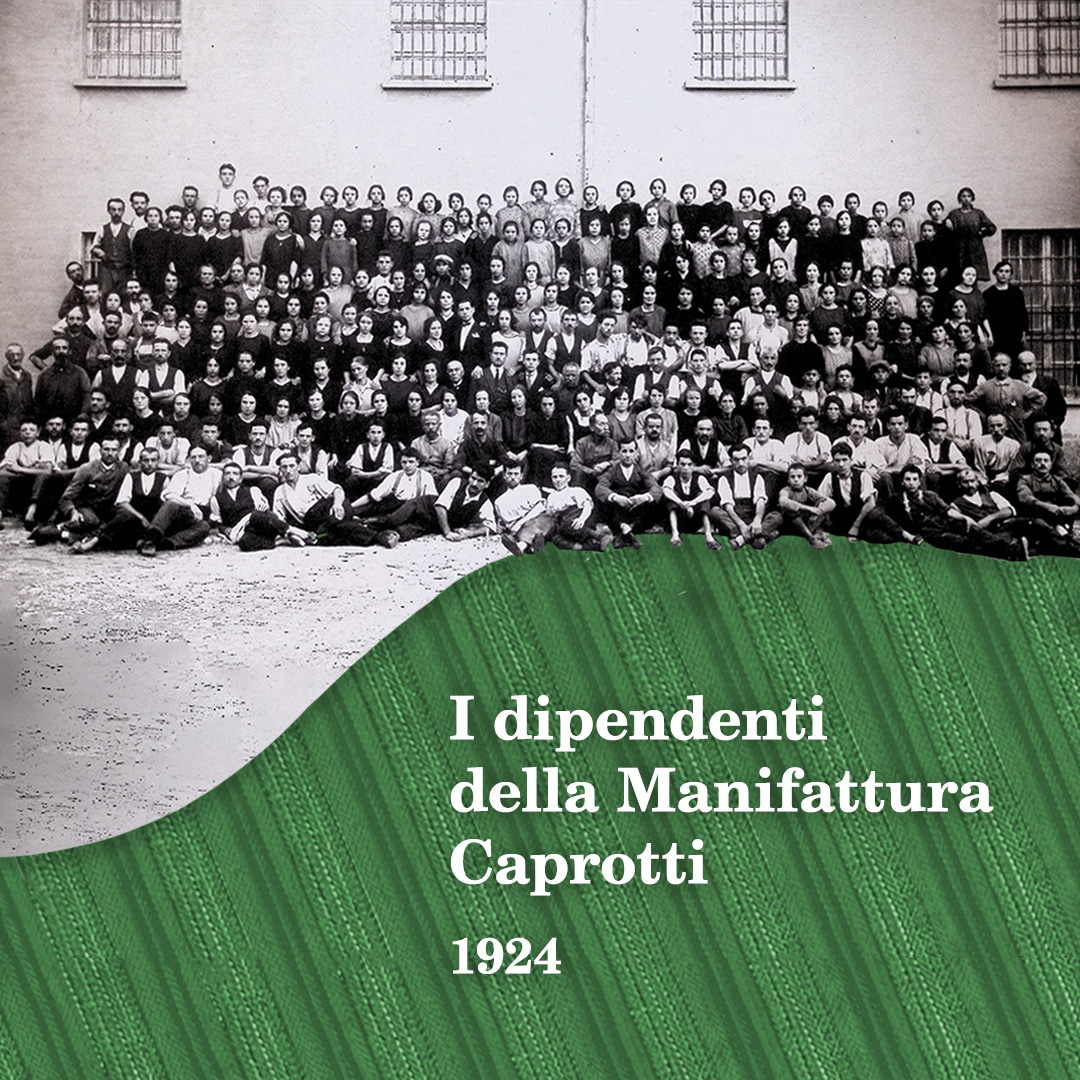
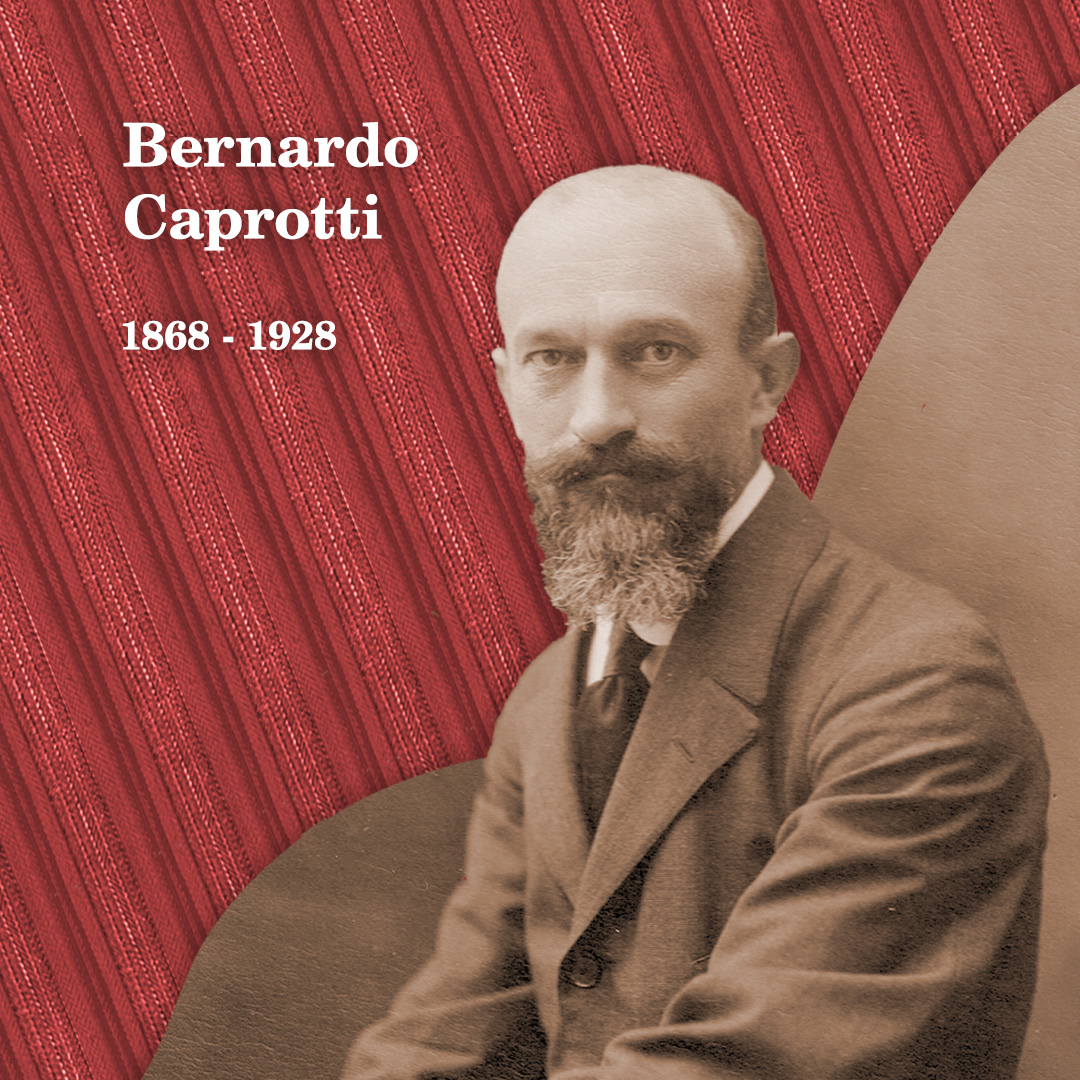
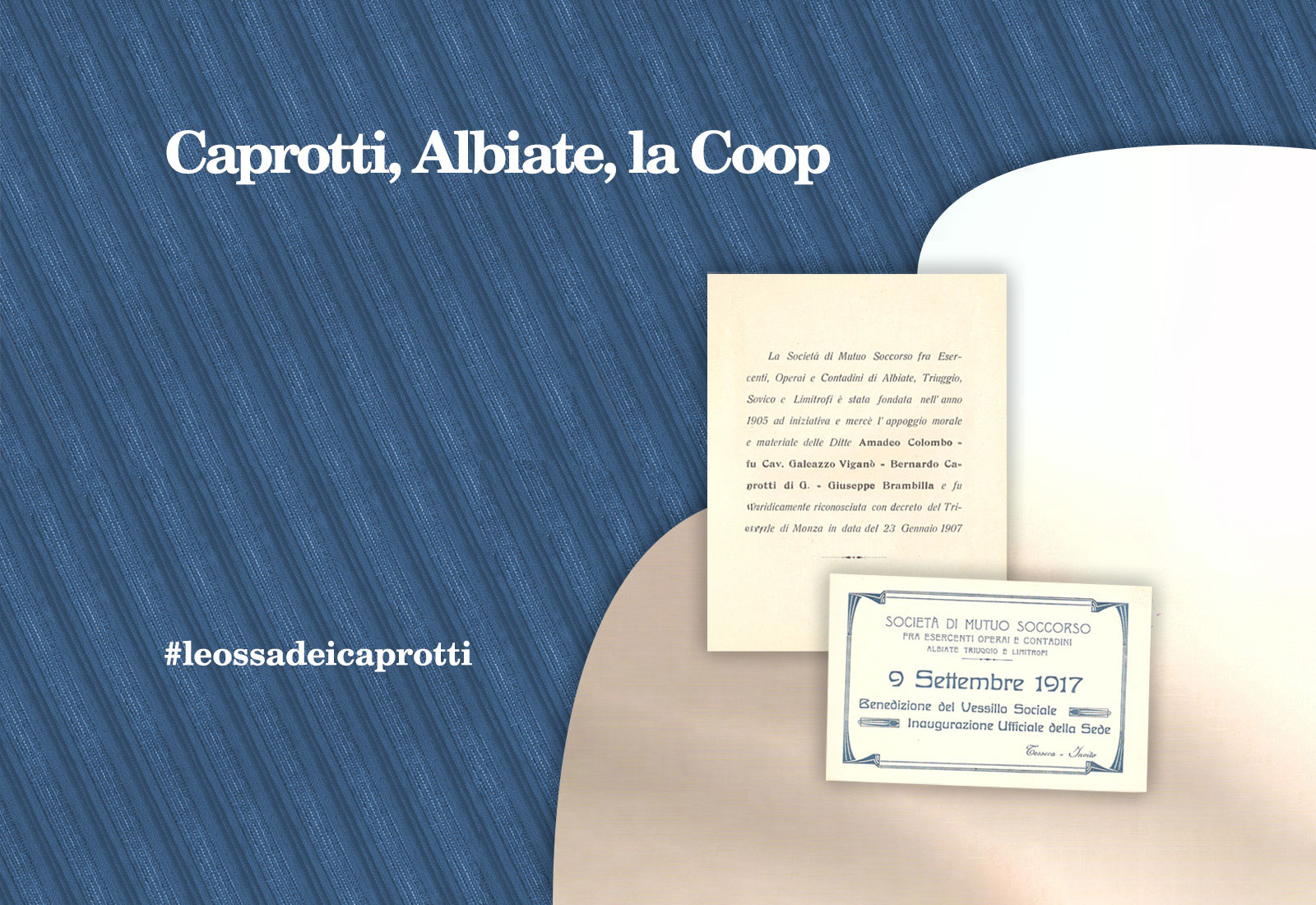
The Caprottis were certainly not well liked by the ecclesiastical side, due to their strong republican ancestry, but above all because of their intolerance for religion and especially its practices, which they felt got in the way of their economic conscience, all aimed at profit, creating annoying conflicts; Carlo even wrote to his second sister, who had just become a nun, in 1869, prefixing his letter with a In the name of Mercury, the god of business and commerce, which is a whole programme (ROMANO, I Caprotti, p. 238). But despite this intolerance, in that difficult period the Caprottis placed themselves in the Catholic tradition that taught obedience to authority, respect for private property, order and discipline, all of which they respected greatly. In the years in which the ‘Italian Cooperative Confederation’ was founded (1919 – 1921), the first Italian association of Catholic inspiration that is still active today, Bernardo Caprotti, Peppino’s father, founded the ‘Società Mutua Cooperativa di Consumo’ with Galeazzo Viganò and some technicians and workers from their respective factories, to lower prices and allow members to buy basic necessities at the right price. Later, even though trade union struggles took hold at Caprotti, as in all factories, the Catholic matrix and strong attachment to tradition remained.
Sources:
F. MILANESE, Albiatum, reprinted by “I quaderni albiatesi de ‘Il Cittadino della domenica’, n. 35”, Albiate 1989.
La storia di Confcooperative, pamphlet edited by Confcooperative, s.d.