The approach to organic takes place in several stages:
- In the early 1990s, third-party organic products are incorporated into Esselunga;
- In 1995 ‘Naturama’ productsare launched;
- In 1998, fair trade products are introduced;
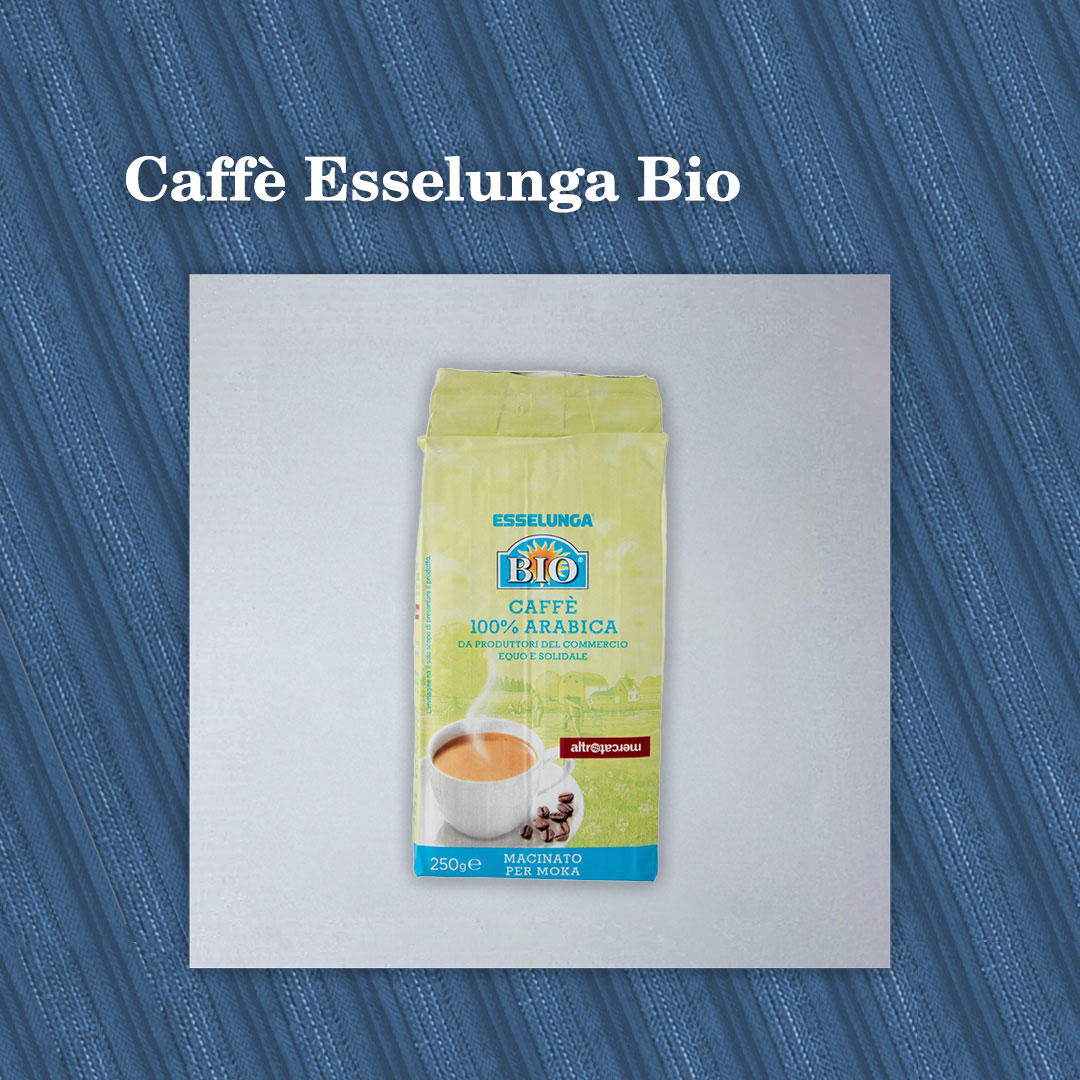
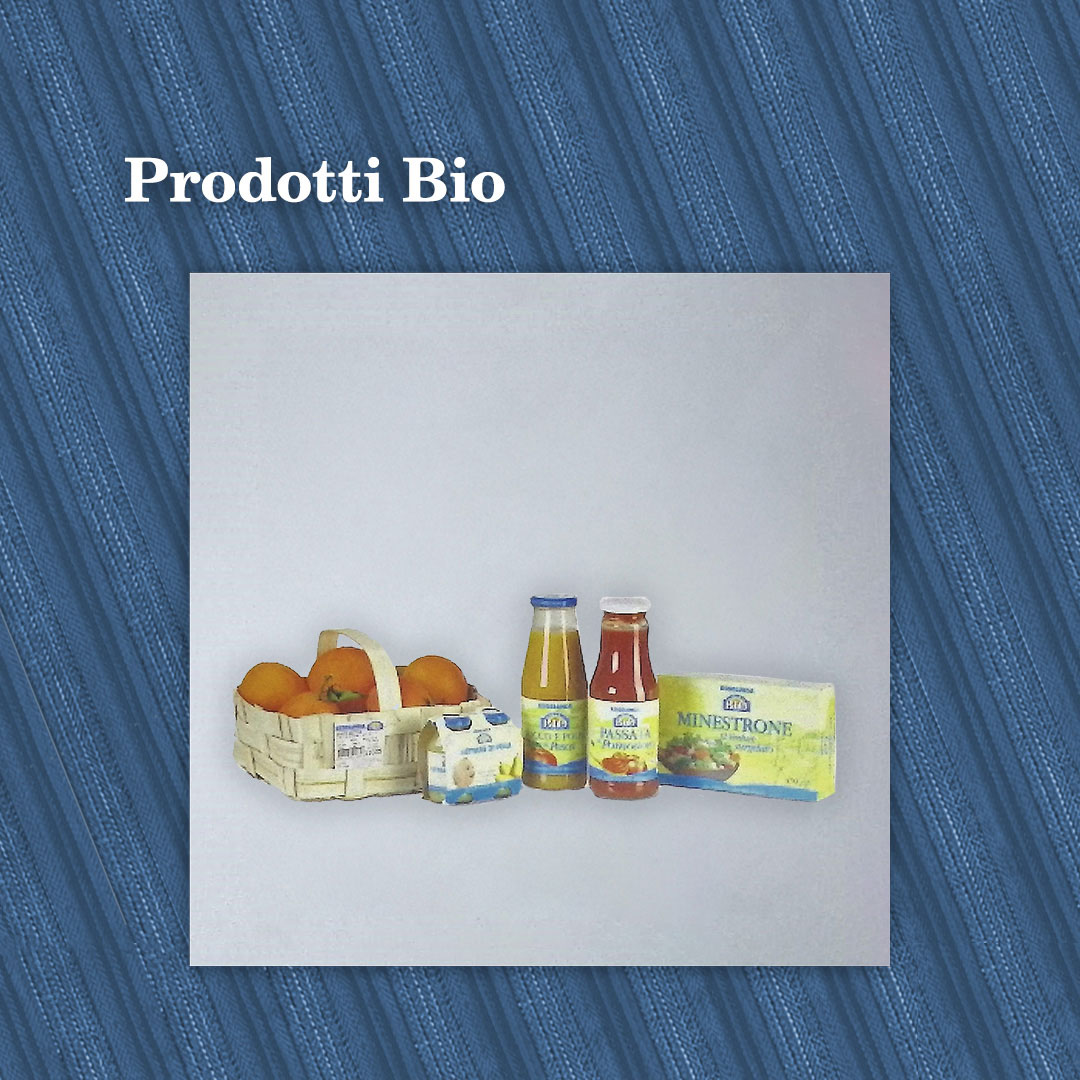
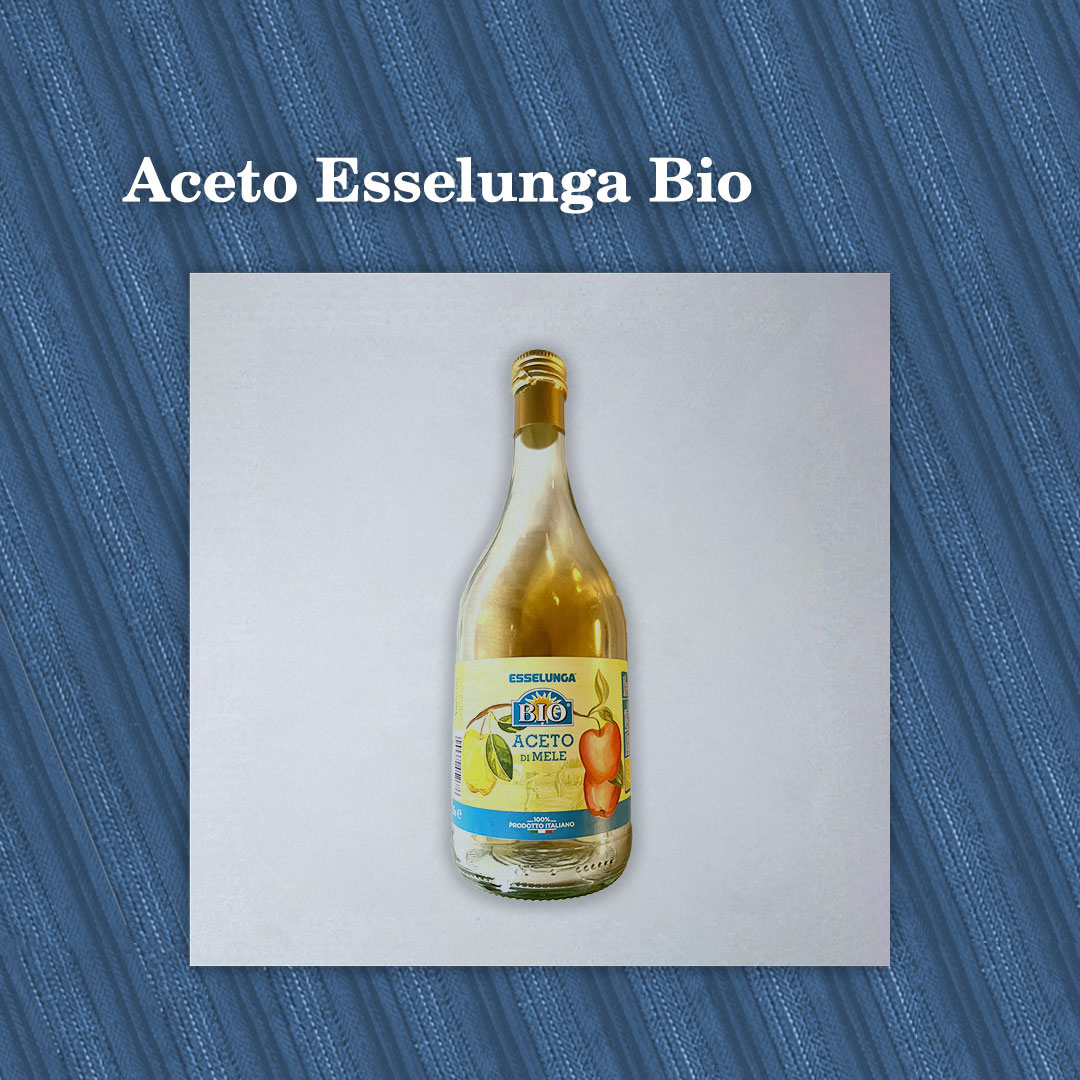
- 1999 saw the launch of ‘Esselunga Bio’ products. Some are produced directly by Esselunga;
- In 2001 the first products with the Ecolabel ‘For those who love nature’ are launched;
- In 2002 ‘Esselunga Bio’ fair trade products are launched.
“Ever since I had taken my first steps in the company I used to discuss organic food with our father, in the kitchen at home, always in a sterile manner.” (p. 185) But the constant food crises of the 1990s, from ‘mad cow disease’ to dioxin-tainted chicken, give us a big hand in introducing organic products into the supermarket assortment. “With the launch of organic we also achieve a second goal: the most fierce of our competitors, Coop, often boasts at conferences and to the press of its left-wing, ethical policies that they will have private-label organic products in the future. So we burn it in time, going on the shelves with organic when they still only talk about it. (…) organic proves to be a very powerful tool at a very difficult time for large retailers.” (pp. 185-188).
The introduction of organic, with the consequent recall of the ‘Naturama’ brand and the complete reorganisation of the private label was indeed an adventure, born during a long car journey in February 1999 in which, in addition to myself who was then sales director, Gaetano Puglisi, my purchasing director, quality assurance director Claudio Arnoldi and senior food buyer Alberto Bianchi were present. Among other things, the talk focused on how customers, with whom everyone is in constant contact, are constantly expressing concerns about what they are eating. It is a time of economic recovery, discounters are declining and ordinary people are starting to worry about wellness and health. I launch the idea: let’s create a complete line of organic products under our own brand, encompassing as many product families as possible and giving them the guarantee and credibility of a retail brand that makes quality one of its most valuable assets.
A discussion ensues because, if the idea is good, the problems are innumerable; in the end the two directors agree, but with two unavoidable premises: the purchasing director sets as a basis that organic products are first of all better than the others, and then organic; the quality director obtains that all batches of products put on sale pass a preliminary examination that verifies their absence of pesticides.
When it comes to the not insignificant question of how to distinguish organic from other branded products, I come up with a pure strategy classification:

*Private Label, Private Brands
Back at the company, a team is formed to plan the launch project, decide the date and, above all, choose to proceed ‘lights out’, i.e. only those directly in charge would have the overall vision but each would work with individual category buyers (and related suppliers) to launch many specific products.
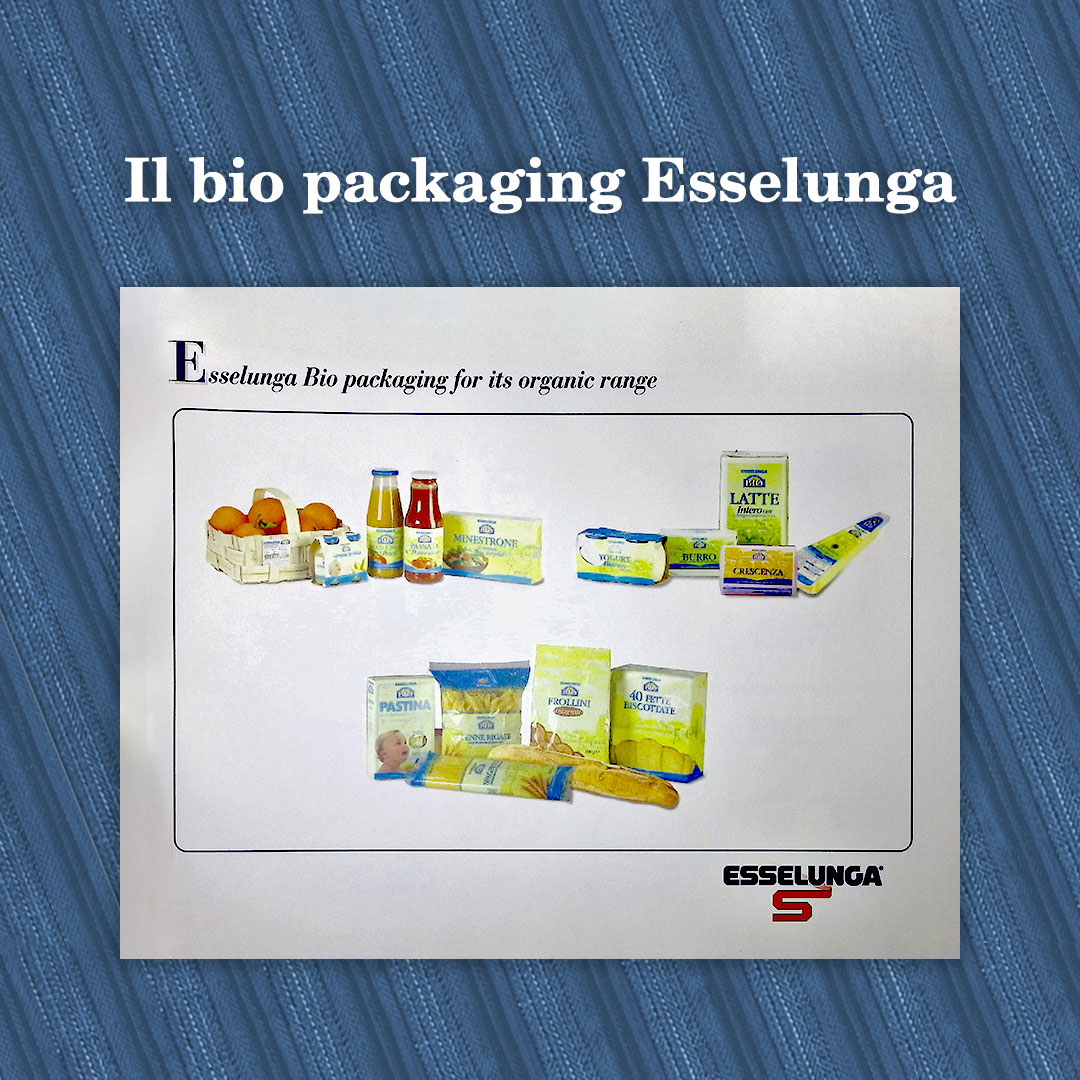
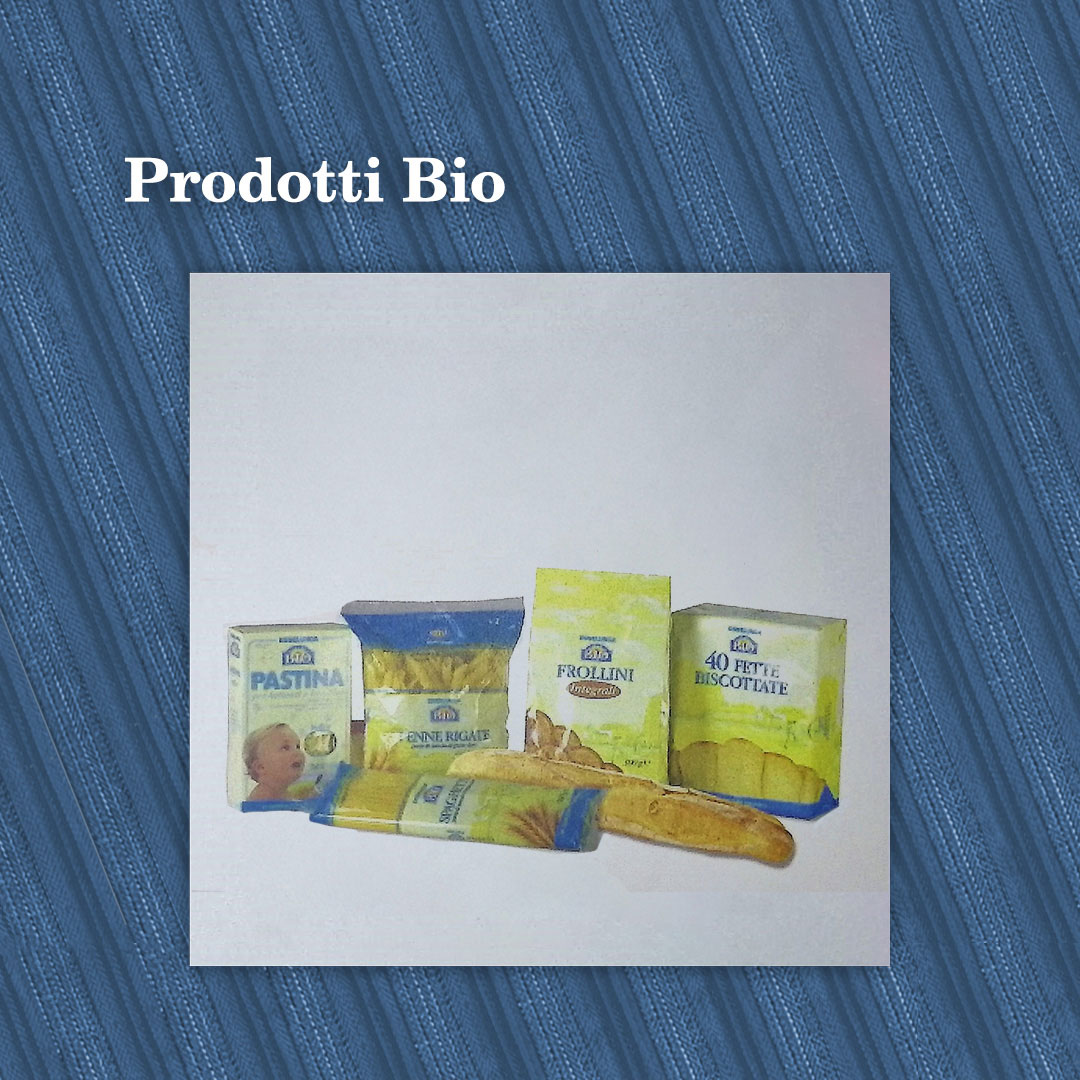
The saying was very good and very clear, the doing a no small challenge and with an ambitious objective: to launch within 7 months a complete line of over 100 references that would arrive on the shelves at the same time (some would then also be produced in-house in the Limito (MI) and Florence factories).
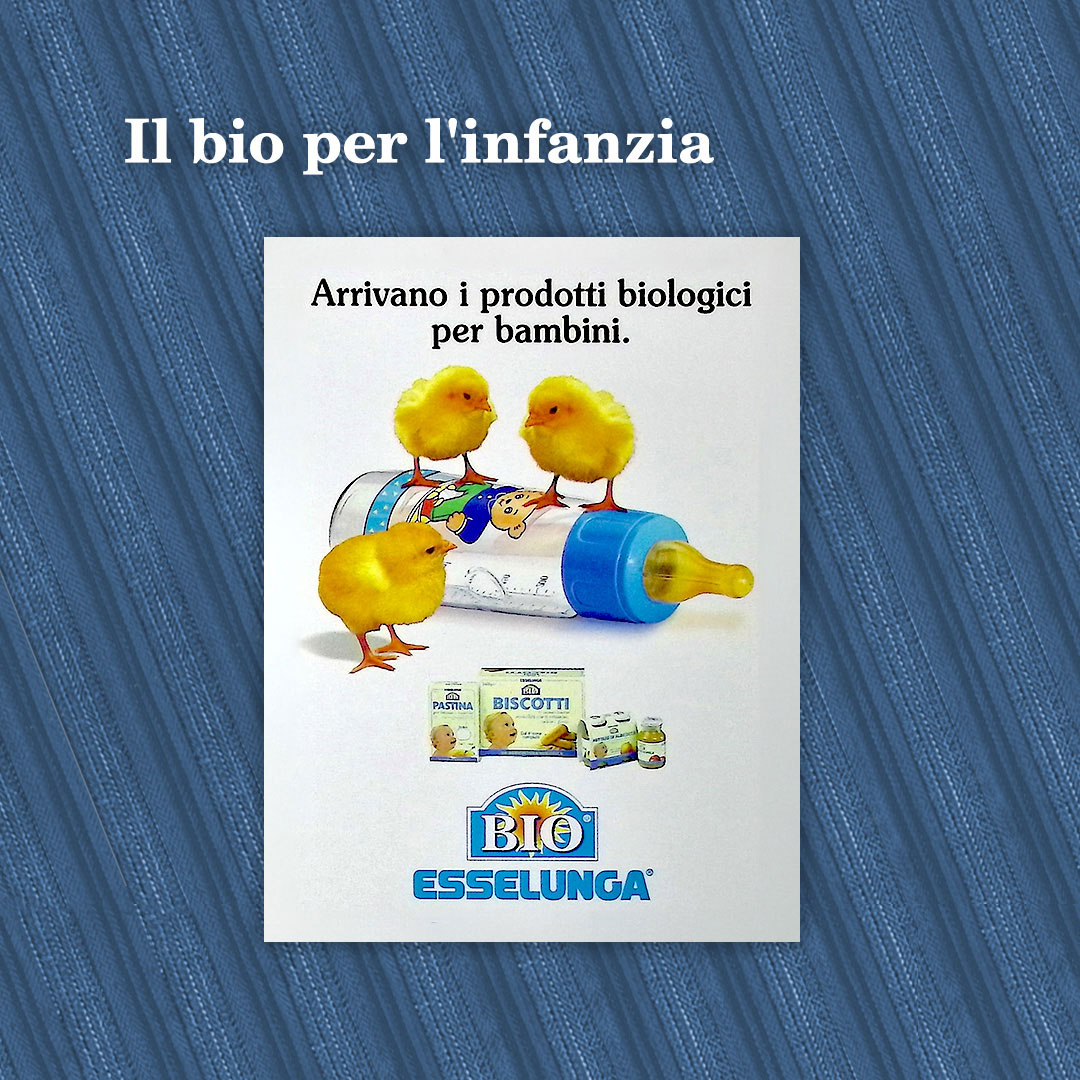
The product formulations were decided (i.e. the ingredients needed to make it even better than the best already on the market), the packaging (i.e. the wrapping), the price, the communication plan (advertising with the chickens announcing the birth of the new line with their bio bio), the shelf positioning (it was decided to position the products in their respective categories, leaving them to fight with conventional brands), the promotional plan, with the distribution of small packages to be tasted on the spot or at home.
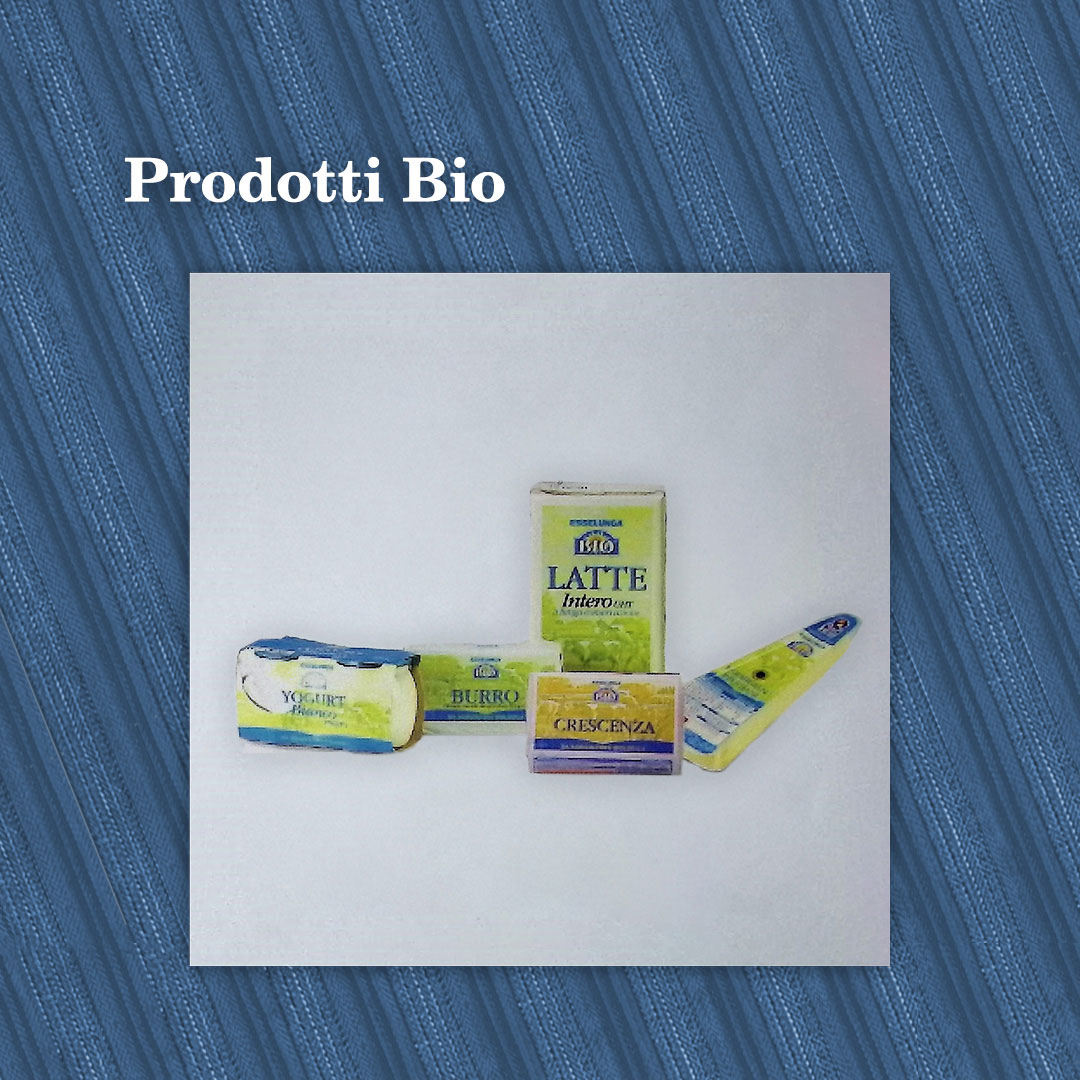
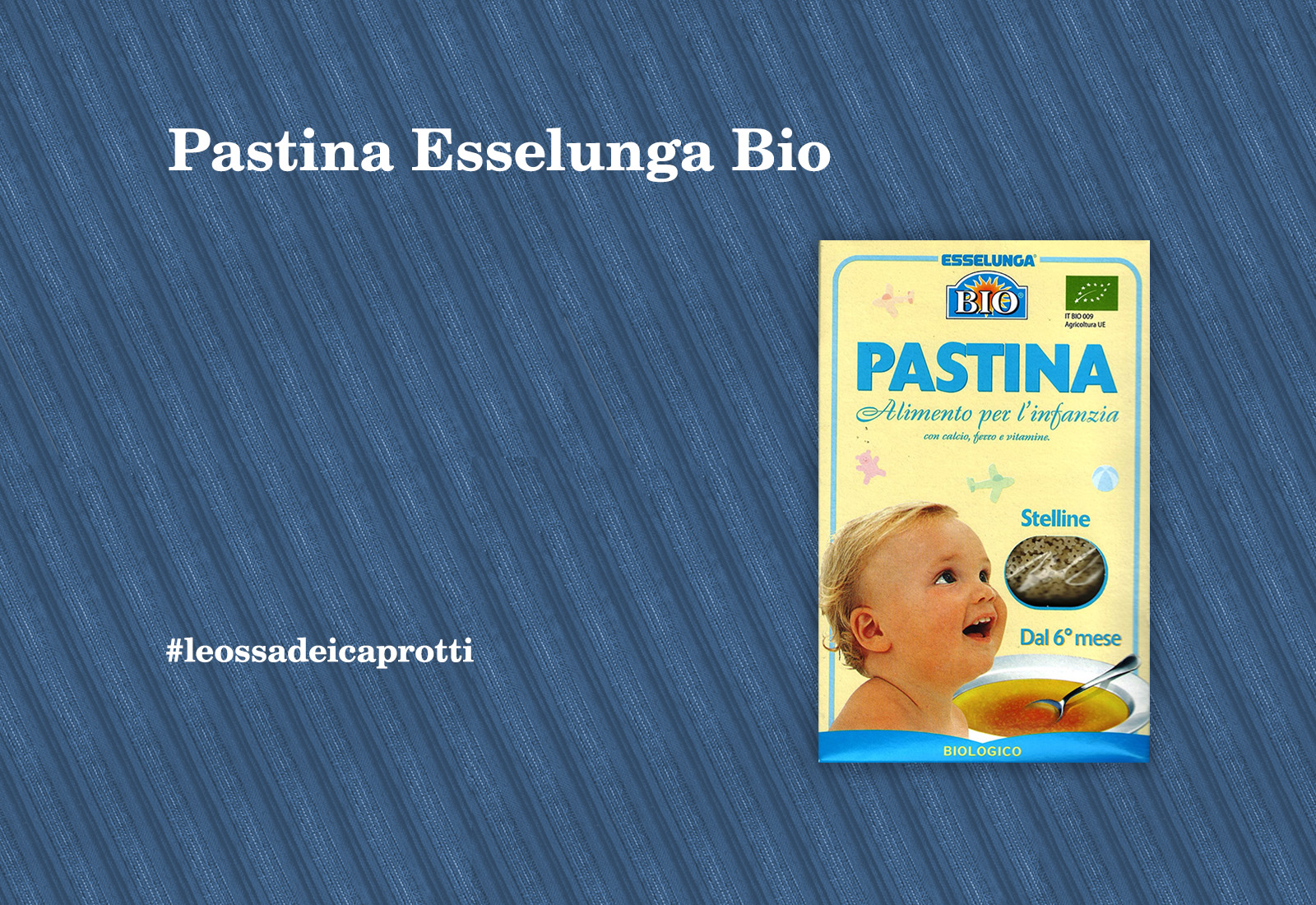
It worked, albeit with inevitable criticism, disappointment, mishaps and controversy. It also worked because Esselunga enriched its organic products with three ‘pearls’ of extraordinary novelty: the children’s line (pasta, baby food, juices), formulated with the help of the Presidio Ospedaliero Macedonio Melloni in Milan and the first of its kind in Italy; organic fresh milk, which had to face opposition from a powerful lobby that had always prevented competition; the flanking of the organic logo of some products (coffee, sugar, bananas, cocoa) with that of Fair Trade in collaboration with Ctm Altromercato, clearly telling customers that even in the choice of supplier one could help small producers in developing countries, guaranteeing them work without exploitation and an adequate income, instead of resorting to large multinationals.
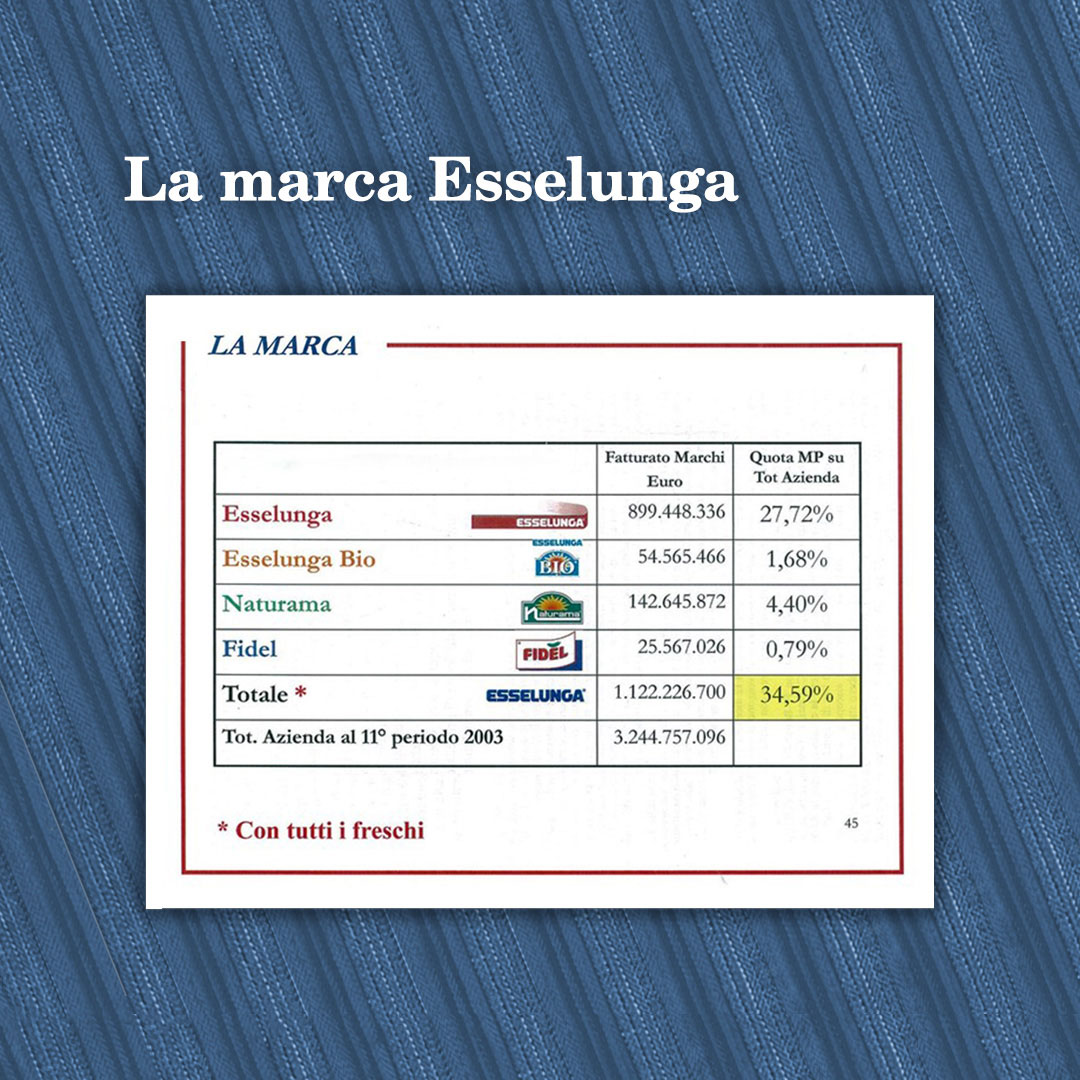
The numbers speak for themselves:
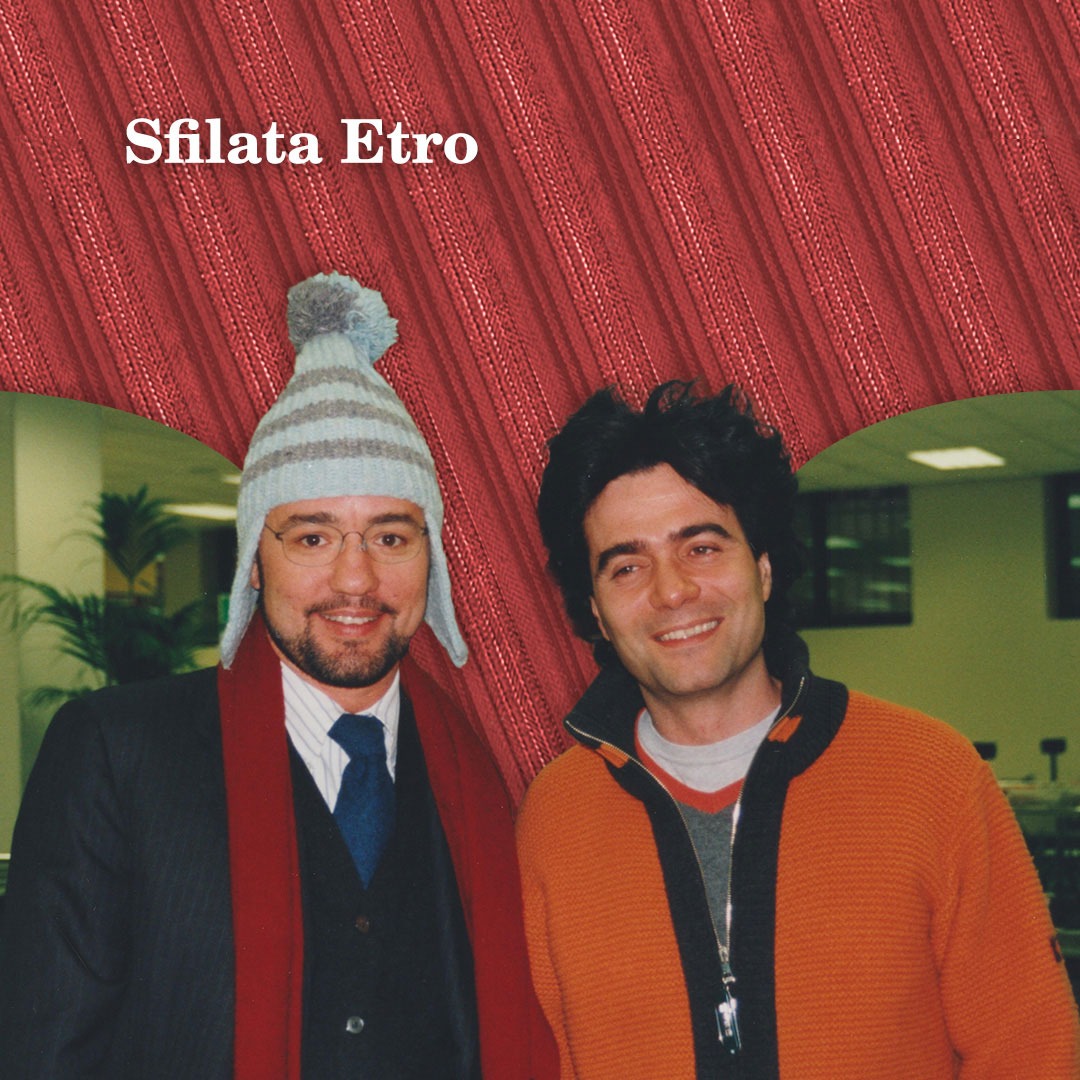
Our innovative efforts also attracted the attention of fashion: in January 2001, Kean Etro decided to hold the fashion show presenting his collection of totally organic knitwear on the shelves of the Esselunga in Via Washington, calling it the ‘Supper Market of style’.