“The ‘non-food’, as we call it, will come to occupy 50 per cent of the surface area of the large Esselunga shops. (…)”. (p. 144).
Everything that is not food’ also included textiles: underwear, household linen, seasonal products such as beach towels. It was a revolution in the way sales were conceived in the Italian large-scale retail trade, which went hand in hand with the other revolution that had taken place in ‘food’, namely the introduction of a wide-ranging line of organic products, from baby food to jam, from tomato puree to certified vegetables.
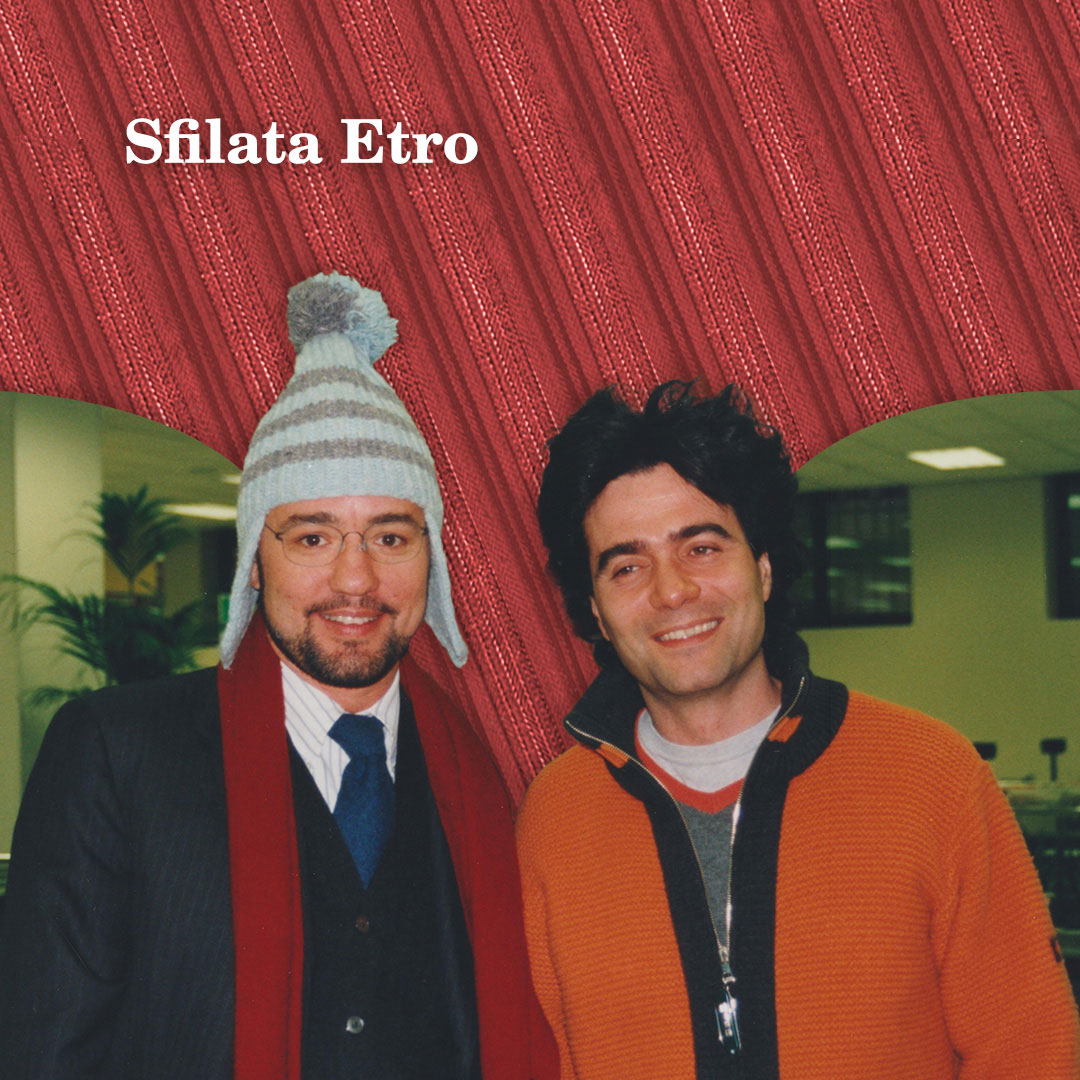
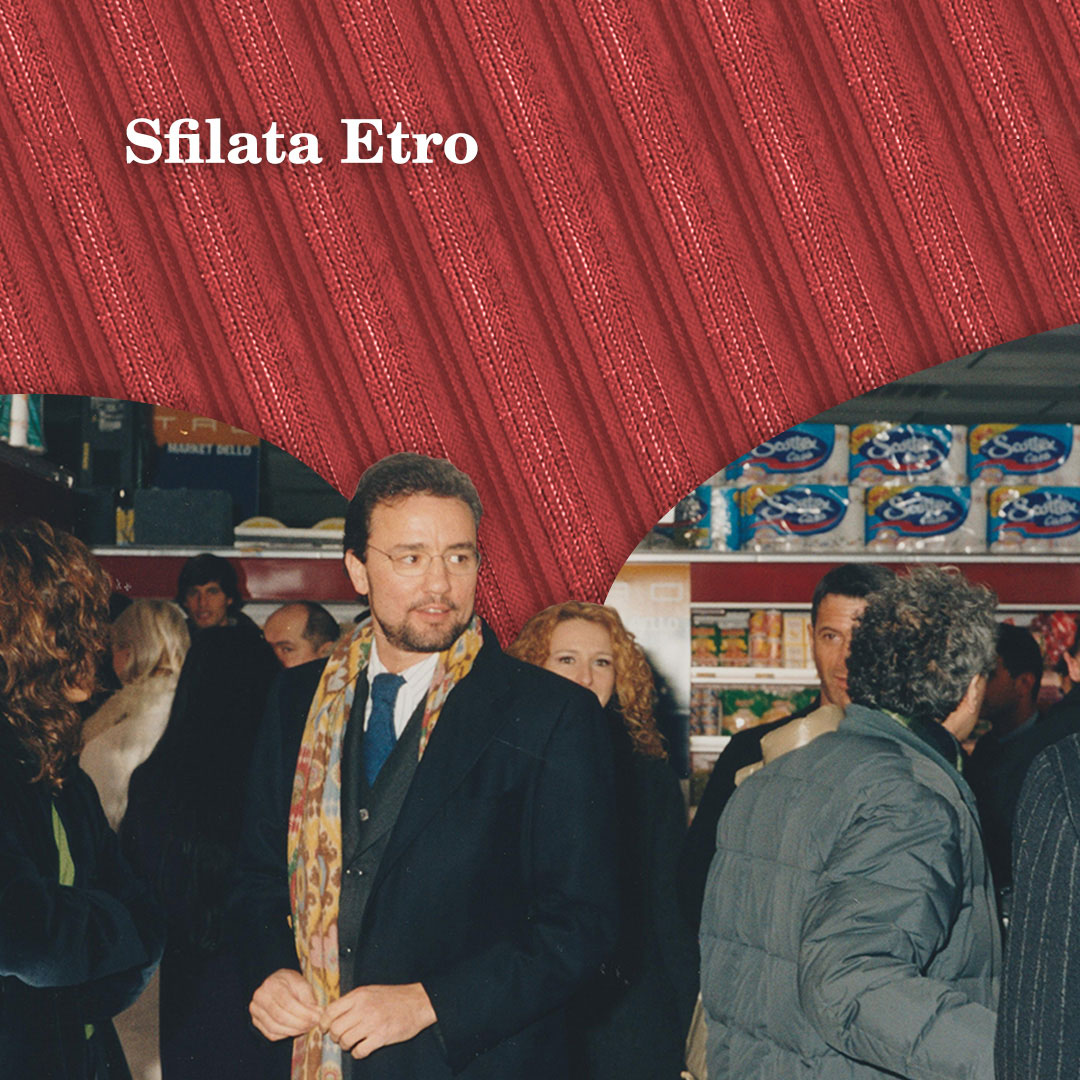
It was an absolute novelty, and the ‘non-food’ – organic combination attracted the attention of Kean Etro, second son of the large family of one of Italy’s leading fashion houses. Always interested in ecology and sustainability, which to this day are a real commitment for him and lead him to constantly experiment with new fabrics made from the most unthinkable materials, in 2001 ‘he wandered around presenting his collection of plant-dyed cotton sweaters among the stalls of the very first organic products. ‘No one considered us. In fact they took us for fools. Then the organic line is still there (…) and here we are, today, talking about it. (…)’ “.
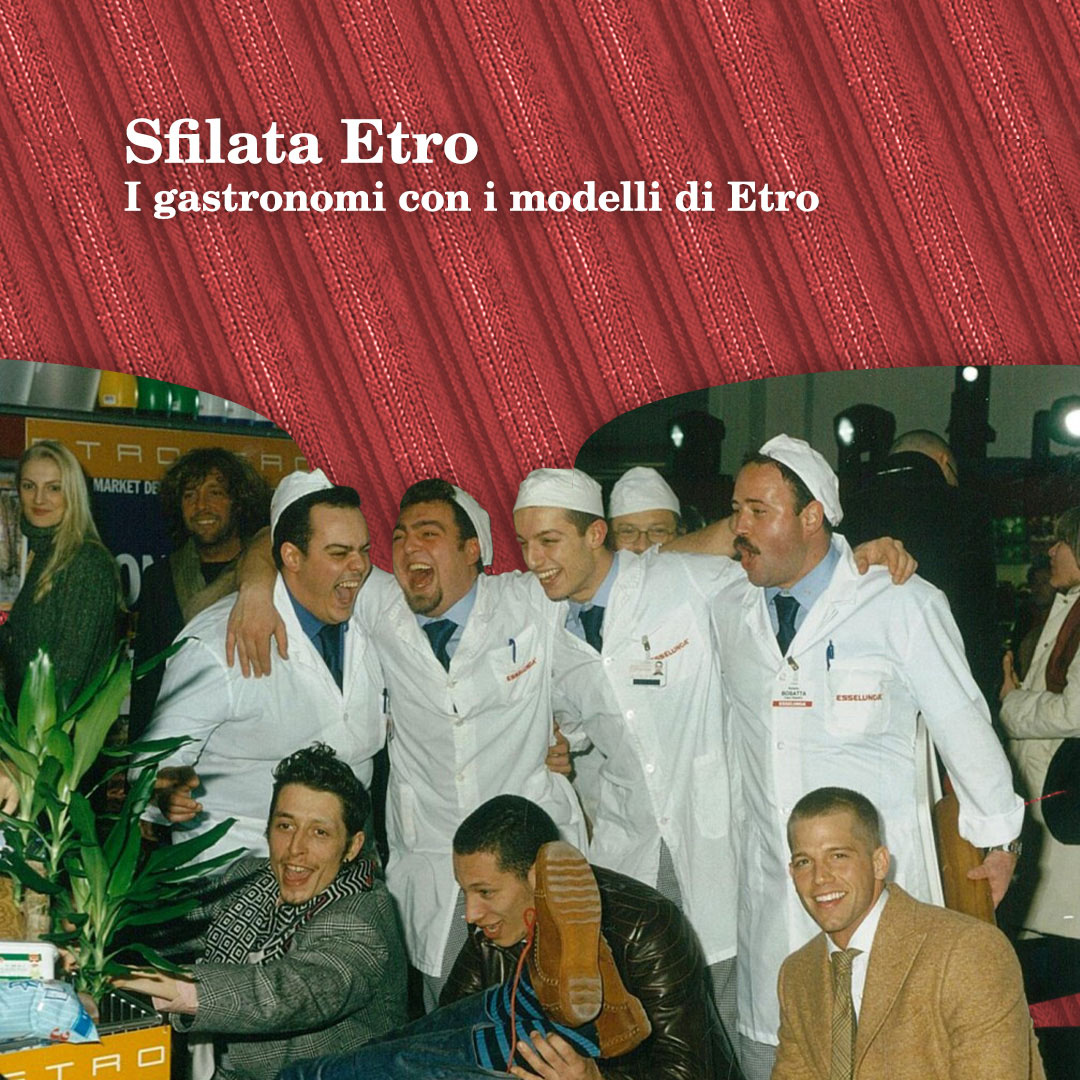
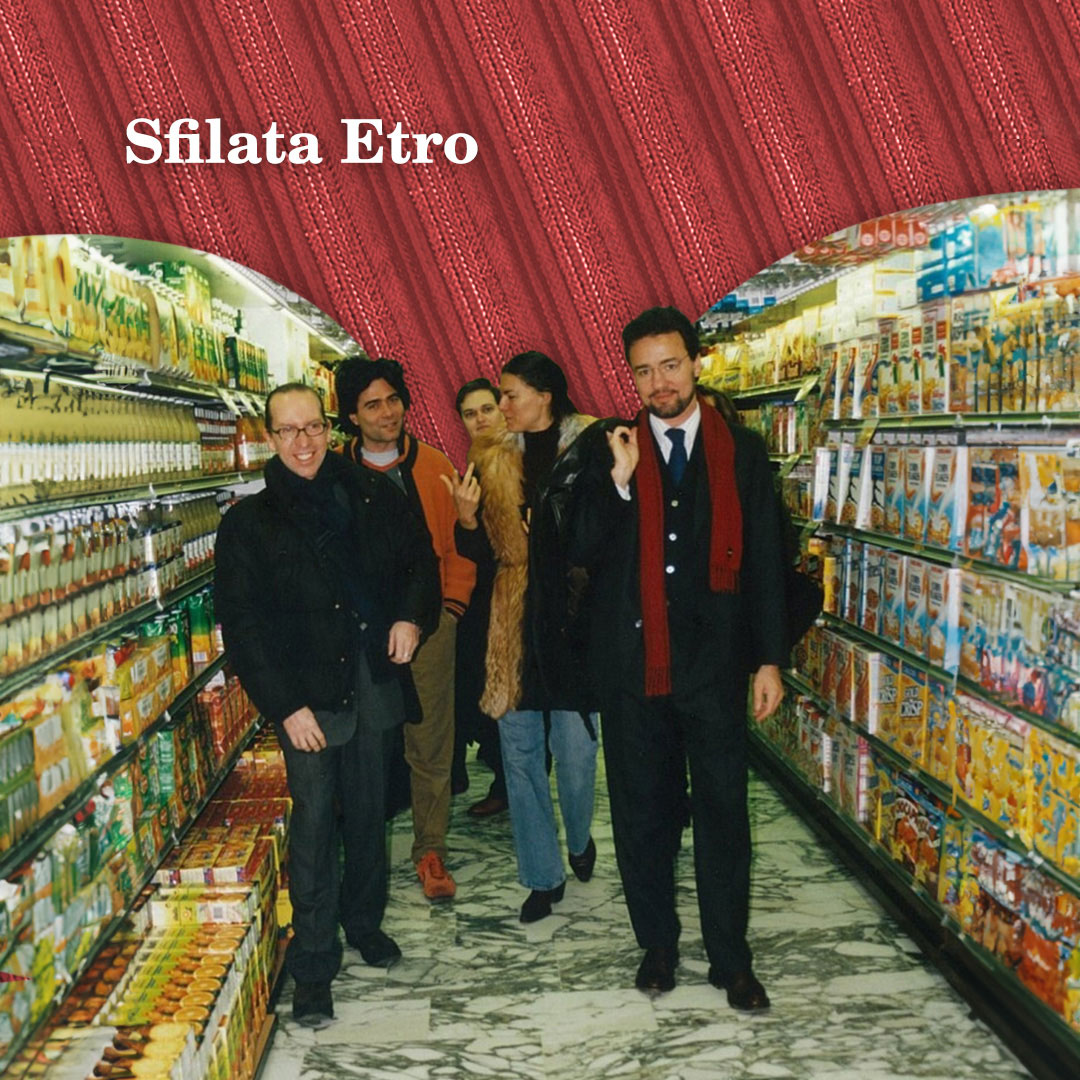
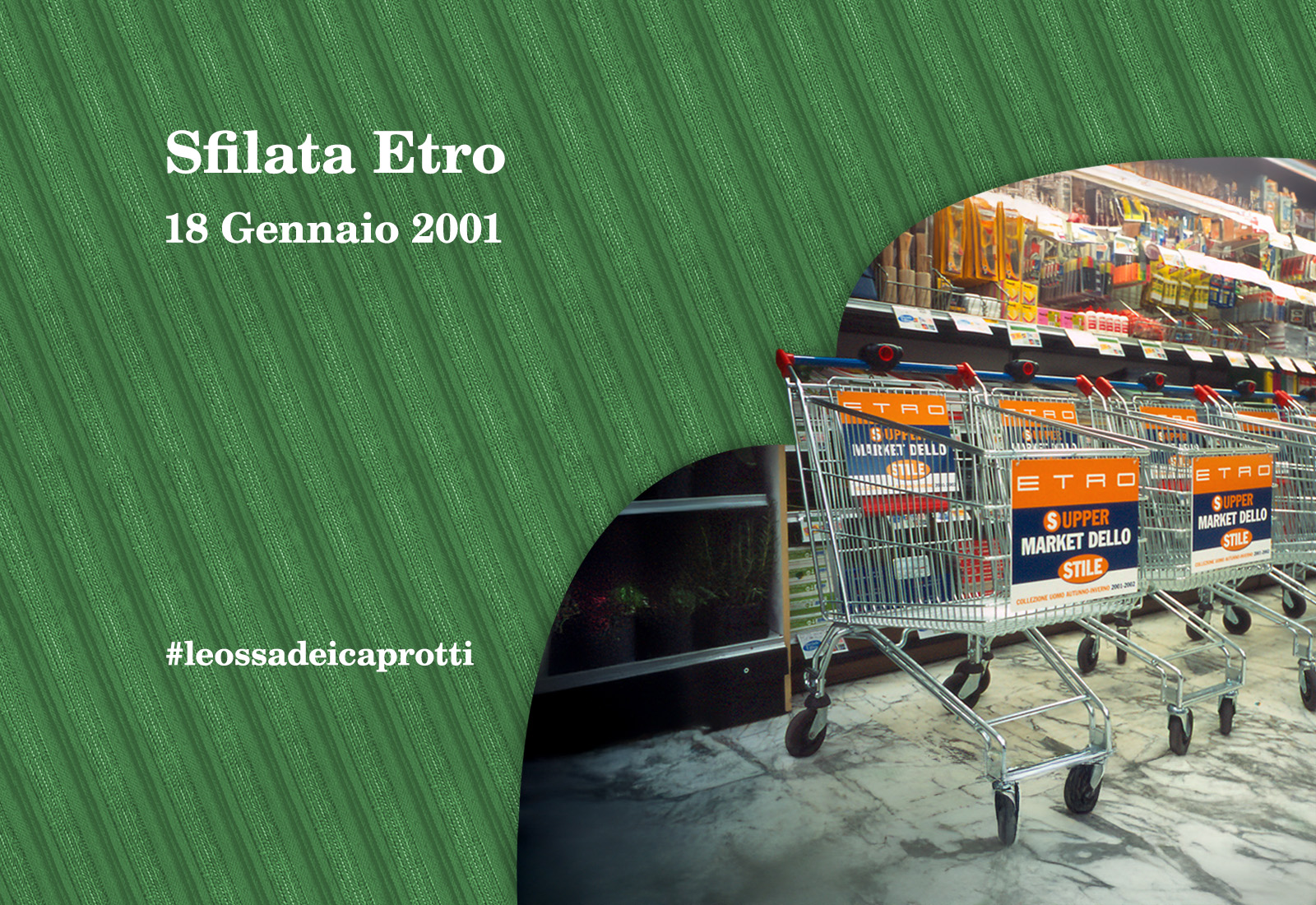
Even if the event was not given particular emphasis, the news appeared on all the television news programmes, and the result was very positive publicity for Esselunga and its new ideas, conveyed by a colourful parade of models doing their shopping using the ingenious ‘fashion show’ trolleys designed by Etro, in a certainly cheerful atmosphere, as shown by the beautiful image of some of the models posing with the staff in the food department.
My father didn’t know about it because I was afraid he didn’t approve of it. He heard about it by turning on the television but did not protest too much, he realised it was all positive publicity for Esselungaand the Esselunga Bio brand, launched two years earlier.
In 2014, Chanel, directed by Karl Lagerfeld, also paraded its models between the shelves of a supermarket at the Grand Palais in Paris. Only the supermarket was fake.