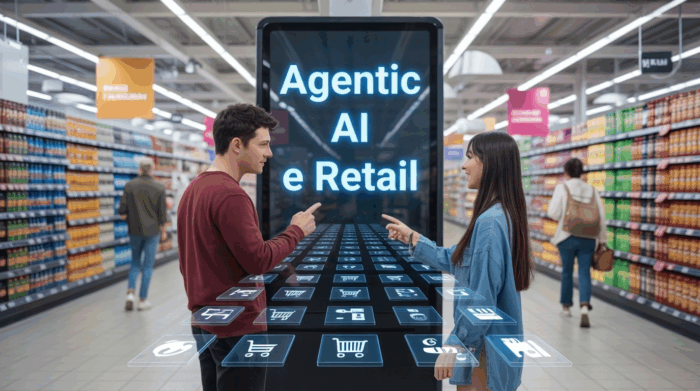
AI Agents in Retail: the silent revolution in large-scale retail

McKinsey estimates that retailers with autonomous AI systems are growing 50 per cent faster than competitors. Cognizant projects $4.4 trillion in additional spending over the next five years from customers embracing AI. Agents are not an investment in the future of retail, they are already the present, and those who delay to act today risk having to make up for a hard-to-fill disadvantage tomorrow

Giorgia Meloni and Coldiretti put the brakes on the development of solar energy in Italy

The government, on energy, is in a huge conflict of interest, which is why prices do not fall: Snam, Italgas and Terna beat Microsoft, Alphabet (Google) and Meta (Facebook). Italy’s publicly controlled companies that transport or distribute gas and electricity to citizens and businesses are more profitable than some of the world’s largest, most technologically advanced and important companies in the business of the future: cloud, data centres and artificial intelligence. In short, Big Energy beats Big Tech

How Walmart became an advertising powerhouse while remaining focused on the food, non-food and e-commerce business

It is a pity that no Italian company has had the size but above all the vision to approach the world as these giants have done. In Italy everyone thought: e-commerce must be sustainable on its own. It happened to Esselunga at home until it had no rivals, but Amazon and Walmart disprove this vision. E-commerce is sustained by other, more profitable revenues

Why the future of ecommerce – and more – comes from China

And as we write, 98% of 88VIP customers in China are already deciding where to spend their next money. WeChat knows where and when. Alipay knows the optimal pricing. The advertising system knows which message is most effective for that person, at that time, on that category. Europe is still debating whether GDPR allows data sharing.

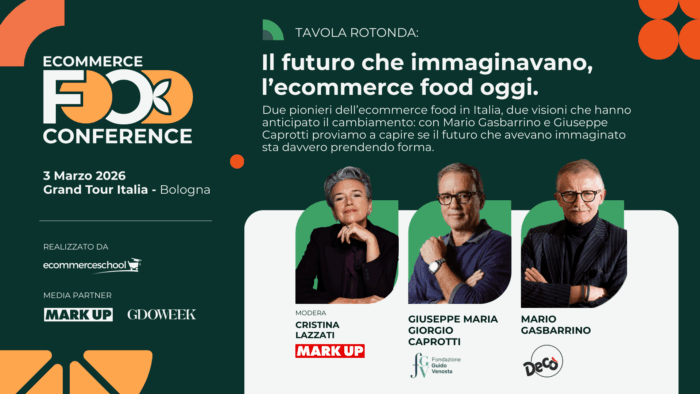
The video of ‘The future they imagined, eCommerce food today’

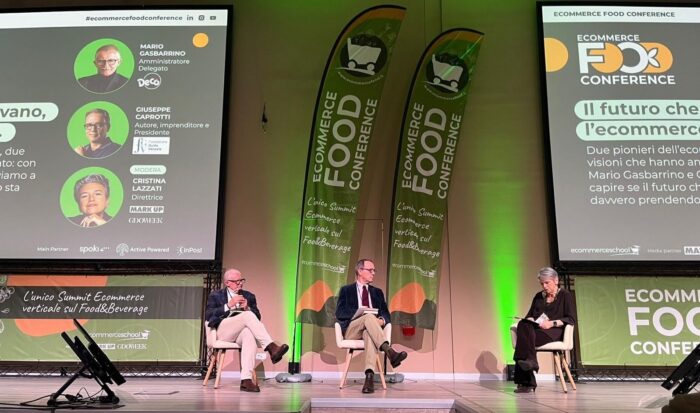
Today, eCommerce food & grocery, although still representing a limited share of the overall turnover of food distribution, has in several cases reached economically sustainable models. This topic was discussed at the eCommerce Food Conference during a round table discussion between Giuseppe Caprotti and Mario Gasbarrino, two historical protagonists of Italian large-scale retail, moderated by Cristina Lazzati, director of Mark Up and Gdoweek

Food, environment and health: what could happen with the Mercosur-EU agreement

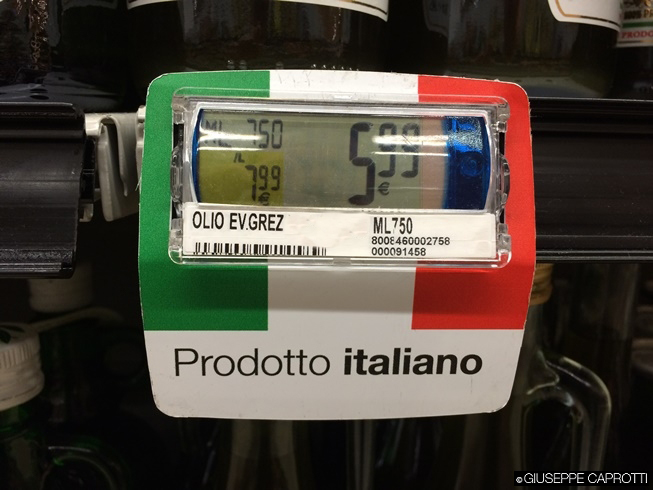
Mercosur: it is obvious that the ‘invasion’ risk of uncontrolled products, without the safeguard clauses, is likely to exacerbate the risks to our health. But the real problem is that in the European Union there are ‘derogation’ authorisations that allow prohibited substances to be used by member countries to compete unfairly with their neighbours. So before lashing out at Mercosur, perhaps we need to put things in order in Europe