Ahold Delhaize: e-commerce and customisation
Profitable, double-digit growth E-commerce and 14 billion customisation in marketing: a recipe to admire and copy


Profitable, double-digit growth E-commerce and 14 billion customisation in marketing: a recipe to admire and copy
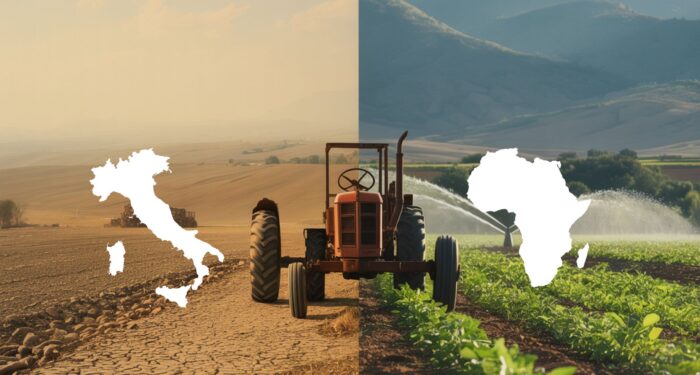
The objectives of the Mattei plan are unclear and the risk of an autogoal on Italian agriculture is possible
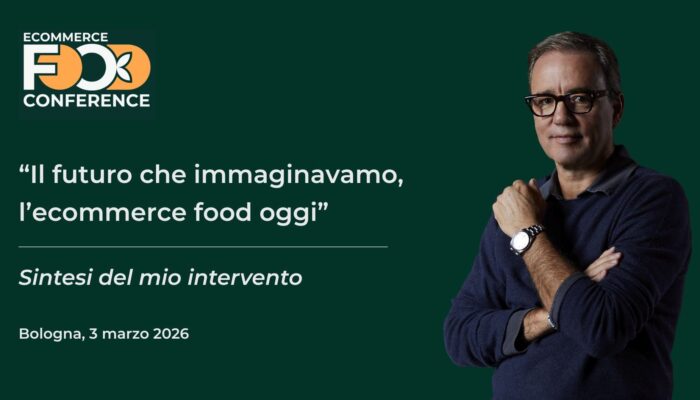
E-commerce sustainability, personalisation and AI. The European GDPR should not be an excuse, Mario Gasbarrino: ‘if you want to commit suicide, don’t do e-commerce’. And Marco Biasin: ‘we need a single database’

This new shock, after the inflationary shock caused by the attack on Ukraine, in addition to triggering a humanitarian cause, risks creating political extremism and new waves of migration towards Europe. It obviously adds to the short-sighted suspension of the dismantling of Usaid
Joybuy can rely on the company’s own logistics, which include several warehouses in the UK, France, Germany, Belgium, the Netherlands and Luxembourg… This facilitates same-day delivery to a limited number of regions within these countries, where orders placed before 11am will arrive by 11pm…
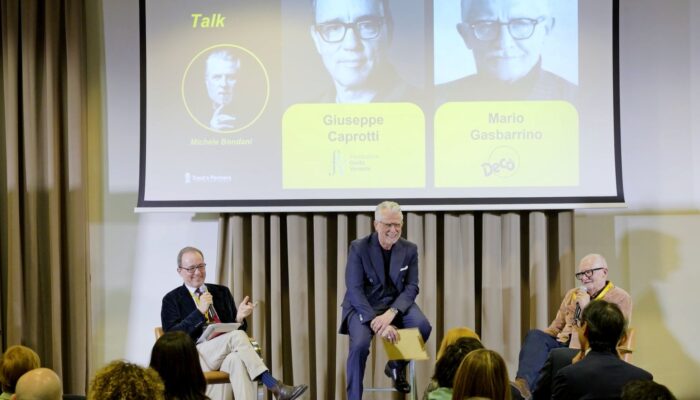
The video of the event ‘MDD Strategies and Market – IDM’ – Factory Positioning on 18 March 2026
Nutraceuticals and cosmetics certainly have it easier because they have more sophisticated channels. Retail is struggling because it is more conservative and until now had not felt the need to personalise its service and offers

What will we read about in your new book? ‘I tell another side of the family through two extraordinary explorers: my eponymous ancestor Giuseppe Caprotti, who lived thirty years in Yemen, and my great uncle Gianni Albertini, a skier and mountaineer who explored the North Pole’.
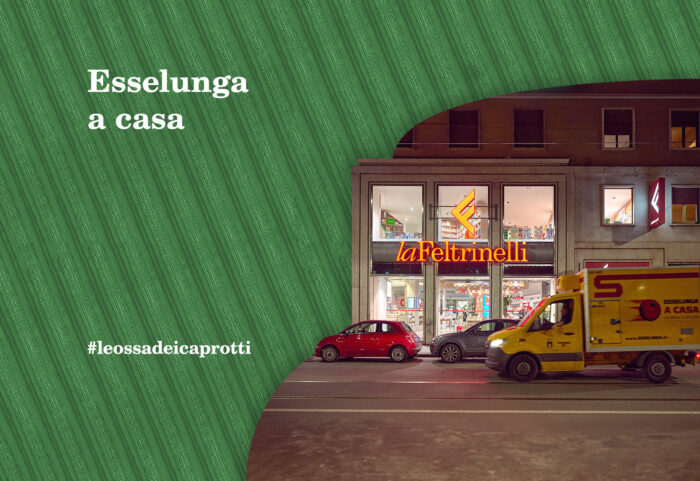
In 2013 Esselunga a Casa had a gross profit – before tax – of 7.9%. This is discussed in ‘Le Ossa dei Caprotti’
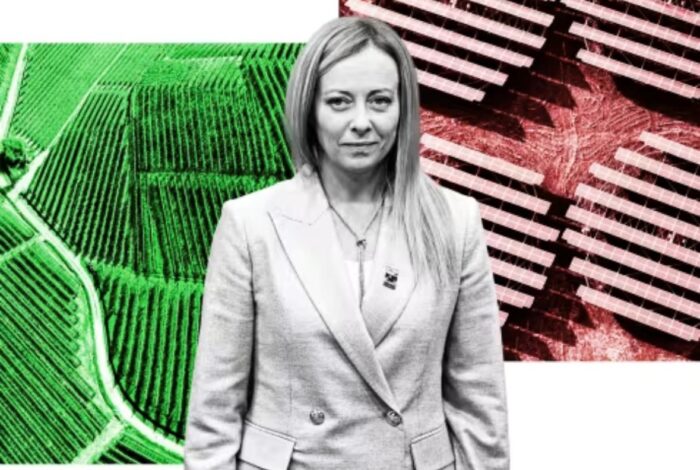
The government, on energy, is in a huge conflict of interest, which is why prices do not fall: Snam, Italgas and Terna beat Microsoft, Alphabet (Google) and Meta (Facebook). Italy’s publicly controlled companies that transport or distribute gas and electricity to citizens and businesses are more profitable than some of the world’s largest, most technologically advanced and important companies in the business of the future: cloud, data centres and artificial intelligence. In short, Big Energy beats Big Tech

“If the situation continues, consumers could see higher prices for bread within six to ten weeks, for eggs within a few months, and for pork and broiler chicken within six months, estimates Raj Patel, a food systems expert at the Lyndon B. Johnson School of Public Affairs.”
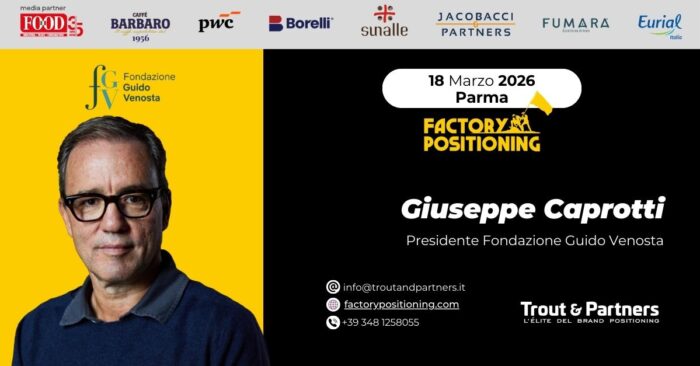
My speech will also start from some of my experiences at Esselunga, where for many years I worked on the development of projects that accompanied an important phase in the evolution of Italian distribution: the Superstores, the Fìdaty card, Esselunga at Home, the ESD purchasing centre, the development of organic products, together with the introduction of the company’s first social report. The aim, of course, is not to look back. Those experiences serve above all as a starting point to reflect on how distribution, the role of retailer brands and the relationship between industry and retail are changing today.
