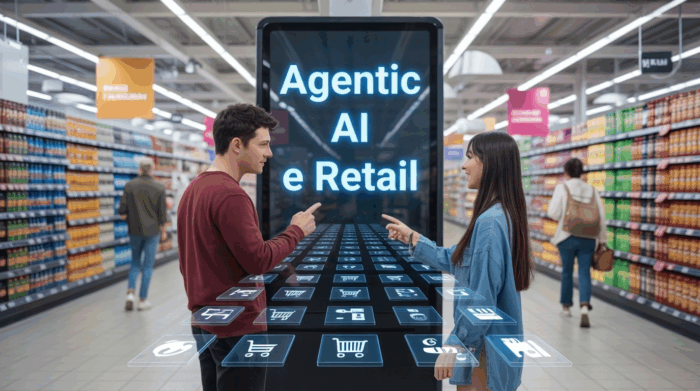
AI Agents in Retail: the silent revolution in large-scale retail

McKinsey estimates that retailers with autonomous AI systems are growing 50 per cent faster than competitors. Cognizant projects $4.4 trillion in additional spending over the next five years from customers embracing AI. Agents are not an investment in the future of retail, they are already the present, and those who delay to act today risk having to make up for a hard-to-fill disadvantage tomorrow
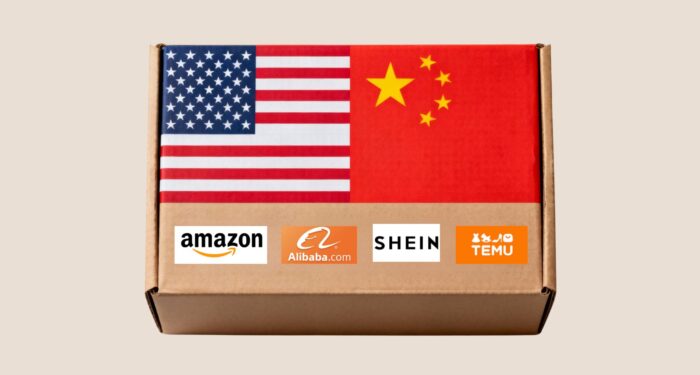
Why the future of ecommerce – and more – comes from China

And as we write, 98% of 88VIP customers in China are already deciding where to spend their next money. WeChat knows where and when. Alipay knows the optimal pricing. The advertising system knows which message is most effective for that person, at that time, on that category. Europe is still debating whether GDPR allows data sharing.

The video of ‘The future they imagined, eCommerce food today’

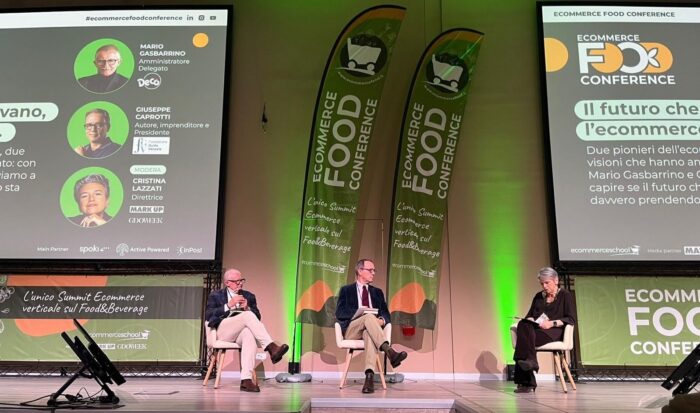
Today, eCommerce food & grocery, although still representing a limited share of the overall turnover of food distribution, has in several cases reached economically sustainable models. This topic was discussed at the eCommerce Food Conference during a round table discussion between Giuseppe Caprotti and Mario Gasbarrino, two historical protagonists of Italian large-scale retail, moderated by Cristina Lazzati, director of Mark Up and Gdoweek

Food, environment and health: what could happen with the Mercosur-EU agreement

Mercosur: it is obvious that the ‘invasion’ risk of uncontrolled products, without the safeguard clauses, is likely to exacerbate the risks to our health. But the real problem is that in the European Union there are ‘derogation’ authorisations that allow prohibited substances to be used by member countries to compete unfairly with their neighbours. So before lashing out at Mercosur, perhaps we need to put things in order in Europe

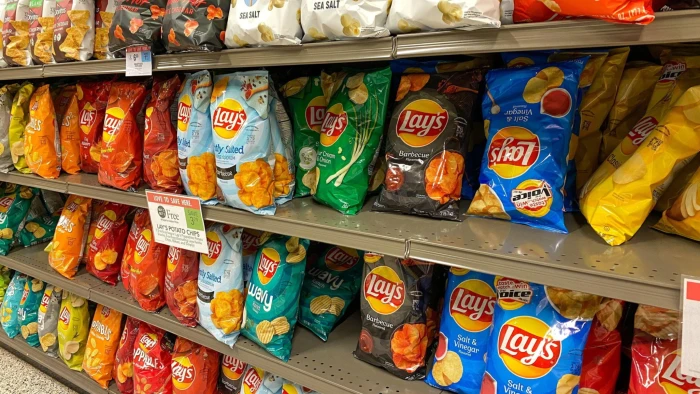
Is PepsiCo cutting the prices of its snacks by 15 per cent? That means its profit margins were too high (like many manufacturers)

The PepsiCo case confirms what was already known: many major brands have inflated their prices and margins in recent years. Not least because a 15 per cent drop suggests they had plenty of ‘room for manoeuvre’. PepsiCo was the world’s second-largest food producer in 2023, behind Nestlé and ahead of the Brazilian meat producer JBS.

Ferrero: the hazelnut policy in Piedmont is unsustainable for farmers and fails to promote Italian produce

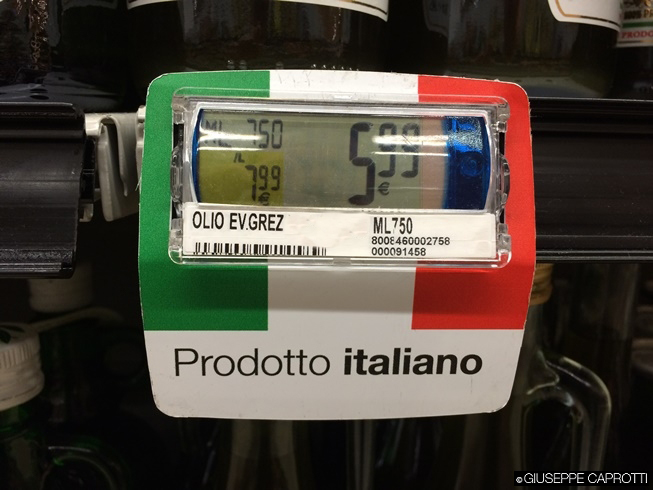
‘It is necessary to avoid using both imported hazelnuts and Piedmontese hazelnuts in the same product’. Ferrero could follow Barilla’s example – which sells pasta made from 100 per cent Italian wheat – and perhaps introduce a distinction between Italian and non-Italian products