… The fruit yield decreases and there is a shortage of oil
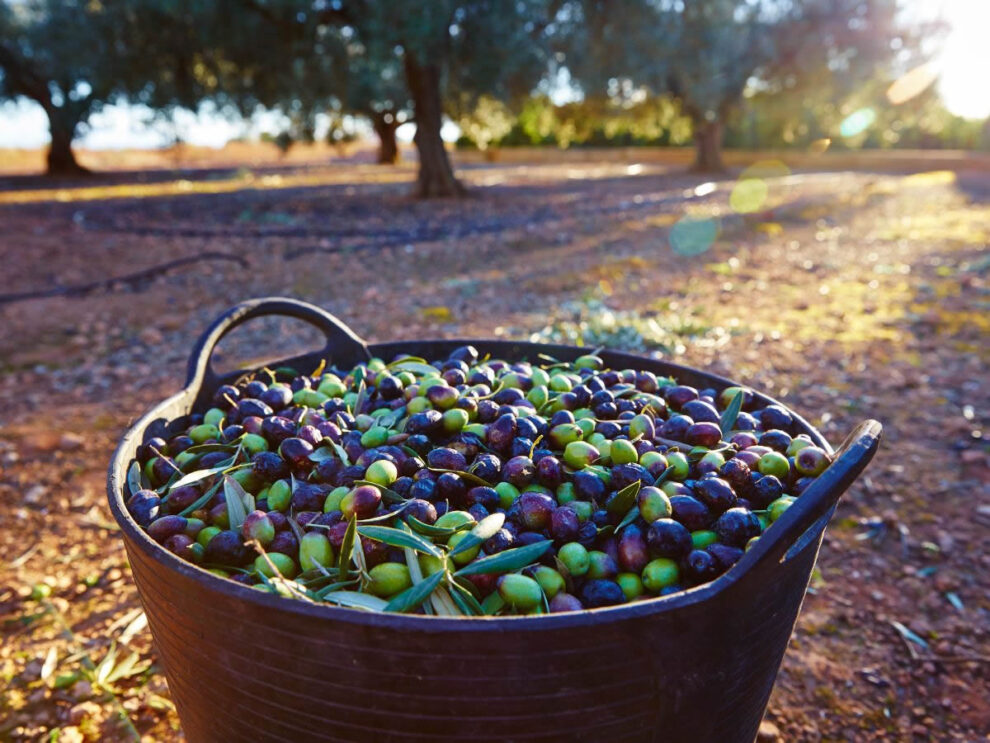
The first effect of excessive heat is evident in the fruit. When temperatures consistently exceed 25°C during the oil-accumulation phase – that is, between 60 and 120 days after flowering – the consequences are plain for all to see. The dry weight of the fruit decreases, the growth phase is shortened and the daily growth rate falls. In practice, the fruits ripen earlier but are smaller and lighter…
The heat also alters the ratio of pulp to stone, a ‘dilution’ effect that further reduces the oil concentration. In practice, the plant invests more energy in wood growth than in the accumulation of fatty substances, and this results in fruit with less oil and of lower quality.
The quality of the oil depends primarily on its fatty acid profile, and this is where the heat really takes its toll. Oleic acid, which should account for between 55 and 83 per cent of the oil to be considered high-quality extra virgin, decreases by 0.7 per cent for every additional degree of temperature. At the same time, palmitic and linoleic acids increase; in some hot regions of the world, these levels even exceed the limits set by the International Olive Council.