Written on 26 August, updated on 27 August 2026
This list, taken from Il Fatto Alimentare, surprised me with some species such asturbot and tuna, and complements this article and this piece on fish and shellfish.
Fish and shellfish farmed in Italy
The shellfish sector is highly developed in Italy, thanks to the presence of lagoon and coastal environments, where the various farmed species find the ideal habitat for growth:
- Mussel (Mytilus galloprovincialis), one of the most commonly farmed species in Italy, particularly along the Adriatic coast;
- The common clam (Ruditapes philippinarum), farmed mainly in lagoons and coastal areas, is highly prized in Italian cuisine;
- Oysters (Crassostrea gigas), where farming is on the rise, with active farms in Veneto, Puglia and Sardinia.
Crustacean aquaculture in Italy is still limited, but a number of experimental projects are under way, including one for the tank farming of the European lobster, production of which is still marginal and is generally imported from the United States.
Among the fish farmed in Italy, the most common species are:
- Sea bream (Sparus aurata), farmed in floating cages at sea, is one of the most representative species of Italian marine aquaculture;
- Sea bass (Dicentrarchus labrax), highly prized for its delicate flesh, is farmed using techniques similar to those for gilthead seabream;
- Rainbow trout (Oncorhynchus mykiss), the most commonly farmed freshwater species, particularly in northern Italy;
- Sturgeon (Acipenser spp.), farmed for both its meat and caviar, with farms mainly in the north;
- Eel (Anguilla anguilla), traditionally farmed in fishing valleys and lagoons;
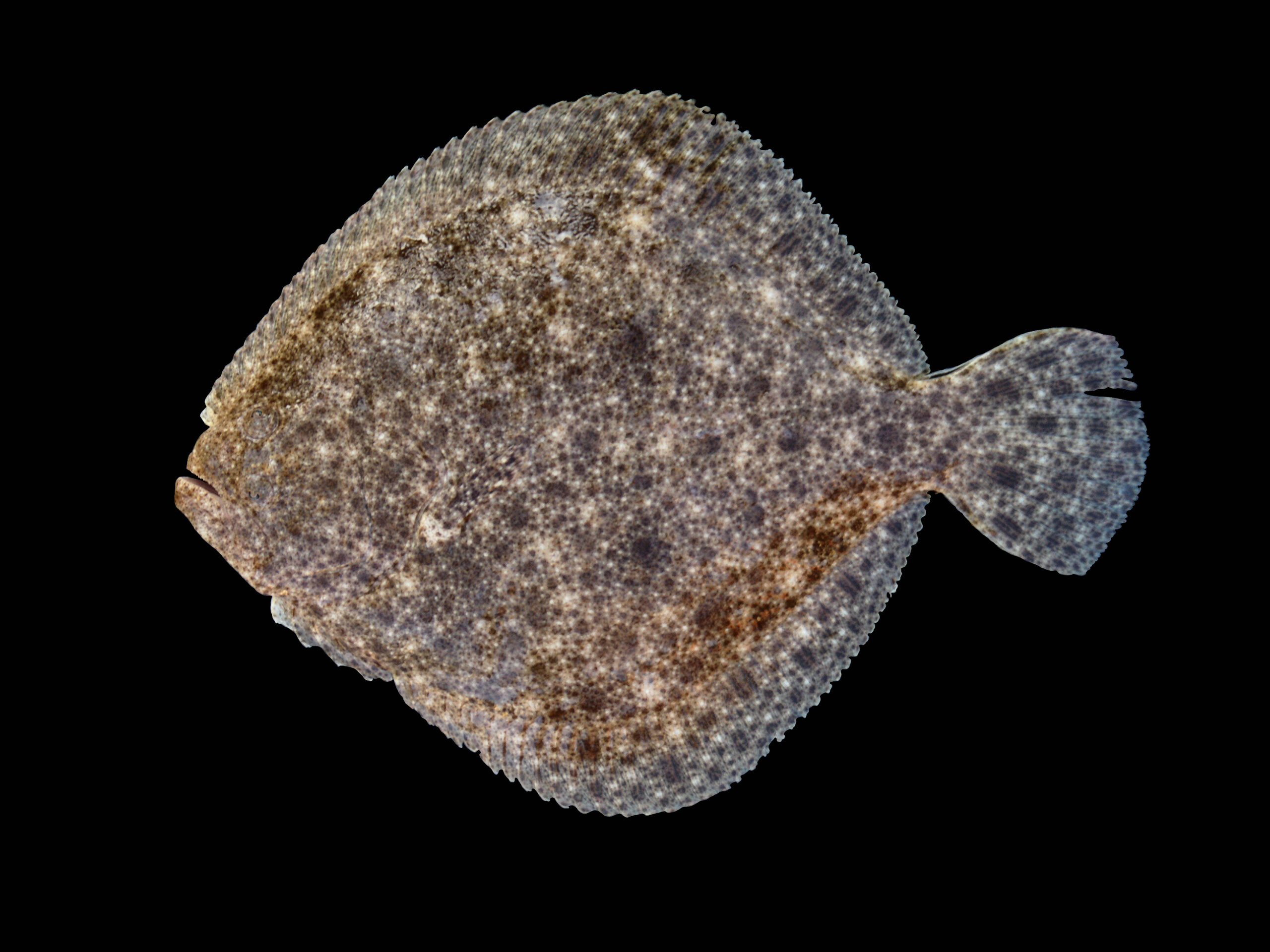
- Turbot (Scophthalmus maximus), farmed in land-based tanks or recirculating systems, is a less common species but one of high commercial value.
- Golden-snouted grey mullet (Argyrosomus regius), an emerging species in Italian aquaculture, prized for the quality of its flesh;
- Carp (Cyprinus carpio) and catfish (Ictalurus spp.): farmed in freshwater, with more limited production;
- Bluefin tuna (Thunnus thynnus): this is not farmed entirely in captivity, but juvenile specimens are caught at sea and then fattened in floating cages until they reach market size.
Fortunately, the plan for the world’s first octopus farm has been scrapped
It was due to be set up in the Canary Islands and had been the subject of criticism for years, but the company has abandoned the project
…For some time now, projects and experiments involving the farming of octopuses have been highly controversial. They are, in fact, highly intelligent animals, studied by scientists for their ability to solve problems, play and, it is hypothesised, even experience emotions. This makes them particularly unsuited to life in captivity. Their solitary and territorial nature is also incompatible with sharing cramped spaces with other individuals…
Anyone who watches the film *My Octopus Teacher* can no longer bring themselves to eat them