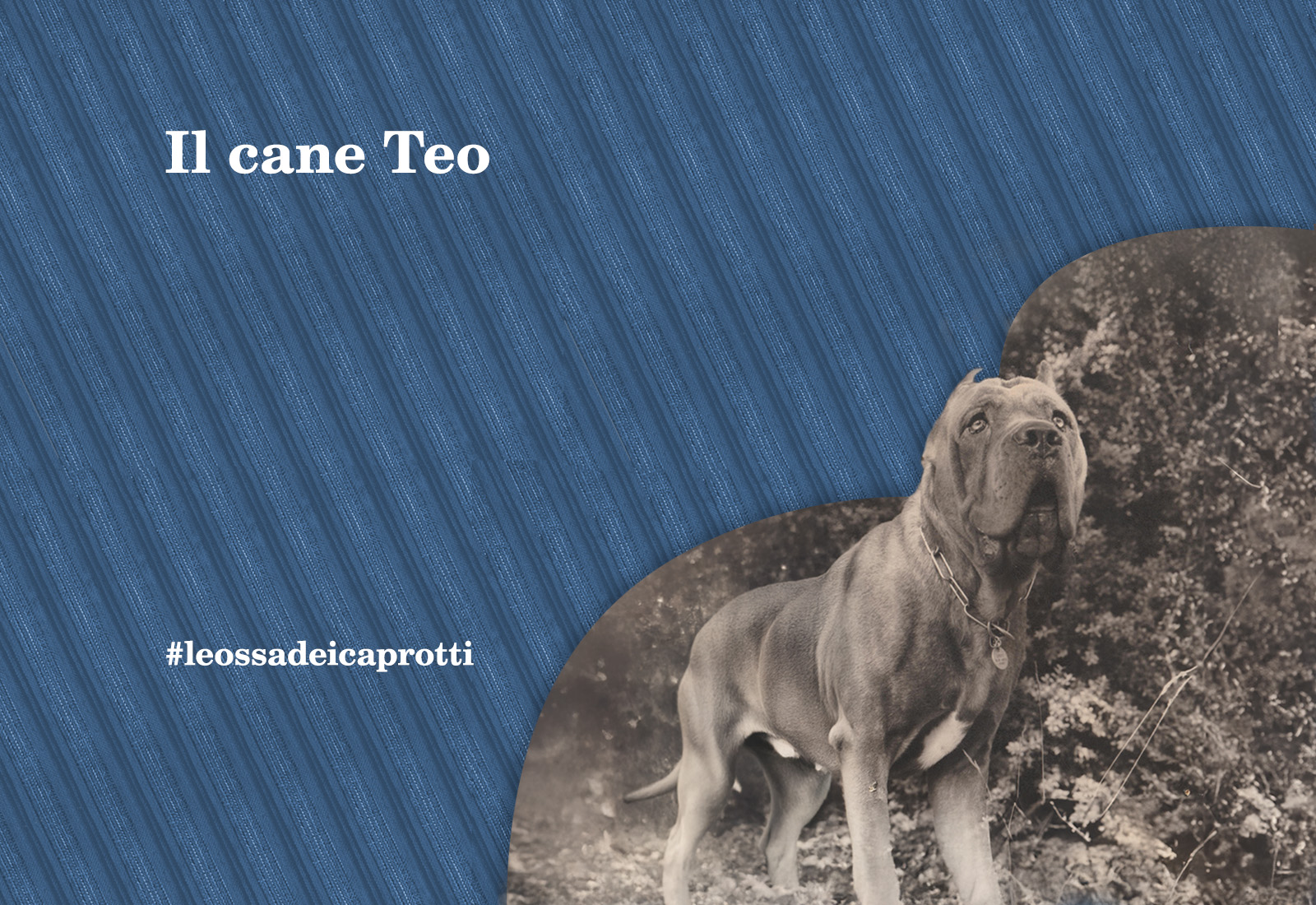
“(…) when I go to Le Rosey, I have to leave Teo, my Neapolitan mastiff, at home. At first, Dad tells me that the dog comforts him and sometimes takes him with him, to walk in the Ticino park and chase the ducks: ‘Teo swims very well,’ he tells me proudly. Later, when Marina is born, Bernardo and Giuliana forbid him to come up to our flat because he could ‘infect the baby’: of what, frankly, I don’t know. Teo will die of cancer and loneliness, which I will not fail to hold against Dad and Giuliana.’ (p. 103).
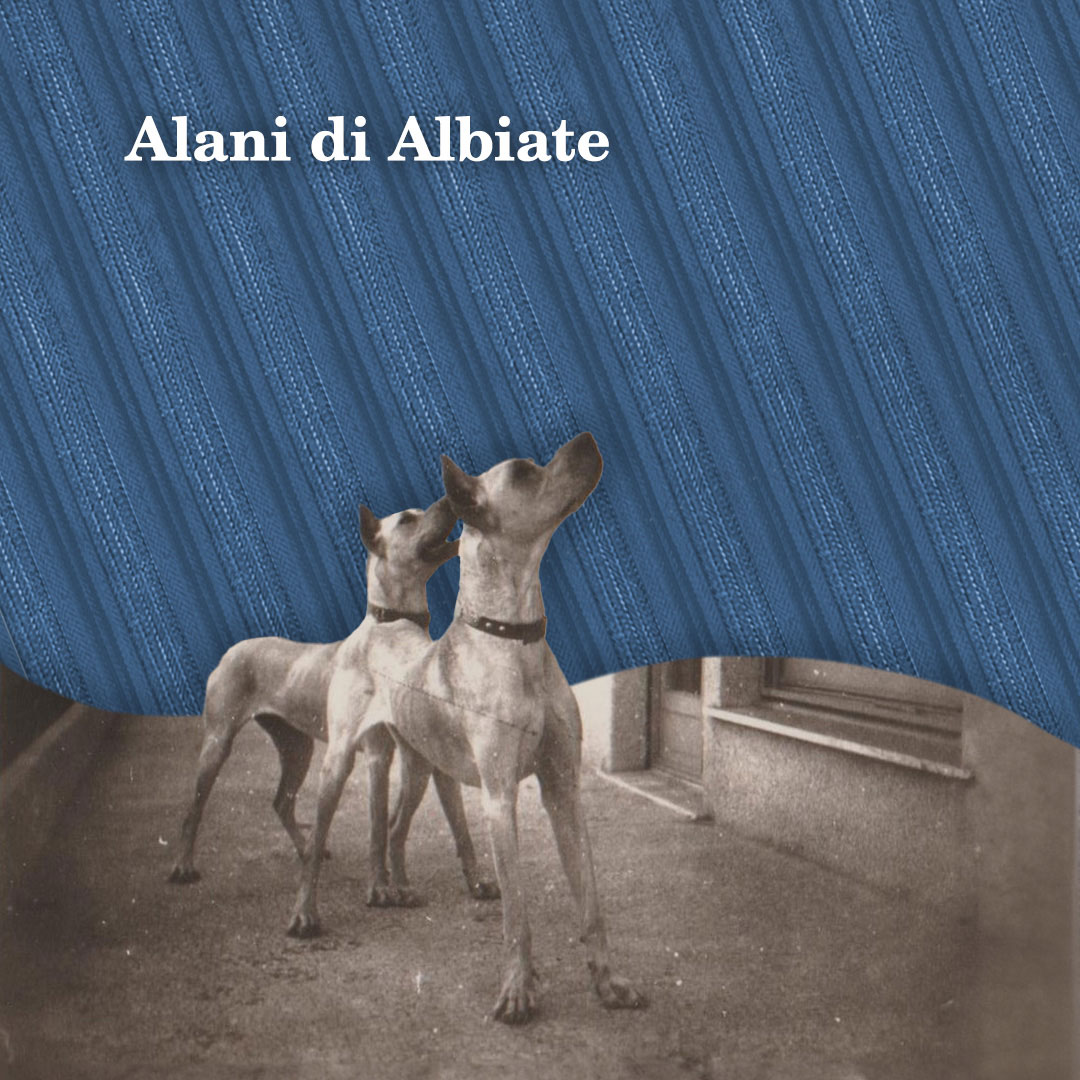
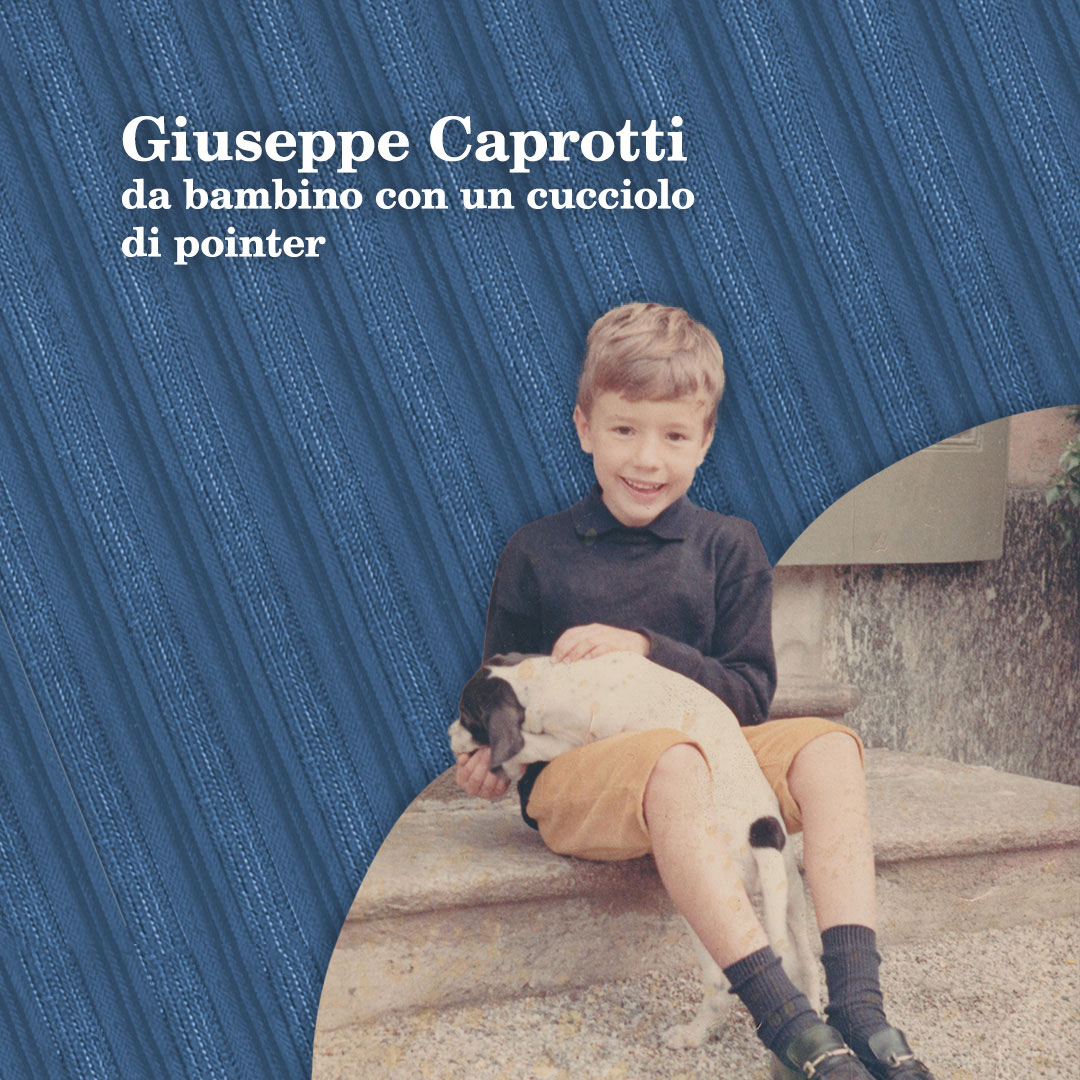
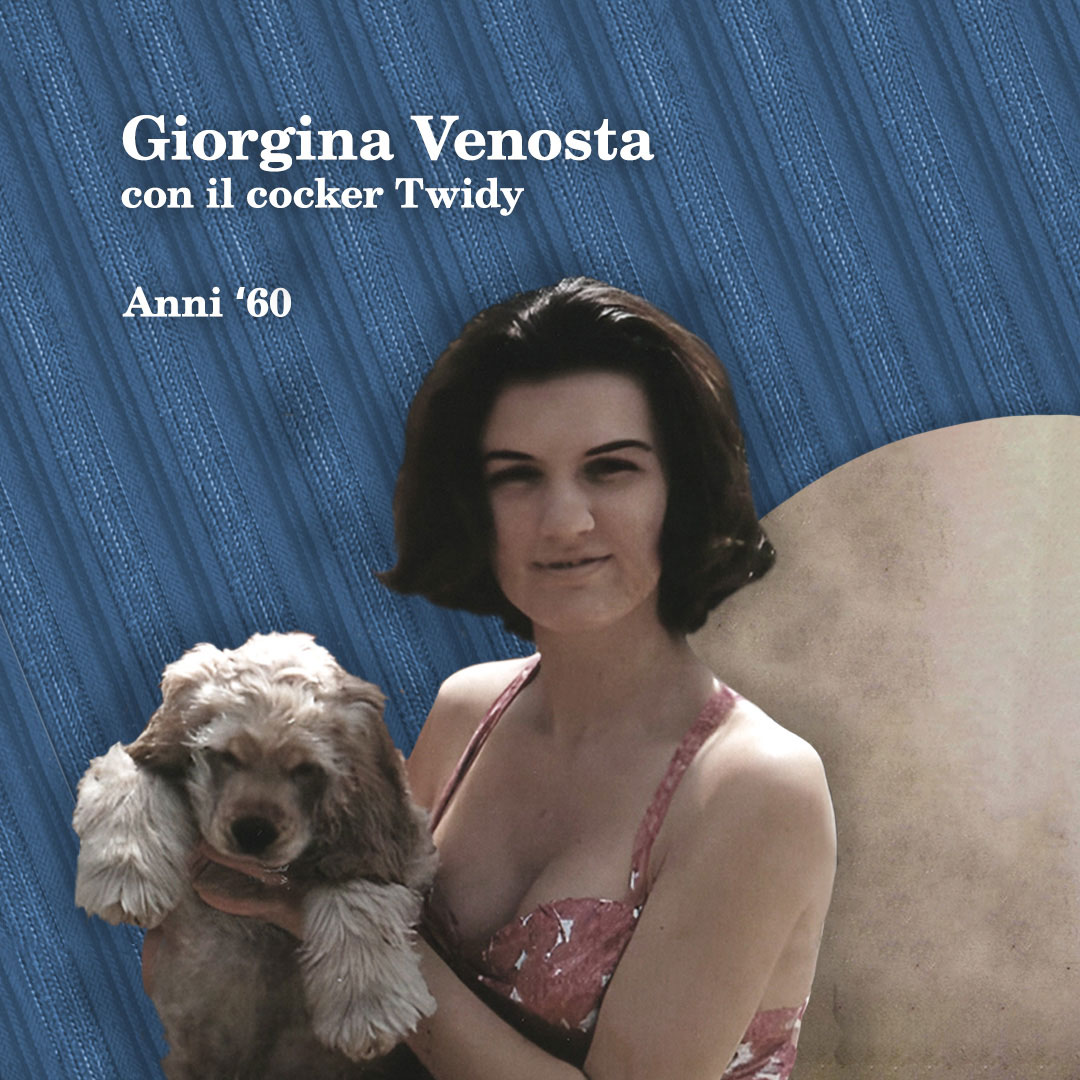
As for all children born and raised in contact with the countryside, especially then if they have a father and an uncle who are hunters, dogs have always been a continuous and fundamental presence. From when I was a child, I well remember the admiration for the great Danes, the tenderness for a pointer puppy (p. 77), the feeling of the softness of Twidy, my mother’s honey-coloured cocker spaniel, who loved dogs as much as I did. Teo, however, remains the dog of my youth, and his loss a scar not forgotten.