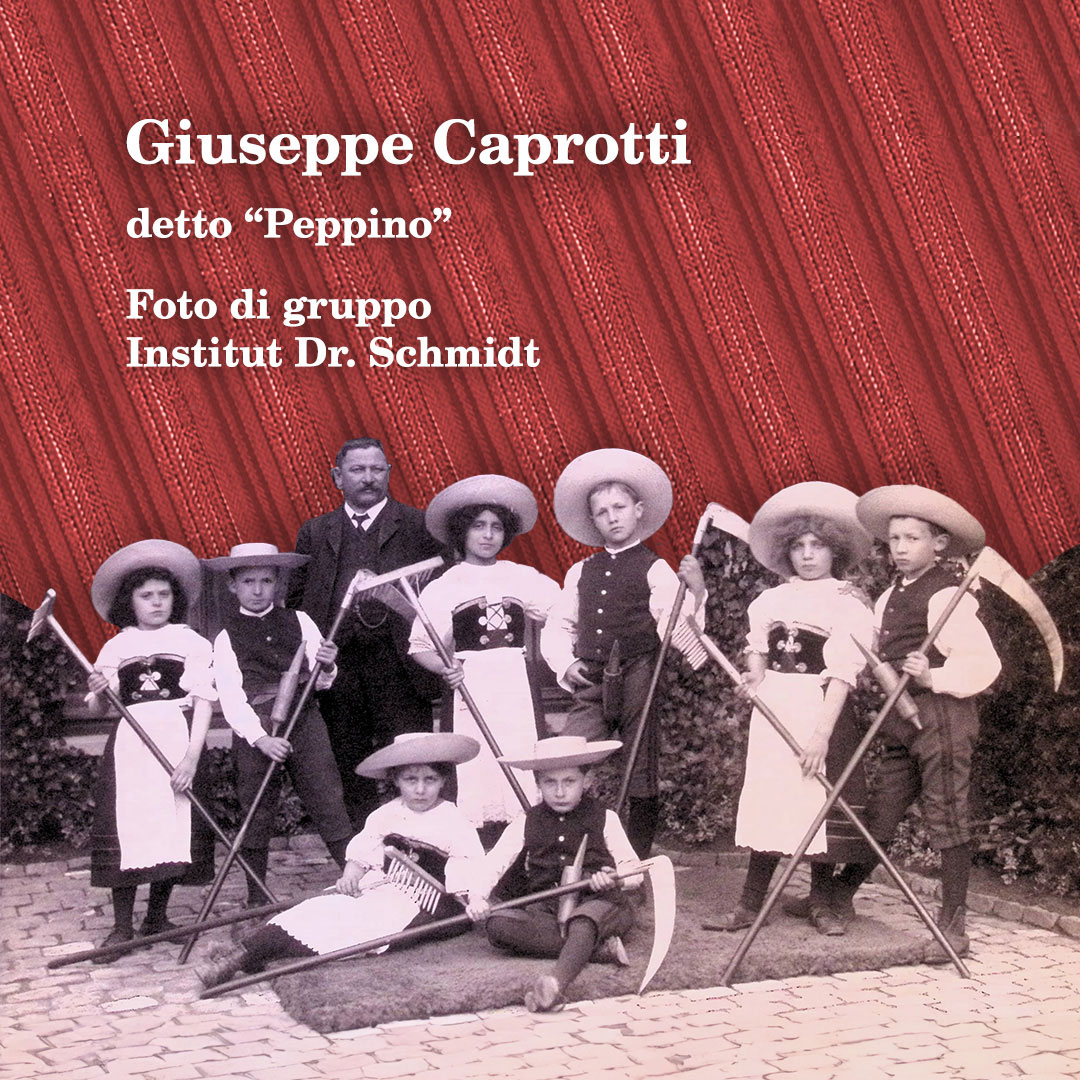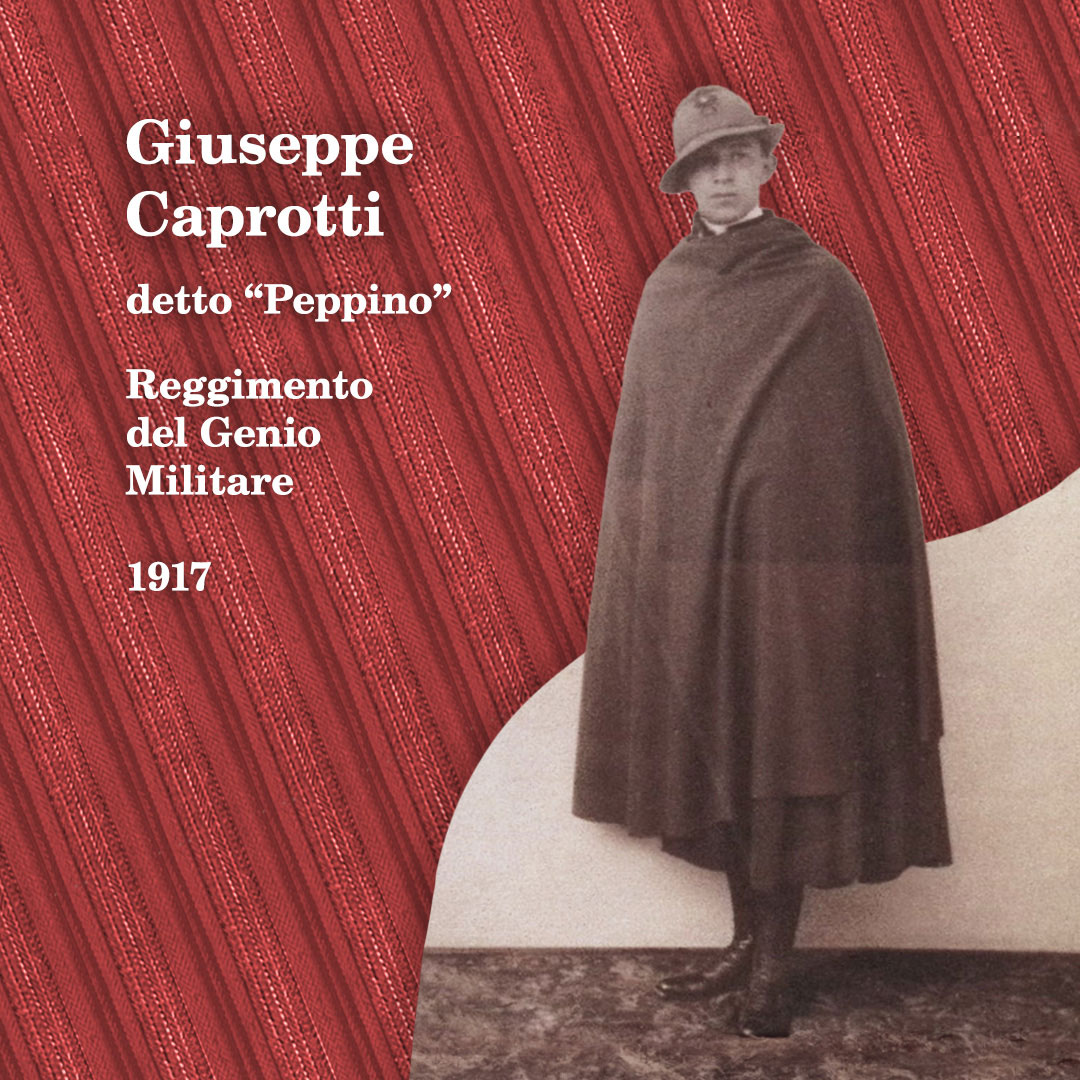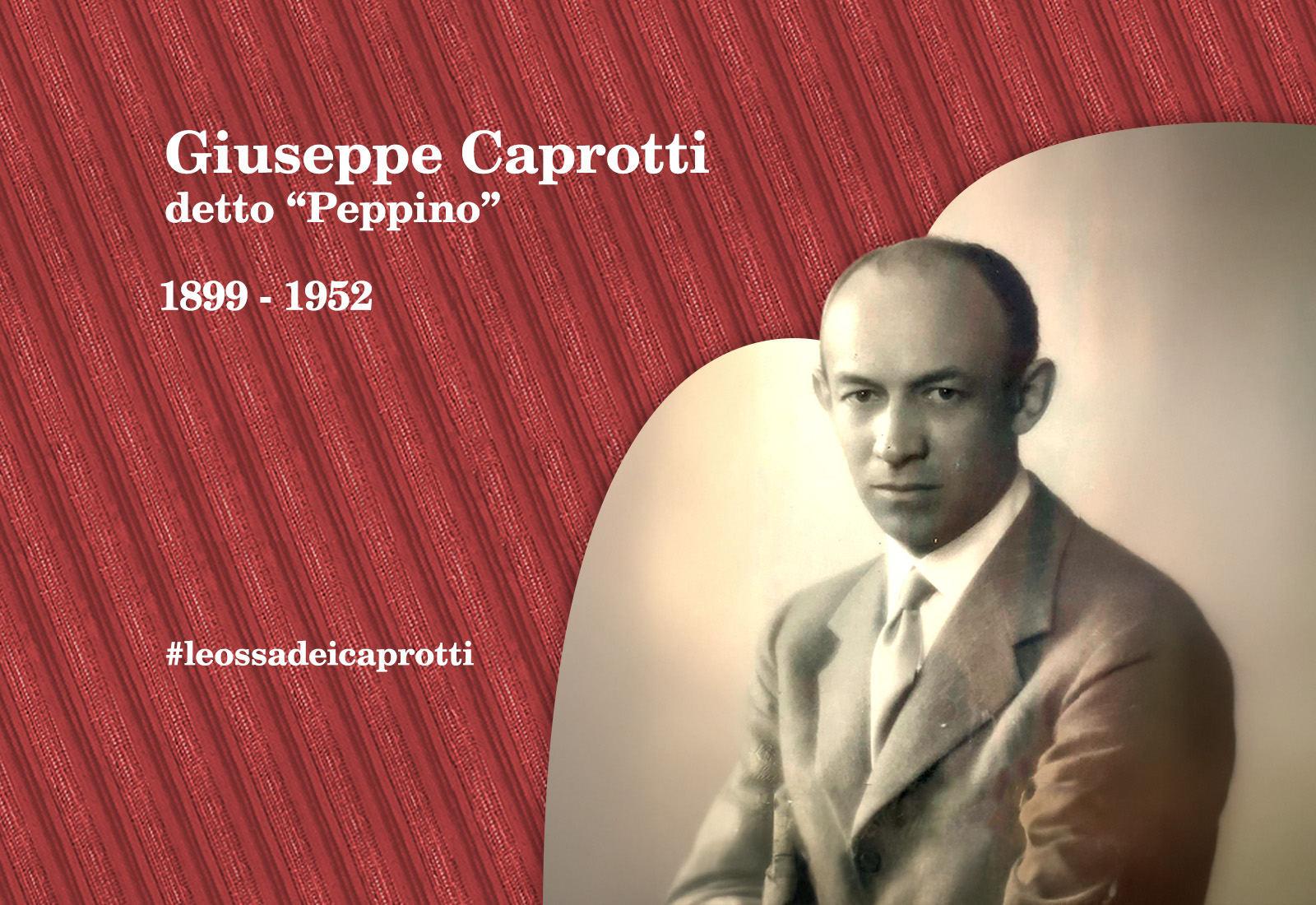
“(…) Peppino (…) dedicated himself with talent to getting the family business back on its feet, which the thoughtless initiatives of his father and uncle Emilio had left in a state of stagnation. (…)
His masterpiece materialised after the Second World War.
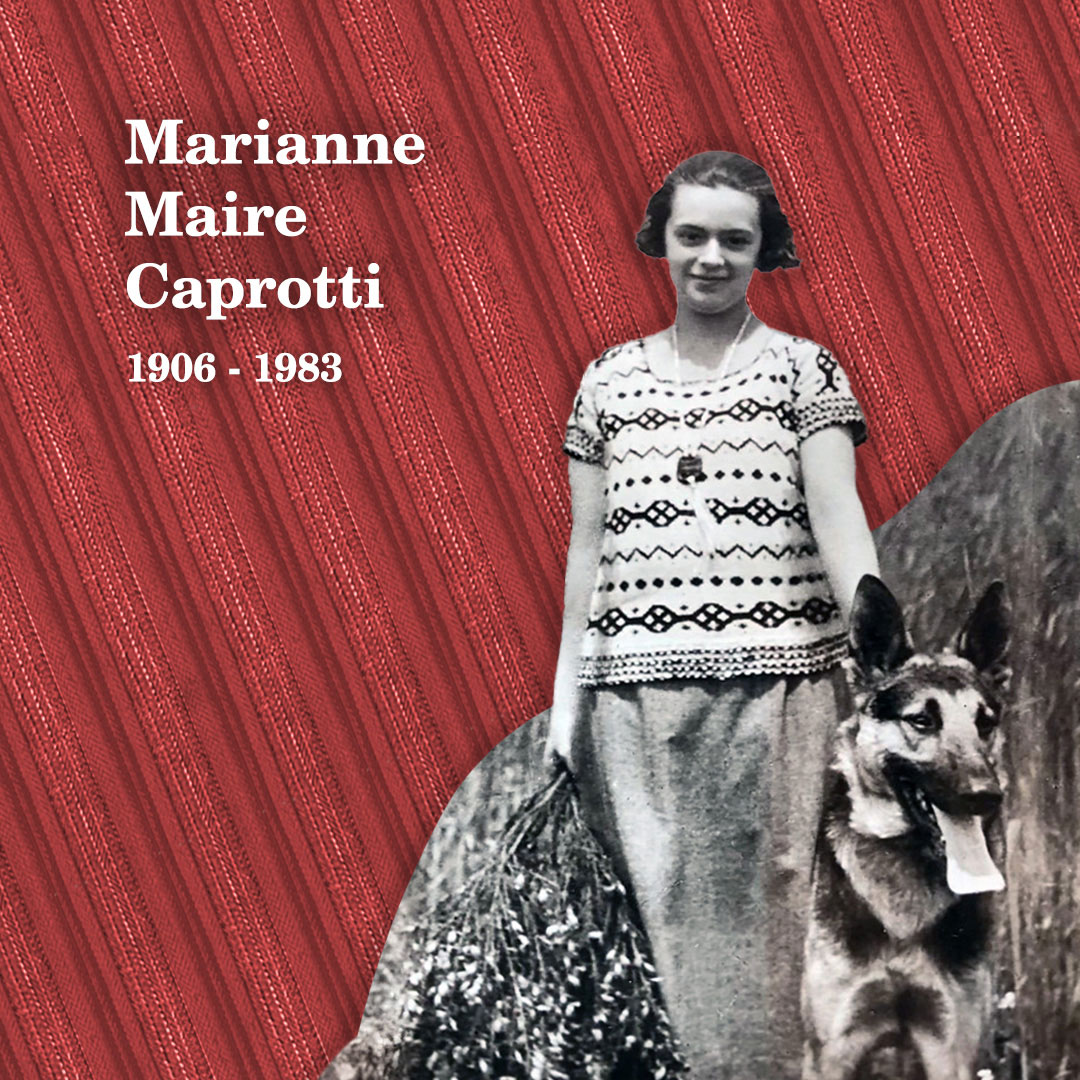
A cousin of grandmother Marianne‘s, who had emigrated to the United States, had joined President Harry Truman’s staff and Peppino was able to put his advice to good use in obtaining Marshall Plan funds. The Manifattura Caprotti was thus able to purchase state-of-the-art mechanical looms, once again becoming an excellence of the national textile industry.
Success opened the doors of Milanese circles for Peppino and his grandfather also showed remarkable financial skills, investing in the stock market and building up a considerable fortune that his three sons laterused to buy control ofEsselunga.” (pp. 39 – 40). (…)
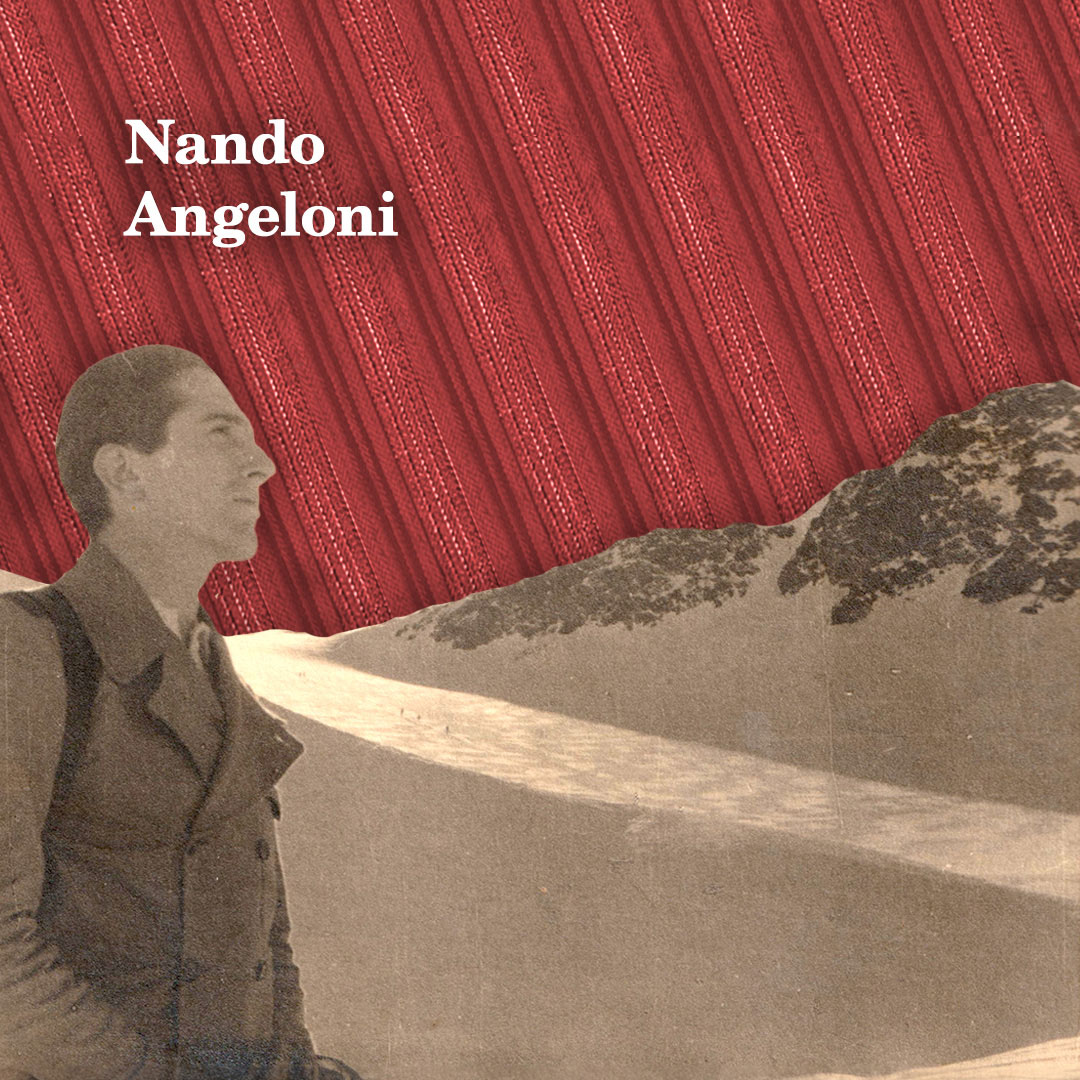
[Peppino] had accumulated a discrete financial fortune, betting mainly on shares in the Rossari & Varzi cotton mill (…), Fiat and above all Pirelli. If the three brothers unceremoniously liquidated the shares in Rossari & Varzi and Fiat, they gave up Pirelli with great regret. In fact, thanks to the advice of their friend Nando Angeloni, Peppino had become ‘quite an important shareholder’ in the company (…), as Bernardo called him, and selling that package of shares for his three sons was a bit like ‘tearing it out of his heart’. (p. 73).
Note: with the Marshall Plan, the United States decided to finance Europe in order to meet the costs of its reconstruction, facilitate its economic development and curb the advance of communism.
President Truman, after setting up the ECA and the Erp in April 1948, financed the European economy with 17 billion dollars between 1948 and 1952.
Stimulating agricultural and industrial productivity and fostering a process of economic integration between European countries were the main economic objectives.
The realisation of the Plan was also linked to the spread of US consumption models in Europe and the creation of a consumer and welfare society. The political and cultural objective of fighting communism was always present. As Alessandro Barrico says: “the idea of the supermarket proved in the long run to be one of the moves that led the United States to win the cultural and economic game they played with us on the chessboard of Europe”