

Putin’s next targets are Moldova-whose history is little known yet significant-and, above all, Romania.
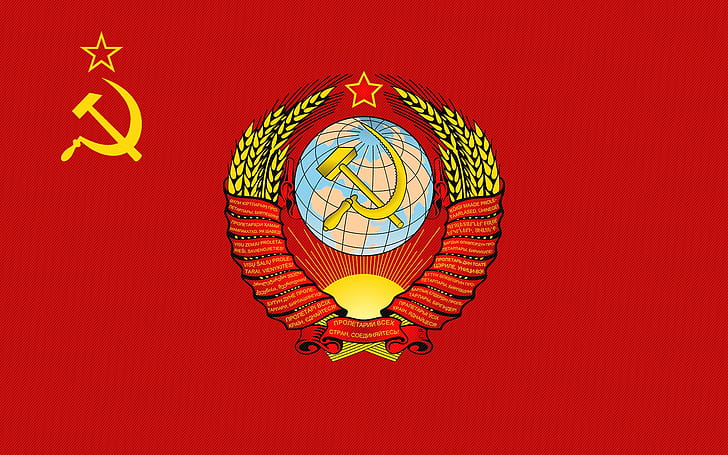
Drafted on January 20, updated on March 11, 2025. (Above: the USSR coat of arms)
(*) ‘Known’ solely because of Nicolai Lilin‘s background-his book Educazione siberiana, published in 2009 by Einaudi, brought him into the Italian spotlight and, following the outbreak of the war in Ukraine in 2022, attracted much criticism for its pro-Russian stance. Although Moldova is also called Moldavia, its inhabitants reject that name due to its Russian origins.
Russia Cuts Gas to Transnistria to Destabilise Moldova
A humanitarian catastrophe looms for the 367,000 inhabitants of Transnistria, a region of Moldova that remains under the control of a pro-Russian separatist power[Transnistria declared independence from Moldova at the beginning of the 1990s during the disintegration of the USSR. It is a ghost state, unrecognised by the world].
Relying on the mounting discontent in both Transnistria and Moldova ahead of the legislative elections, the Kremlin aims to overthrow Moldova’s pro-European government.
By Emmanuel Grynszpan
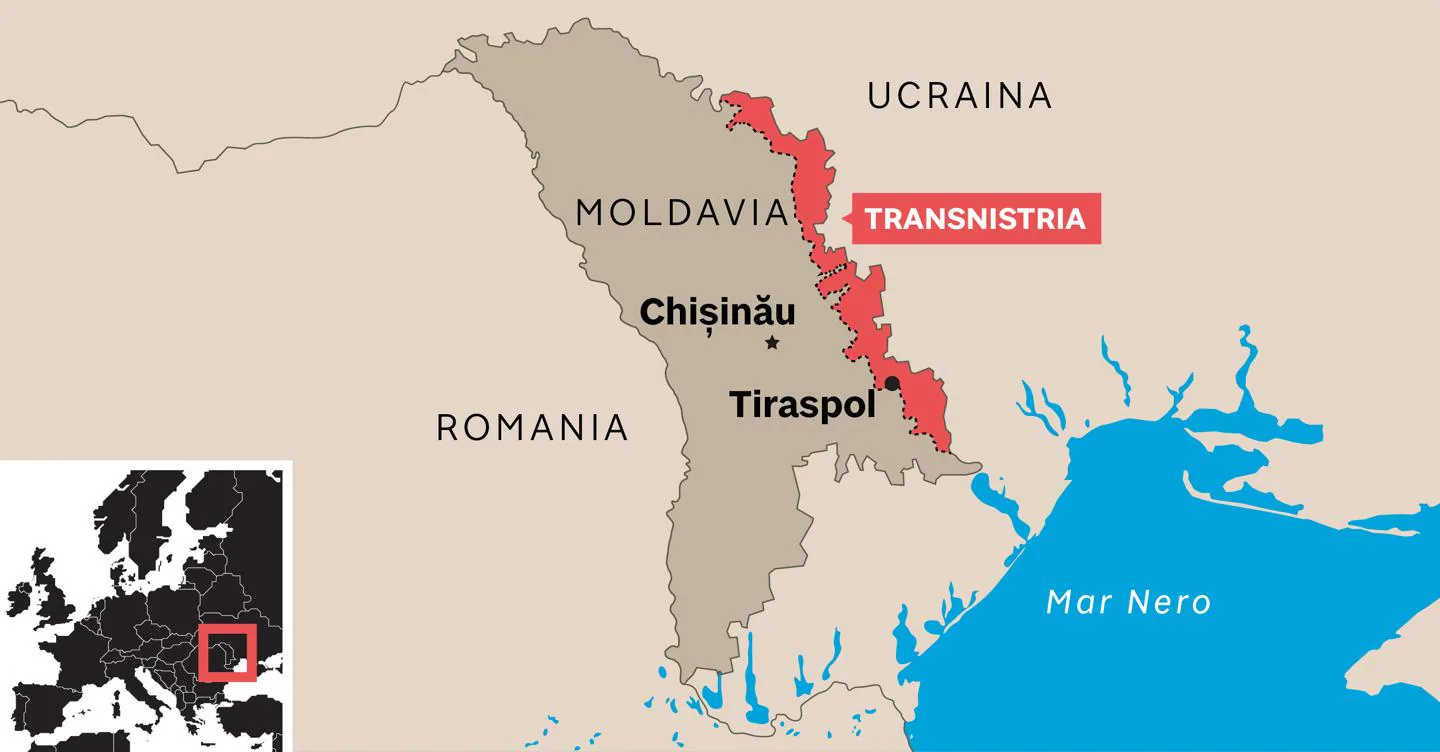
Closed schools, frozen homes, power outages, a stalled economy, and widespread technical unemployment… 2025 has gotten off to a very rough start for the 367,000 residents of Transnistria, a separatist region in eastern Moldova. Although it has been governed for three decades by a pro-Russian authoritarian regime, this narrow strip of land-landlocked between Ukraine and Moldova-saw its gas supply cut off by Moscow on January 1st.
This is both a logical consequence of a dispute between Russia and Moldova-a debt to Gazprom contested by the Moldovans-and a result of Russia’s invasion of Ukraine. On January 1st, Kyiv cut the pipeline that ran through its territory and supplied Russian gas to Moldova, and, by extension, Transnistria.
Transnistria, which is unrecognised by any state in the world, is even more severely affected, as Russian gas once met 100% of its needs and was provided ‘free of charge’ In effect, this arrangement was in exchange for its leaders aligning with Moscow, the maintenance of a detachment of the Russian army (which Moldovan authorities are now demanding be withdrawn), and a form of population annexation through the distribution of Russian passports, coupled with social benefits such as access to the Russian pension system.
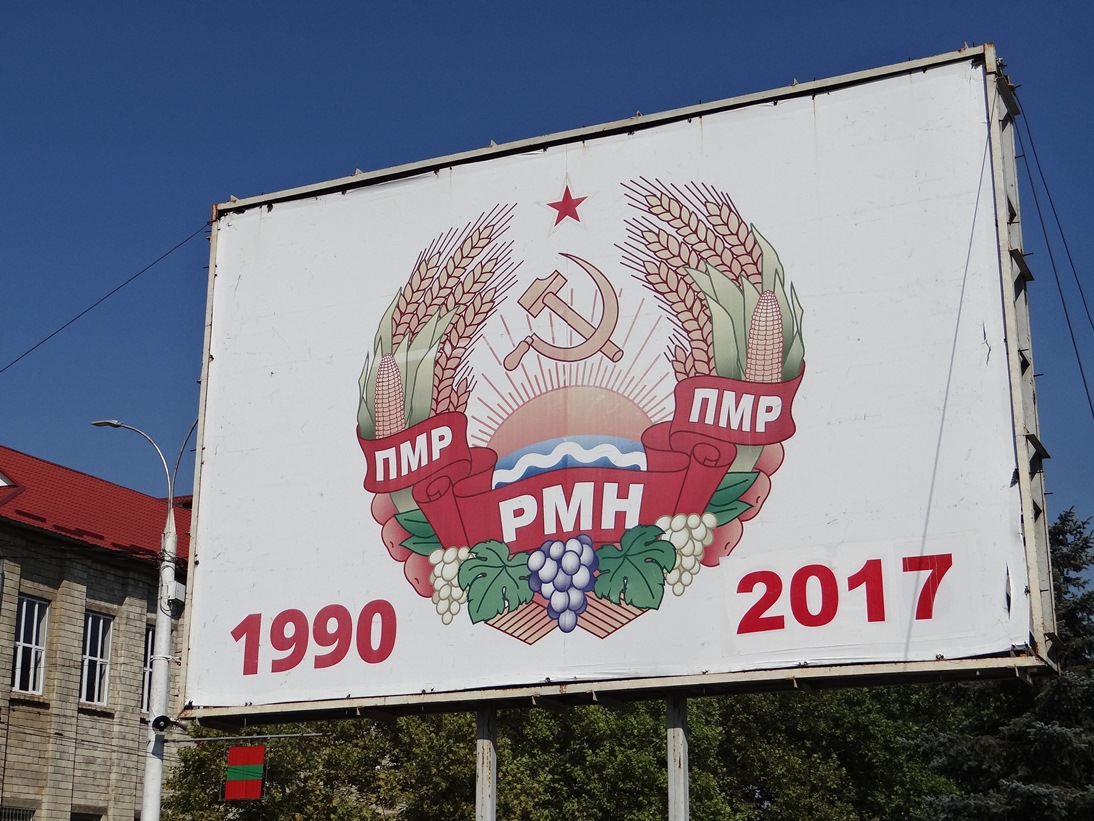
Rejecting assistance offers from Moldova (to purchase gas from Europe) and Ukraine (to buy coal), the Supreme Council of Transnistria voted on January 10th to extend the state of economic emergency until February 8th, inclusive. Officially, Transnistria continues to rely solely on the restoration of Russian gas supplies. “Today, Transnistria is living in conditions akin to a humanitarian catastrophe, compounded by a political crisis,’ estimates Anatoli Dirun, director of the School of Political Sciences in Tiraspol (see the billboard on the city streets below).
Inflationary Spiral
The majority of the population sees their living conditions collapse and shifts into “survival mode.” “We live in a house heated by electricity,” Klavdia Boulgac, a resident of Tiraspol, tells us over the phone. “Since January 1st, gas has been cut off to every individual home. My husband spends his day gathering wood to heat the house. Our two children are freezing. We cannot continue like this-it’s unbearable. We are planning to move to Moldova with our last savings.”
The situation is only marginally better for residents of collective housing. “My apartment is around 10°C,” complains Ksenia Boussuioc, a resident of Bender. “We use auxiliary electric heaters, but since these are turned off for eight hours a day, the cold returns,” she explains. Water is also cut off for eight hours because the pumps are no longer functioning. And we are lucky that January’s weather is mild-averaging 4°C during the day and -2°C at night. I don’t know how we will survive if temperatures drop to -10°C. All the water pipes will burst!
The inhabitants of Transnistria-predominantly Russian-speaking, unlike the Moldovans who are bilingual in Romanian and Russian-remain under the influence of local and Russian media, which blame the Moldovan authorities (and, incidentally, Kyiv) for the energy crisis. The pro-European government of Moldova points the finger at the Kremlin, arguing that by cutting the gas, it is triggering an inflationary spiral in Moldova, accompanied by a rise in public discontent.
“The crisis was provoked by Moscow with the aim of turning Moldovan voters against their government ahead of the 2025 legislative elections,” said Vlad Lupan, a former Moldovan diplomat. The intent is to convince the public that the Moldovan government is solely responsible for the failure to renew the contract with Gazprom and is now incapable of managing its consequences.
The Kremlin, which failed to defeat the incumbent pro-European candidate Maia Sandu in the November 2024 presidential elections-despite an intense media campaign and a series of interferences-is now plotting revenge, attempting to bring her down.
Obviously, Moldova is just one of Putin’s many targets.
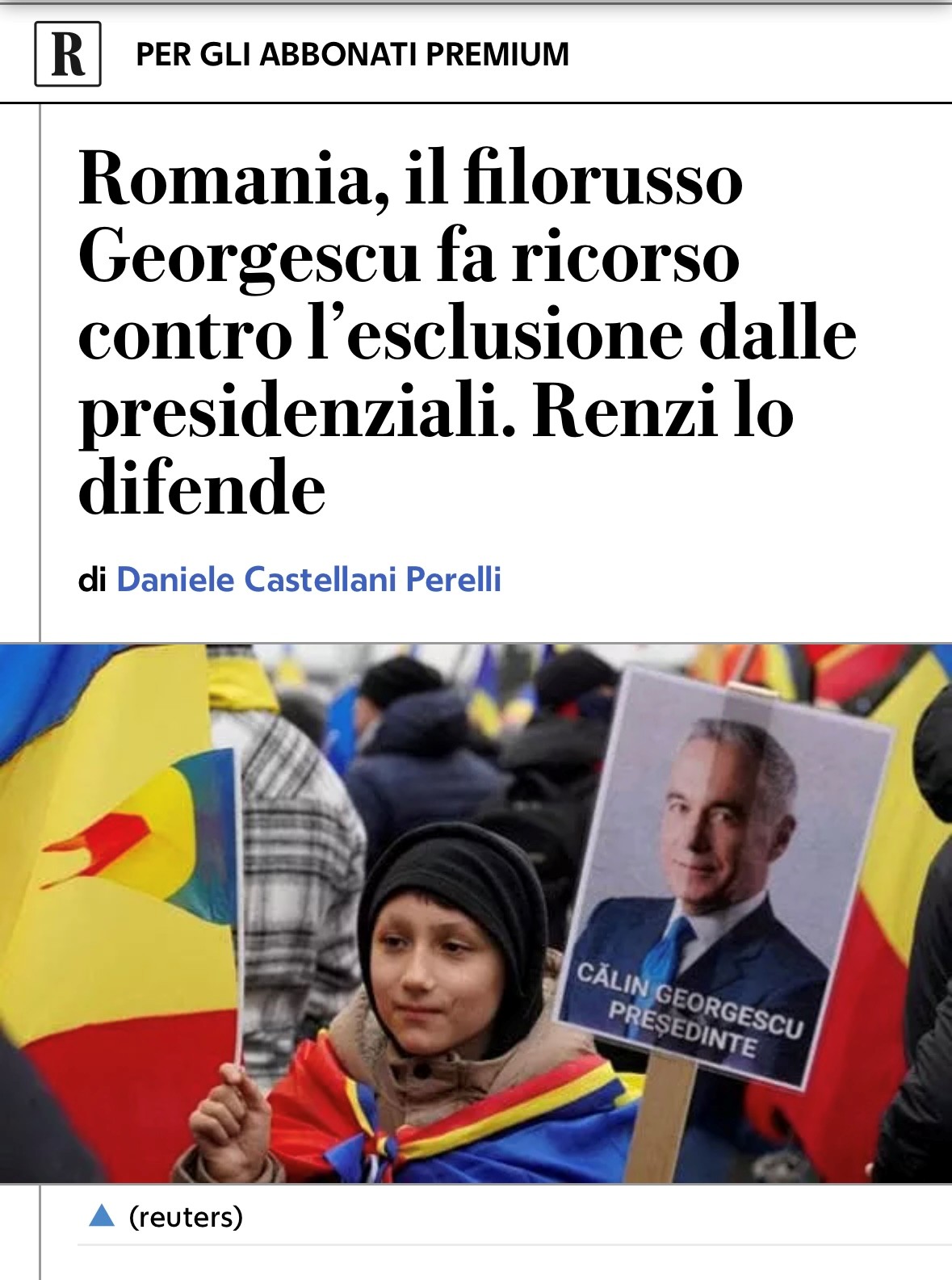
From the Gulf of Finland to Georgia, through the Baltic countries, Romania, Moldova, Transnistria, and Bulgaria—not to mention distant Serbia—Putin is scheming against those he still regards as satellites of the former Warsaw Pact, aiming to reincorporate them into “Great Mother Russia.” Of course, Ukraine—with its Donbass and Crimea—is also seen as ripe for russification, while we must not forget Belarus, a loyal Kremlin satellite state where freedom of expression is severely restricted.
Hungary and Slovakia also fall within Russia’s sphere of influence.
However, after several months of harsh winter conditions, Putin has decided that Transnistria will receive gas as a “humanitarian gesture” from the Kremlin.
Meanwhile, Moldova will remain excluded from this supply, pending the possibility that upcoming elections will eventually bring a Moscow puppet government to power—just as has recently occurred in Abkhazia.
In the meantime, in Romania, six individuals have been arrested for the pro-Russian plot known as “Vlad l’Impalatore.” Additionally, two high-ranking Russian diplomats—a military attaché and his deputy—were expelled from Romania on Wednesday after being in contact with the conspirators.
Also noteworthy is the case of three Bulgarian citizens convicted of espionage for Russia at London’s Old Bailey, in a trial described by police as one of the most significant espionage cases reported in Britain in recent decades.
Conclusion:
It is very likely that, as he has repeatedly stated, Trump will abandon the defense of Europe and all the bases on the continent. Moreover, he might not uphold NATO commitments, failing to come to the aid of any member state if attacked.
Therefore, a European army is urgently desirable, as it might affect us more directly—given that both Trump and Putin aim to secure very specific spheres of influence. Read further in Repubblica, March 7, 2025, on the second page: “The roof of the world split in two: Greenland (Denmark) for Trump, and the Svalbard (Norway) for Putin.”


