Competition Bill: novelties on meal vouchers and shrinkflation in labelling
Rome – A Forza Italia amendment to the Ddl Concorrenza (Competition Act), presented by deputies Squeri and Casasco and reformulated by the government, ‘saves’ meal vouchers. In fact, it allows vouchers already in circulation to be used under the same conditions until 31 August 2025. From 1 January (and from 1 September for stock circulating from 2024) for new meal vouchers there will be a cap of 5% on the fees charged by issuing companies.
This is a solution used by around 300,000 companies. The groups managing the format do not return 100 per cent of what they receive to the establishments, but retain a commission for them that can sometimes exceed 10 per cent. The 5% limit safeguards the meal voucher instrument for company welfare, making it possible for distribution companies to use it for the benefit of their employees. Equalisation will be achieved gradually through a transitional period before final implementation, so as to respect the timing of both parties.
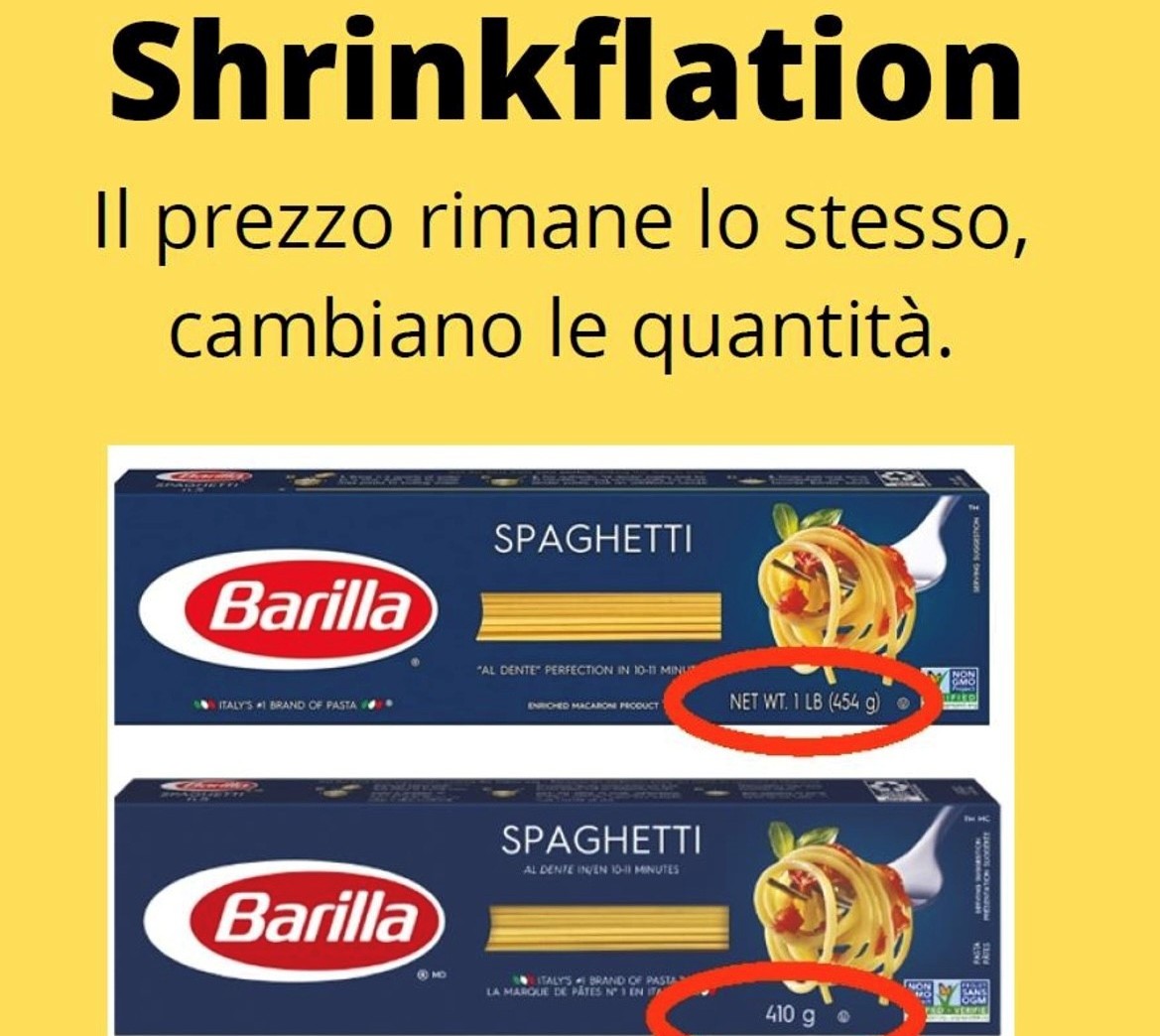
Another new feature of the bill is the introduction of anad hoc label for the controversial practice of shrinkflation. From 1 April [2025] it will be compulsory to inform consumers of a reduction in the quantity of the product (resulting in a price increase) despite the fact that the packaging remains unchanged. This is what is envisaged by some amendments tabled by Azione, Iv, Avs and M5s that were approved in the Productive Activities Committee of the Chamber of Deputies with some reformulations arrived at by the executive.
It will be compulsory for companies to inform the consumer “of the reduction in quantity by affixing in the main visual field of the sales package or by means of a sticker bearing the following wording: ‘This package contains a product that is X (unit of measurement) less than the previous quantity'”. The information requirement will apply for a period of six months ‘from the date of placing on the market’.
But it will all come down to enforcement: Italy is notorious for its failure to comply with regulations. From unfair practices in distribution to price baskets, and on to food labelling, where there is confusion that suits many.
This decree, in my opinion, is therefore already ‘dead’ because no one will check anything.
Furthermore, on the law against shrinkflation, Italy is at risk of EU infringement proceedings , but Shrinkflation is not enough , the obligation to warn on the packaging slips by six months (few originally wanted this labelling)