[vc_column_textDrafted 13 August, updated 16 August 2025
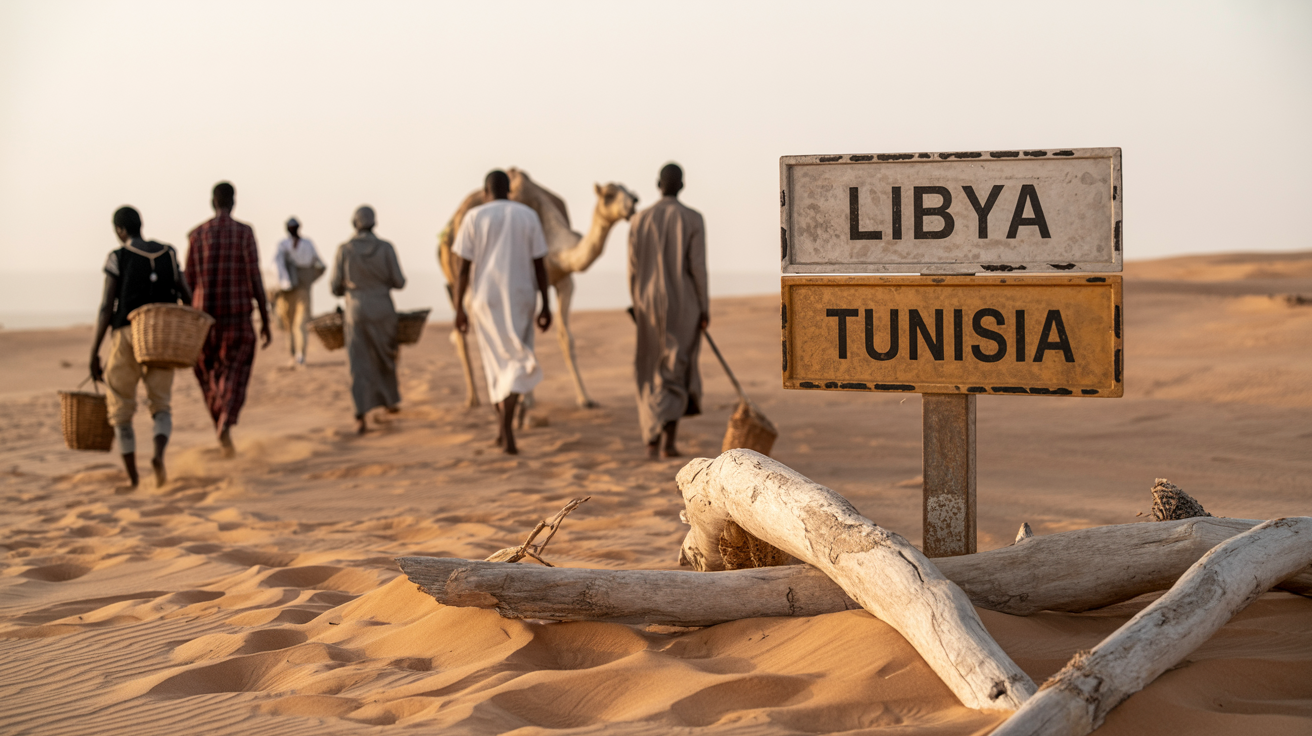
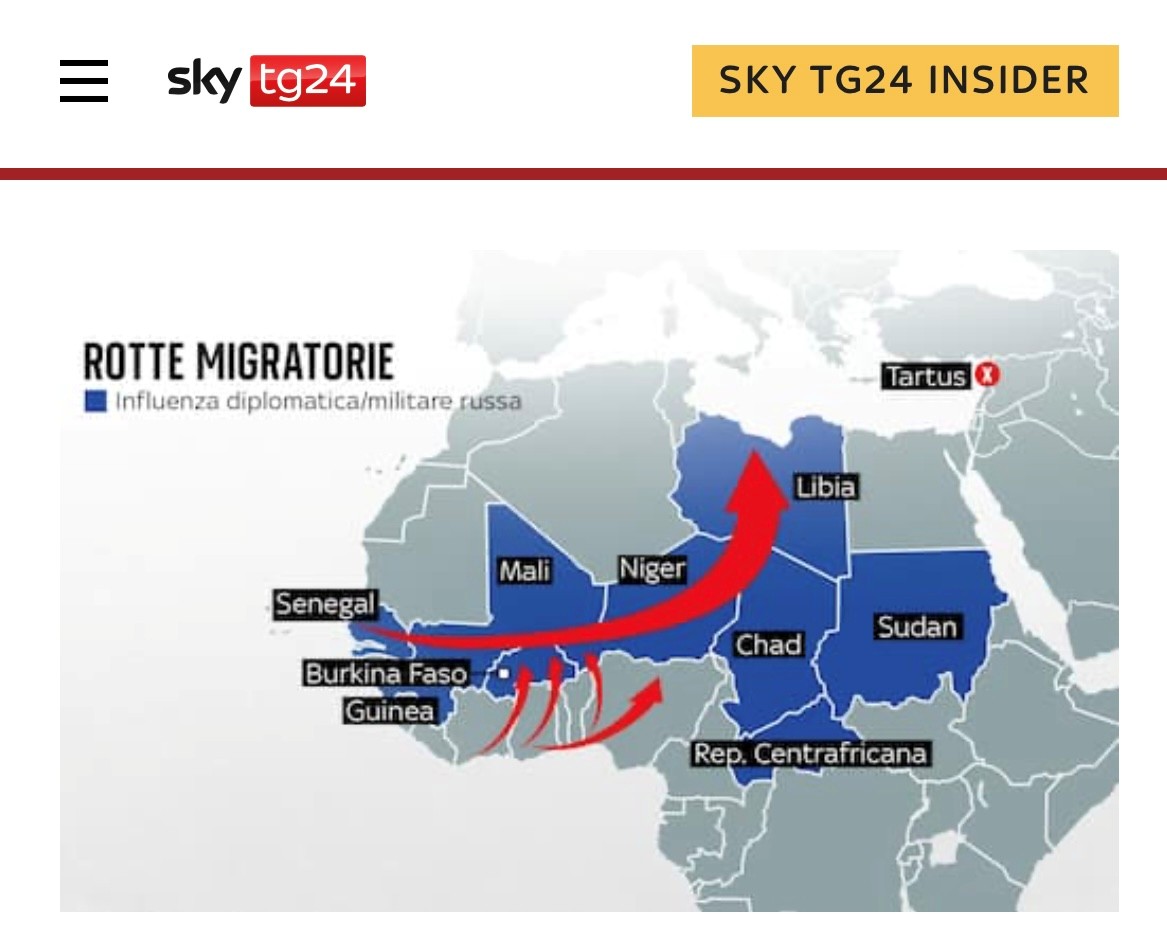
Africa is crucial for its raw materials but also for its demography as well as for the flow of migrants through the Sahel (Burkina Faso, Mali, Niger, and Chad (*)) that Russia supports and controls and uses in its hybrid war against Europe.
In this context, Tunisia and Libya, which border Italy, deserve special attention. I was in Tunisia in 1987, in Libya in 2010 and 2011, just before the fall of Gaddafi. But it is not about my travels that I want to tell you about, but rather about the geopolitical situation:
Tunisia is part of the Mattei plan, Libya is not because of its political situation.
(*) Russia also has an agreement with the Central African Republic and is trying with Sudan (closing the circle..).
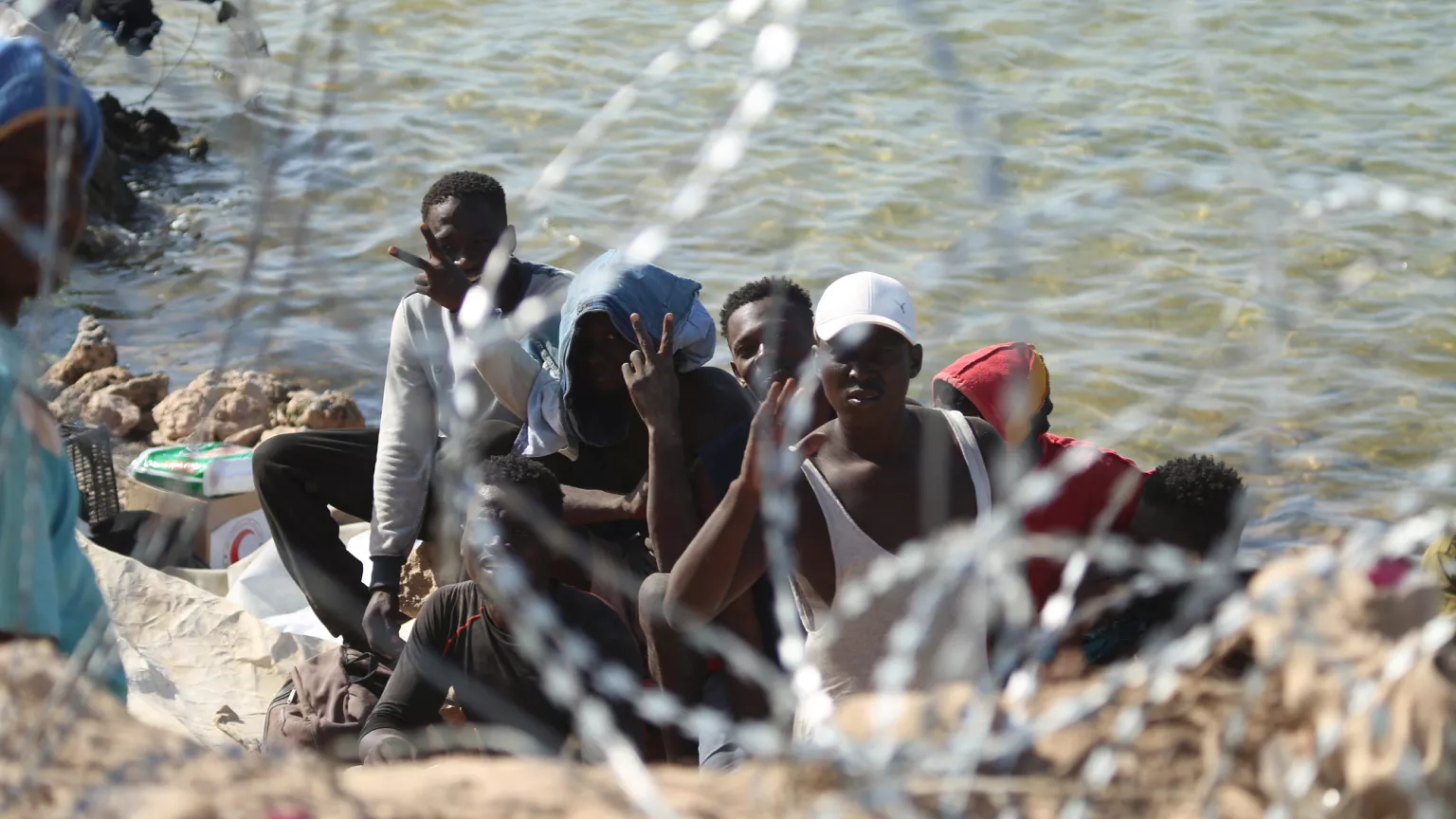
On 31 July 2025 Giorgia Meloni made her fifth trip to Tunisia since 2022: … the idea is to invest in the exiles’ countries of origin to improve living conditions and guarantee the ‘right not to emigrate’, according to a formula of the Council presidency, which boasts an “equal” partnership . “Many observers did not hide their scepticism at the launch of the plan” in January 2024, in the presence of 26 countries from the African continent and the President of the European Commission, Ursula von der Leyen, points out Giovanni Carbone, head of the Africa programme at the Institute for International Policy Studies (ISPI) in Milan.
Kaïs Saïed, on the other hand, joined it, basing his ideological proximity to Giorgia Meloni on the need to fight migration: Tunisia has also been targeted for violence and human rights violations against migrants.
By signing a strategic partnership with the European Union, which includes 250 million euros in aid and an Italian contribution of more than 105 million euros on credit to support, among other things, Tunisian small and medium-sized enterprises, Giorgia Meloni obtained from her Tunisian counterpart greater control of the maritime border separating the two countries. As a result, between July 2023 and July 2025, migrant arrivals in Italy from Tunisia will decrease by 95 per cent.
To expand its efforts, the Italian government announced in late June €5.5 billion in investments for nine pilot countries on the African continent, which have since grown to fourteen, including Maghreb countries, Senegal, Côte d’Ivoire, Kenya and Ethiopia. ‘Today the Mattei plan represents something more concrete, mobilising private and public actors,’ Giovanni Carbone continues. With limits: the Italian Ministry of Finance has so far granted guarantees for only EUR 2 billion, showing how implementation on the ground is still difficult.
The strategy has severe limitations
For the researcher, the Mattei plan has above all established ‘a new Italian narrative on Africa and demonstrated Giorgia Meloni’s personal involvement. The Italian leader is proactive. During Algerian President Abdelmadjid Tebboune’s visit to Rome on Wednesday 23 July, the two countries signed some 40 bilateral agreements, including the construction in Sidi Bel Abbès of an Enrico-Mattei centre dedicated to agricultural research and innovation.
Four days later, at the second United Nations Summit on Food Systems, which she co-chaired with Ethiopian Prime Minister Abiy Ahmed, Giorgia Meloni reiterated her commitment to ‘supporting self-sufficiency’ in the African continent. On this occasion, Italy and Ethiopia signed several cooperation agreements, particularly in the agricultural sector.
But the strategy nevertheless has serious limitations, according to researcher Giovanni Carbone: ‘The plan suffers from a great lack of transparency; we do not know how projects are selected, despite the fact that they mobilise public money’.
A grey area also surrounds the sensitive issue of migration. ‘There is an Italian naivety that wants to believe that helping development in Africa will stop migration, but the issue is much more complex,’ the researcher notes.
Moreover, the progressive outsourcing of border control to southern Mediterranean countries, at the cost of violence against migrants, places Rome, and by extension Europe, in a position of dependence on these states.
If Tunisia is an ‘easy’ partner, Libya is much more problematic:
… Since the fall of Bashar Al-Assad in Damascus last December, Moscow has reduced its military presence in Syria, especially in the port of Tartus. Russian ships, radars, anti-missile systems have been moved to Libya, in the eastern and south-central part controlled by the clan of General Khalifa Haftar and his sons.
Already in recent years, Russian Wagner militias were deployed in support of Haftar in the territories under his control. Today, the latter have disappeared with their leader Yevgeny Prigozhin, but the Russians in Libya are growing in number.
And this time with the official army. Their presence is estimated to fluctuate between 1,200 and 1,800 troops, depending on the moment, while the Haftars cover their living costs. To the warlords based in Benghazi, Moscow offers anti-missile systems that protect them from any attacks launched with Turkish support.
To the Russians, the Haftars instead offer a platform from which to project Moscow’s influence into Sudan, Chad, Niger and as far as Mali.
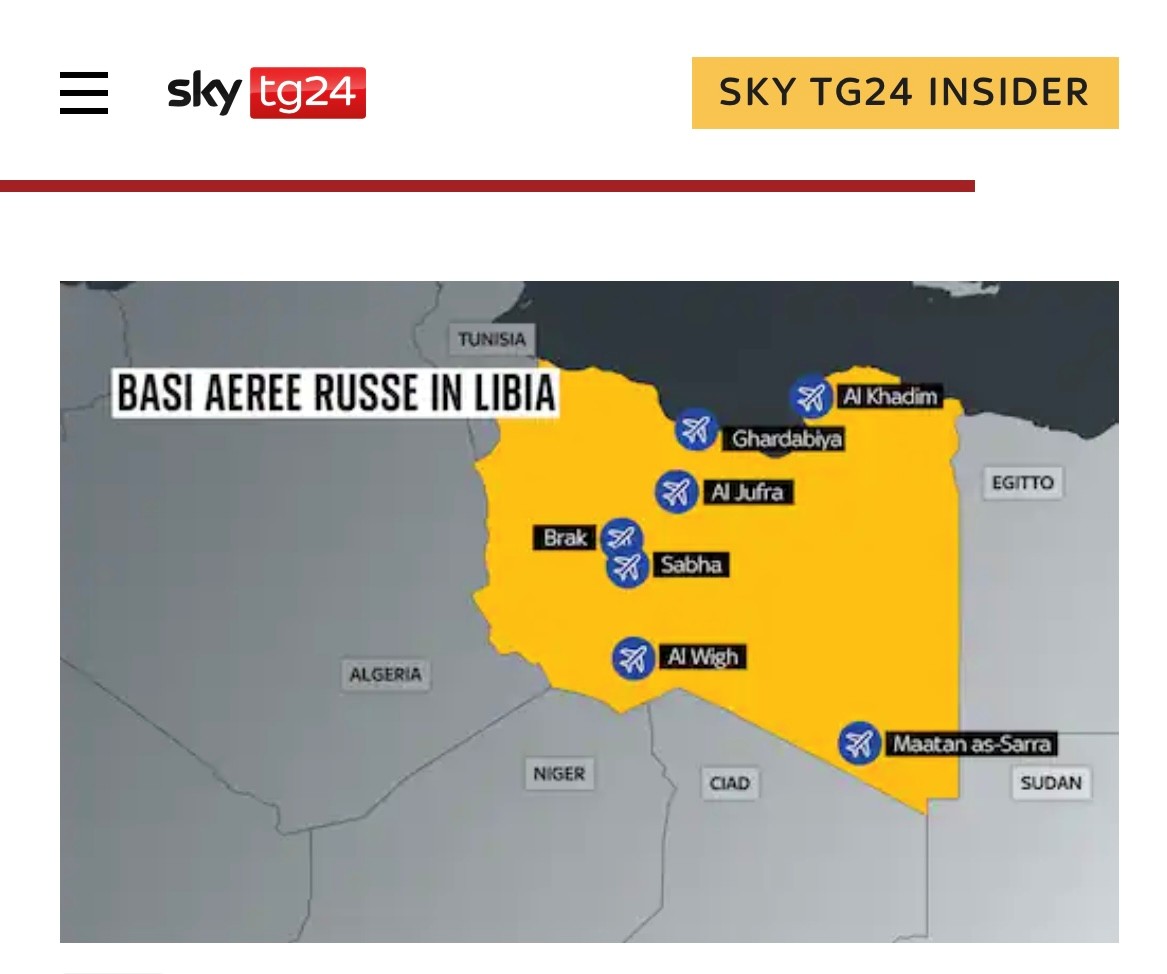
Russian troops are said to have taken possession of several junctions in Libya: the Al-Khadim airbases east of Benghazi on the coast; the Giofra airbase in the north-central part of the country; the Ghardabiya airbase near Sirte, also on the coast 700 kilometres from Italy; and also the Brak al-Shati airbase in the south-west.
Then there is the suspicion that the Russians have also established a presence in the Tamanhint air base, near Sebha in the centre of the country, about 1,100 kilometres from Sicily. The latter location is particularly sensitive because Moscow may have located launchers and medium-range missiles capable of reaching southern Europe there. The most pessimistic observers are sure of this, the most cautious place the probability of a Russian missile presence in Tamanhint above 50%.
In Tripoli, the officially recognised premier Abdul Hamid Dbeibeh, whose rivals the Haftars are, is looking increasingly weak: the drop in the price of crude oil, the loss of his grip on the national oil company and the central bank deprive the Tripoli premier of the money he needs to distribute to maintain the fragile truce between clans. The Pentagon is reportedly pushing Dbeibeh to try to impose his power in Tripoli by force, thus raising the stakes and the risks…
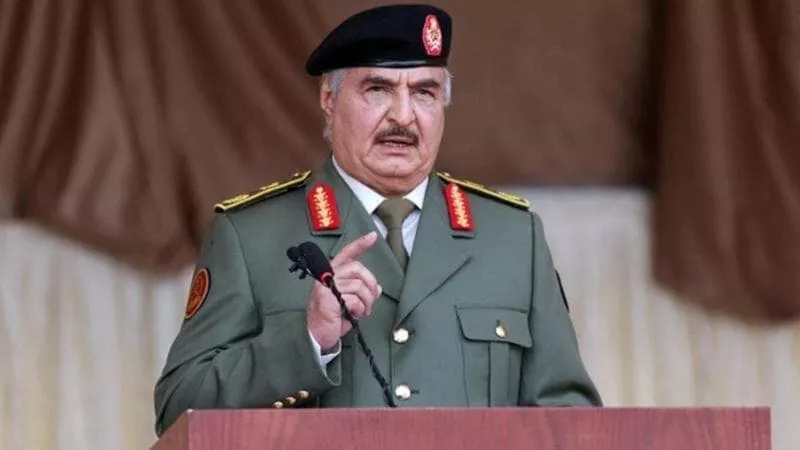
If the US has bet on Tripoli, the Russians – although they are present throughout the country – have instead bet more on Cyrenaica where General Khalifa Haftar (photo below) rules:
…Haftar, on the other hand, feels at the age of 81 that he has the last chance to impose his authority over the entire country and ensure succession for his sons. Today, Saddam and Khaled are installed at the top of the departments while Belgassem devotes himself to economic and diplomatic relations with an increase in visibility in the last period. There are those who believe that it is precisely the heirs, often at odds with each other, who are pushing for a tougher line against the Europeans, also leveraging migratory pressure. Thousands have sailed from Cyrenaica to Crete in recent weeks, putting Prime Minister Kyriakos Mitsotakis in serious difficulty. On 25 June, Mitsotakis deployed the fleet and spoke out with Tripoli: ‘We are not a wild vineyard’. And he intensified dialogue with Dbeibah. The Haftar clan was not intimidated: on Monday and Tuesday 1400 migrants landed in Crete, five hundred this morning.
Athens had always been close to Haftar, considered the counterweight to the Turkish presence in Tripoli. Now, however, the Marshal intends to ratify the Libya-Turkey treaty on the exploitation of submarine oil resources, which ignores Greek and Cypriot claims: a document rejected by the European Council. The issue of the fields also annoys Cairo, which in recent days has asked Washington to intervene to protect its interests. Meanwhile, the Haftars multiply their military relations with Russia and Belarus. Moscow’s aircraft land more and more frequently on Cyrenaica’s airports and unload weapons used to consolidate control over Fezzan, the country’s third-largest region rich in oil fields..
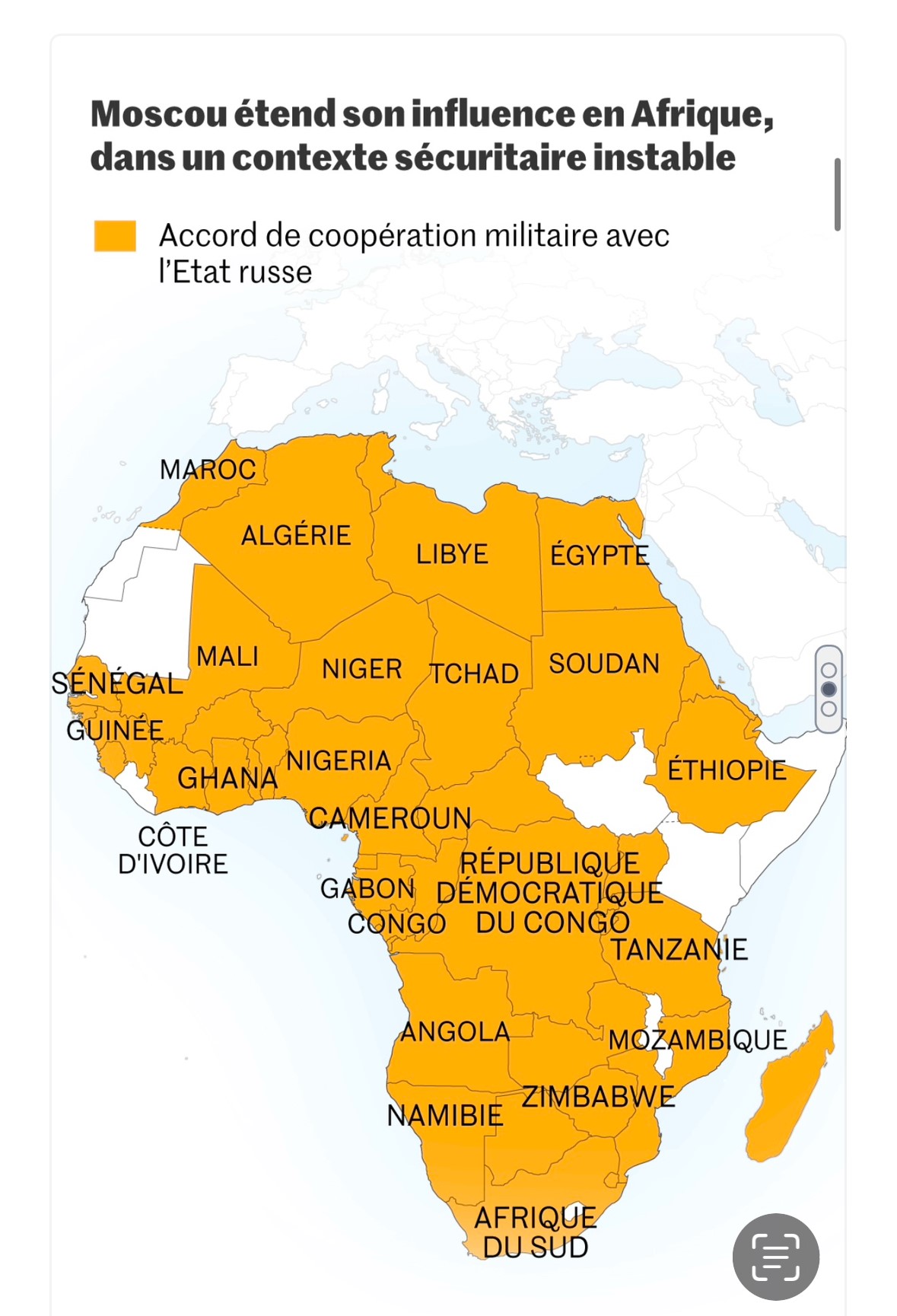
Below: in yellow the African states that have a military cooperation agreement with Russia (2024).
Conclusion:
- there is a lack of clarity on the Mattei Plan foragriculture in terms of the final objectives but also on the ongoing projects. The risk is that “friends of friends” (Bonifiche Ferraresi and Coldiretti) will be favoured without any transparency. While our agriculture sinks.
- on migrants, Guido Meloni ‘s merit was certainly that of having acted in person, even if externalisation entails the risk of delegation and the power of African states, whose USAID funds have been heavily cut: Filippo Grandi, the UN ‘s senior refugee official, has declared that the ‘catastrophic’ budget cuts to his agency are already driving more migration towards Europe. The UNHCR’s budget has been drastically reduced after US President Donald Trump cut his country’s funding from $2 billion to around $390 million this year. But European countries such as France, Italy and Germany have also cut support, exacerbating the crisis. The UN agency let go a third of its staff and put programmes worth $1.4 billion on hold. Grandi said he was very concerned about the situation in Tunisia and Libya (with Rwanda) . The feeling is that there is a lack of vision and unified coordination (states – UN) on migration issues.
- the unknown factors in the area are the strong presence of the Russians, but also Turkey and the United States, which would like to control the oil.
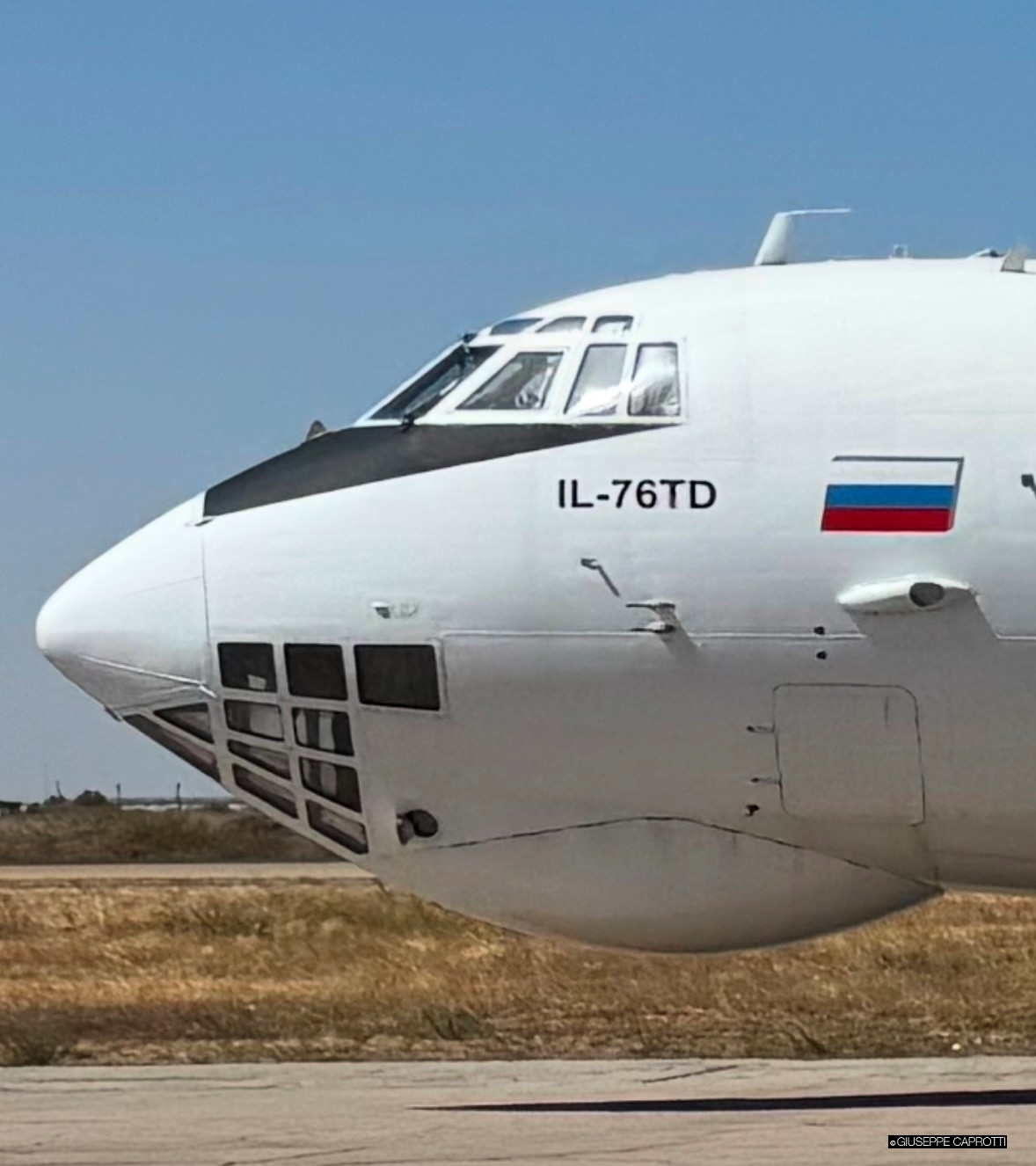
Below : Russian Ilyushin 76 TD aircraft in N’Djamena, Chad (2025)