Drafted 31 January, updated 3 March 2023
Pasta, industry loses in Tar: ‘Origin of wheat remains compulsory on label’
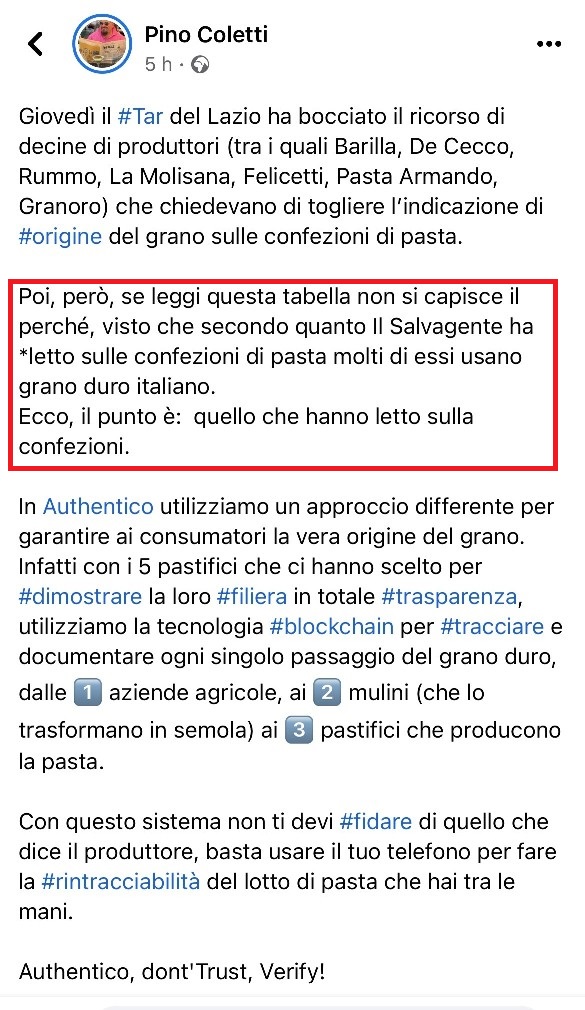
The Regional Administrative Court of Lazio has rejected the appeal by dozens of producers (including big names such as Barilla, De Cecco, Rummo, and La Molisana) who were asking for the origin of wheat to be removed from the packaging. Here is the list with the wheat origin of the brands sold in supermarkets
The Regional Administrative Court of Lazio, in rejecting the appeal by dozens of pasta producers asking to abolish theobligation to indicate theorigin of wheat on the label, reiterated that ‘it must be observed that the primary objective of the decree (Origine Decree, 2017) is to provide consumers with clear and transparent information on the origin of food products, in order to enhance their free and informed choice, in line with the provisions of EU Regulation 1169 of 2011″.
As reported byAnsa, the Lazio Regional Administrative Court, with two rulings rejecting two appeals by the companies F.lli De Cecco di Filippo Fara San Martino, Barilla G. e R. Fratelli, De Matteis Agroalimentare, La Molisana, F. Divella, Rummo, Pastificio Lucio Garofalo, Pastificio Battagello, Pasta Berruto, Colussi, Pastificio Rigo, Pasta Zara, Pastificio Felicetti, Pastificio Granarolo (the former) as well as Molitoria Umbra, Semoliere Giuseppe Sacco & Figli, Molino Grassi, Molino Casillo, Candeal Commercio, Deis De Sortis Industrie Semoliere, Industria Molitoria Mininni, Moderne Semolerie Italiane, Industria Agroalimentare De Vita, Grandi Molini Italiani, Semolificio Loiudice and Molino S. Paolo di Paolo Gallo & C.
Origin on the label: what the law requires
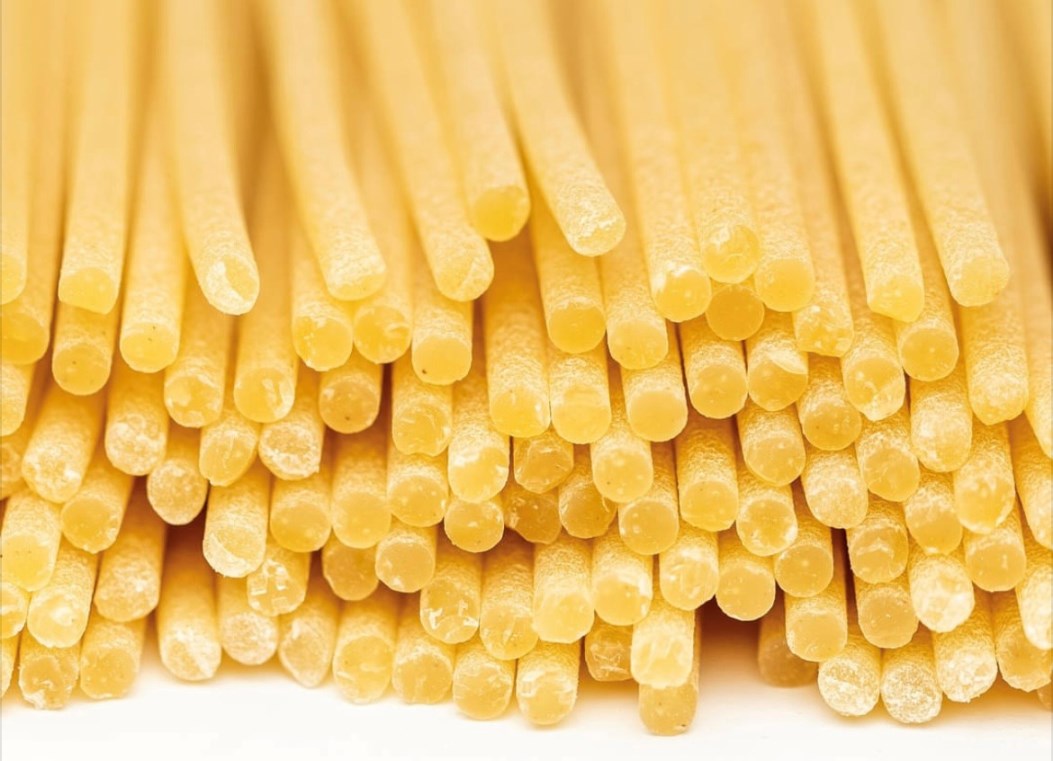
So it is worth reiterating what the law requires. The compulsory indication of the origin of wheat on pasta was introduced in 2017 by Italy, with the approval of the EU, on an experimental basis and has so far always been renewed year by year. According to the current rules, the following wording must be displayed on packages of dried pasta for the domestic market or sold in Italy:
– Country of cultivation of wheat: name of the country where the wheat is grown;
– Country of milling: name of the country where the wheat was milled;
– If these steps take place in the territory of more than one country, the following indications may be used, depending on origin: “EU countries”, “NON-EU countries”, “EU AND NON-EU countries”;
– If the durum wheat is grown at least 50% in one country, such as Italy, the wording: “Italy and other EU and/or non-EU countries” may be used.
Where does the wheat in the pasta we buy in supermarkets or discount storescome from? In the following graphic, we have listed theorigin of the raw material – indicated by law on the packaging – for the main brands. The complete test on the 20 spaghetti analysed is available digitally(buy here).
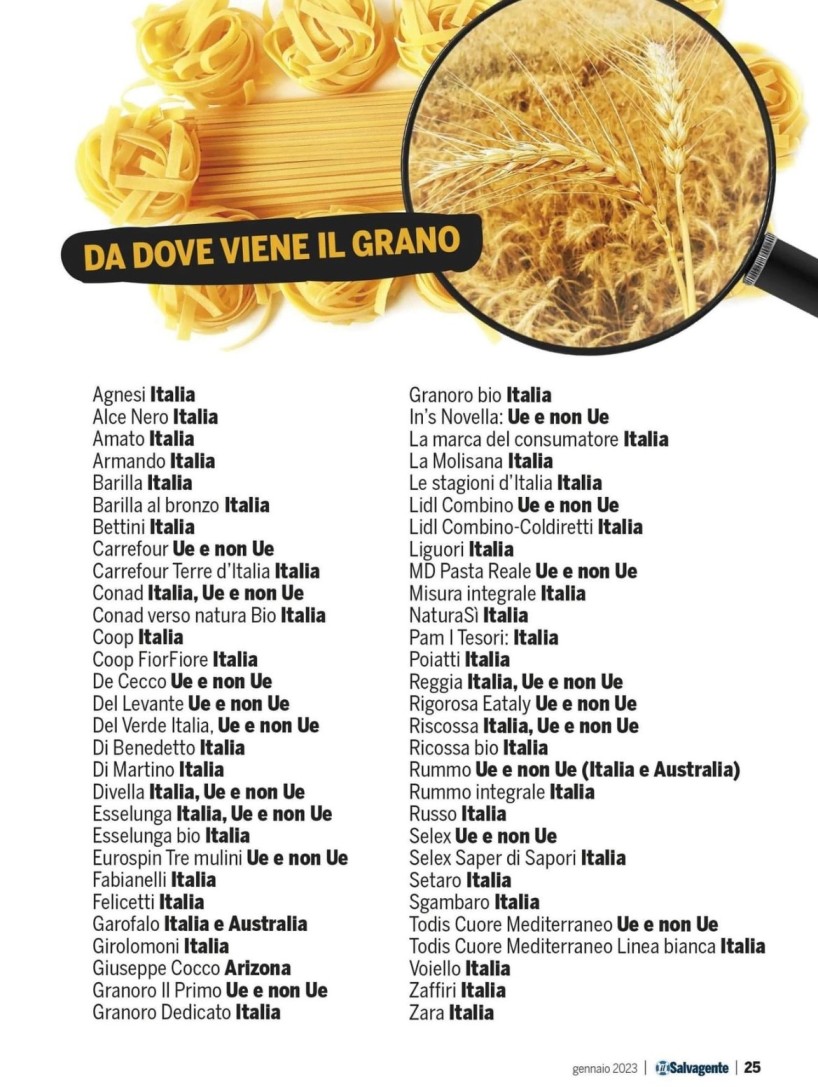
Obviously, such a manufacturers’ policy generates the suspicion that :
- there are those who make false claims on the label, see below.
- there are those who want to be clever, as has already happened in the past.
The story of Lidl’s Italiamo pasta is also interesting.
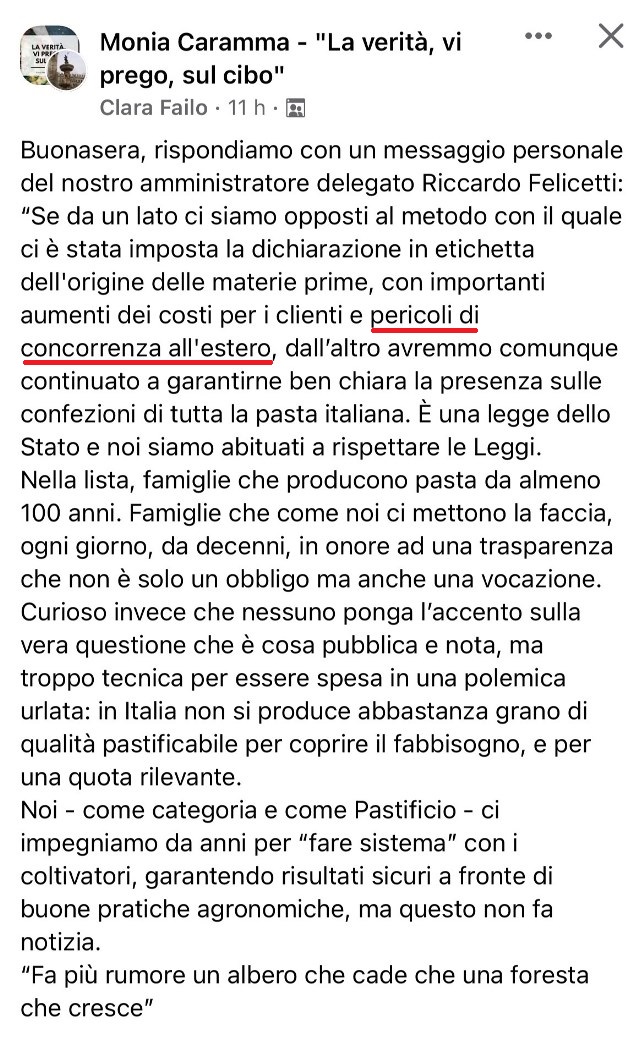
Some of the motivations of the pasta producers, represented by Riccardo Felicetti, are astonishing
The ‘cost increases’ and ‘not enough pasta-quality wheat is produced in Italy’ are certainly two weighty arguments, but it is not clear what the ‘dangers of competition from abroad’ (?) might be.
On the contrary, clear labelling should protect the most honest producers.