
The numbers and prospects of the catering industry
Tourism generates 9.8% of world GDP (€873 billion in 2013). In 1950 there were 20 million tourists, in 2030 there will be 1.8 billion but there is no ‘Italian tourism policy’


Tourism generates 9.8% of world GDP (€873 billion in 2013). In 1950 there were 20 million tourists, in 2030 there will be 1.8 billion but there is no ‘Italian tourism policy’
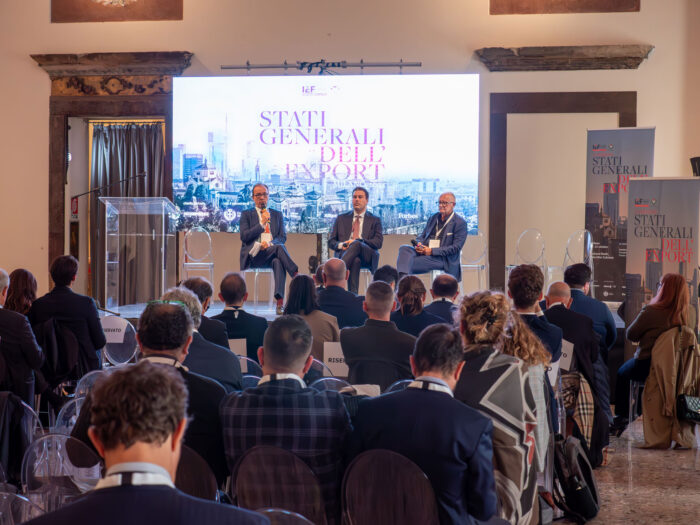
From the missed national champion of the 1960s, with GS – Esselunga, to the multi-regional companies of today. The opportunities missed by Italian large-scale retailers in e-commerce but also in the acquisitions that foreign retailers are making instead
(…) Let’s start thinking of a dossier that shows how, from both the members’ and the social point of view, cooperatives are enterprises like any other. It follows that the favourable conditions from which they benefit are state aid. We set up an internal working group and (…) gather all the necessary documentation to support our conviction. The dossier will then be taken to Brussels by Federdistribuzione and will change, at least in part, the taxation of cooperatives. In their defence even Massimo D’Alema is moving …
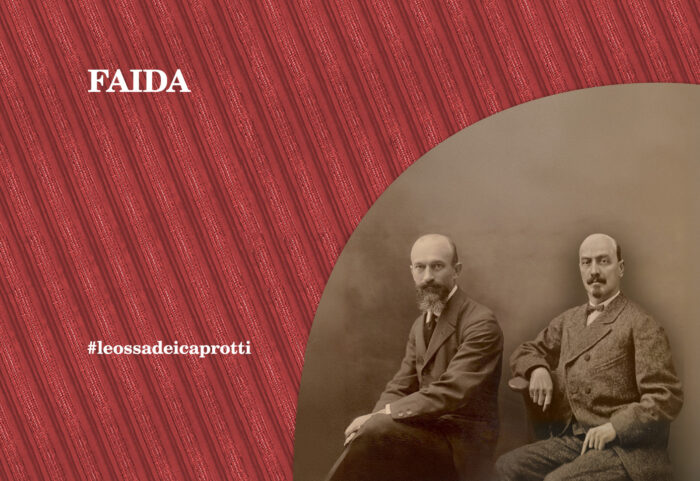
Aunt Virginia was the family peacemaker at a time of great feuds: the good work of keeping at bay two men who were able to tear each other apart at work whether they were competitors or partners had to be continued successfully by spouses and nephews, as the two, in their older years, used to spend Christmas together and with relatives
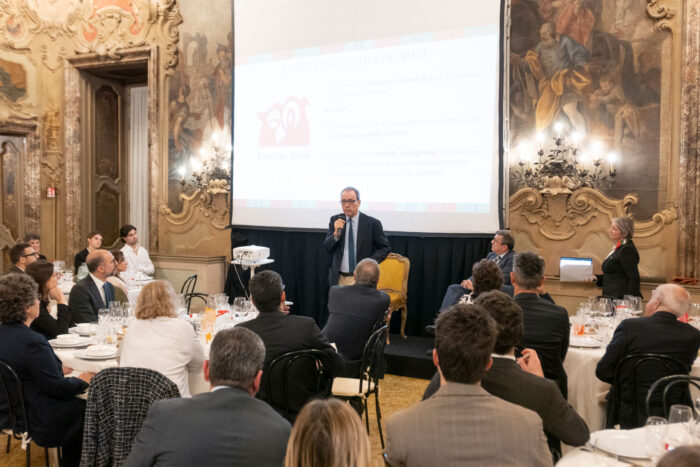
An exceptional evening for the quality of the speakers
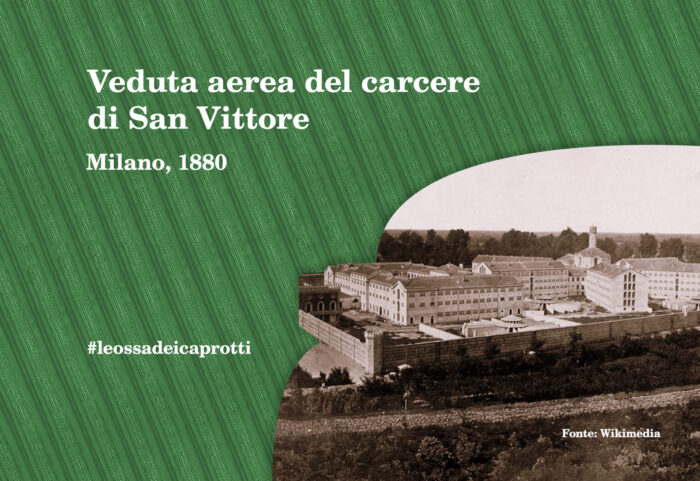
When, in the early post-unification years, the Caprottis built their first large factory in the true sense of the term, eventually finding themselves with thousands of square metres of space, they were initially not quite clear what to put in it. They probably envisaged a kind of ‘centralised manufacturing’, and to this end they purchased various machines by turning to various manufacturers, including the Milanese prison of San Vittore whose director, Eugenio Cicognani, was personally passionate about and invented a newly developed regulator loom, built by the inmates.
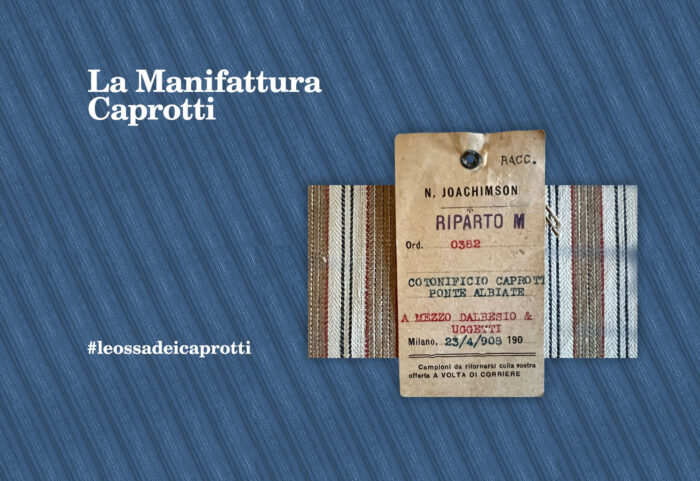
Bernardo Caprotti, an agricultural owner, founded Giuseppe Caprotti’s Bernardo Caprotti cotton weaving company on his land in Ponte Albiate. Caprotti’s company was still based on an almost pre-industrial production system: few simple machines, many warehouses, worker-farmers weaving mainly at home. In 1866 there were about 1500 of them. However, the great industrial revolution that would transform Europe was underway…
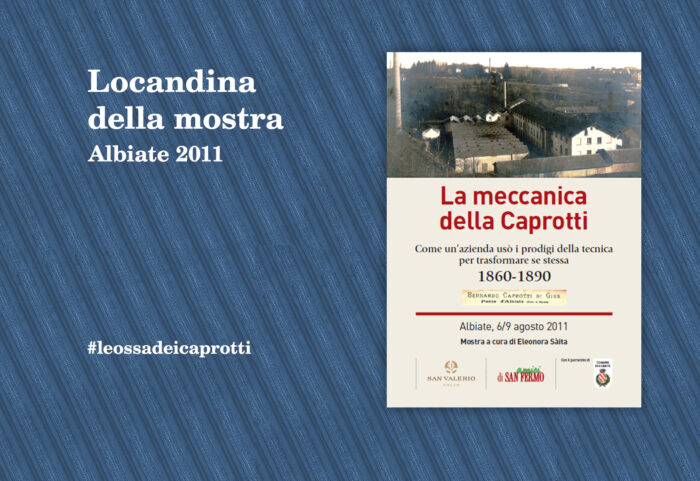
The collection contains about 100 industrial drawings, some of them very beautiful, all of them interesting. These images tell the story of Manifattura Caprotti and, in 2011, were the subject of an exhibition
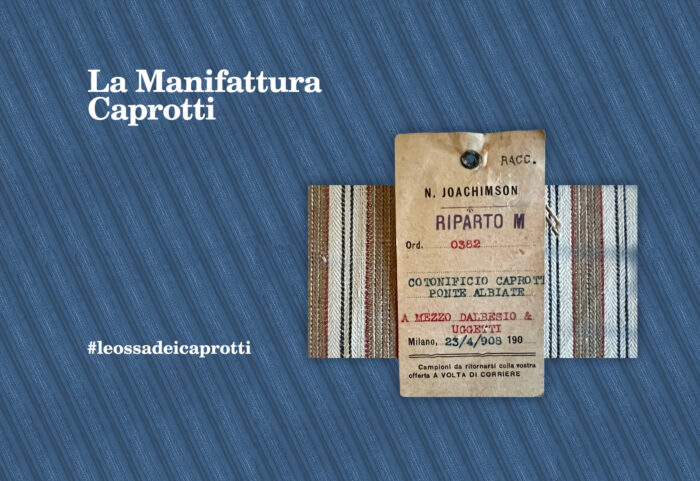
Solid bleu linings/Oil-dyed linings/Oil-dyed men’s fillets/Solid-coloured overstretched linings/Common linings, and these are most commonly used, especially if they are beautiful in design and colour and reasonably priced
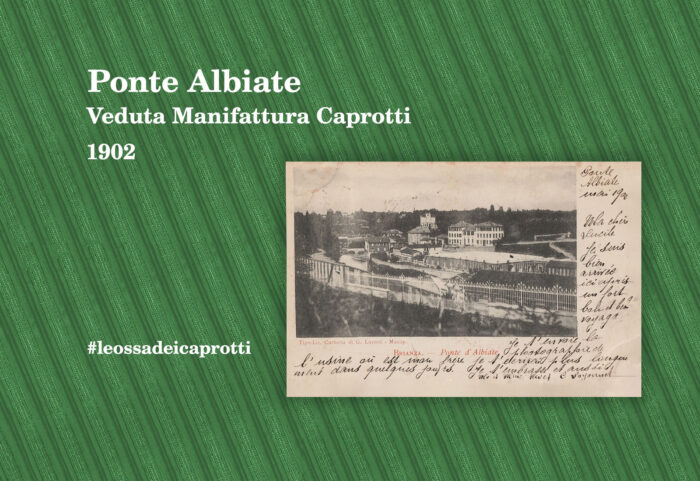
This project stems from the desire to preserve the historical memory of Manifattura Caprotti, which has represented much more than a company: it has been the beating heart of the entire Albiate community, a symbol of innovation and dedication, and has represented the family’s industrial roots, which later led to the acquisition of a majority stake in Esselunga