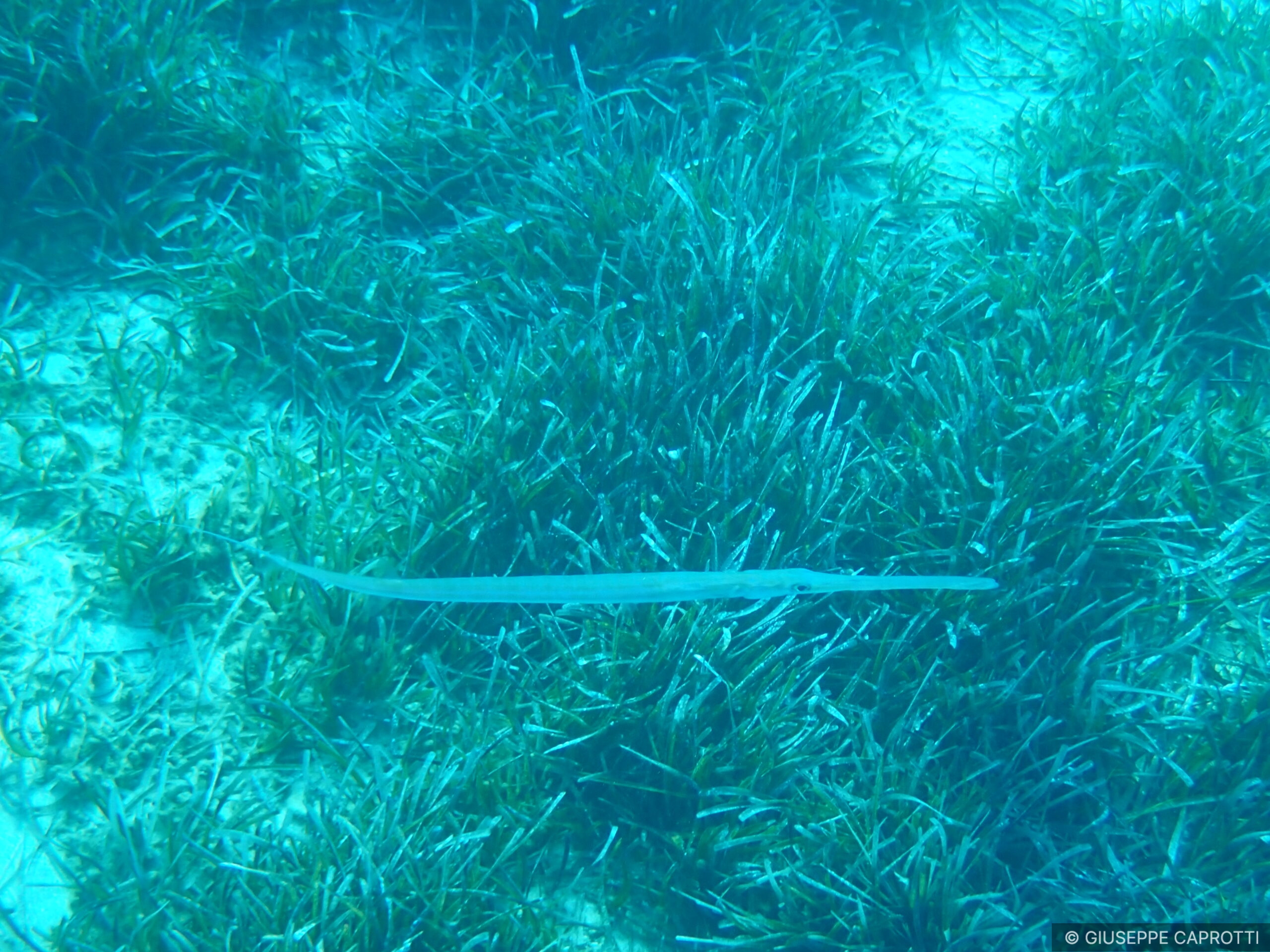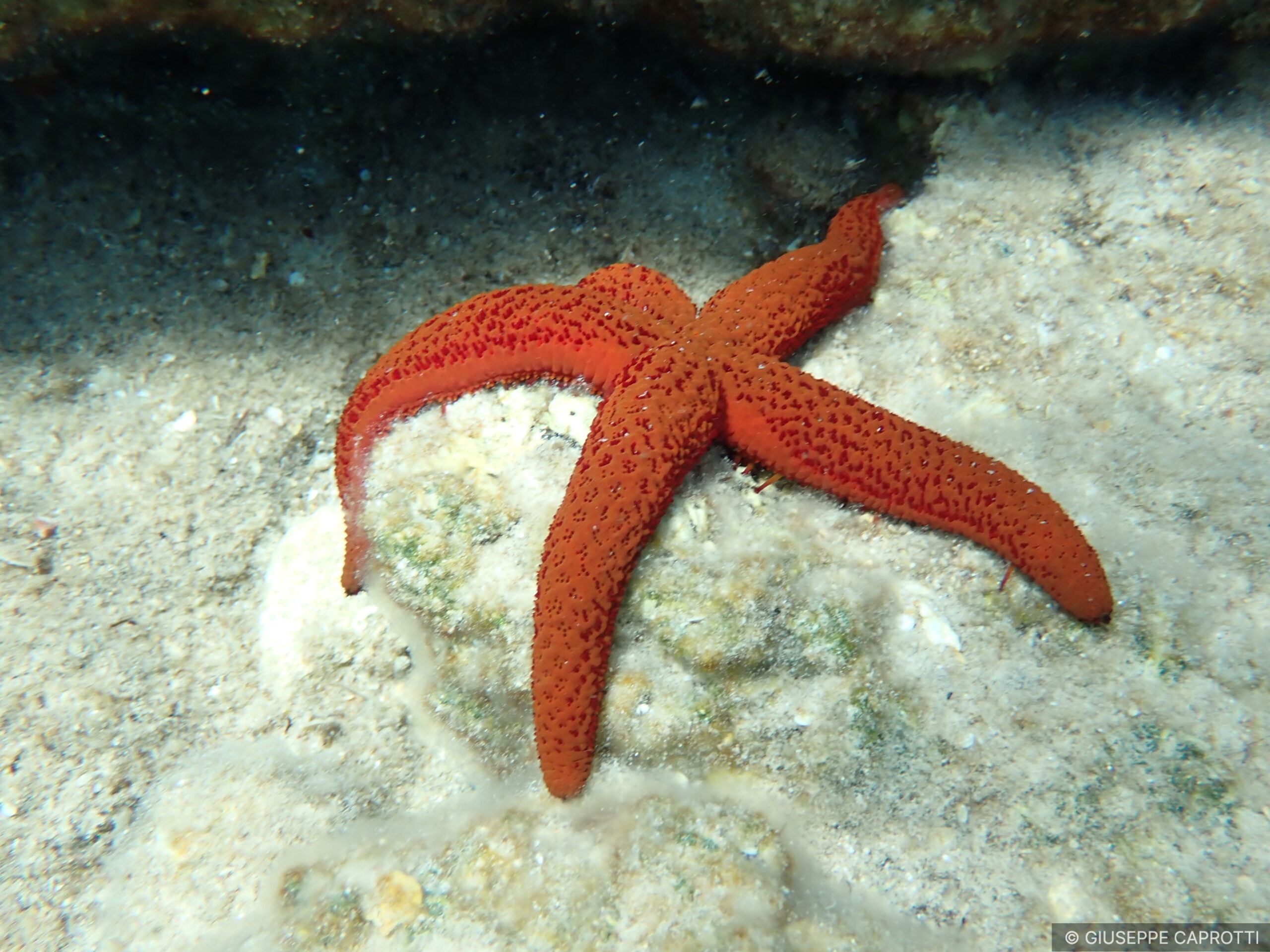
The most exciting encounter of 2026: the one with a starfish, in Greece.
Written on 15 July 2022, updated on 26 August 2026
Starfish are beautiful creatures that live in the seas all over the world. They are not at risk of extinction, although they are affected by ongoing climate change, but they are often threatened by the thoughtless behaviour of humans who are unaware of their innate fragility. Gaia Cortese
There are2,000 species of starfish in the world’s oceans. They are beautiful, unique creatures, but above all verydelicate. Unfortunately, they too are threatened byclimate change, and starfish can suffer particularly fromrising sea and ocean temperatures.
In recent years, for example, a dozen species off the north-western coasts of the Pacific Ocean have been affected byidiopathic wasting syndrome(Asteroid idiopathic wasting syndrome). Whilst the causes of this disease may be either environmental or pathogenic, in the case of the Pacific, a mass die-off of starfish has nevertheless occurred, to the extent that this syndrome has been declared the most widespread and destructive disease ever to affect marine invertebrates, with worrying consequences for the balance ofmarine ecosystems as well. Between 2013 and 2014, the outbreak decimated, in particular, the population ofsunflower sea starsand other larger species of sea star.
Another danger for starfish isexposure to air, which in several species can even cause an embolism with fatal consequences for the animal.Starfishhave gills on their bodies, which they use for the gas exchange necessary to stay alive. Removing a starfish from the water deprives it of the ability to breathe. But what perhaps not everyone realises is that even a few seconds out of the water can be fatal; moreover, starfish that have been exposed to air are at risk of dying froman embolismeven days later, even if they are returned to the water.
Starfish must not be touched.It is, in every respect, improper behaviour; an immoral act that harms the ecosystem and the environment, and is punishable by law.Article 544 of the Criminal Code, in fact, states:‘Anyone who, out of cruelty or without necessity, causes injury to an animal or subjects it to torture or to behaviour, exertion or work that is unbearable given its ethological characteristics shall be punished with imprisonment for a term of between three and eighteen months or with a fine of between 5,000 and 30,000 euros.”
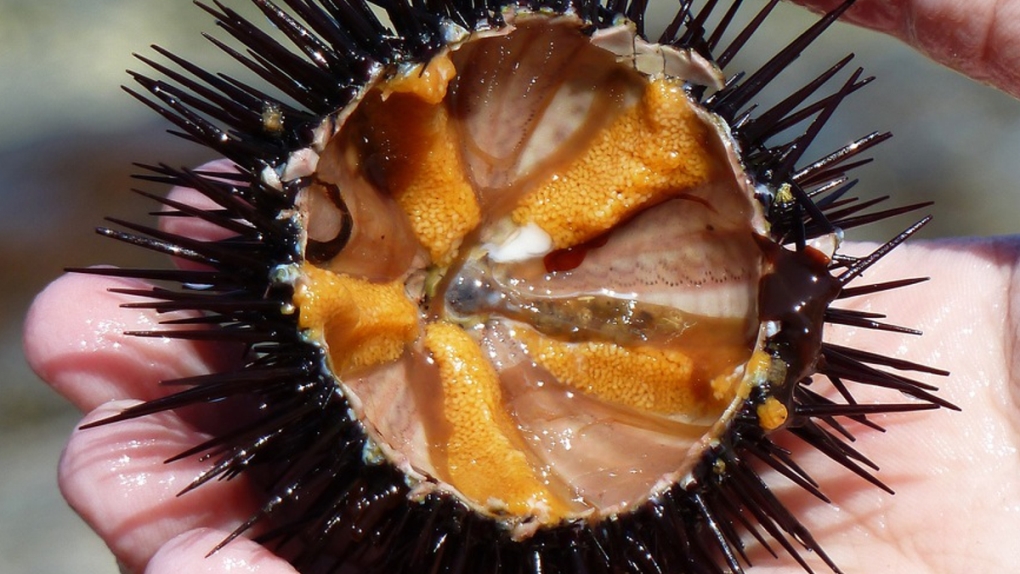
- Sea urchins, on the other hand, are facing extinction. Above, a raw sea urchin: on Google, recipes featuring sea urchins appear well ahead of any news stories reporting that they are now in short supply in the Mediterranean.
Anyone heading to the seaside – or even to a restaurant – this summer needs to be aware of this.
So much so that some are even offering a dish designed to combat the extinction of sea urchins
- Meanwhile, regarding tropical fish – which have been present in our seas for many years now – ISPRA and CNR IRBIM report that the spotted ballfish, scorpionfish, dark rabbitfish and striped rabbitfish: these are four invasive alien species of tropical origin that arrived via the Suez Canal and have been reported in Italian waters – for the first time in Sicily – and which require vigilance to avoid unpleasant incidents. I happened to see a scorpionfish in Zakynthos (Greece),
The Mediterranean is heating up, as we were already saying a few years ago: water temperatures off the coast of Marseille are currently 6.5° higher than the seasonal average.
Read also: Eating octopus depletes the sea and does not solve the world’s food problems.
In Puglia, sea urchin fishing is banned for the next three years, but will anyone be enforcing it?
Below: Posidonia seagrass – pictured below – partially absorbs CO₂ emissions but is threatened by rising water temperatures; read more on this: Posidonia oceanica is the green heart of the Mediterranean, but it is disappearing.
Thanks to Lorenzo Barendson.