The history of the “Impresa di costruzioni Ing. A. Morganti” (known since 2012 as “Morganti Impresa di Costruzioni S.p.A.”), is closely intertwined with the history of the construction industry in Italy throughout the 20th century, bringing to life and completing many of the major projects involving houses, roads, industrial facilities and, their speciality, prefabricated structures. It was primarily for this reason that they came into contact with the Caprotti family, first in connection with the Albiate textile mill, and later with Esselunga.
MORGANTI
The company was founded in 1905 by Alfonso Morganti (1873–1927), an engineer and builder; his brother Antonio, meanwhile, ran the family’s textile business. From the 1920s onwards, Morganti – which until then had focused solely on residential buildings – took part in the construction of the Milan–Laghi, Brescia–Bergamo and Milan–Turin motorways. For the Milan–Laghi motorway, opened in 1924, Morganti built the bridge over the River Olona on the Milan–Busto Arsizio section – one of the earliest examples of reinforced concrete infrastructure of the period and one of the key structures of the world’s first toll motorway system.
Alfonso died in 1927, whilst his son Renato was still a student; he took over his father’s company – which had until then been run by a managing director – after obtaining degrees in architecture and engineering from the Politecnico di Milano in 1931. The following year, he married Ada Baggio, and from this marriage came their two sons, Alfonso (1935–2017) and Tono (1939–).
With Renato at the helm, Morganti firmly established itself amongst the elite of construction firms: between 1931 and 1934, it built half of the large Niguarda hospital complex; in 1932, it blasted through the rock to prepare the site for the future Gaslini Institute in Genoa; in 1943, she excavated the air-raid shelter in Piazza del Duomo in Milan, which would become a shopping arcade after the war, not to mention projects at virtually all the major factories in Lombardy – Magneti Marelli, Pirelli, Carlo Erba, Franco Tosi, and the construction of buildings that remained familiar features of everyday life for many years, such as the entrance pavilion to the Milan Trade Fair in Piazza Giulio Cesare (1947) and the arrivals and departures area at Malpensa Airport (1953–1954).
“In 1962, Morganti joined forces with MBM (Meregaglia-Balency-Morganti) to build entirely prefabricated housing estates (the Olmi district in Milan). From 1965, a period of major projects in Sardinia began, first for Snia in Villacidro (Vs) and subsequently for Saras in Sarroch (Ca) and other industrial firms. In 1966, the company’s headquarters were moved from Via Cossa to Via Barozzi, where they remained until 2000, when they were relocated to Via Canzio. From 1960 to 1969, Mr Morganti served on the governing bodies of Assimpredil, of which he was president between 1960 and 1963. At Assolombarda, he was a member of the Executive Committee from 1961 to 1971.” (“STRAMBIO DE CASTILLA, Assimpredil tells its story”).
Furthermore, Renato Morganti, working in close collaboration with the cultural heritage authorities, personally oversaw and directed numerous restoration projects on churches and monuments, including the Milanese church of S. Pietro in Gessate and the Masolino Baptistery in Castiglione Olona. A poet in his own right and a talented engraver, he held several solo exhibitions, the proceeds of which were always donated to charitable organisations.
THE CAPROTTI FAMILY AND MORGANTI
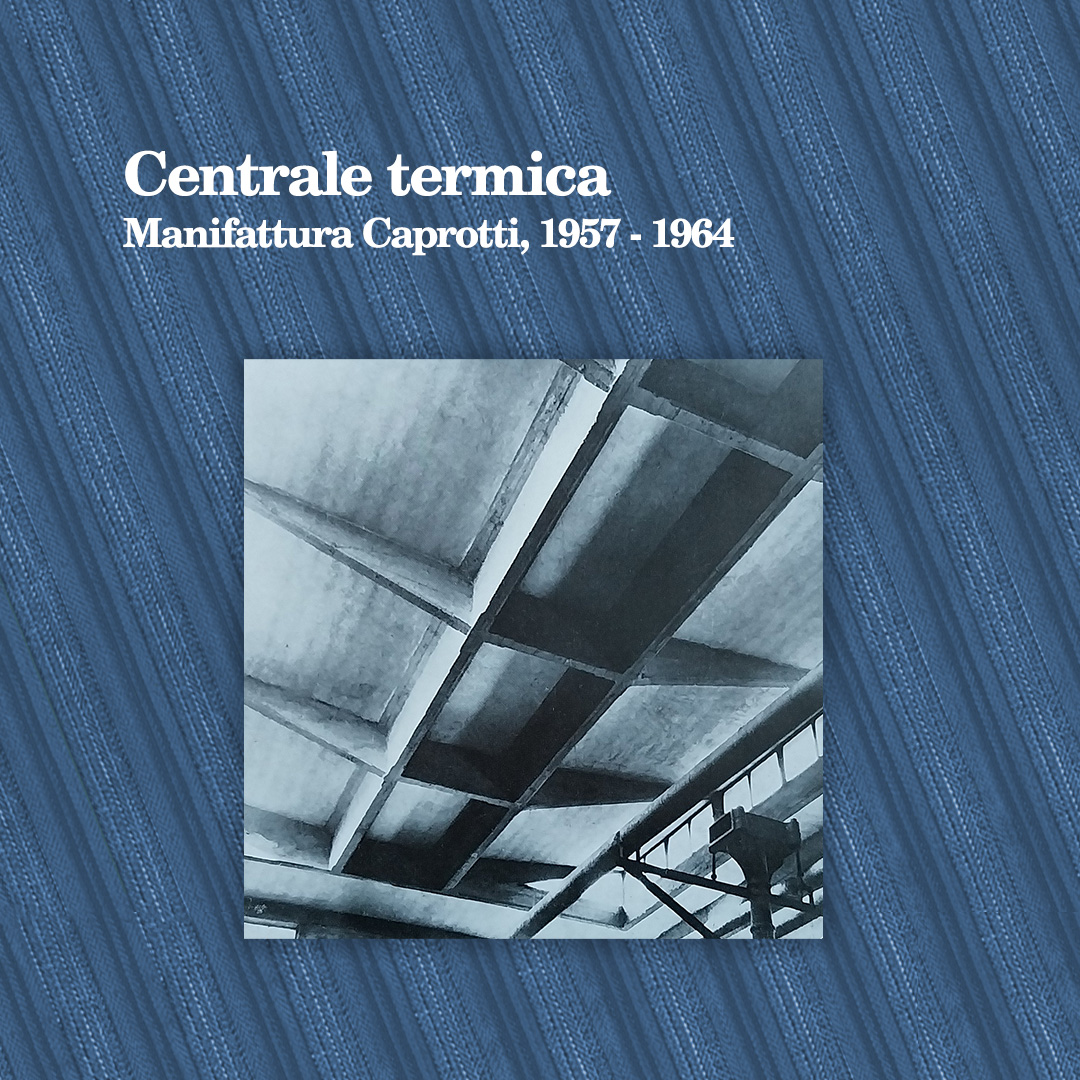
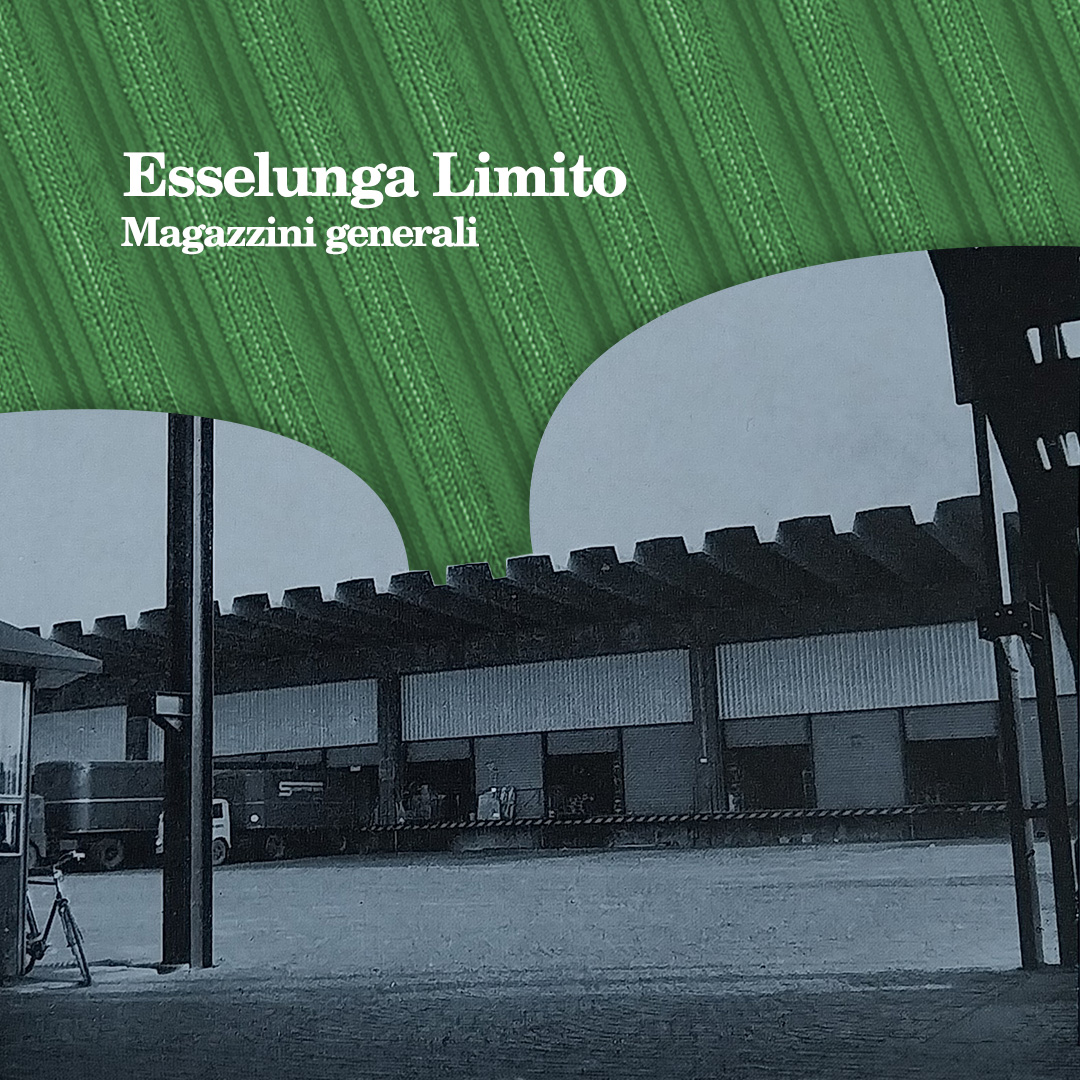
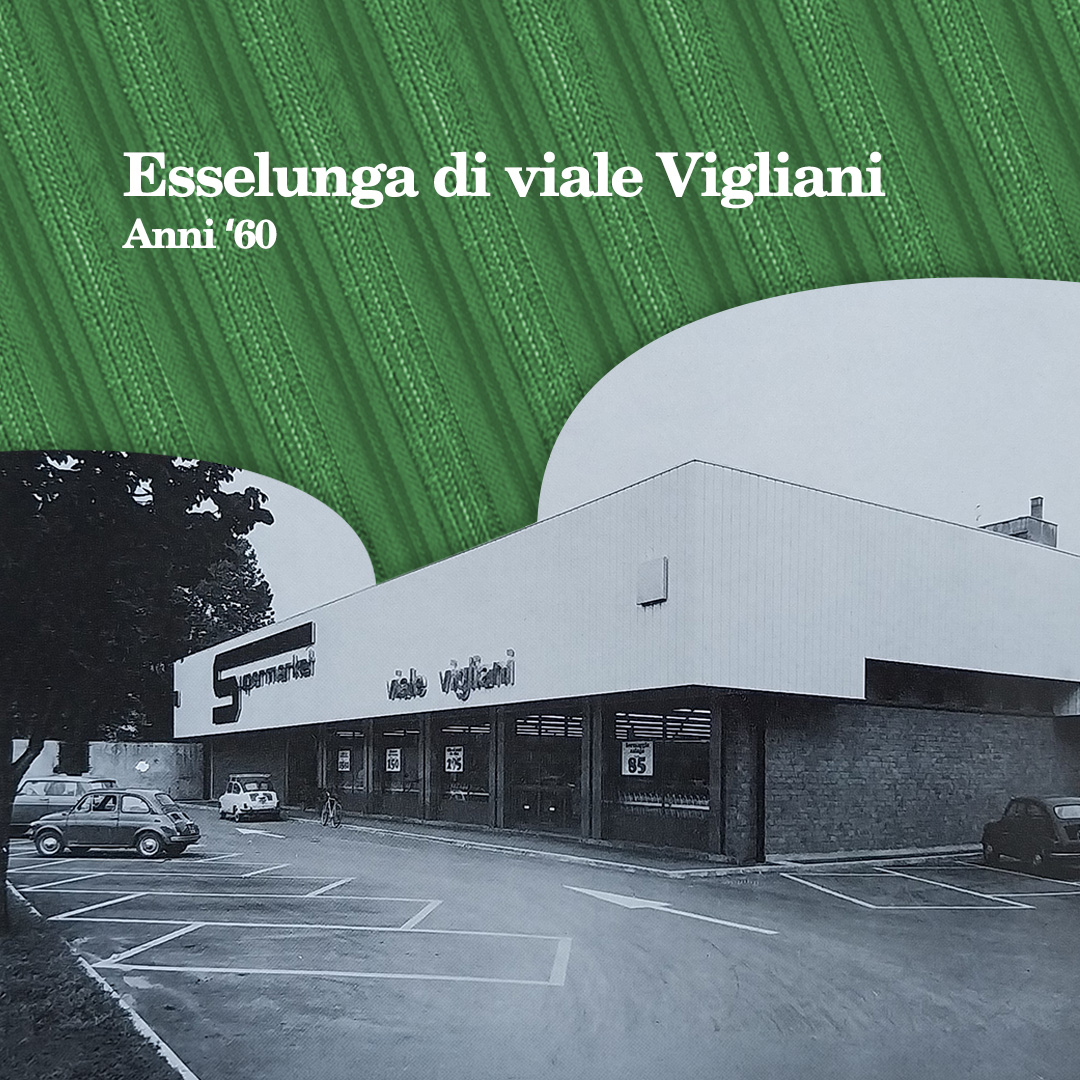
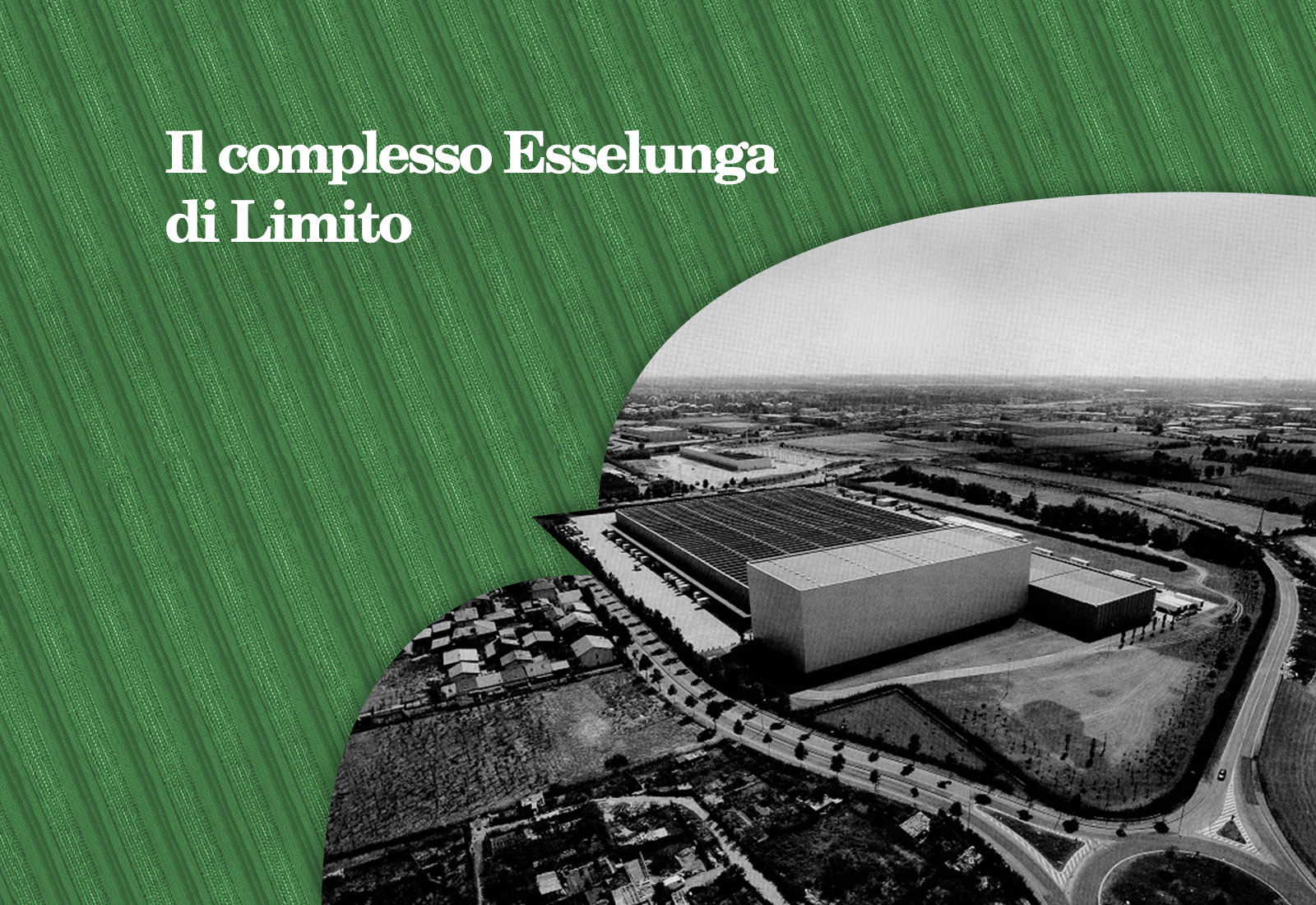
“Inthe post-war period, the Morganti company was very active in road works and the construction of industrial plants, particularly for the textile industry. Thanks to a project for the Caprotti factory in Albiate, Renato forged a strong relationship with the Caprotti family, who entrusted the Morganti company with the construction of numerous supermarkets for the Esselunga chain throughout Italy. Its specialisation in department stores enabled Morganti to work for Rinascente and Upim as well ( “STRAMBIO DE CASTILLA, Assimpredil tells its story”). However, Morganti’s involvement was not limited to this: many of the buildings in the large complex housing Esselunga’s headquarters in Limito were built by them, and seeing the photographs of the structures’ gradual development – meticulously documented in the books the company itself produced as a tribute and promotional material for its customers – always evokes a certain emotion.
Renato’s successor, his son Alfonso, became a friend of my father Bernardo, who, amongst other things, persuaded him to finance the renovation of the PAC (the Pavilion of Contemporary Art in Milan), which was rebuilt to a design by Ignazio Gardella, a great architect who was also a friend of Bernardo’s and the designer of several Esselunga shops; opened in 1954, the PAC has since been one of the most prestigious venues for contemporary art. It was Alfonso who, one day, ‘whilst we were walking along Via Manzoni in Milan (…) told me about things that only I should know’, fuelling the suspicion I already harboured that my landline and mobile were being tapped, during the months when the darkest period of my life was beginning (Caprotti, “Le ossa”, p. 277).
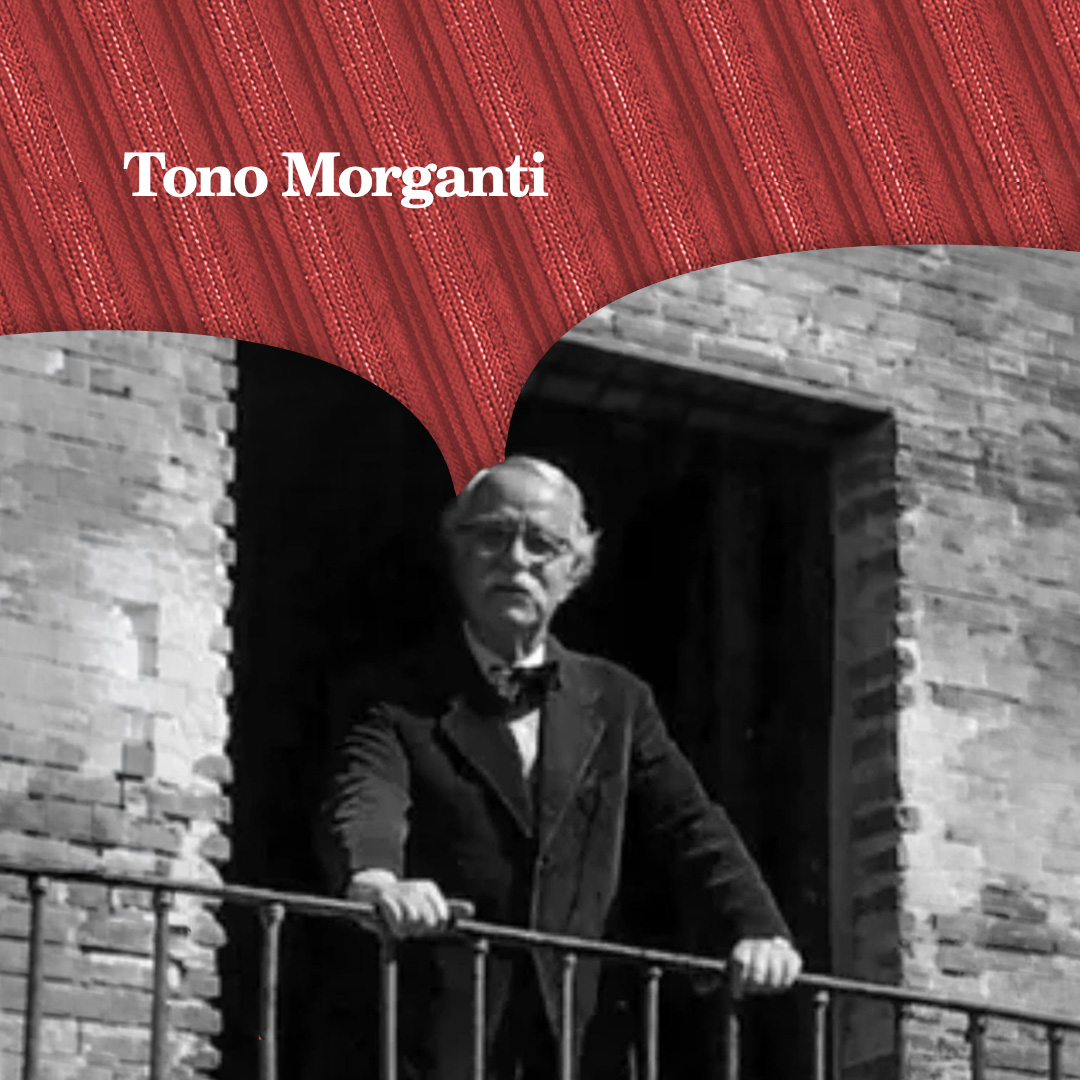
Alfonso’s brother, Tono, an internationally renowned architect and, from 1989 to 2009, chairman of the board of directors of the Morganti firm, also worked with my father, who, however, at a certain point treated him very badly; since then, the architect has always refused to have anything to do with him.
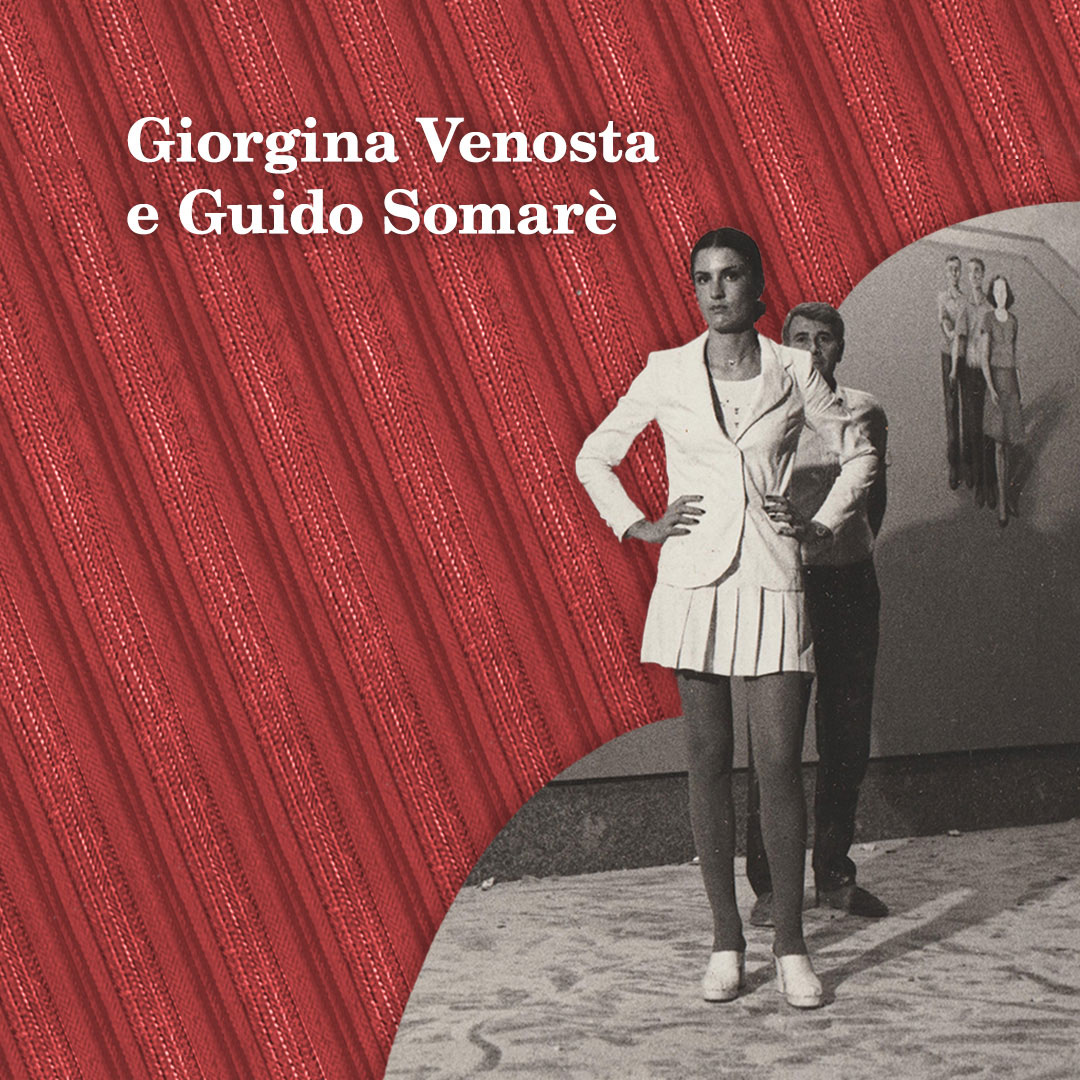
I knew all three of them: Renato, Alfonso and Tono. The latter was a close friend of my mother, Giorgina Venosta, and also knew her brother, my uncle Beppe Venosta. My mother and Tono were, incidentally, neighbours for many years, as Morganti had its headquarters in the beautiful building he had constructed in the early 20th century on Via Barozzi, a stone’s throw from Via Vivaio, where my mother lived with Guido Somarè. The Venosta family home was also on Via Vivaio – bought by mygreat-grandfather Giuseppe – where mygreat-uncle Gigi, Guido Venosta’s brother, still lived .
I was very fond of Tono; the last time I spoke to him was in 2021, when my mum passed away.
Alfonso had given me two enamel pieces, works of art by his father Renato, which I treasure greatly.
Bibliography:
G. CAPROTTI, “Le Ossa dei Caprotti. An Italian History”, Milan 2024/3.
“Ing. A. Morganti s.a.s. Construction Company. Founded in 1905. Civil, road and industrial construction and prefabricated structures”, Milan, September 1970.
A. STRAMBIO DE CASTILLA,“Assimpredil tells its story… Institutional bodies 1960–1963 – Biography of the President – Renato Moganti”, updated January 2009.
M. GREGORETTI,“This is how I remember Alfondo [sic] Morganti”, in “Dedalo. Regenerating Cities” 2017, issue 8.
“Tono Morganti”, profile on “DePadova”.
MORGANTI COSTRUZIONI S.p.A., LinkedIn profile.