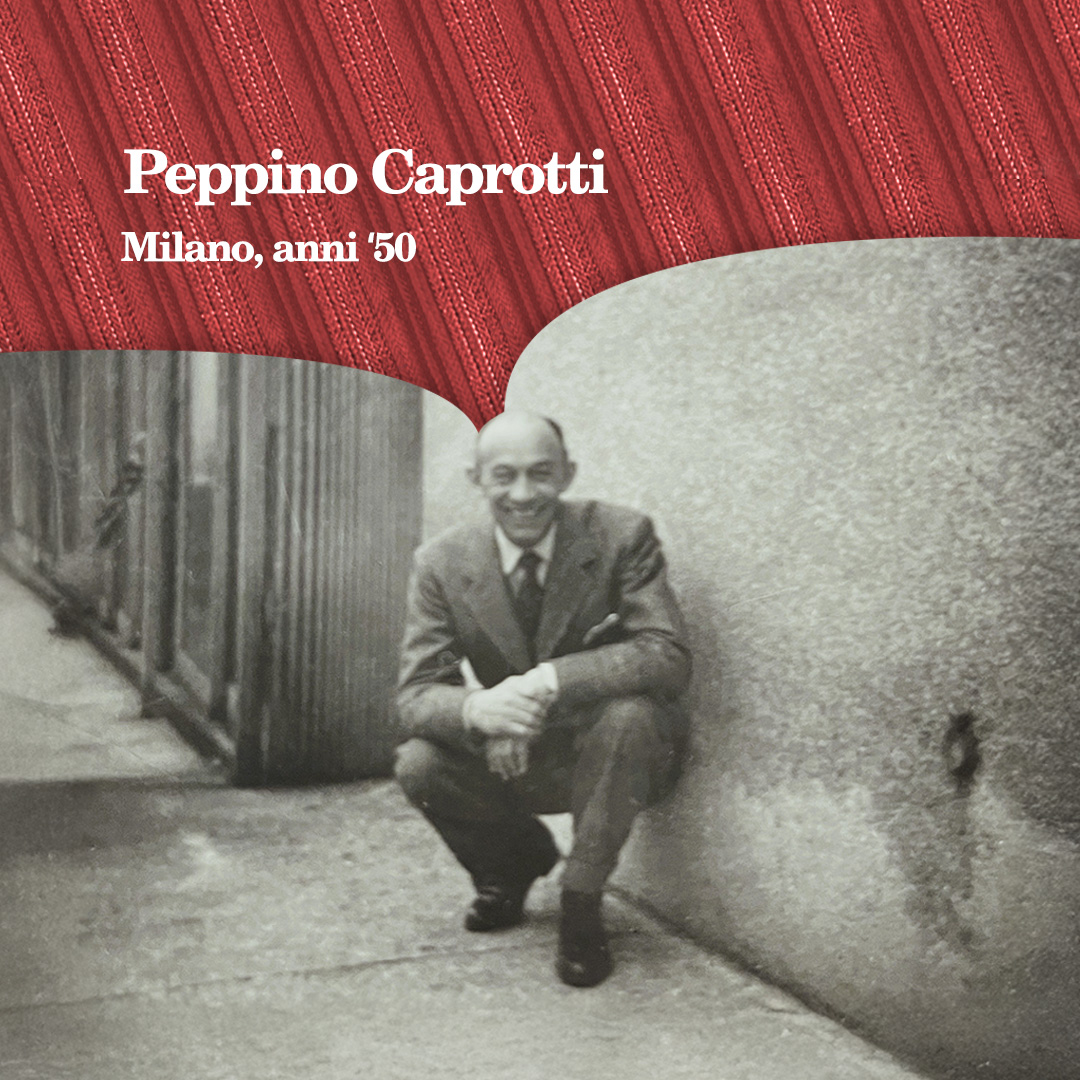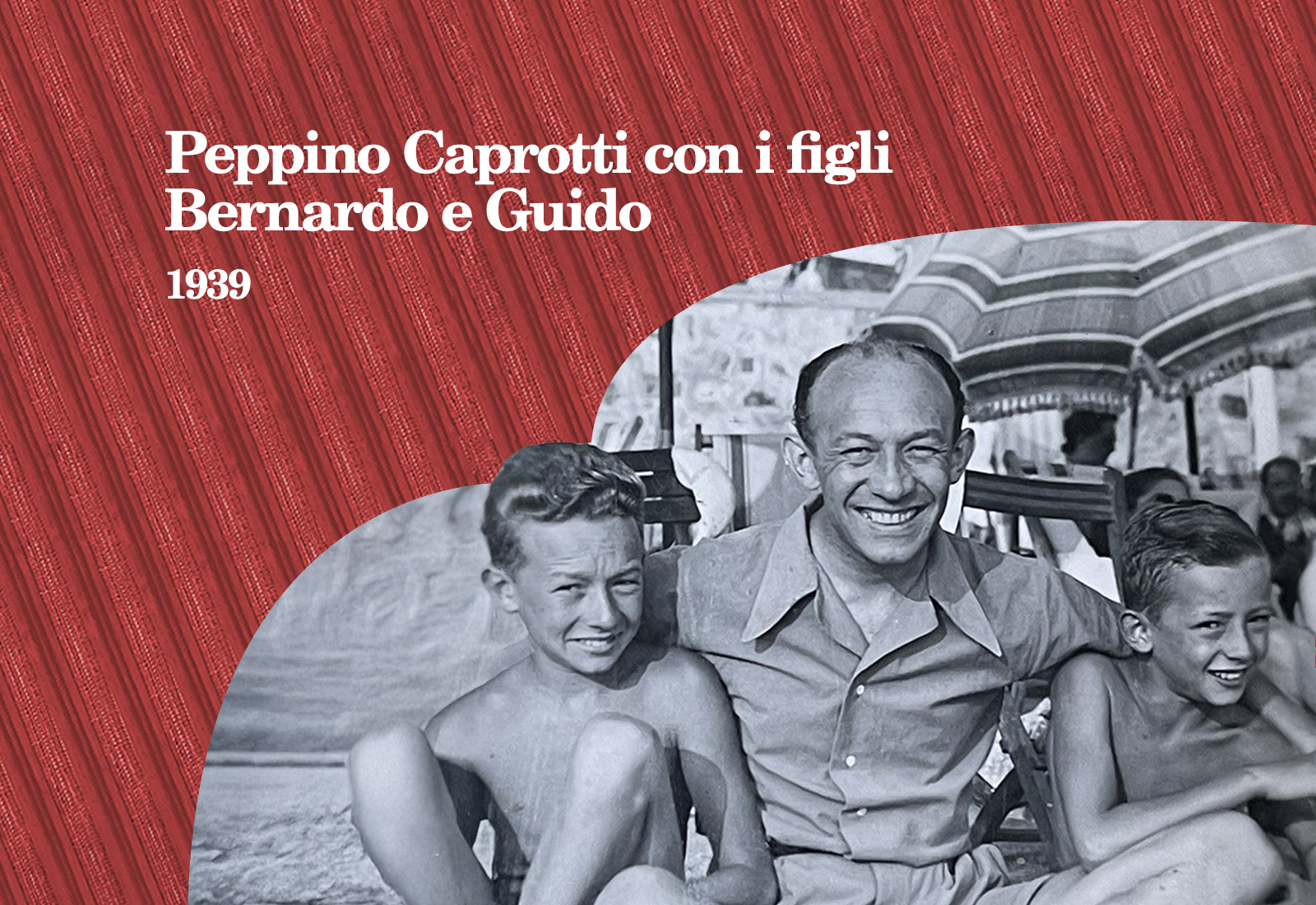
The men of the Caprotti family never had an easy character, as can be seen and read in the numerous testimonies left behind over time, from letters from family members to the documents pertaining to the textile factory that bore their name and was based in Albiate for more than a century and a half. They were sanguine, quarrelsome, easily ignited, competitive and sometimes ruthless. But they could also be cheerful, enthusiastic, vital, and felt a deep affection for the family, even if this same powerful vitalism and strong competitiveness often led to misunderstandings and jealousies that were difficult if not impossible to recompose. Grandpa Peppino’s story is not very different from the general picture.
A sanguine, competitive and proud temperament
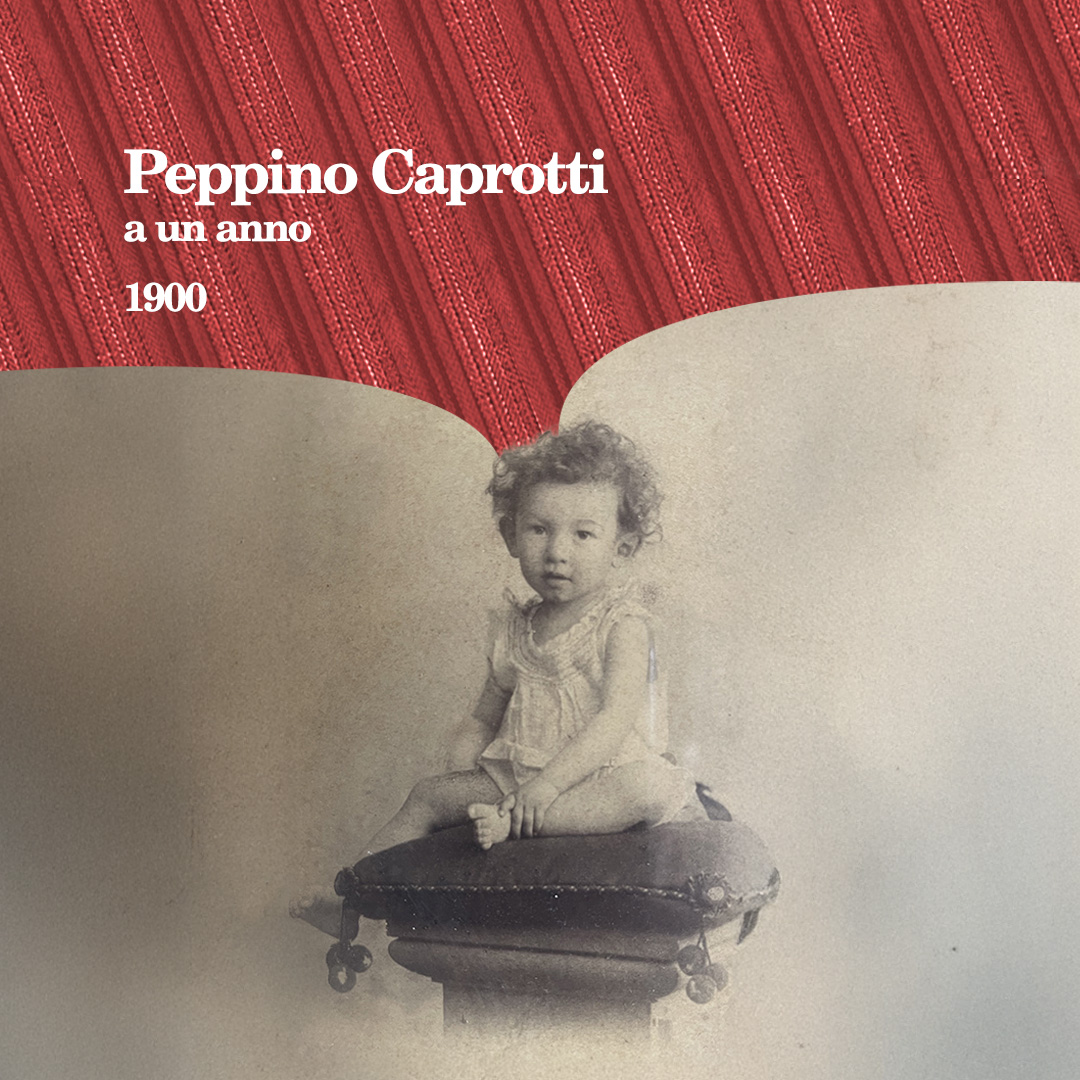
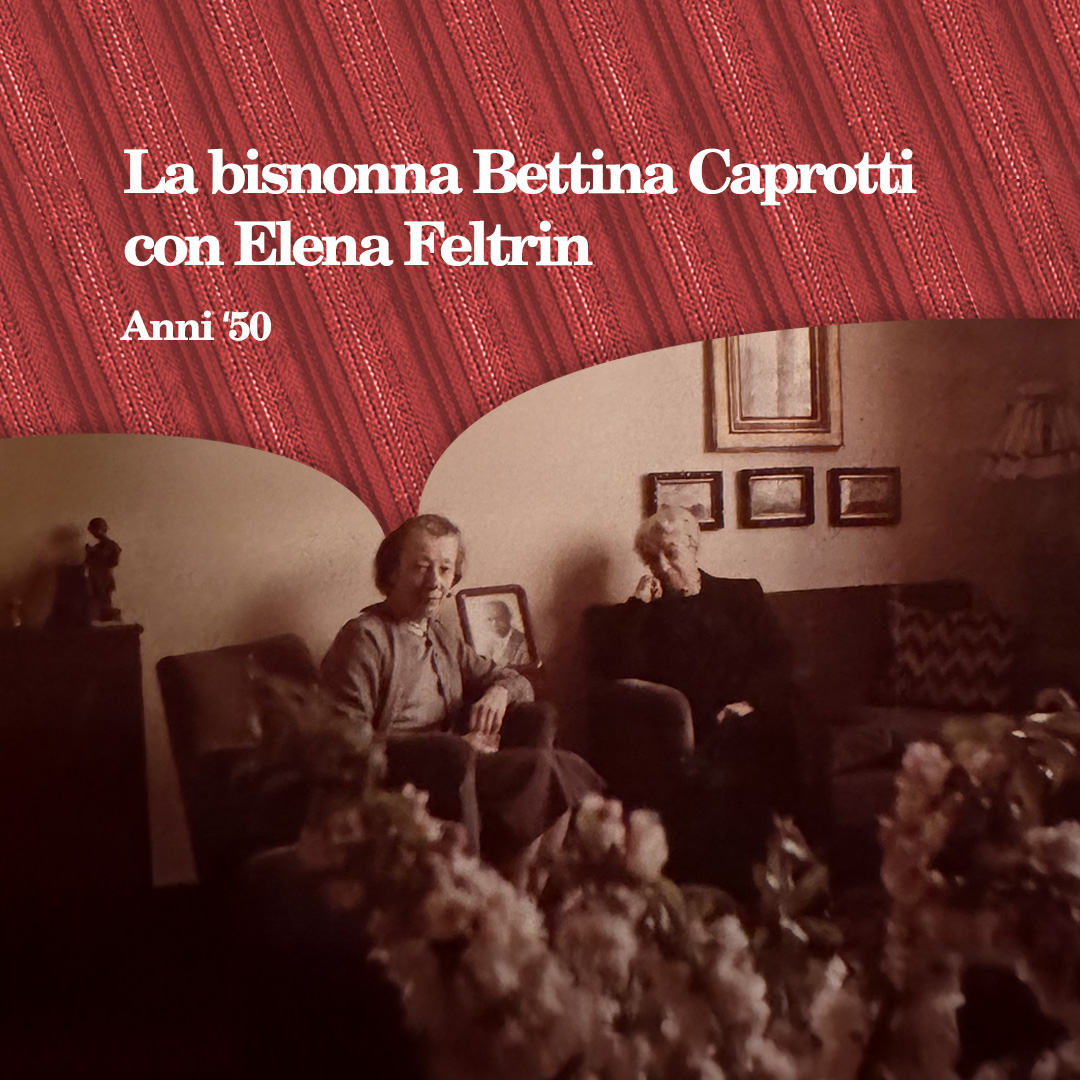
Child of ’99 happy in the fields of Albiate, it is not easy to send him to school because he just does not have a head for studying, although he will attend a boarding school in Switzerland and then a commercial school in Italy. His mother, Bettina Caprotti, writes to her worried husband: we must ‘instil a little willpower and moral strength in our Peppino to prepare him for the fight’, because the boy is listless and flickers between a thousand ideas and passions.
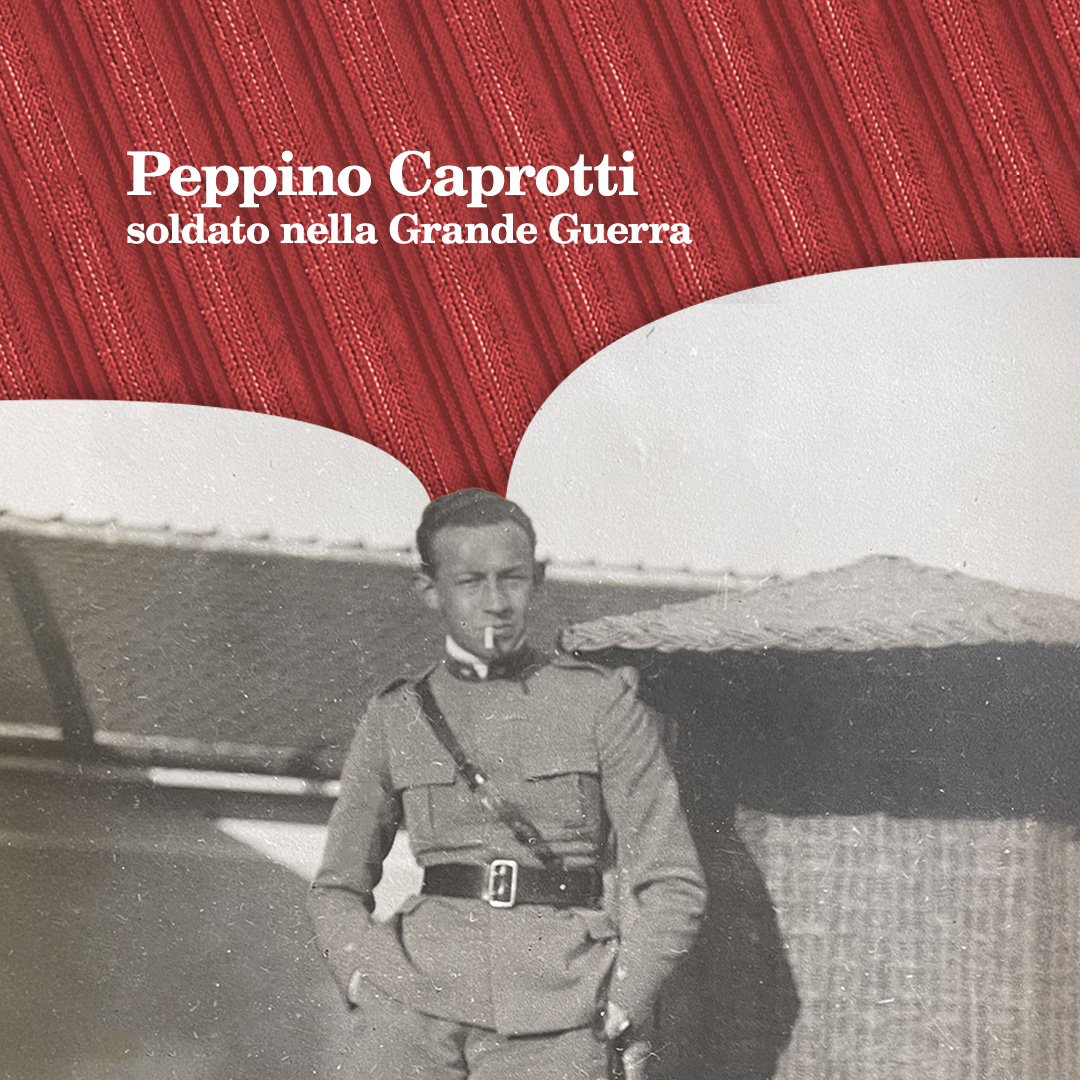
The Great War arrives. Peppino is just sixteen years old, leaves school and volunteers, ignited by an irredentist enthusiasm that had previously inflamed other family members. His experience, however, is less heroic than he had imagined: he ends up in the rear, the front line will never see him. Feeling disappointed, wounded in his honour, betrayed – we do not know by whom (his grandfather, an aspiring hero in the Third War of Independence, wrote the same things), he floods his father with letters so that he can get him into an officers’ school, without succeeding because he is too young.
A restless and sensitive spirit
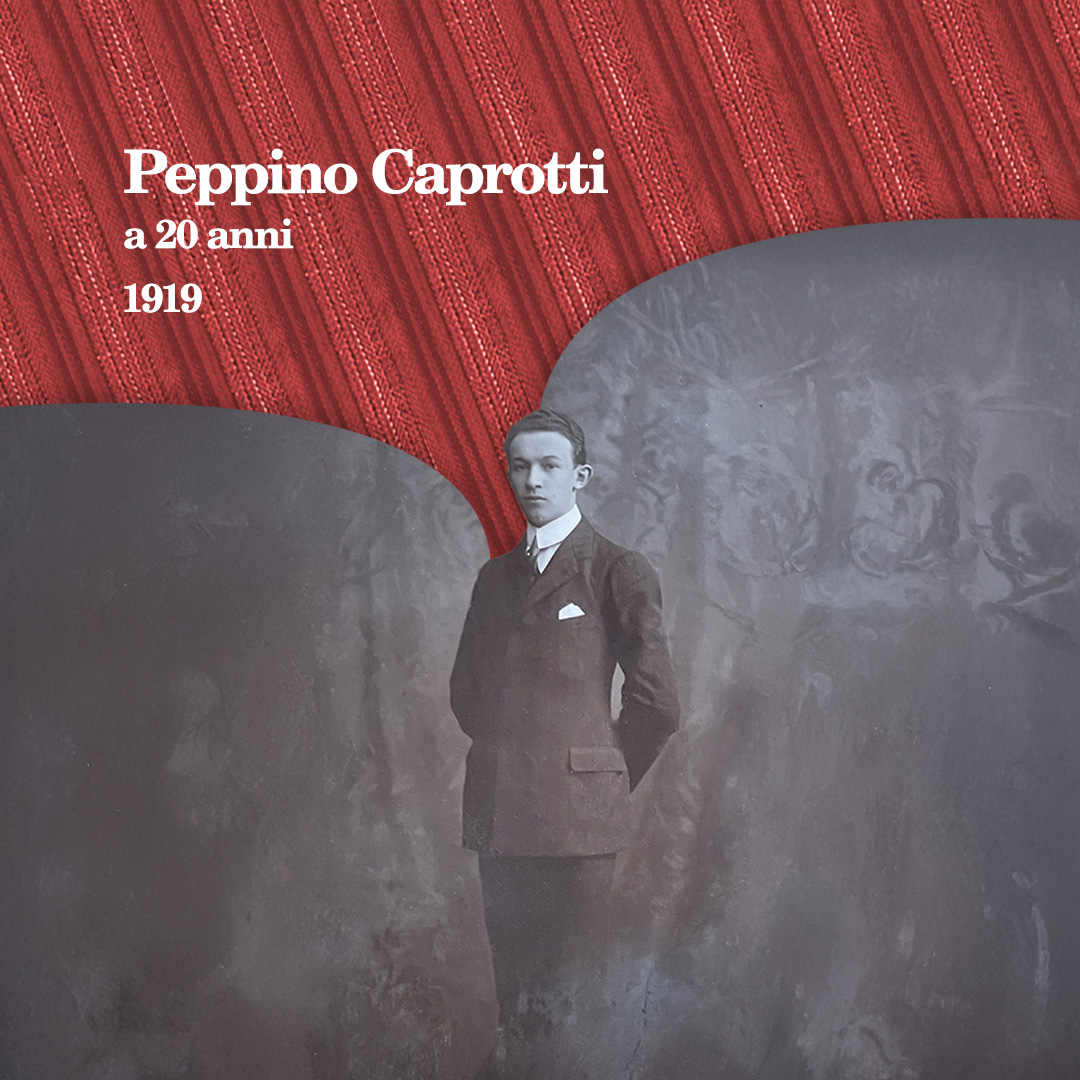
Testimonies reveal a very anxious and sensitive character: one friend describes him as ‘as impressionable as a seesaw’, the slightest thing can take him from the stars to the stables and back again. As soon as the war is over, when he finally attends an officers’ school and is sent to Albania, his boredom and restlessness drive him to pester his relatives with letters to make them let him return.
Vitalistic enthusiasm and zest for life
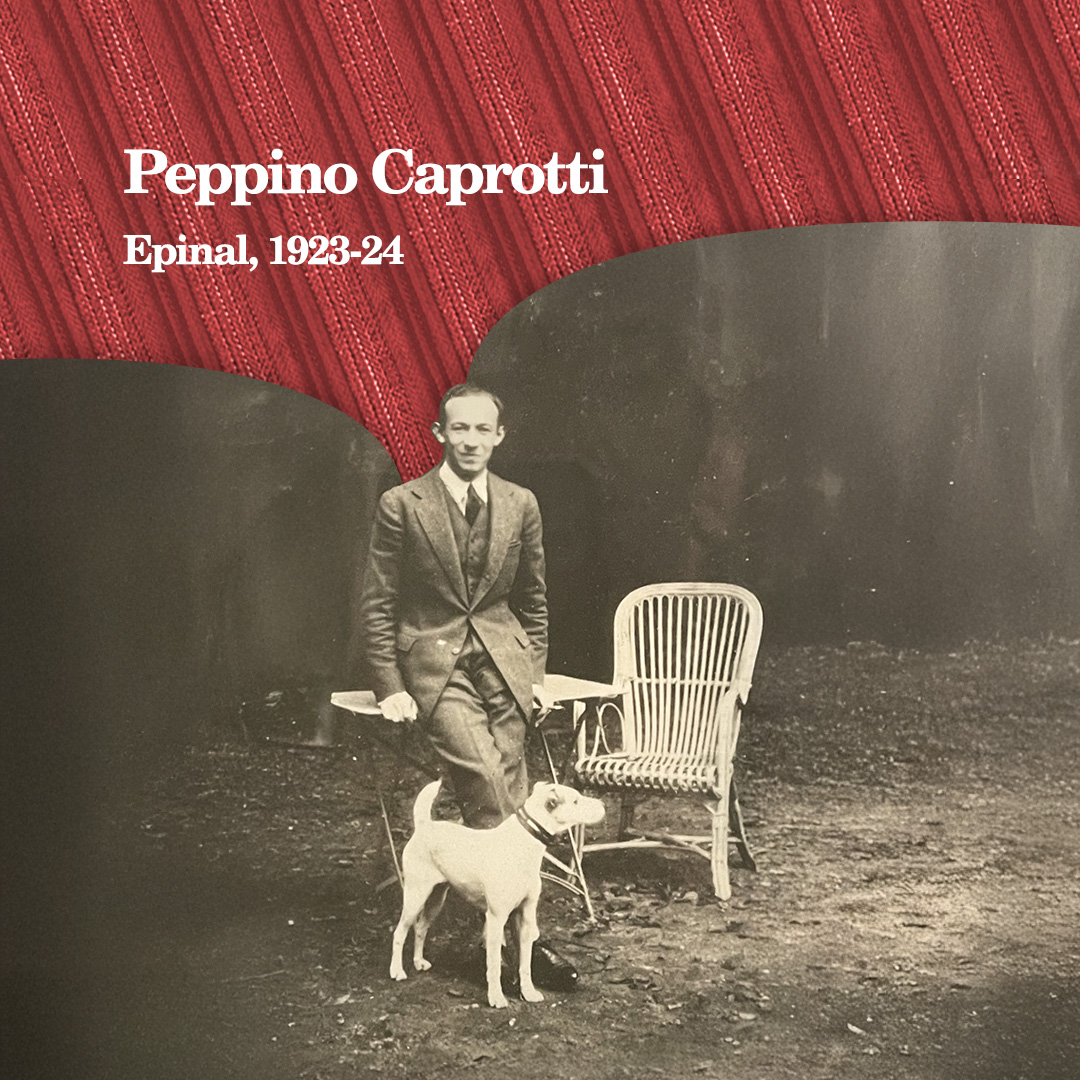
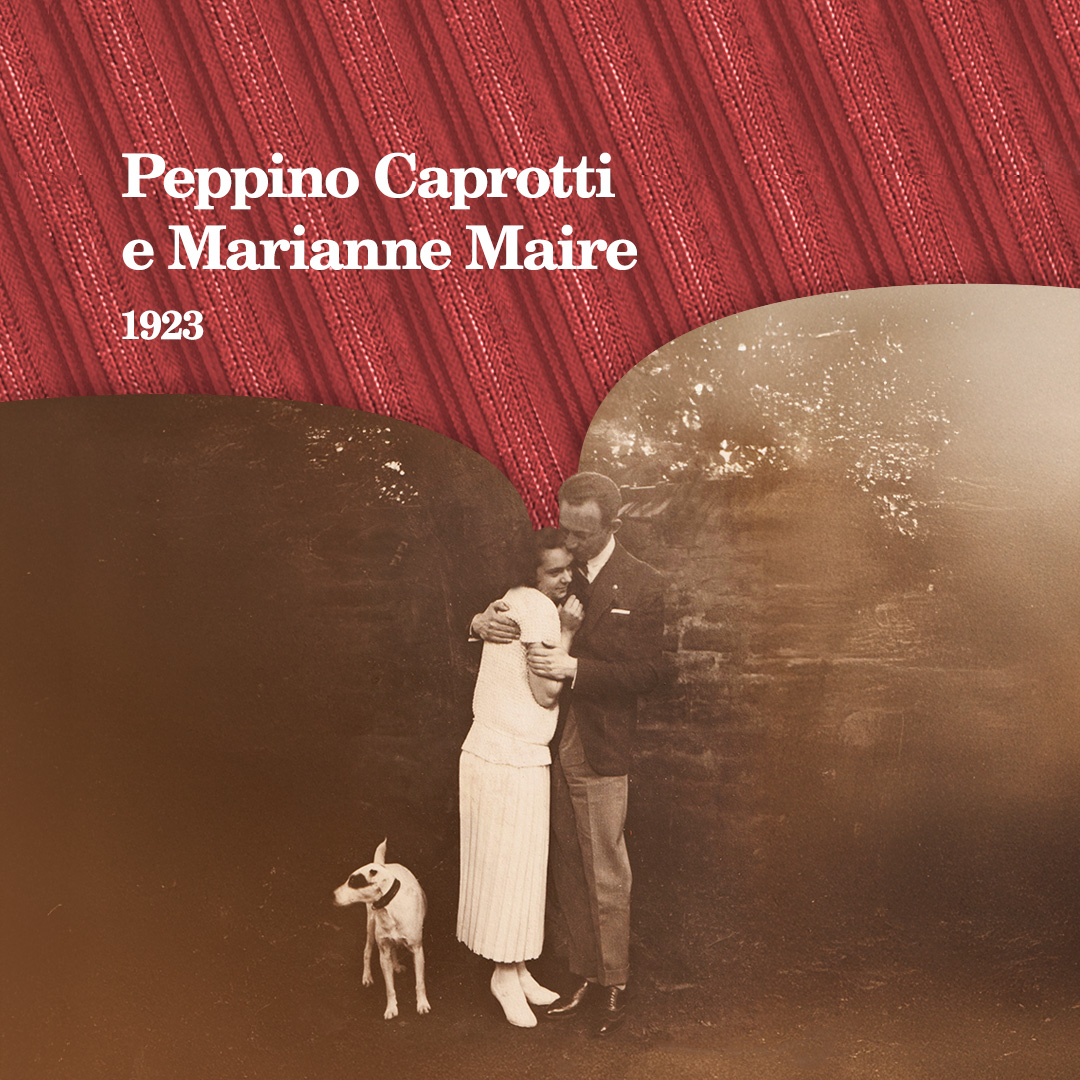
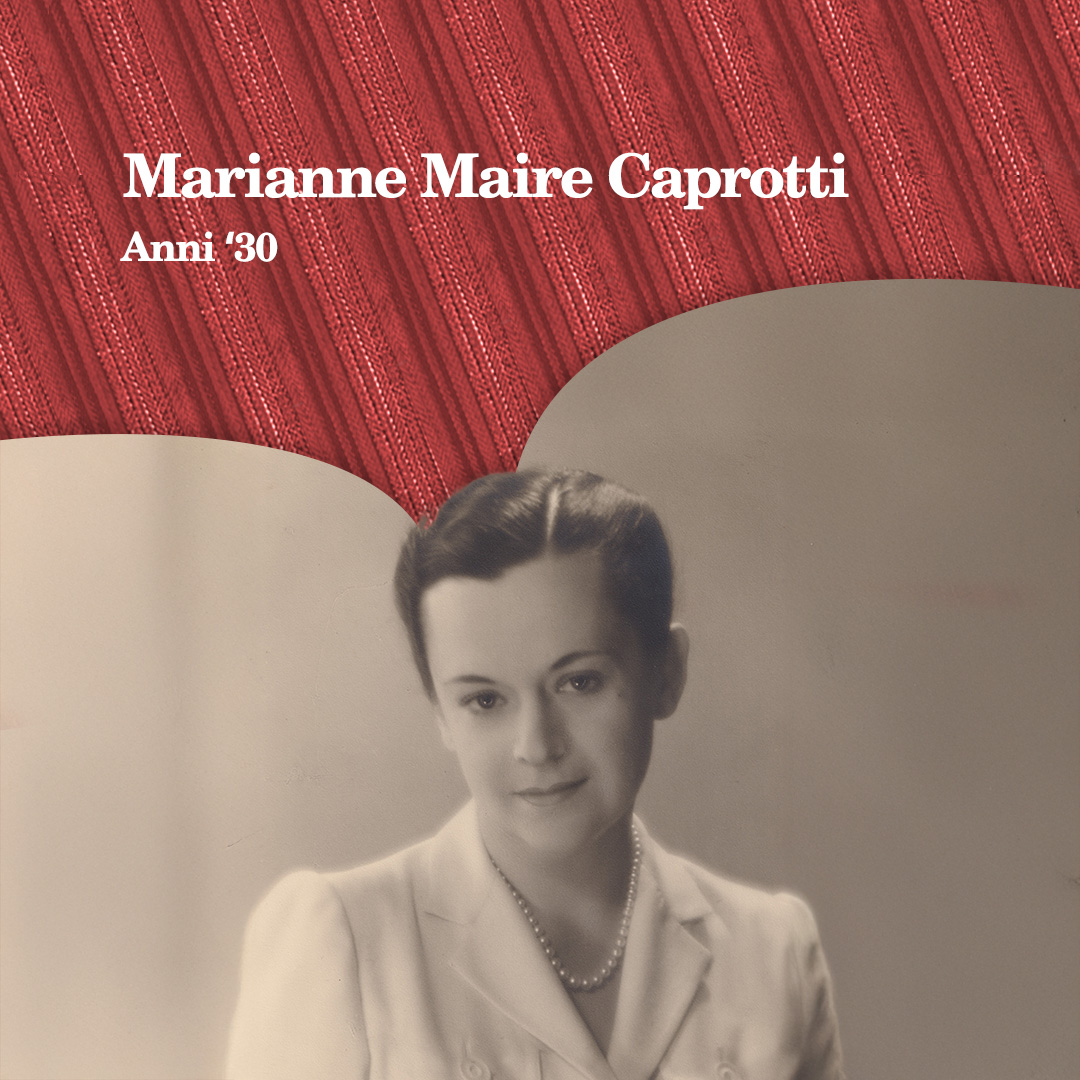
In the 1920s, shyness gives way to a desire to enjoy those brilliant years of life and energy. Small and quick, he wanted to spend his time among cars, maidens and goliardes with friends, but it was also time to prepare himself to one day take over the reins of the company. That is why in 1923 his father sent him to Épinal, France, to study at one of the best textile schools of the time. Here Peppino met the love of his life, Marianne Maire.
Love passion and attachment to family
His sister Silvia’s letters show a man who is very jealous of his own feelings. When she, seeing some photographs of her fiancée, makes a kind comment, Peppino becomes so stiff that Silvia feels the need to apologise in the first letter she writes to him after returning to France.
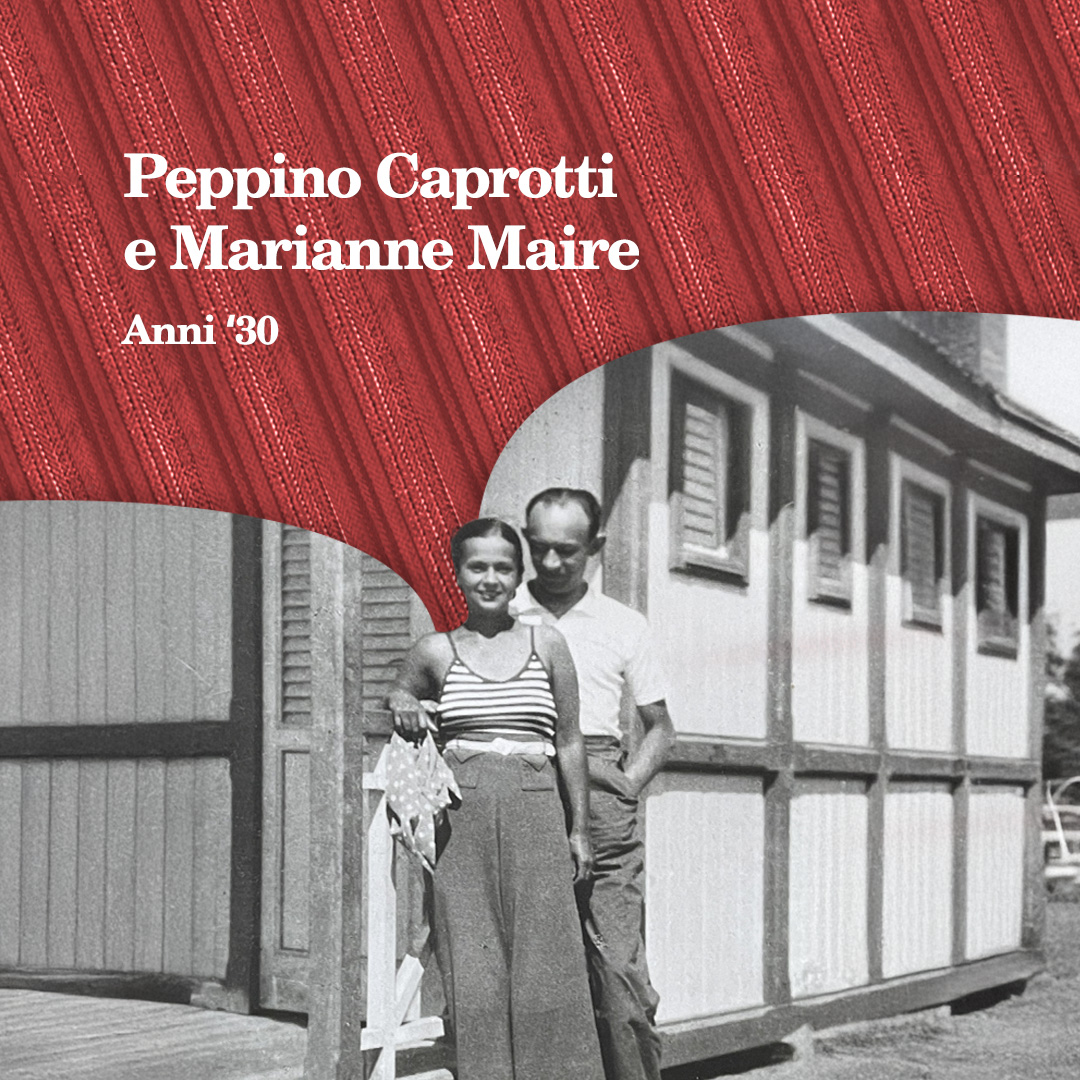
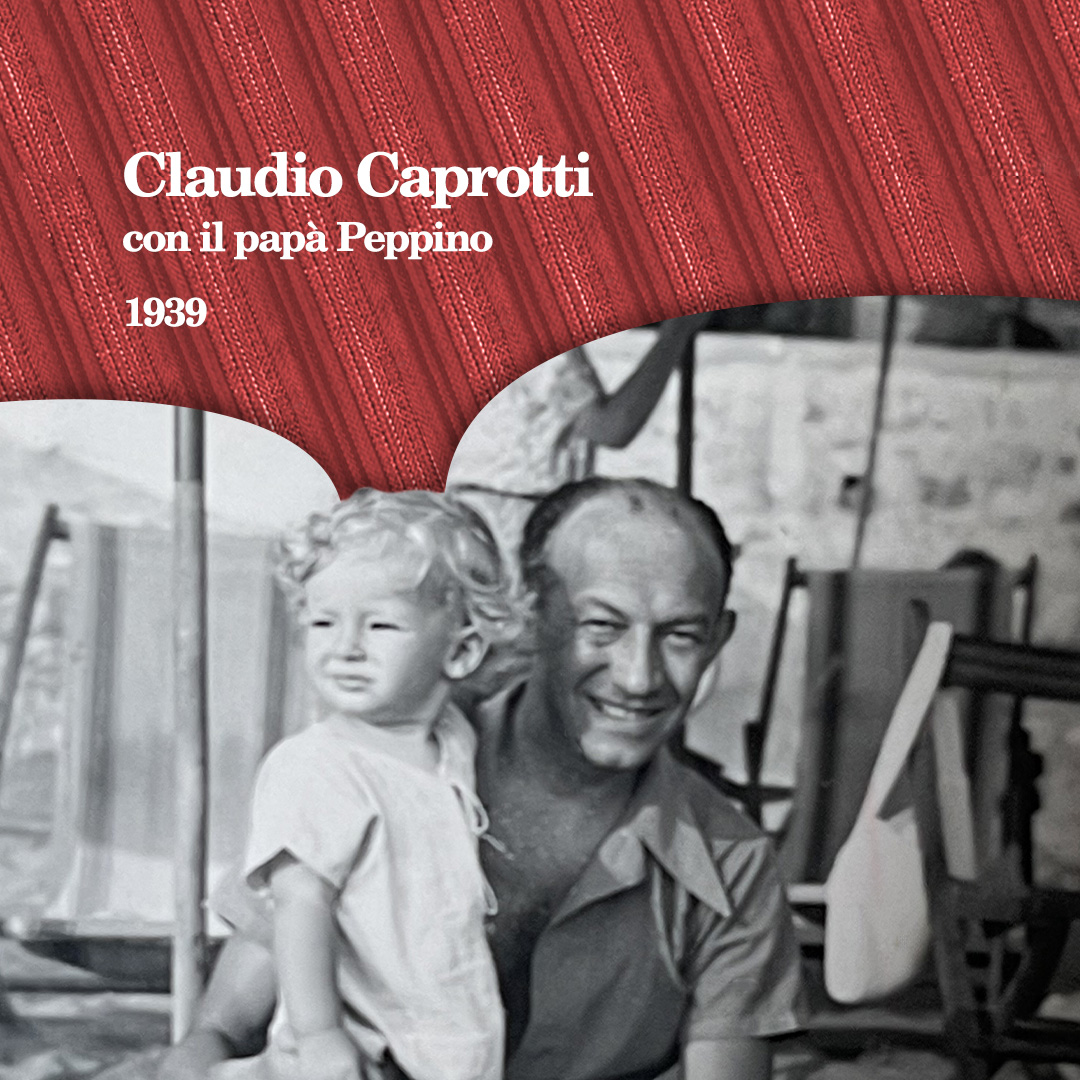
With Marianne, they will love each other very much, and for a long time, even though Peppino, given his easy-going nature, is ‘as jealous as an Othello’, as she herself will write, and even though he will have other love affairs years later. Peppino deeply loves his family and his children: in the difficult moments of the cotton crisis, he writes to his father-in-law that he would prefer to retire from business to stay at home and play toy trains with little Bernardo (toy trains would later be a passion of the adult Bernardo as well), and listen to the ‘delightful babbling’ of little Guido.
Determination in business and father-son conflicts
As is often the case in entrepreneurial families, Peppino too will be at loggerheads with his eldest son Bernardo, with whom there is no shortage of heated arguments. After all, even Peppino, as a young man, had bitter clashes with his father before dedicating himself completely to the company and helping to rebuild the Manifattura’s fortunes. In short, it’s not that these fathers don’t love their sons, on the contrary: but if they are born intelligent, strong and determined like them, they are two cocks in a henhouse.
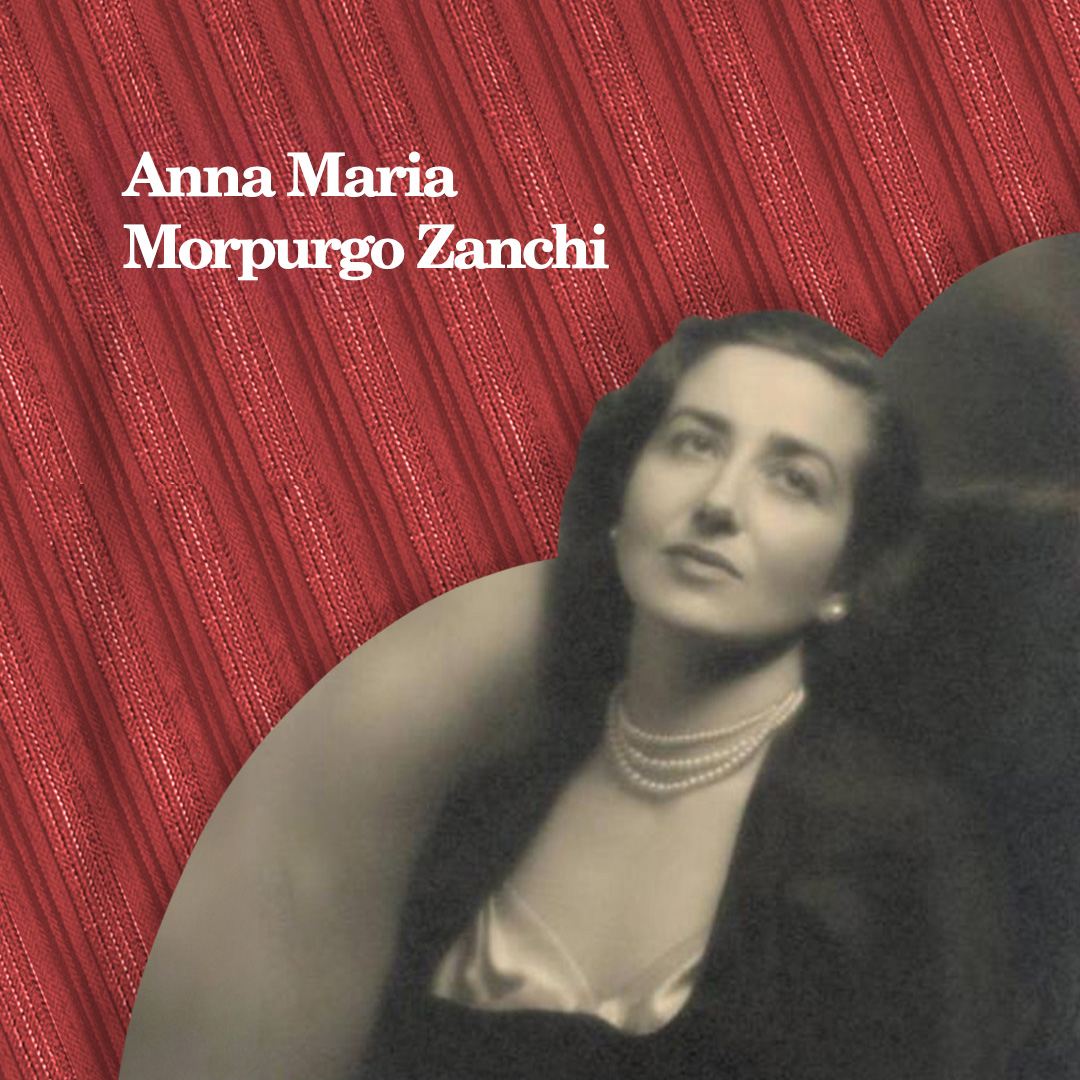
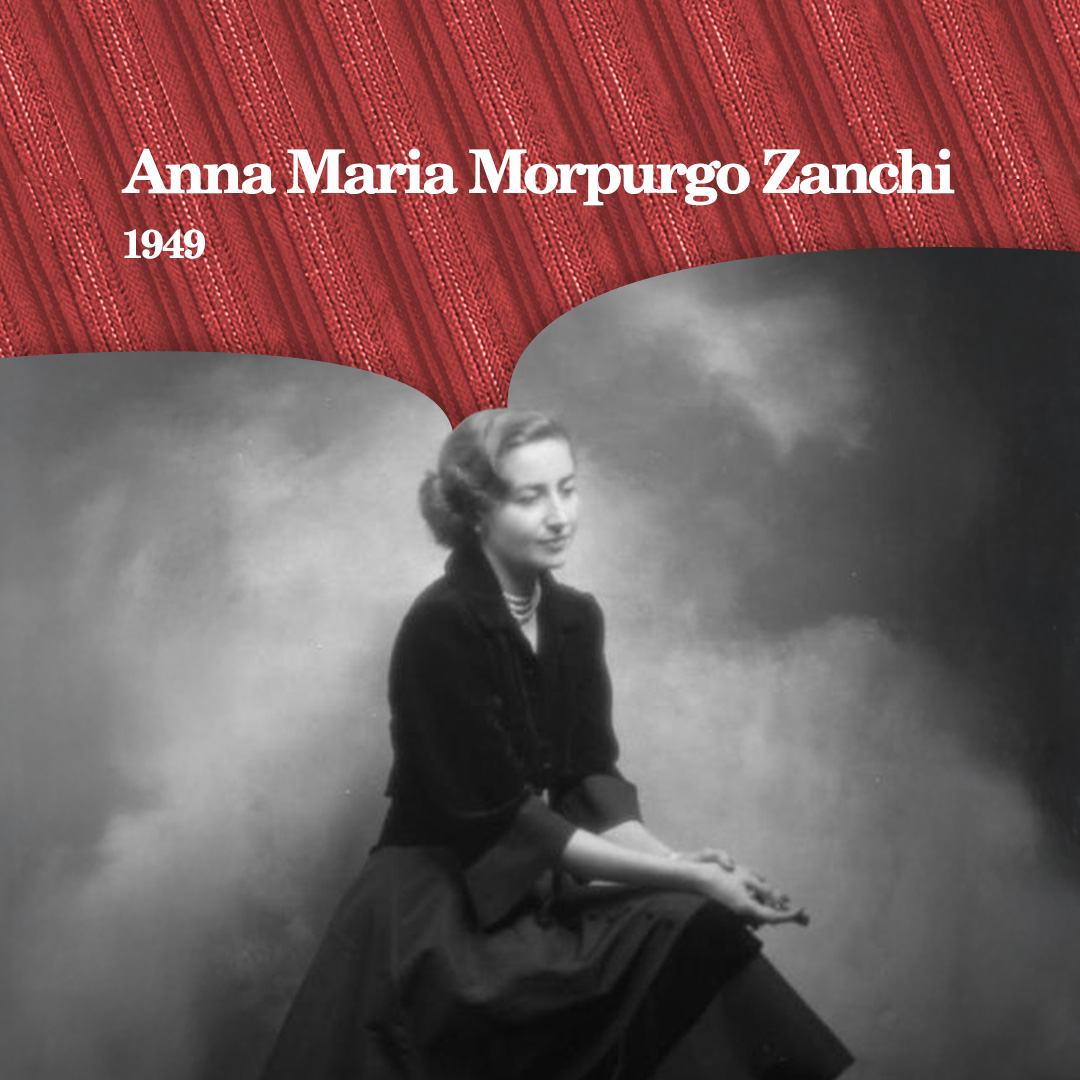
Peppino died in his early fifties, taken away by a too fast turn that ended in a fatal crash into a tree. The pain is made all the more bitter by the fact that with him is the woman who has been secretly at his side for a couple of years, Anna Maria Morpurgo Zanchi, alive although seriously injured.
After Peppino’s death, the images in the house are almost reduced to a single ‘official’ photograph, severe, without a smile. Rediscovering instead a cheerful man, perhaps shy and anxious but smiling and witty, was a beautiful adventure.
Sources:
Albiate (MB), Villa San Valerio, Villa San Valerio Archives, Caprotti Factory Archives; Ibid., Letters from Marianne Maire; Ibid. Photo archives.
Florence, Claudio Caprotti Archives, Photographic Archives.
Bibliography:
G. CAPROTTI, “Le Ossa dei Caprotti. Una storia italiana’, Milan, 2024/3.
ID., “Giuseppe Caprotti. Personages: Peppino Caprotti (1899 – 1952)’.
ID., “Le Ossa dei Caprotti”. The Caprottis and the family: Anna Zanchi Morpurgo, 1949“.