© REUTERS
Drafted 13 October, updated 13 November 2024
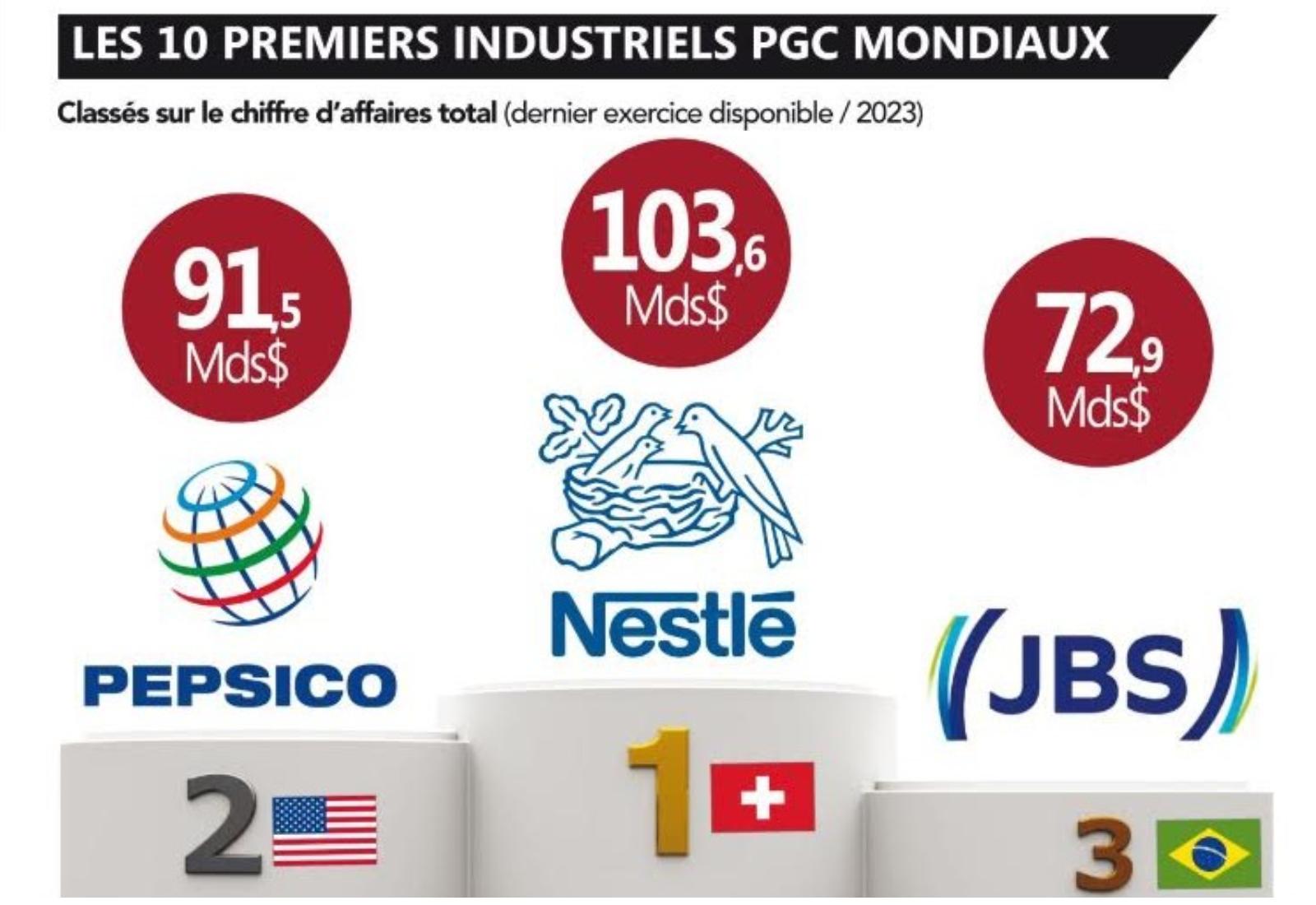
Background: the world’s largest beef producer, Brazil’s JBS, owns Rigamonti (bresaola) and Principe (San Daniele ham) in Italy.
A company on which there is ‘total secrecy’ even though its owners have been in prison for bribing 1,800 Brazilian politicians and officials, JBS has already been convicted of abuse of dominance in the US in 2022 and has been widely criticised for its contribution to Amazon deforestation.
In this translation, which you will find below, we learn that in addition to beef, JBS has a large share of the global poultry market where it abused its dominant position in 2021.
The case pits the world’s largest hamburger chain against Cargill, JBS, National Beef and Tyson Foods McDonald’s alleges that the producers and alleged conspirators “entered into a contract, combination or conspiracy to restrain trade” in violation of antitrust law
Gregory Meyer
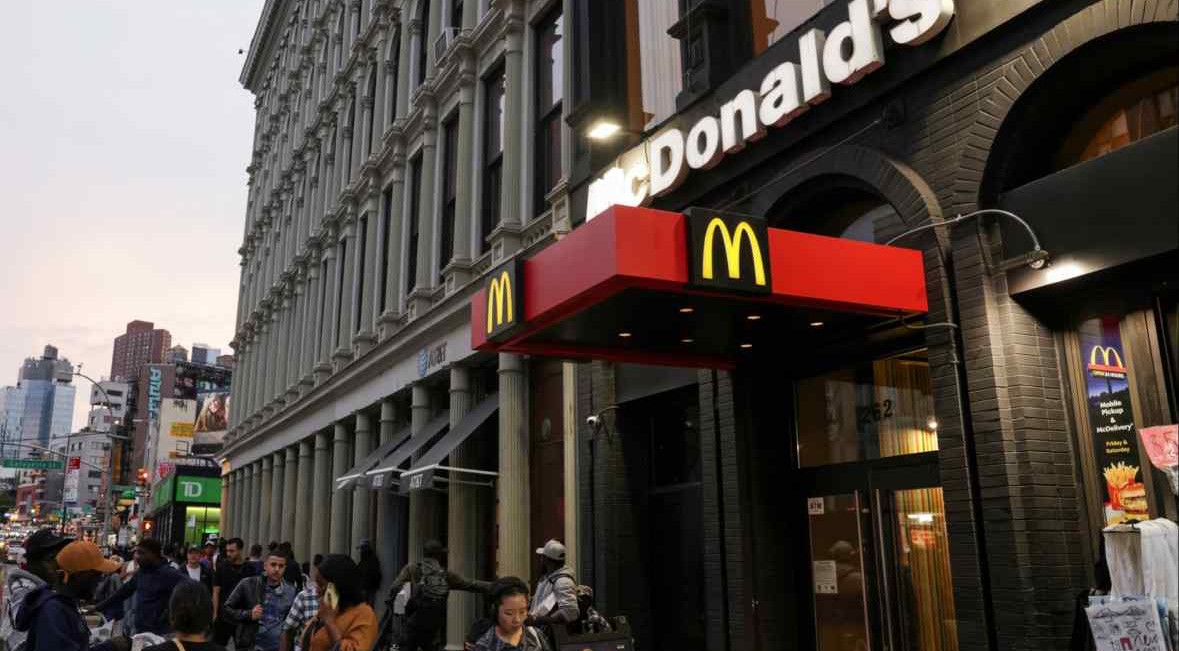
McDonald’s has sued the four largest beef producers in the United States, accusing them of conspiring to raise the price of meat paid by the world’s largest hamburger chain. The lawsuit filed in New York federal court follows similar litigation by cattle ranchers and supermarkets, as well as federal investigations into US beef and cattle markets. Cargill, JBS, National Beef and Tyson Foods have been named as defendants.
The case pits two powerful industry groups against each other: McDonald’s, which serves millions of hamburgers a day, against the butchers whose slaughterhouses control the majority of US beef production capacity. McDonald’s is making its claims after a period of widespread inflationary pressure that has put it in the crosshairs of politicians. In its civil lawsuit, McDonald’s alleged that the producers and alleged conspirators ‘entered into a contract, combination, or conspiracy to restrain trade’ in violation of antitrust law, with the goal of selling at prices ‘artificially higher than beef prices would have been in the absence of their conspiracy’.
Cargill, JBS, National Beef, Tyson Foods and McDonald’s did not immediately respond to requests for comment. McDonald’s claimed that one way the beef companies had conspired was to suppress the prices they paid for cattle fattened for slaughter, which supported the margins for the beef they sold. They have “exploited their key role in the process of purchasing cattle to produce beef to collusively control prices for upstream cattle and downstream beef” since at least 2015, according to McDonald’s lawsuit.
According to the US Department of Agriculture, in 2023, US farms slaughtered 32.8 million cattle, producing 27 billion pounds of beef. McDonald’s is targeting some of its largest wholesale suppliers with whom it has had relationships for decades. The fast food giant had US sales of $10.6 billion last year, or about 41 per cent of global sales. Its lawsuit follows proposed class actions filed by cattle ranchers and beef buyers against large packing companies. New York-listed Tyson said it has received requests for information on the beef and cattle packing markets in 2020 and 2021 from the antitrust division of the US Department of Justice. Federal antitrust authorities also investigated allegations of price manipulation in the poultry market.
In 2021, Pilgrim’s Pride, majority owned by Brazil-based JBS, pleaded guilty and was ordered to pay $107 million in fines for a conspiracy to fix broiler prices. Like most restaurant chains, McDonald’s raised prices in the years following the pandemic due to labour shortages and supply disruptions. But more recently it has offered new discounts to win back customers discouraged by inflation.
Below: JBS is the world’s third largest food producer. Knowing this also helps because the rules in Brazil are not the same as in Europe:
“How long has this fraud been going on?” Brazil has reportedly been exporting hormone-treated steaks to Europe.
Estradiol 17-β! You don’t know what it is, but you certainly don’t want to find it in your lasagne, ravioli or burgers. This growth hormone is used in some livestock farms to make animals gain muscle mass faster. Since 1998 it has been completely banned from the European market. It is forbidden to give it to Charolais cows grazing in France, for example. The import of ribs, chops and rump containing it is also banned. Brazil, the world’s largest exporter of beef, authorises these treatments.
And we have just learned that it cannot guarantee that the red meat it sends to Europe has not been spiked with this hormone. This is what emerges from an audit by the EU Health Directorate conducted between the end of May and mid-June and published discreetly on 8 October.
Brazil has in fact admitted its responsibility and stopped exports to Europe.