What Italy has achieved
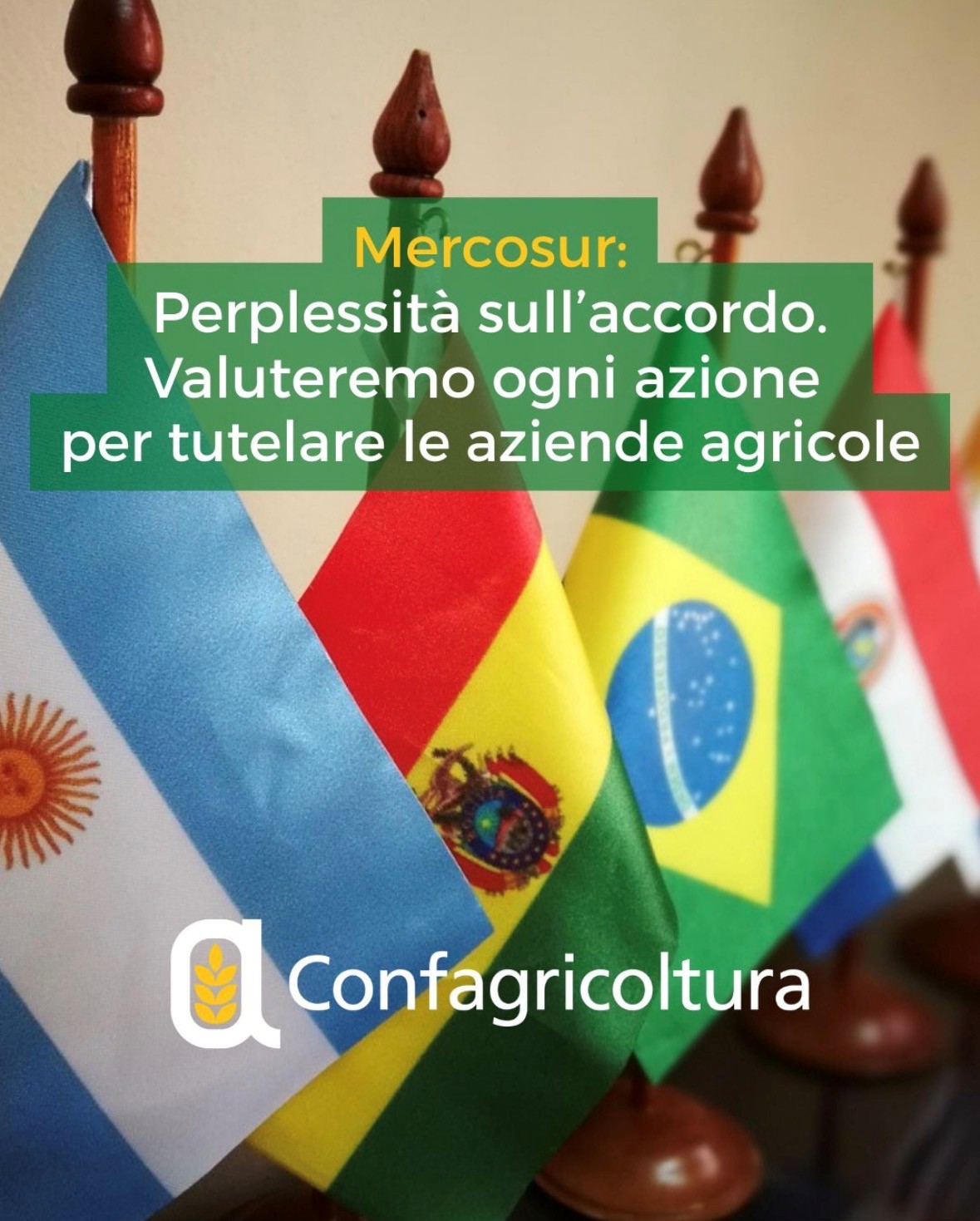
In Mercosur, Italy saw a number of requests granted. Long negotiations were mixed with those on the post-2027 CAP. The EU Commission agreed to increase the CAP funds, cancelling the proposed cuts (around 22%) made in the initial draft by President Ursula von der Leyen, who is due to fly to Paraguay on 12 January to sign the agreement for the EU. In addition, the safeguard mechanism threshold has been lowered from 8 per cent to 5 per cent (changes in prices and volumes on sensitive goods (including citrus fruits, which were previously excluded) that would trigger an EU investigation for a possible reintroduction of the duty), and the system of controls for goods entering the EU has been strengthened, as Lollobrigida points out. For farmers, Masaf notes, a more effective protection mechanism will be in place in the event of disturbances in the prices of agricultural products and there will be guarantees of effective application of the principle of reciprocity.
Italy has also obtained that incoming products should not contain residues of substances prohibited to European farmers. “And if companies are not competitive,” the minister added, “a EUR 6.3 billion fund will be activated to mitigate potential market disruptions, along with the zeroing of duties and cost increases for fertilisers provided for by the Cbam regulation”. The agreement, for the minister, is an opportunity for development and has adequate protection and reciprocity mechanisms, but on which we will be vigilant’…
Le Monde’s harsh assessment of the French position: France has handled the situation very badly, letting the complaints against the agreement accumulate to the point of making it unacceptable …
Most political parties refused to acknowledge the progress made in the agricultural negotiations and the real benefits for the French economy. These were systematically ignored, leaving room for fear of a toxic wave of beef, poultry and sugar exports from South America.
This will not happen, as quotas will be limited to around 1.5% of EU consumption, while the ban on fattening with hormones and antibiotics remains in place…
Those who want too much nothing could ‘tighten up’, in France and Italy.
The situation is still too confusing to understand ‘how it will end’: a vote in the European Parliament could overturn the situation and Repubblica wrote today that in any case, in Italy, a left/right coalition (M5S- AVS- Lega) could delay the entry into force of the agreement by a year and a half. While Le Figaro points out that the treaty, if ratified on 17 January, could be applied ‘provisionally’.
On the problems of Italian Sounding read here.
Also of interest Mercosur : pesticides and hormones in food ?