Published on 5 June, updated on 12 June 2026
To understand the context, read: Nestlé’s water operations under fire: the scandal nobody in Italy wants to talk about
… This legal action before the administrative courts follows three appeals lodged on 3 February against the decrees issued by the prefects of the Gard and the Vosges at the end of 2025, which authorised the multinational to continue exploiting the Perrier springs (in the Gard), Contrex and Hépar (in the Vosges) as natural mineral waters, as revealed by Le Monde. The prefects had two months to withdraw the decrees, which they failed to do.
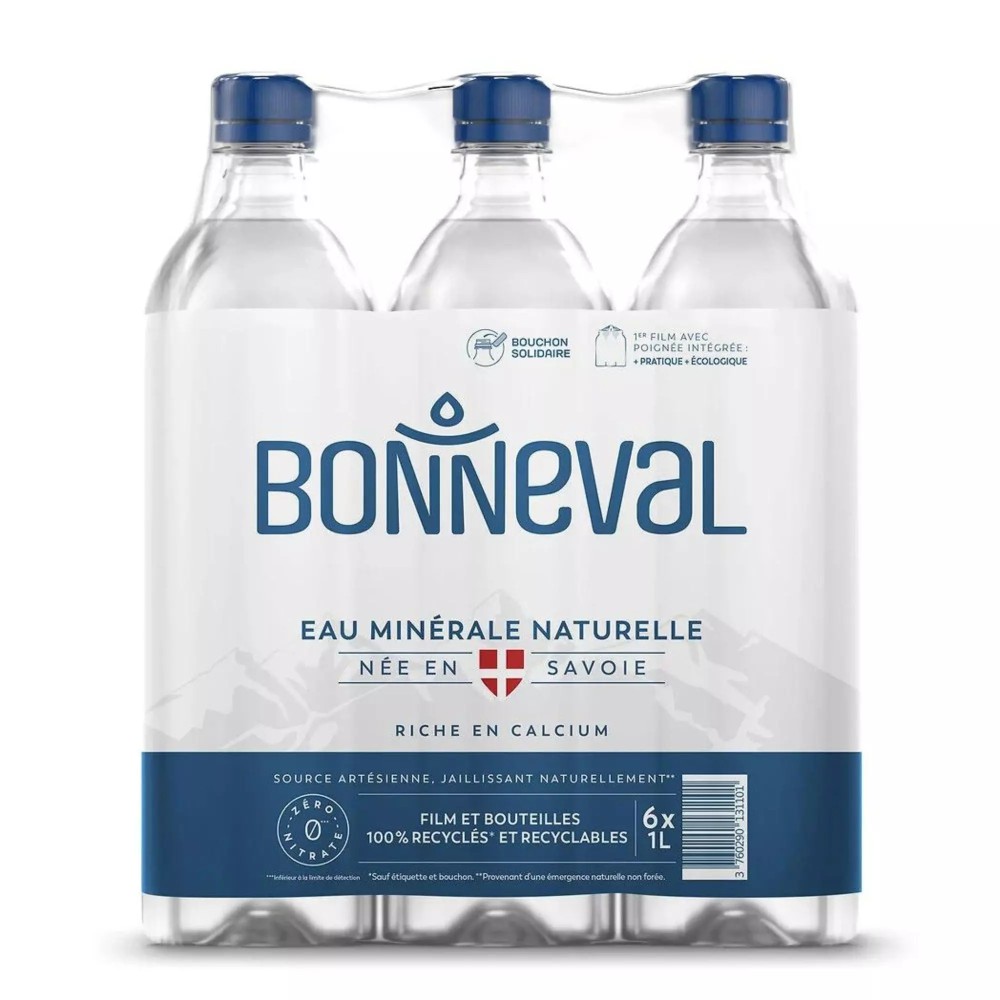
Bonneval Waters, which last December sued Nestlé Waters at the Nanterre Commercial Court for “unfair competition”, has stated that it is “determined to defend strict compliance with the regulatory framework applicable to natural mineral waters and to pursue all legal avenues at its disposal to the full”.
The “natural mineral water” label in question
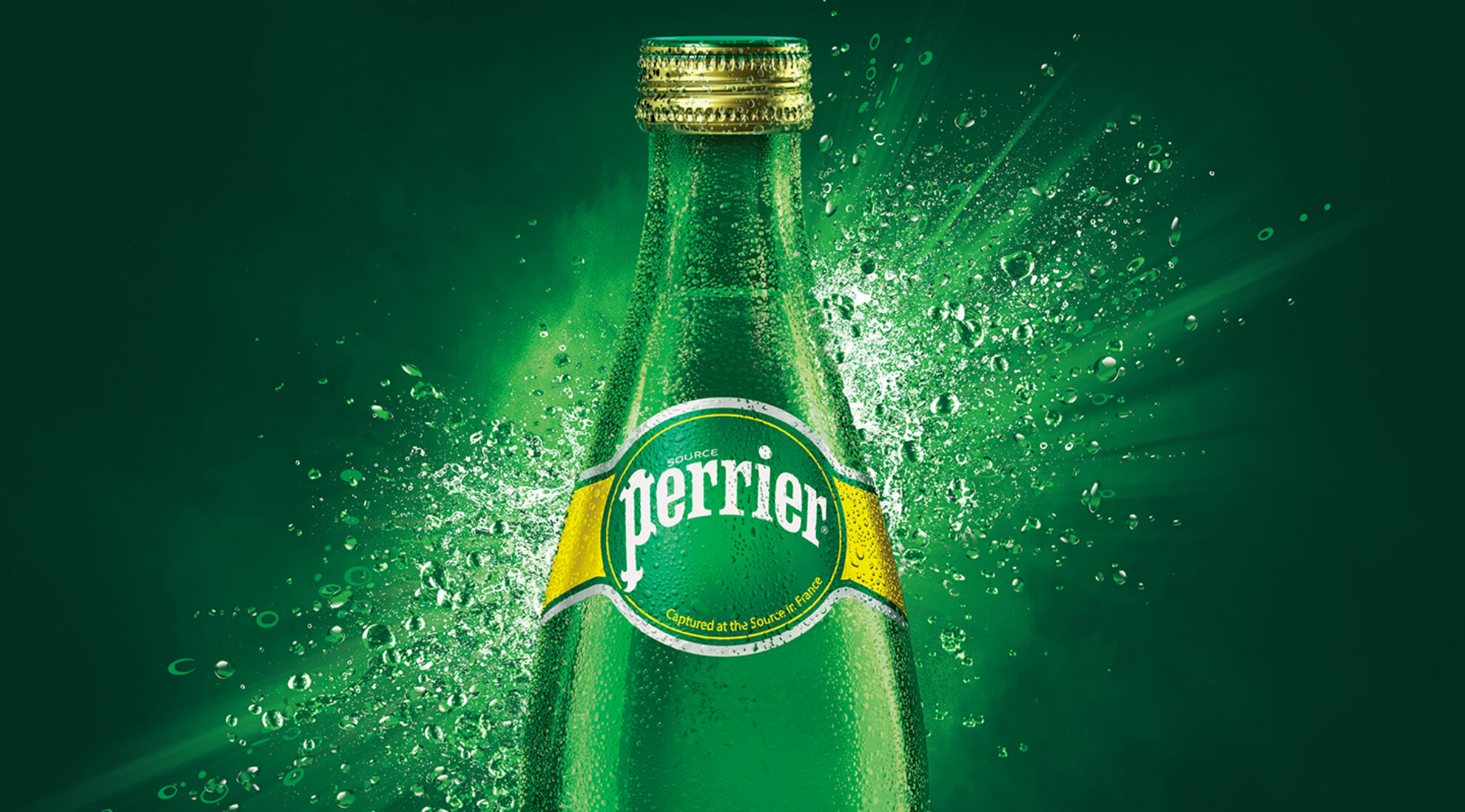
“From the very outset of this affair, the public authorities have allowed practices to continue that call into question the very definition of natural mineral water,” emphasised David Merle, the company’s CEO, denouncing “processes incompatible with that designation “. The head of Bonneval believes that Nestlé Waters should not be allowed to continue producing so-called “natural” mineral water using 0.45-micron microfiltration filters for its Perrier, Contrex and Hépar brands.
This type of filtration effectively removes some of the bacteria present in the water, whereas the regulations on natural mineral water prohibit treatments that could alter its microbiological characteristics. It was precisely on this point that Bonneval had lodged an appeal with the prefects of the Vosges and Gard departments, an appeal that was subsequently rejected.
In a statement released on Wednesday, Nestlé Waters stated that “Nestlé Waters’ facilities in France, including the one in Vergèze, operate in compliance with the current regulatory framework and the authorities’ guidelines ”.
Contaminated stock destroyed
The company also commented on the information released earlier in the day by Radio France. According to the media group’s investigative unit, nearly three million bottles produced at the Nestlé Waters plant in Vergèze (Gard) have been destroyed or are currently being held since the summer of 2025, following the detection of pathogenic bacteria or indicators of possible microbiological contamination.
Coliform bacteria, which can pose a health risk, and a bacterium capable of causing serious infections in vulnerable individuals, were indeed detected in some of the company’s bottles, particularly in January. The affected stocks have been destroyed. “Regular testing and checks, temporary product recalls and targeted product destruction are an integral part of daily integrated quality management in any food processing plant, and especially for a natural product, ” wrote Nestlé Waters.
The world’s leading bottled water company has been at the centre of a scandal since, in early 2024, it admitted to having previously used banned treatments (activated carbon, UV light) on its water. Since then, the food and drinks group, which produces the Perrier, Vittel, Contrex and Hépar brands in France, has replaced the banned treatments with 0.2-micron microfiltration, the legality of which has been contested.
The group has therefore switched to 0.45-micron microfiltration, which required the submission of new applications for prefectural authorisation to continue using the designation ‘natural mineral water’. These authorisations were granted at the end of 2025 by the Prefect of Gard for the ‘Romaine VI’ and ‘Romaine VII’ wells, near Vergèze, for the Source Perrier brand, and by the Prefect of the Vosges for the Contrex and Hépar catchment areas.
But what is certain and must be said to Italians, the world’s biggest consumers of mineral water, is that the bottle does not protect the water from pollution. Further proof comes once again from France: PFAS: ‘forever’ pollutants detected in three sources of bottled mineral water in the Ardèche and the Loire.
According to the magazine Il Salvagente, only a minority of mineral waters are free from pesticides.