Introduction: Brazil is the world’s fourth-largest polluter (CO₂ emitter).
Crisis in South America
The chaos in Brazil and the billionaire twins, lords of the bresaola
by Simone Filippetti
20 June 2017 – this article is not recent, but it has a very interesting follow-up which you can find here.
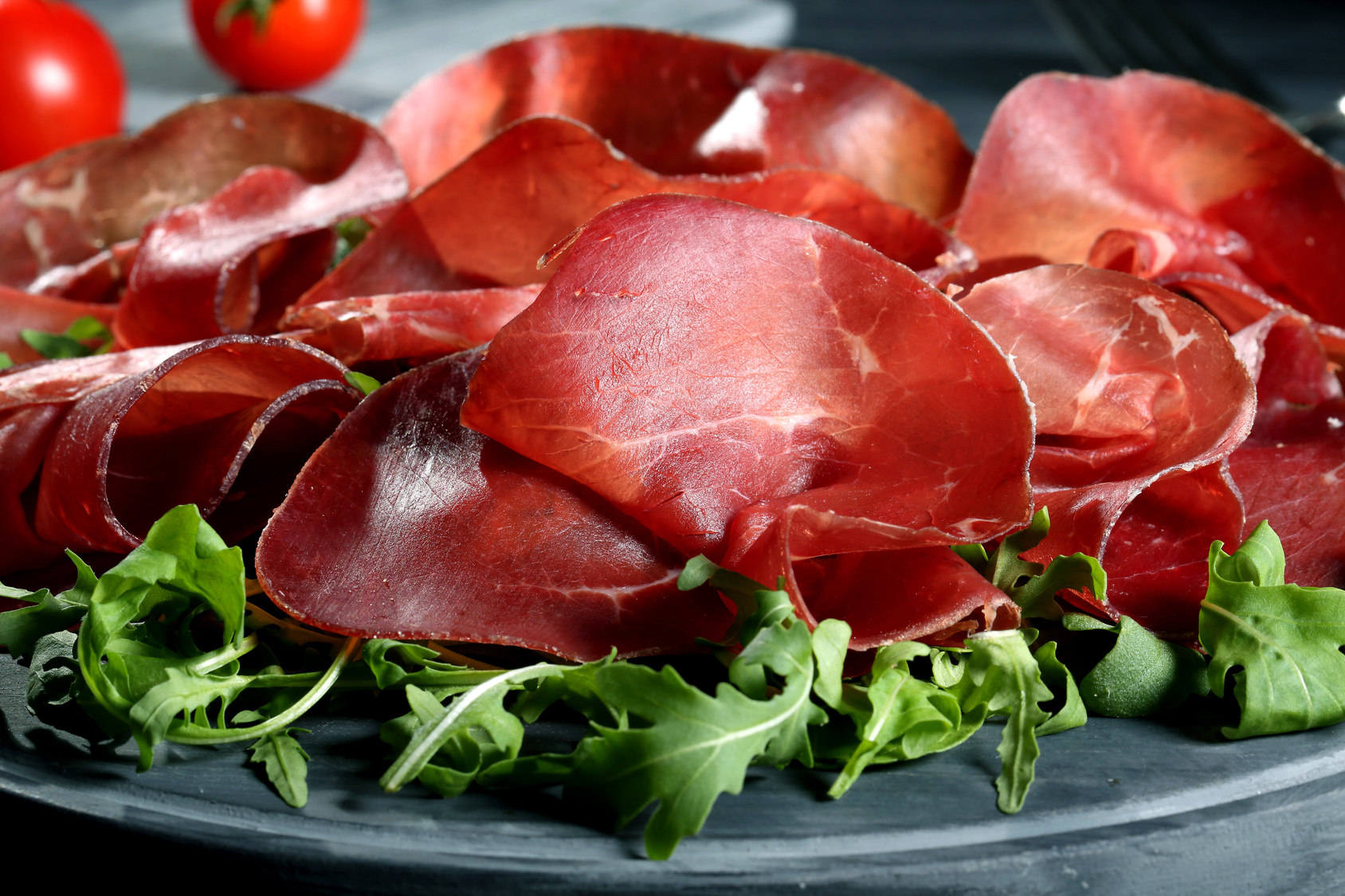
What links the chaos in Brazil with bresaola, the delicious cured meat from Valtellina? Whilst Brazil is in a state of civil war, with the army on the streets, a prime minister overwhelmed by scandals who has resigned, and the imminent risk of being downgraded to ‘junk’ status, one of the many threads of this story even extends to the valleys of Lombardy. The scandal bringing Brazil to its knees is called ‘CarWash’ – enough to make our own ‘Tangentopoli’ pale in comparison: it is an investigation into the corruption of some 1,800 politicians, which has been ongoing for three years. Chaos erupted in the wake of revelations from Joesley and Wesley Batista, the global meat barons and owners of the multinational JBS. Their shocking revelations brought down Michel Temer’s fledgling government, with Temer himself now under investigation.
Ferrari collectors and owners of an Azimut mega-yacht, the two brothers – who in Brazil travel exclusively by helicopter and were already billionaires by the age of 30 – are also the owners of Rigamonti, a historic cured-meat producer founded in 1913 and the most famous Italian brand of bresaola. It is so popular – because it is very lean and easy to store and prepare – that it has enjoyed global success. It is a pity, however, that the Valtellina region alone cannot produce enough bresaola to meet global demand.
Read also: Temer’s Brazil in serious crisis, but GDP shows a slight recovery (1%)
Brazil, on the other hand, has an abundance of land and cattle farms suitable for producing bresaola. And indeed, Italy imports Brazilian beef in vast quantities (27,000 tonnes in 2016). Here’s the Batista brothers’ ingenious idea: to rear cattle in South America and then bring the meat to the Valtellina to be matured and processed, where it can thus bear the name ‘bresaola’, because a law allows the name to be used provided that at least one stage of the processing has taken place in Lombardy. From there, the prized thin slices – which have now been awarded IGP status – make their way onto dining tables all over the world. However, a bresaola producer was still missing: so, six years ago, JBS bought Rigamonti, thereby gaining control of the entire bresaola supply chain. A few months ago, another scandal broke, and the two brothers from Rio de Janeiro were, once again, in it up to their necks. Consignments of Brazilian ‘carne fraca’ (weak meat), masked by additives, had made their way to Europe. The EU had blocked imports and singled out 21 companies, including JBS, but Rigamonti was never implicated. The Batista brothers lead a reckless life. In 10 years, a family-run butcher’s shop has become the world’s number one meat producer: a mega-multinational with a turnover of 30 billion dollars, the world’s third-largest food group after Nestlé and Kraft. All achieved through a series of acquisitions, worldwide, totalling a stratospheric $20 billion. A meteoric rise: impossible to achieve so quickly without a little ‘help’. And that ‘help’ came in the form of bribes totalling hundreds of millions, paid by J&F Participações – the family’s slush fund – to political parties, politicians, banks and institutions, as the two brothers revealed to the magistrates. Even former Prime Minister Dilma Rousseff, who faced impeachment, is said to have received payments from the two brothers.
Read also:Brazil, bribery scandal involving the president: stock market and the real plummet
Ten years ago, Joesley and Wesley also set foot in Italy, one of the many stages in their meteoric rise: they went into business with Cremonini and bought 50 per cent of Inalca, the meat producer owned by the Modena-based family. Price: 250 million euros. But within a short space of time, the South American multinational and the Italian ‘King’ of meat found themselves at loggerheads: a war broke out in which the Brazilians accused the Italians of failing to honour their agreements and of concealing Inalca’s true figures. The standoff lasted a year and ended in an amicable split: Cremonini bought back 50 per cent of his stake in the company. Since then, the two billionaires had largely disappeared from view, at least in Italy.
Now the two ‘meat-loving’ brothers have appeared before the magistrates: in exchange for immunity, they have spilled the beans on years of corruption – yet another confirmation of their skill in negotiations. Having fled Brazil, thanks to a safe-conduct, they have taken refuge in a gilded exile in New York, in a luxurious flat in Manhattan. Whilst Joesley and Wesley are dragging Brazil through the mud and abandoning it to its fate, JBS is lurching from one scandal to the next: after the rotten meat affair, it has come under fire for its incestuous ties with theBNDES, the Brazilian equivalent of SACE. The bank, which finances exports by Rio-based companies, had granted loans to buy firms abroad (the American company Pilgrim’s Pride and also the failed takeover bid for the historic, crisis-hit conglomerate Sara Lee): JBS’s overseas shopping spree is rife with suspicion of foul play. The latest blow came a few weeks ago: a hefty fine of 10 billion reais (just under 3 billion euros) from the CVM, Brazil’s equivalent of Consob, as a settlement to put an end to an old matter dating back to 2002. But, once again, there is a loophole: JBS will be able to pay the fine in instalments over 25 years. In the meantime, who knows what will become of Brazil
We have received the following fromthe Consorzio Tutela Bresaola della Valtellina
The article contains several inaccuracies and imprecisions regarding our product, which is consequently portrayed in a negative light:
-The headline and opening paragraph, although phrased in a doubtful manner, nevertheless implicate Bresaola della Valtellina PGI, which is in fact unconnected to the events in Brazil.
– The passage “And Italy, in fact, imports Brazilian meat in vast quantities (27,000 tonnes in 2016)” contains misleading data. It cites figures for all meat imported from Brazil into our country. Inserting this between two passages discussing bresaola makes no sense. In reality, the amount of Brazilian beef used by all members of our Consortium (and not just by Rigamonti) to produce Bresaola della Valtellina is approximately half the figures you have quoted. And it amounts to less than 0.2 per cent of the total beef produced last year by the South American country (9.6 million tonnes). This figure alone would suffice to answer the opening question. Linking the product and the 14 member companies of our Protection Consortium to the ‘Car Wash’ or ‘Carne Fraca’ scandals is therefore inappropriate.
-The passage “Here is the Batista brothers’ ingenious scheme: rearing animals in South America and then bringing the meat to Valtellina to be matured and processed, where it can thus bear the name ‘bresaola’, because a law allows the use of the name provided that at least one stage of processing has taken place in Lombardy. From there, the prized thin slices, which by this point have become a PGI-certified product, find their way onto tables all over the world.” contains several inaccuracies. The import into Italy of Brazilian meat suitable for processing into Valtellina bresaola had been taking place long before JBS acquired Rigamonti. Rigamonti, like other producers in the valley, has been purchasing meat from suppliers in Brazil and other South American and European countries for at least 30 years, in search of the most suitable cuts. The product specification for Valtellina Bresaola PGI is very strict regarding the quality and characteristics of the meat and stipulates that the ENTIRE production process (and not just one stage) must take place in Valtellina (and not throughout Lombardy).
Author’s Response
The JBS and Batista brothers scandal has made headlines around the world: we have simply summarised the story without delving into the specifics of Valtellina bresaola, but by summarising known news reports and figures (which, in fact, the consortium itself does not deny, but rather confirms). As JBS owns Italy’s largest bresaola producer, the scandal in Brazil is, from a journalistic perspective, also of relevance to Italy. As for the spoiled meat in Brazil, the article in no way links bresaola to the affair, but merely notes that JBS was involved. Finally, regarding imports of Brazilian meat, the total quantity of meat arriving from Brazil was cited, as separate data by product is not available. Here too, there is no reference to bresaola itself, but merely a figure to give the reader an idea of the scale of the issue.
Simone Filippetti
Below: Joesley and Wesley Batista