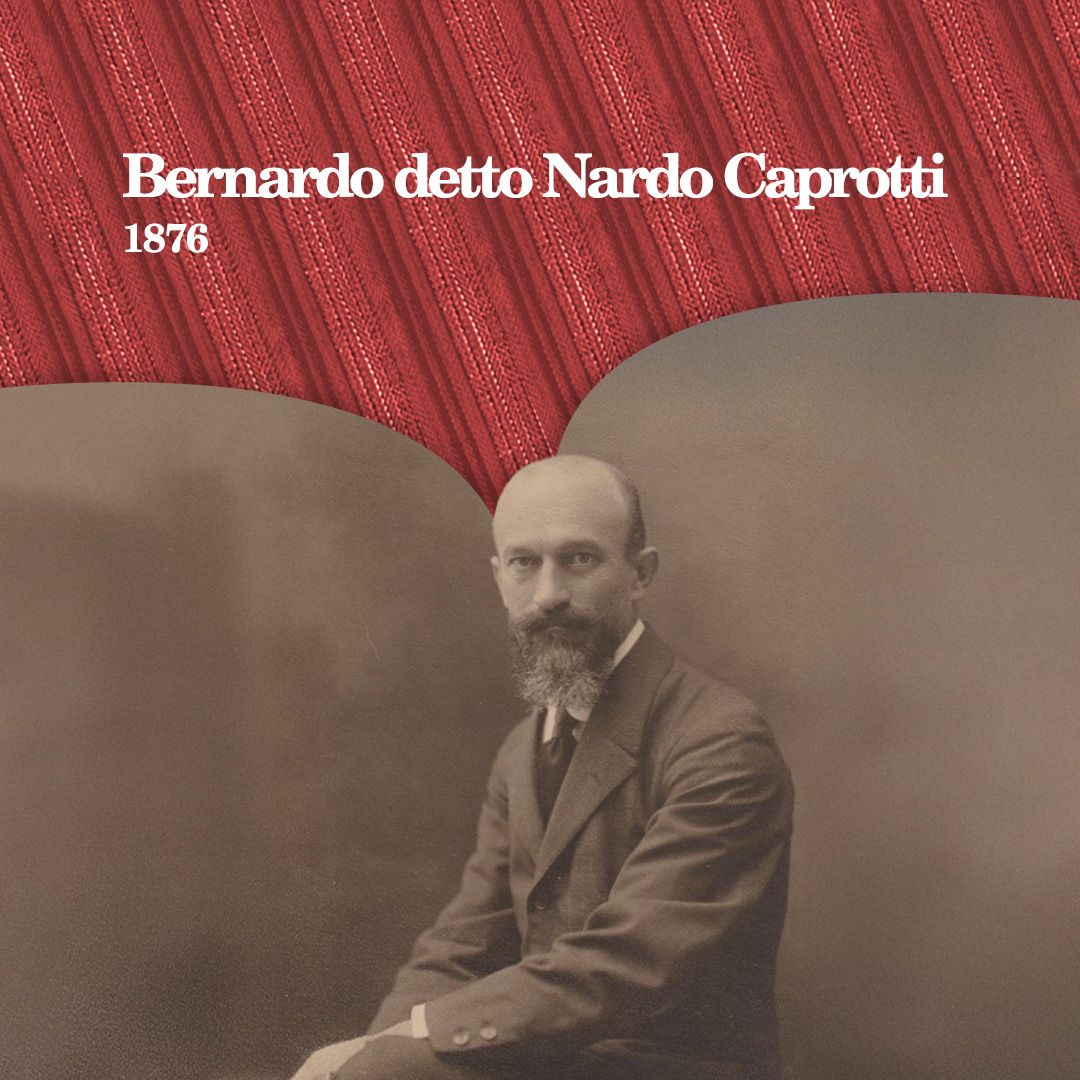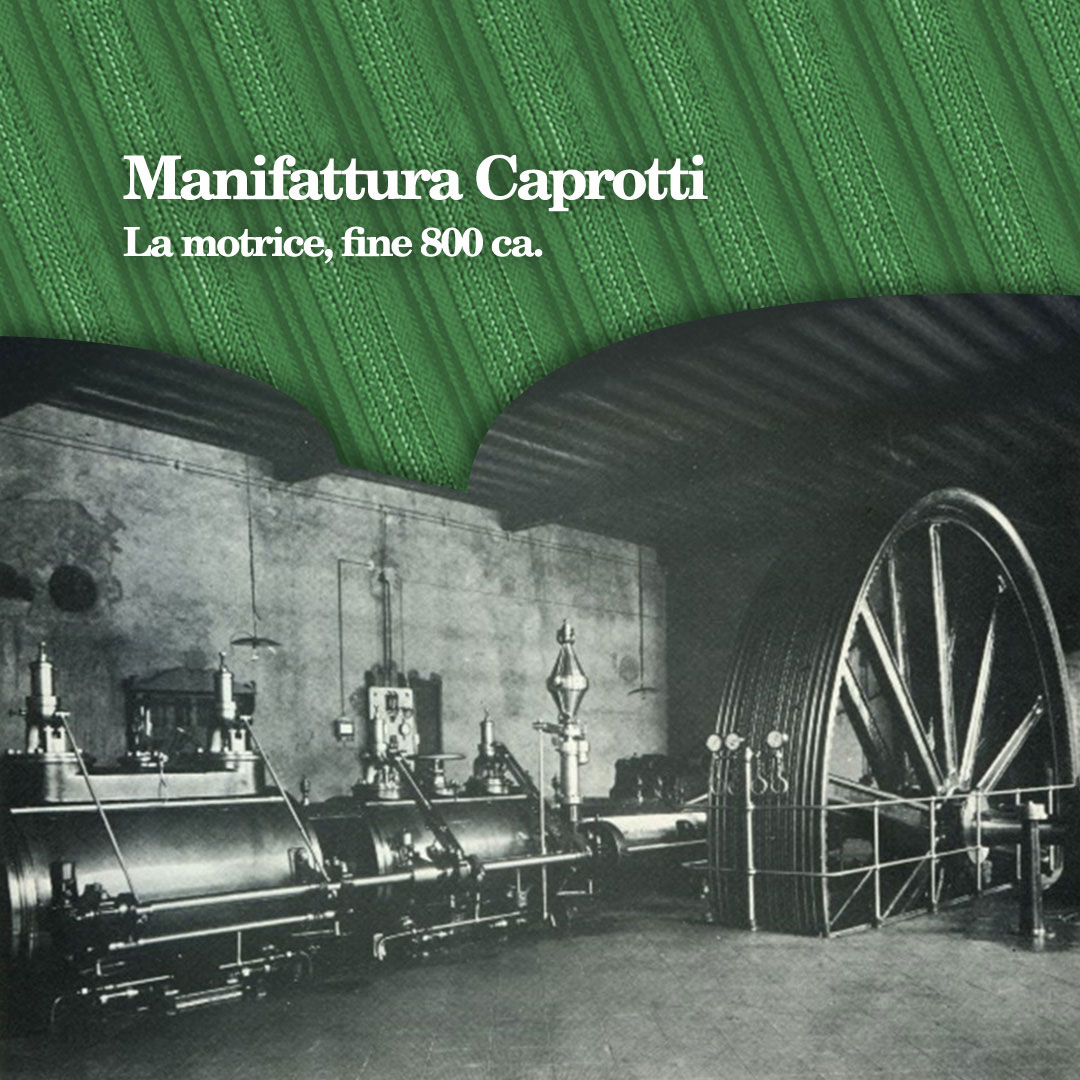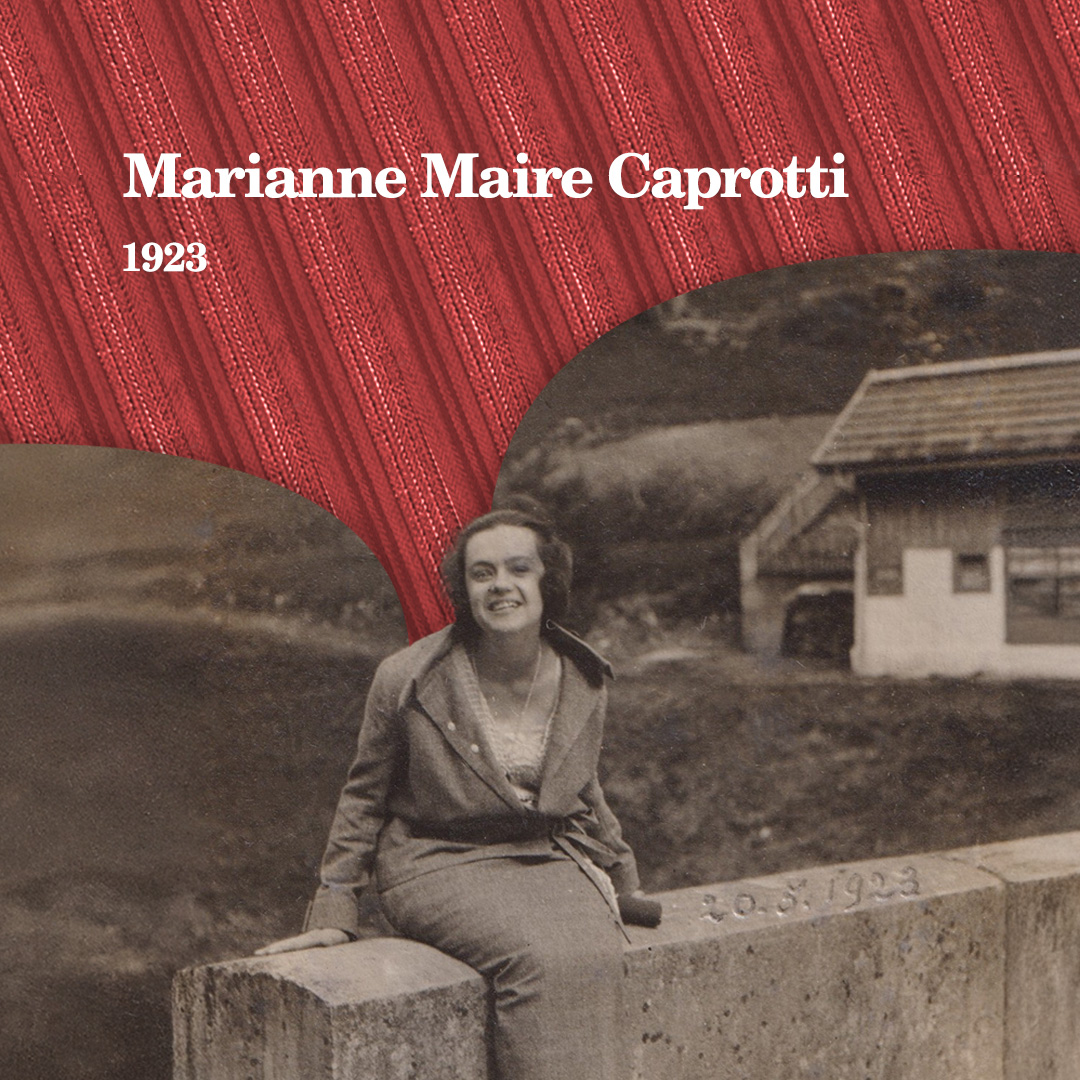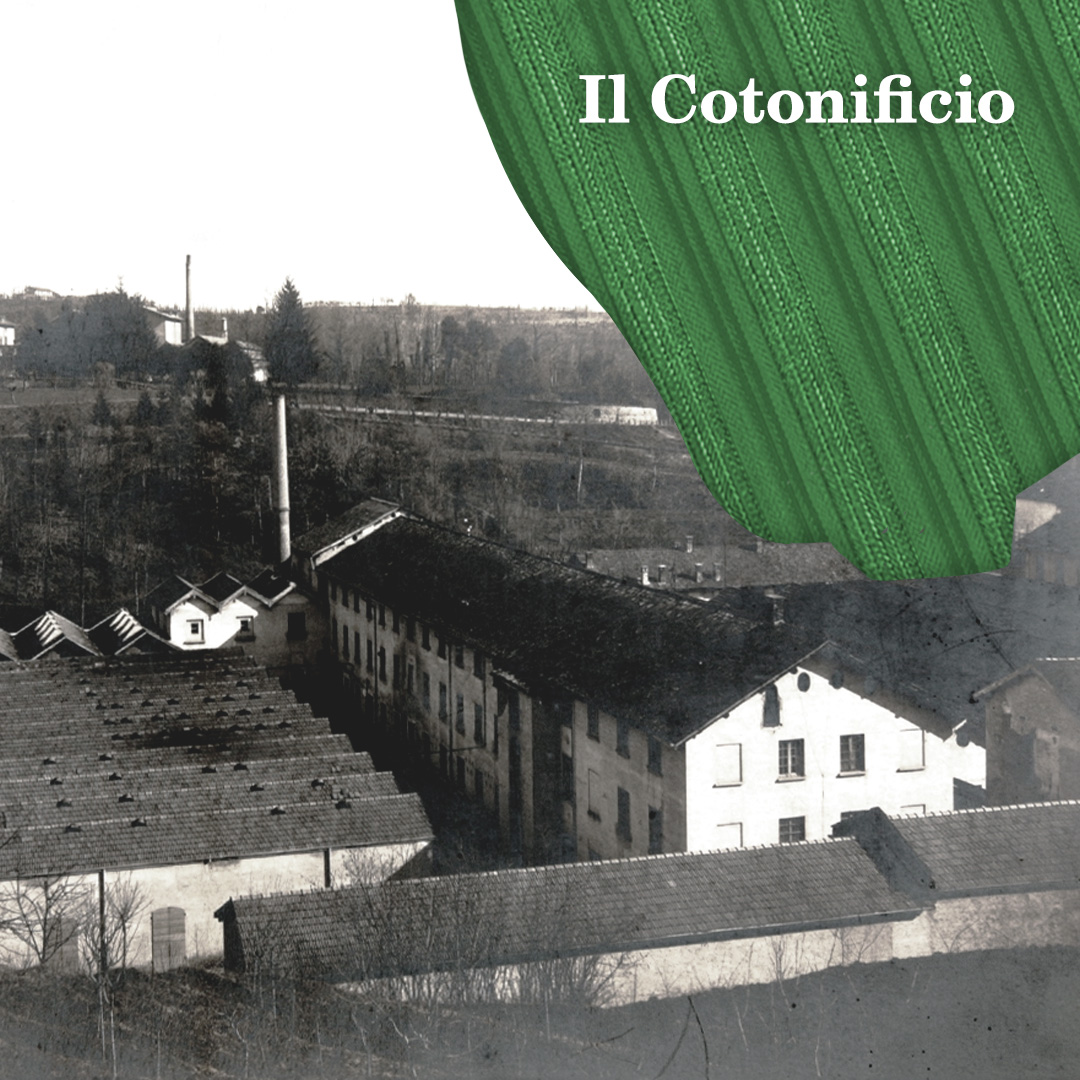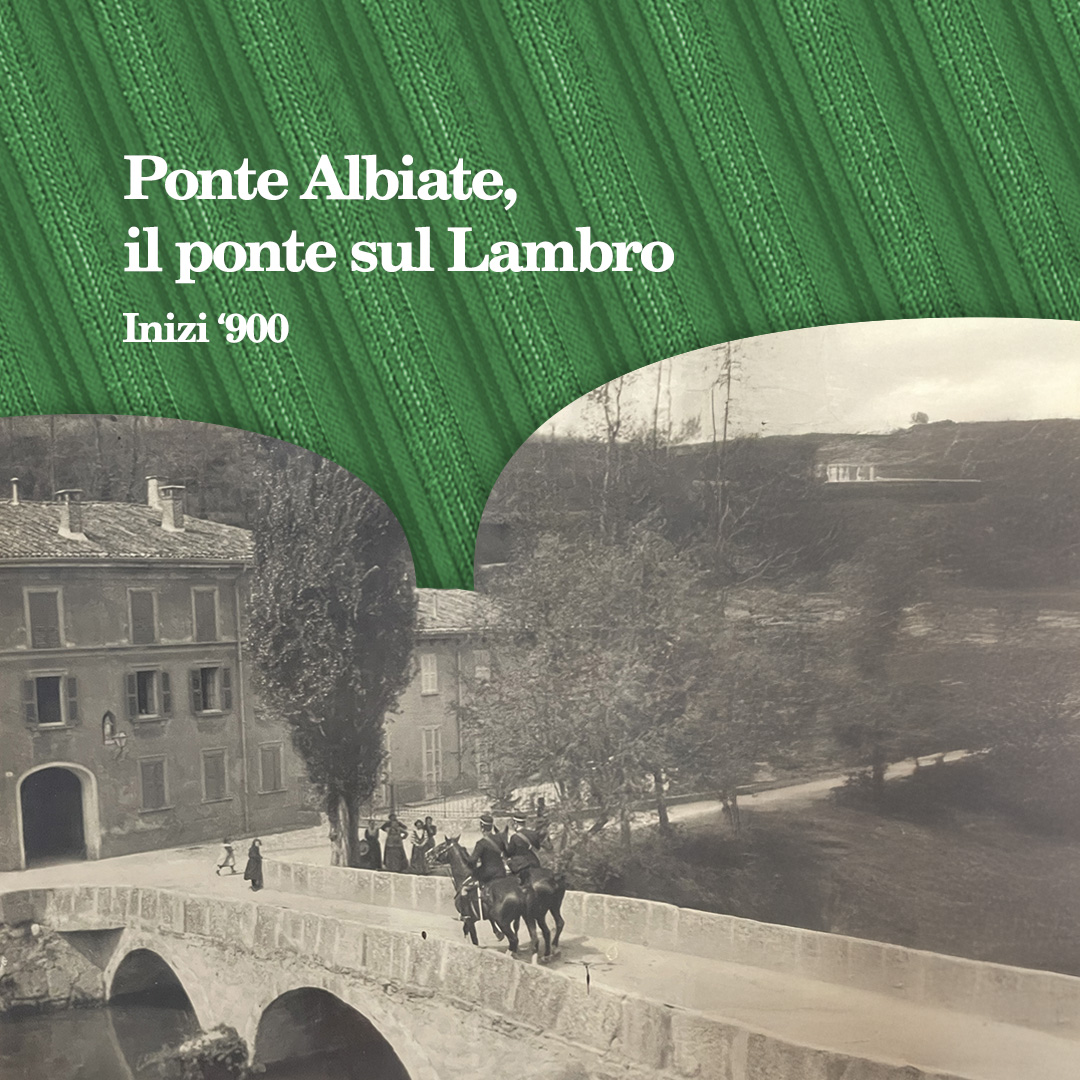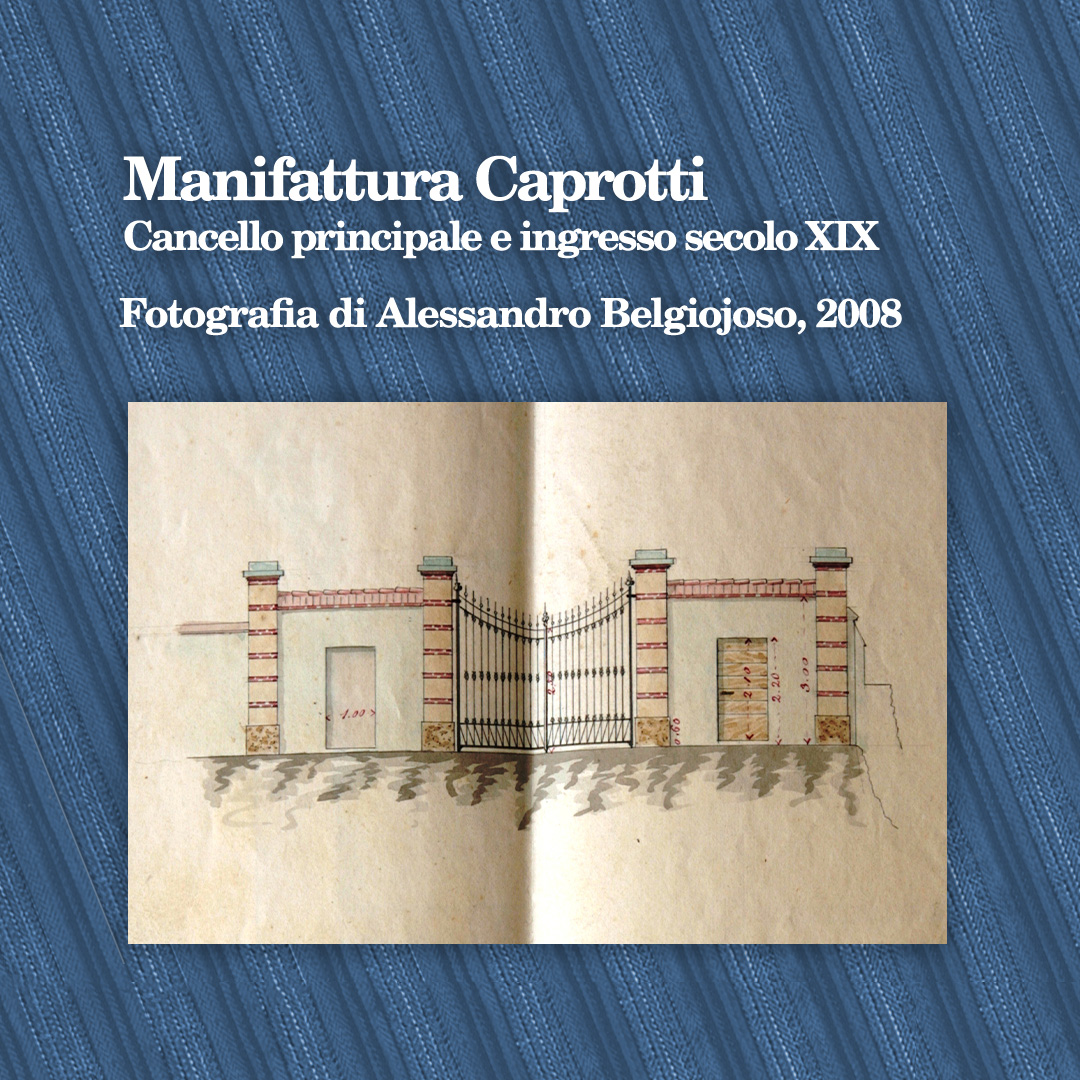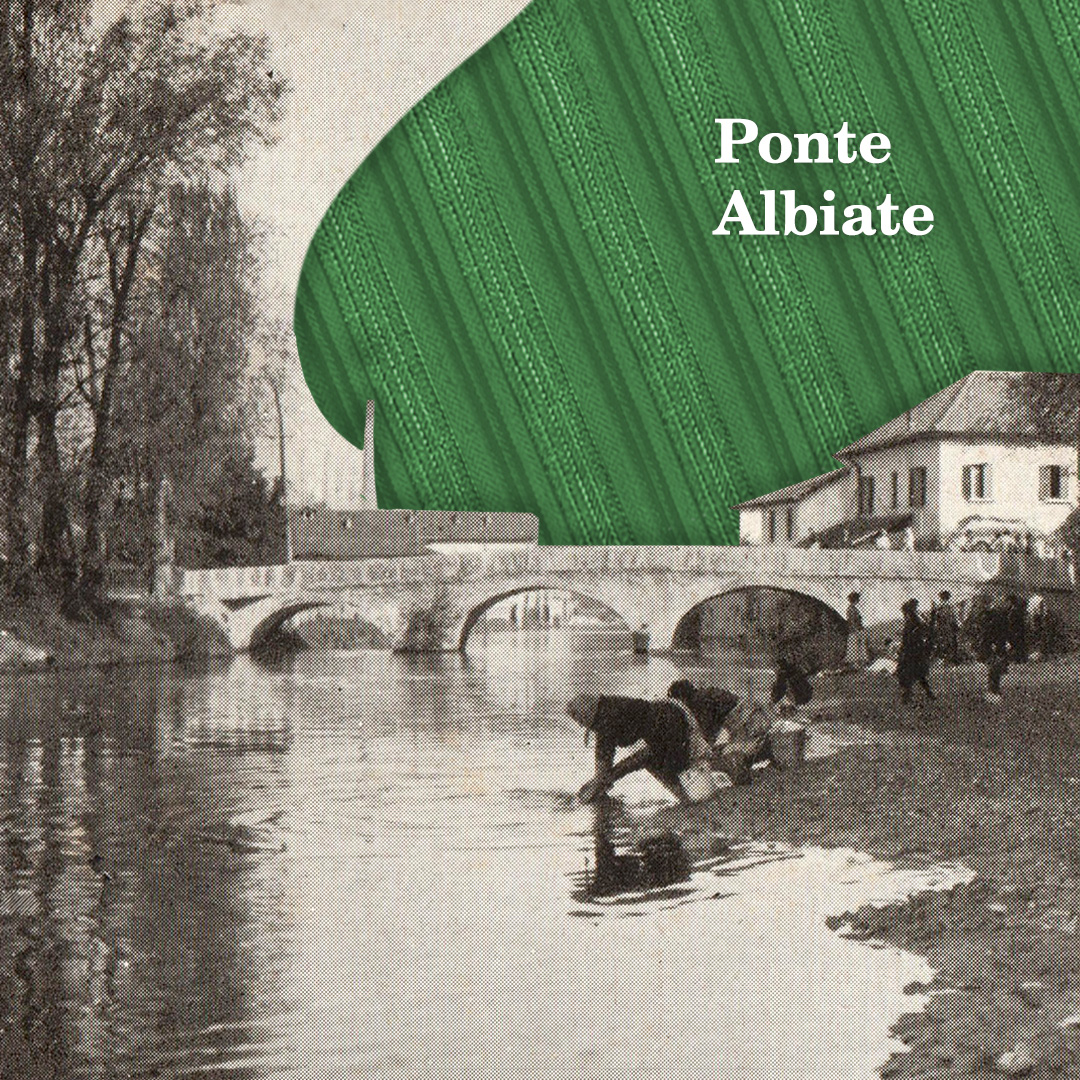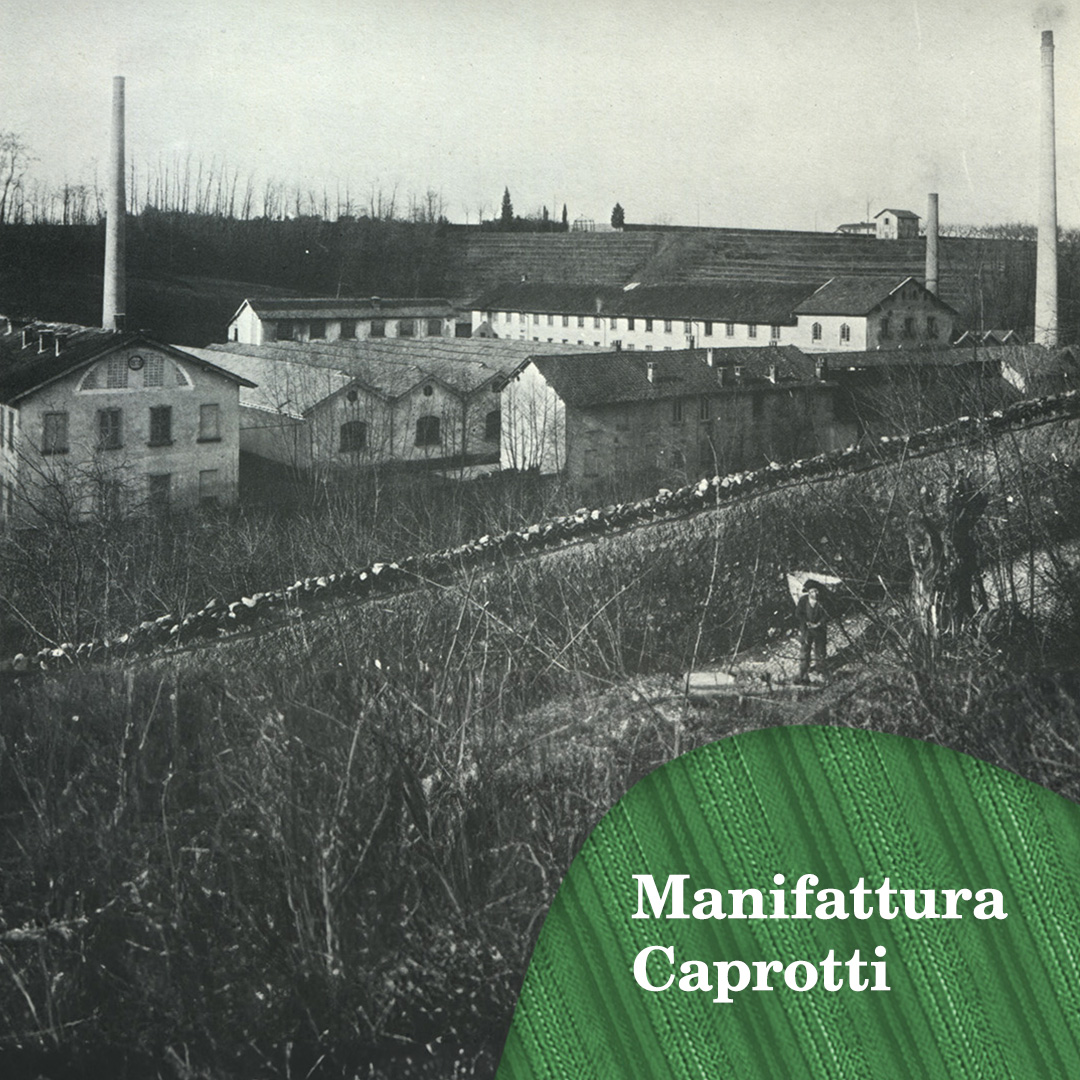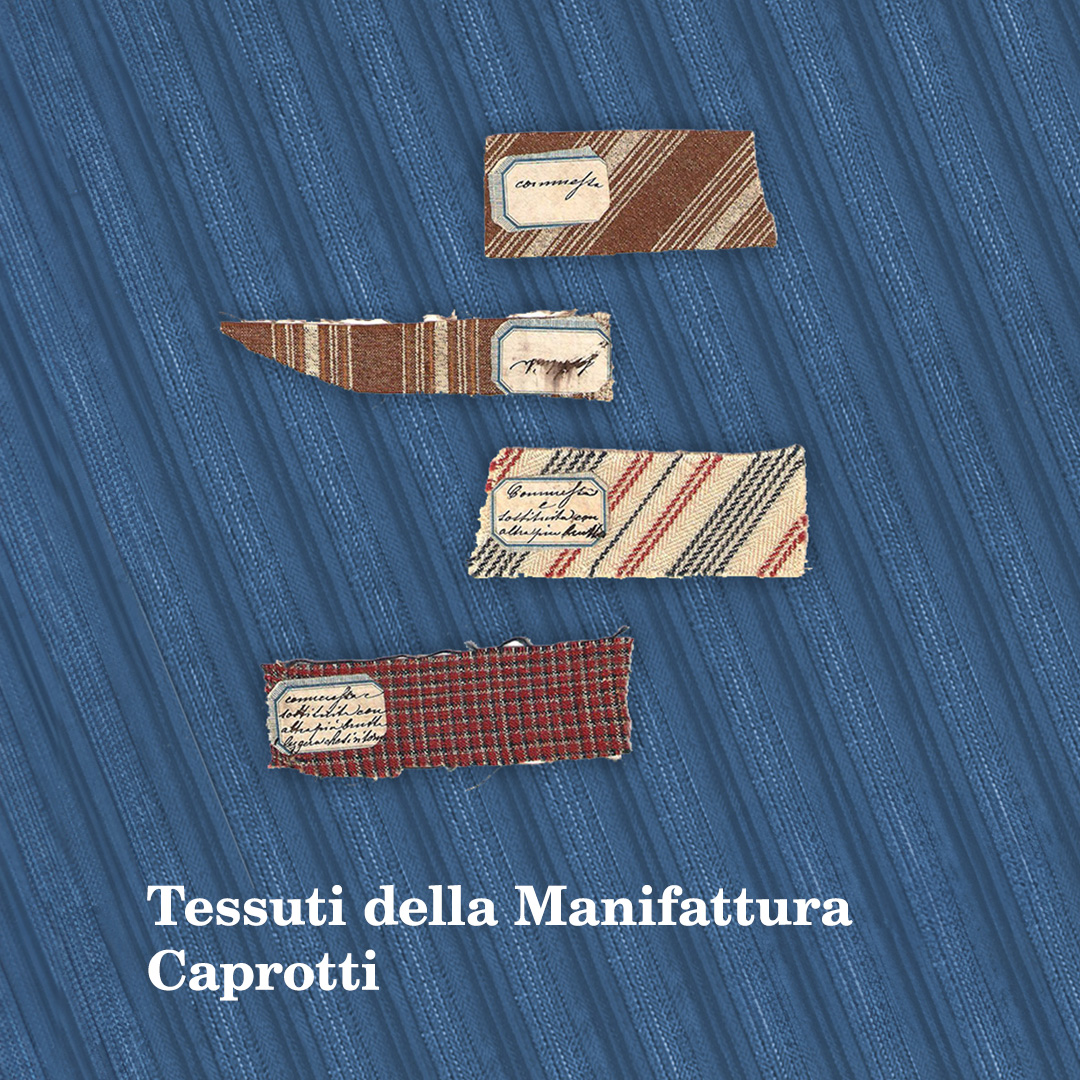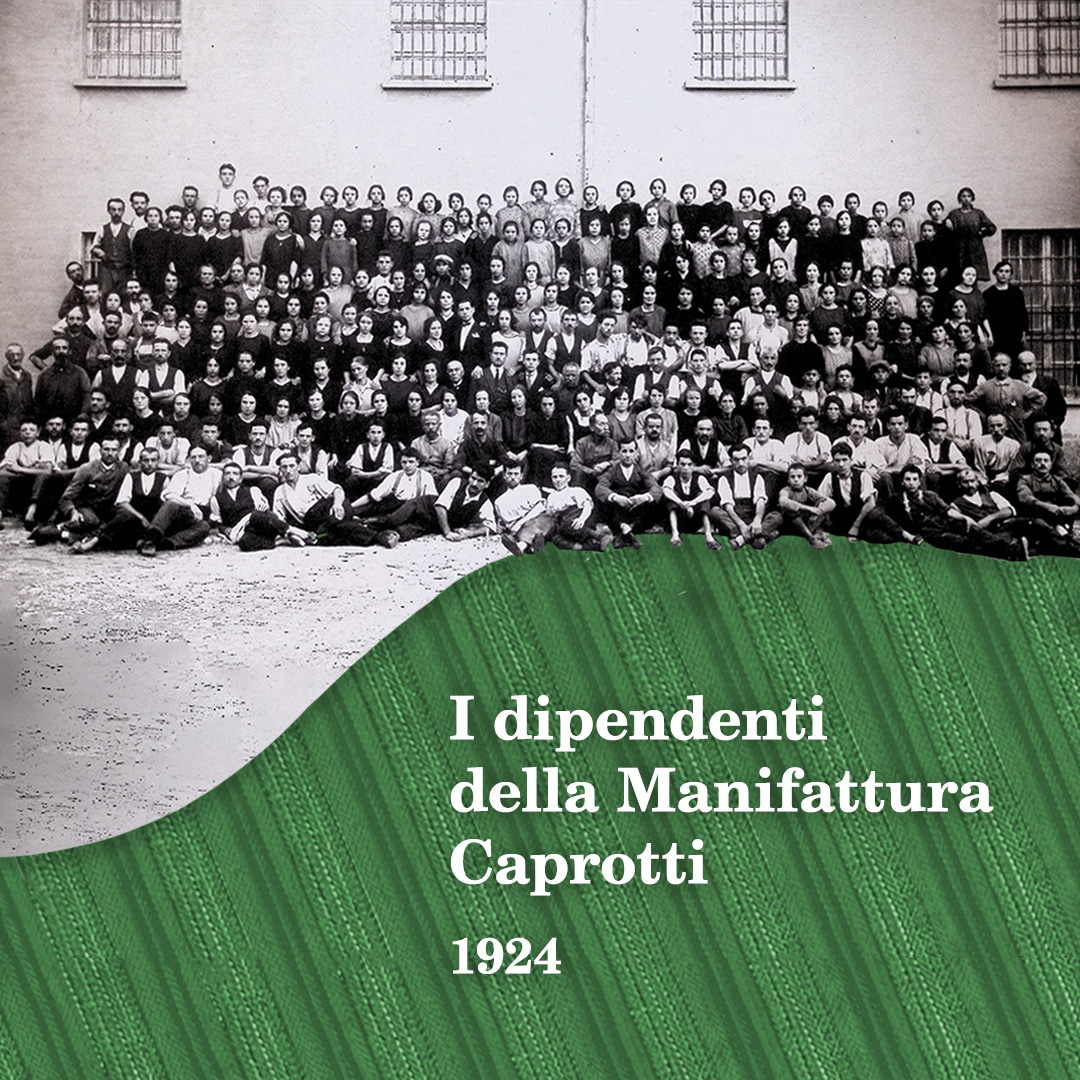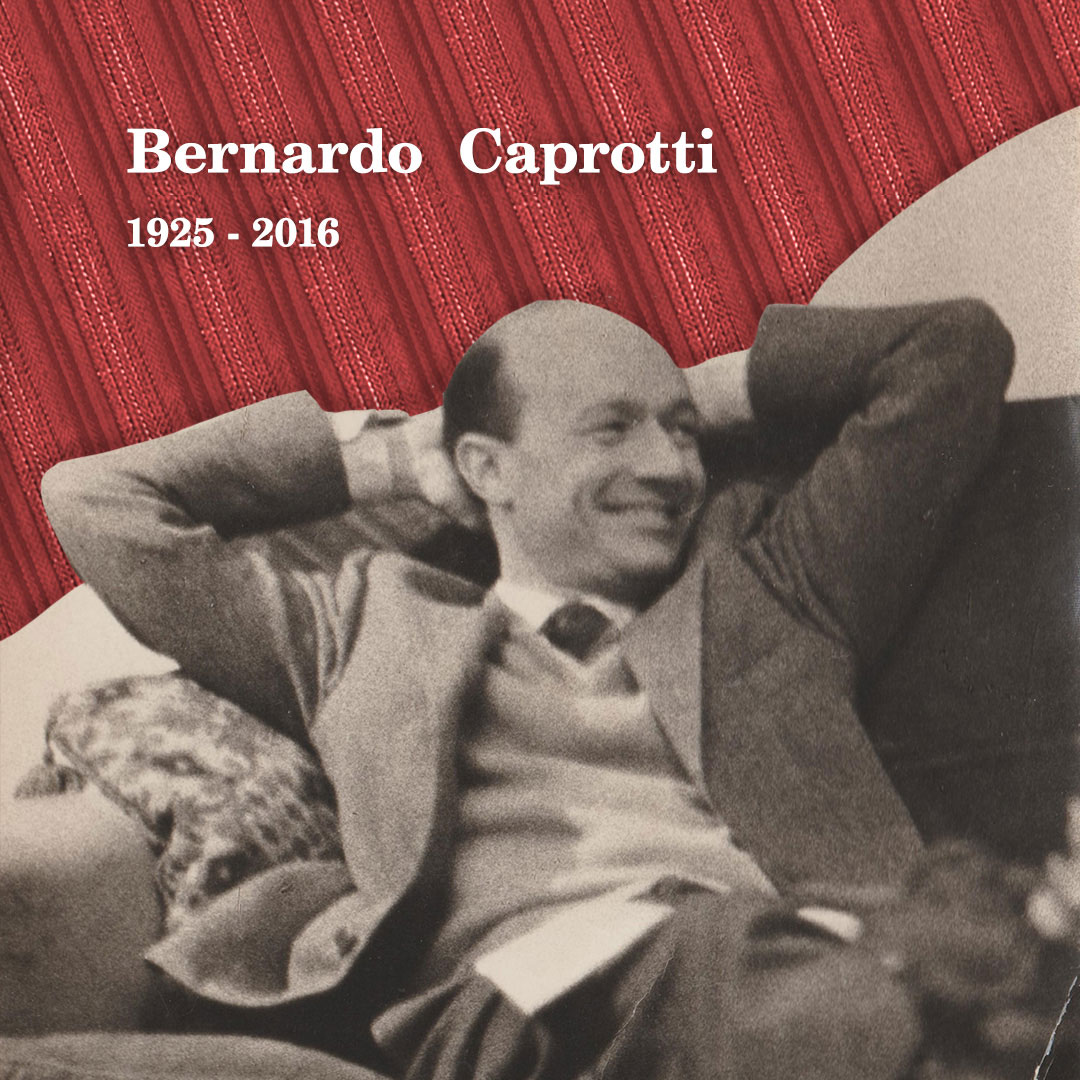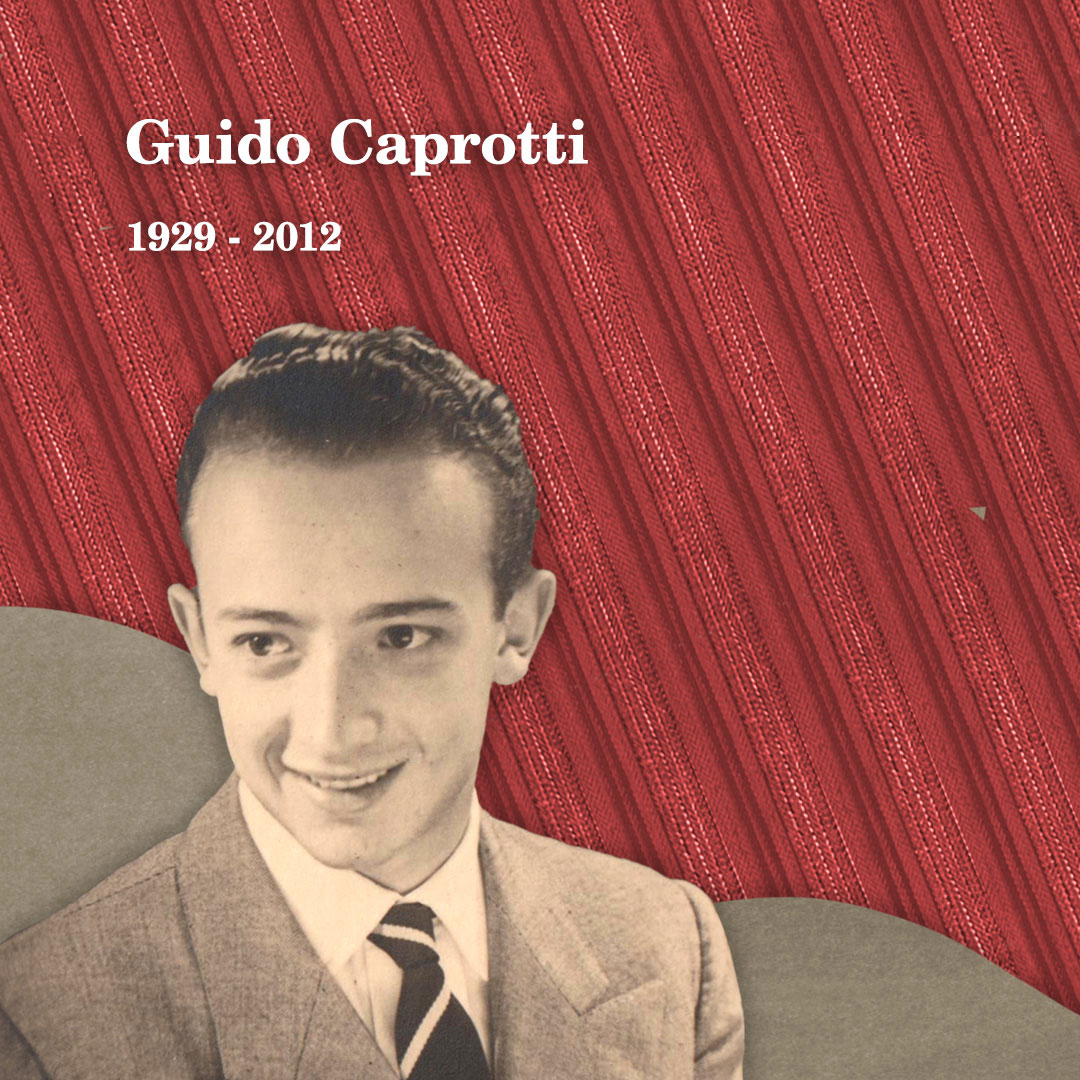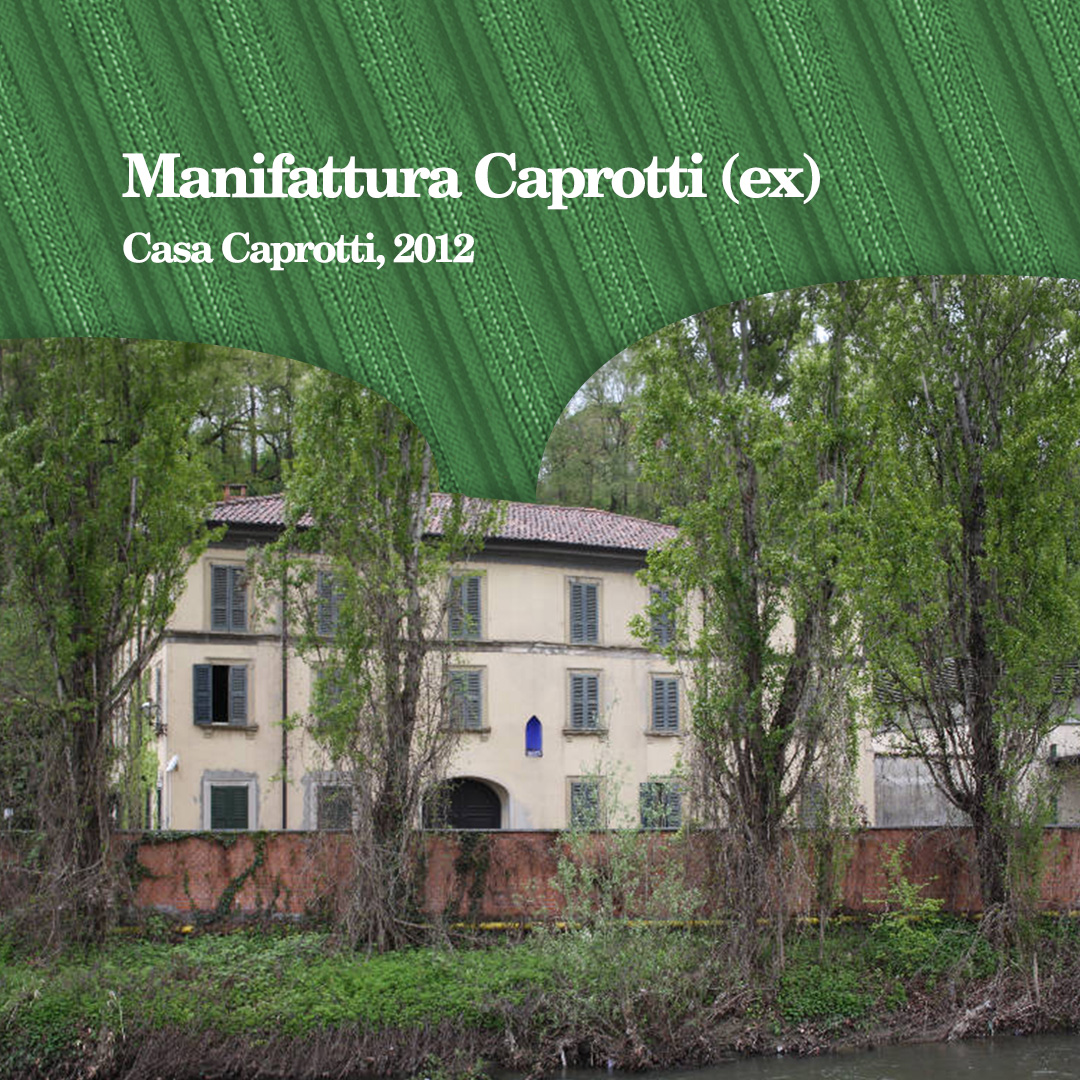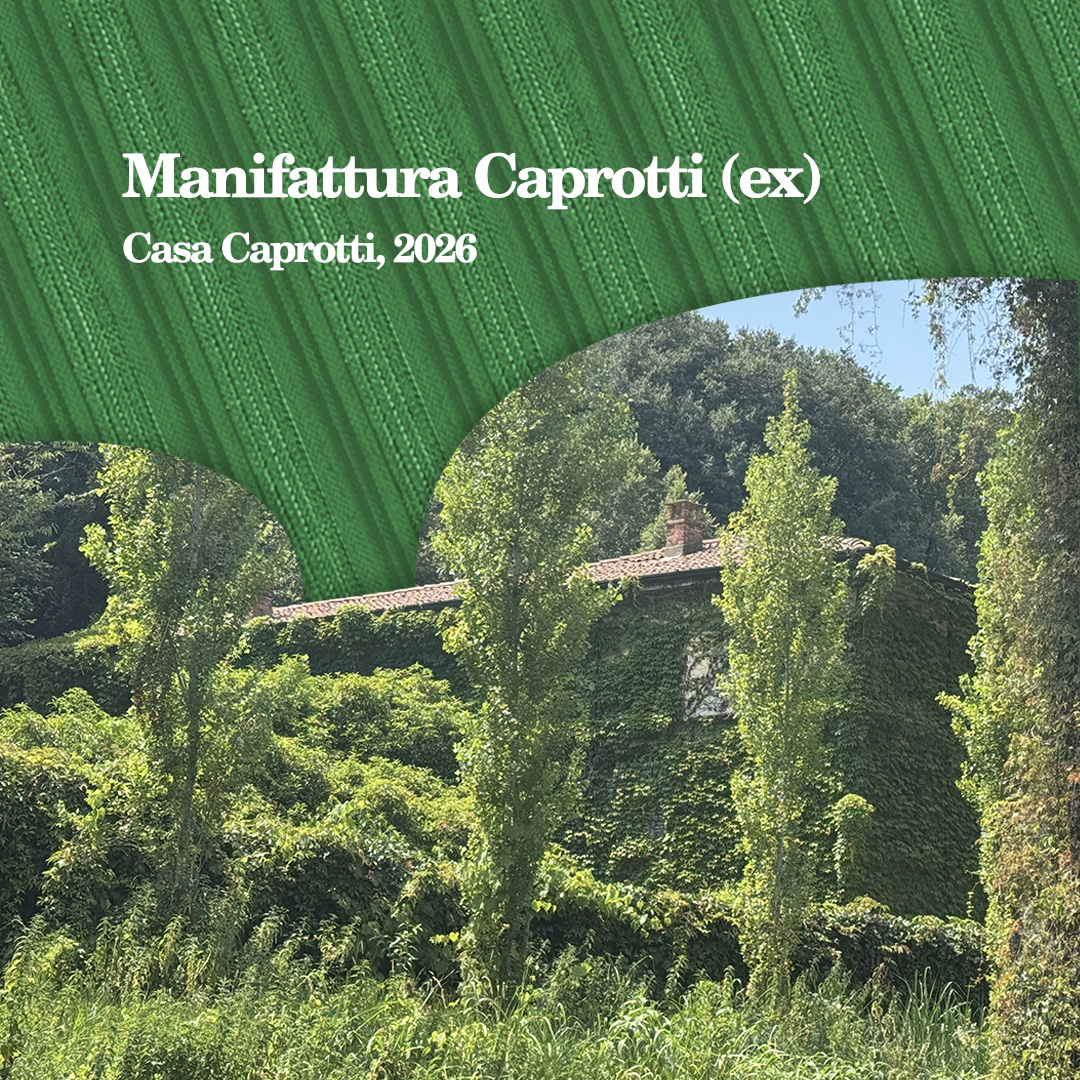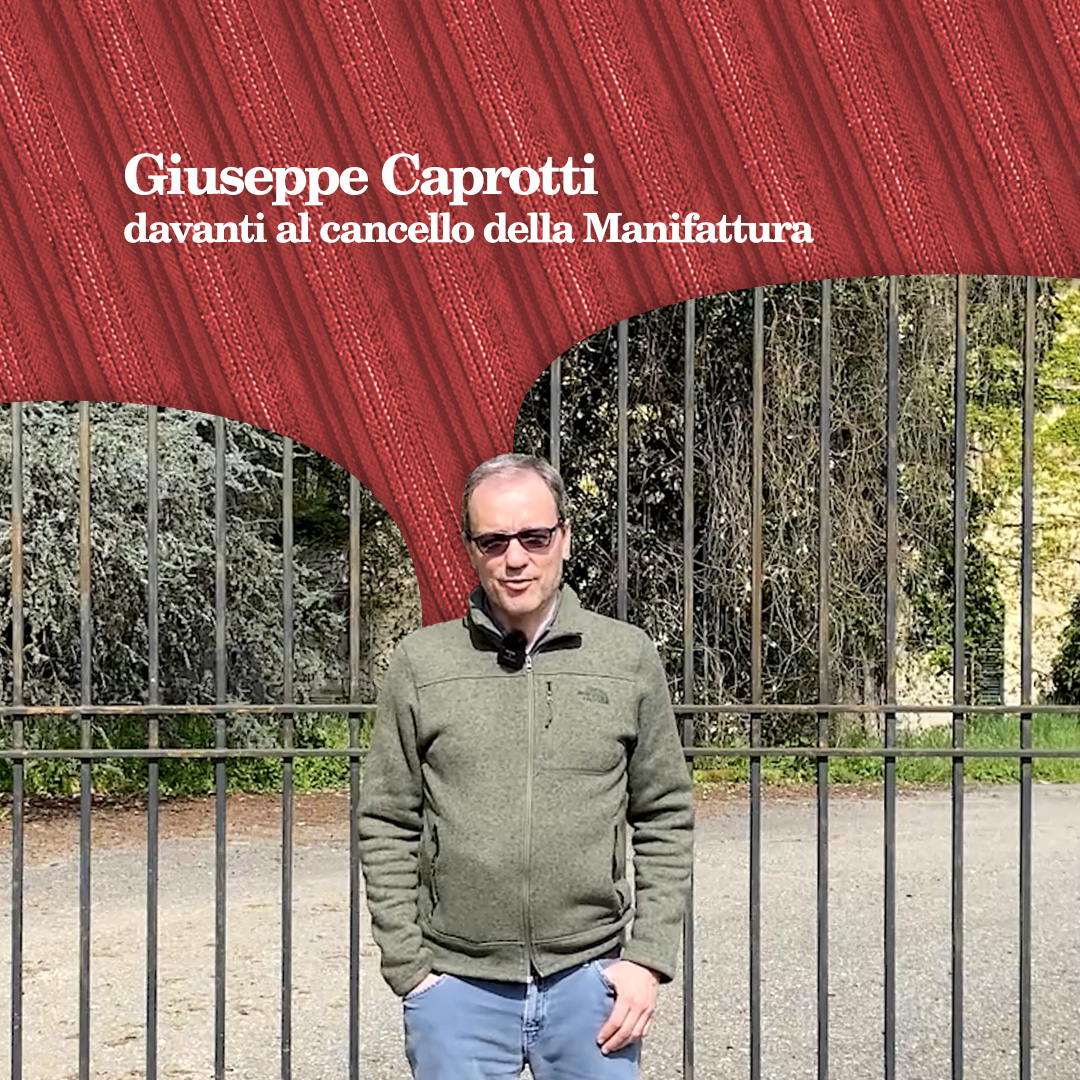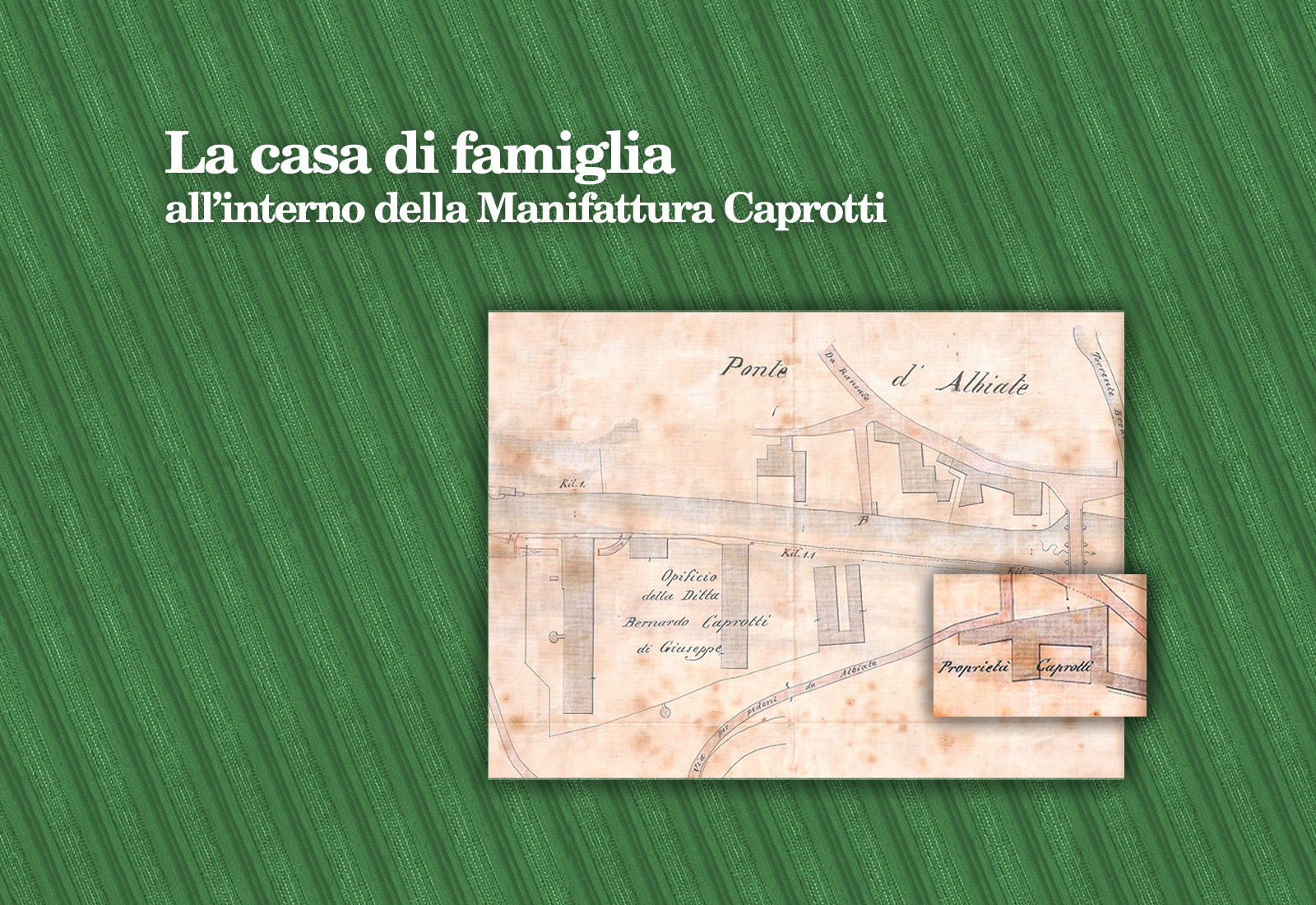
“Albiate is where my family made their fortune, and my earliest memories are set there. Until I started school, we all lived together in the large family home, with Dad, my uncles and my grandmother Marianne [Maire in Caprotti], a Frenchwoman from Épinal, who guided us with the firmness of an army corps general. The house was more than just a home. Even today , you only need to walk through the fields for no more than five hundred metres and, once you’ve crossed the bridge over the River Lambro, you come to the abandoned textile mill that once made our wealth possible. (…)” (p. 17). G. CAPROTTI, Le Ossa dei Caprotti. An Italian Story, Milan, 2024
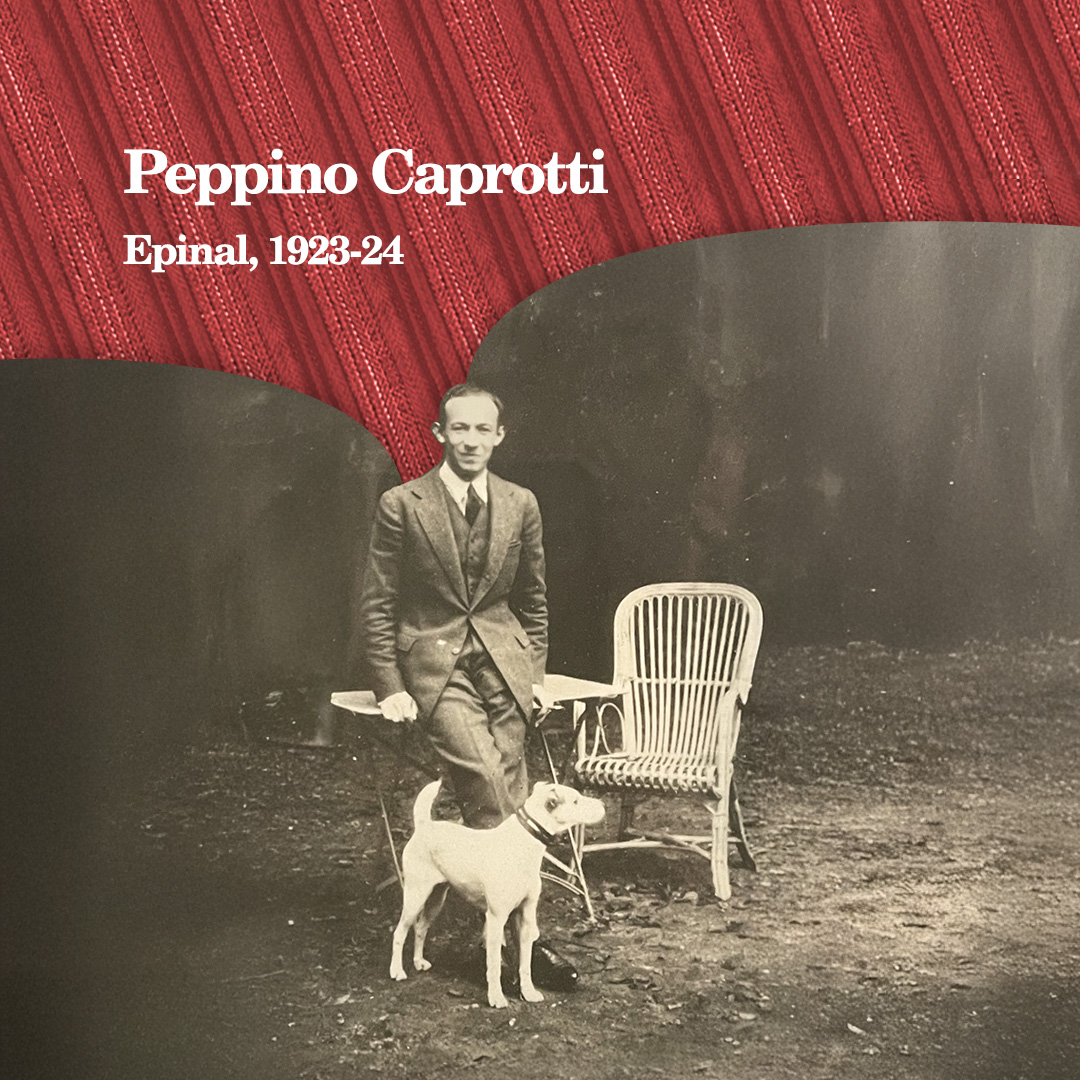
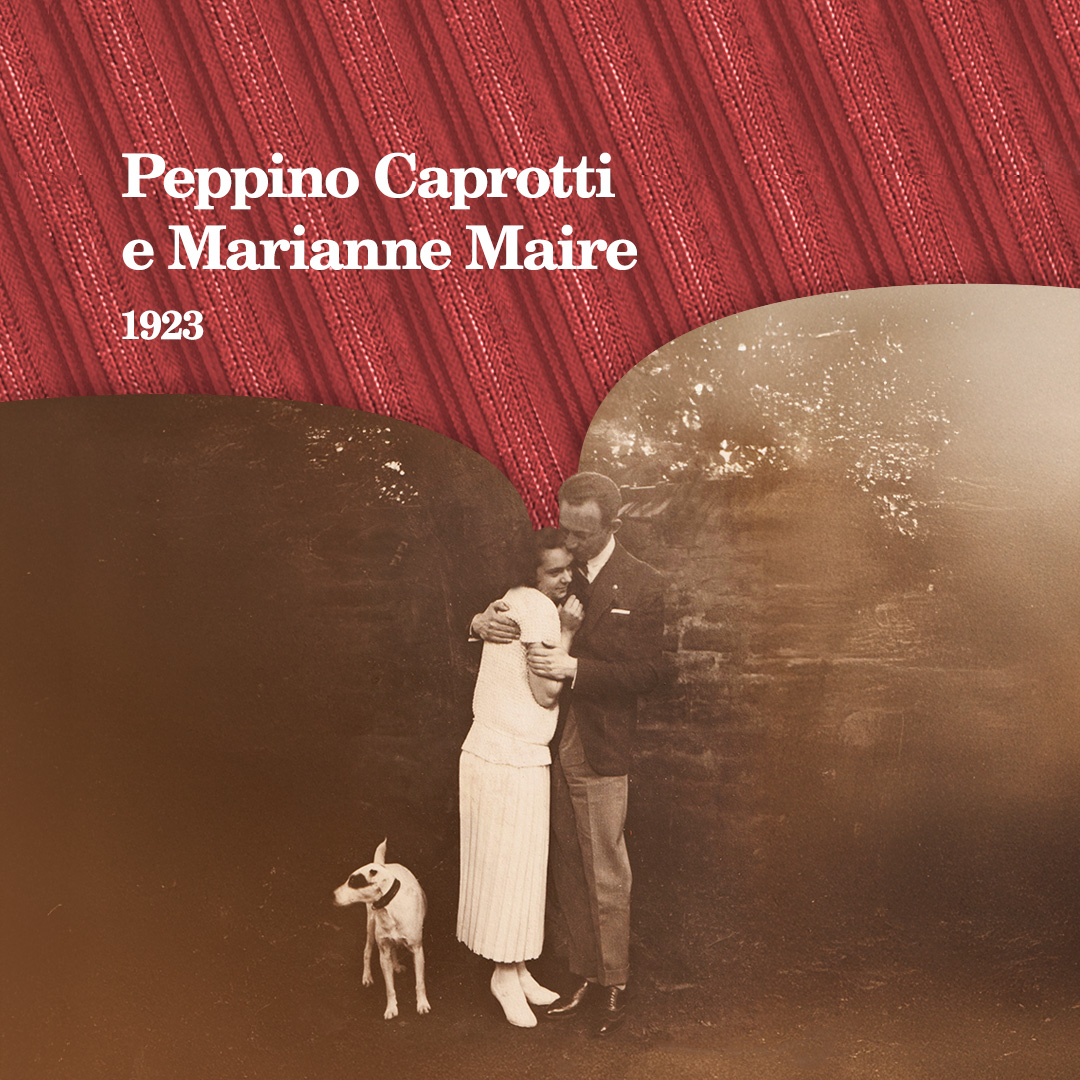
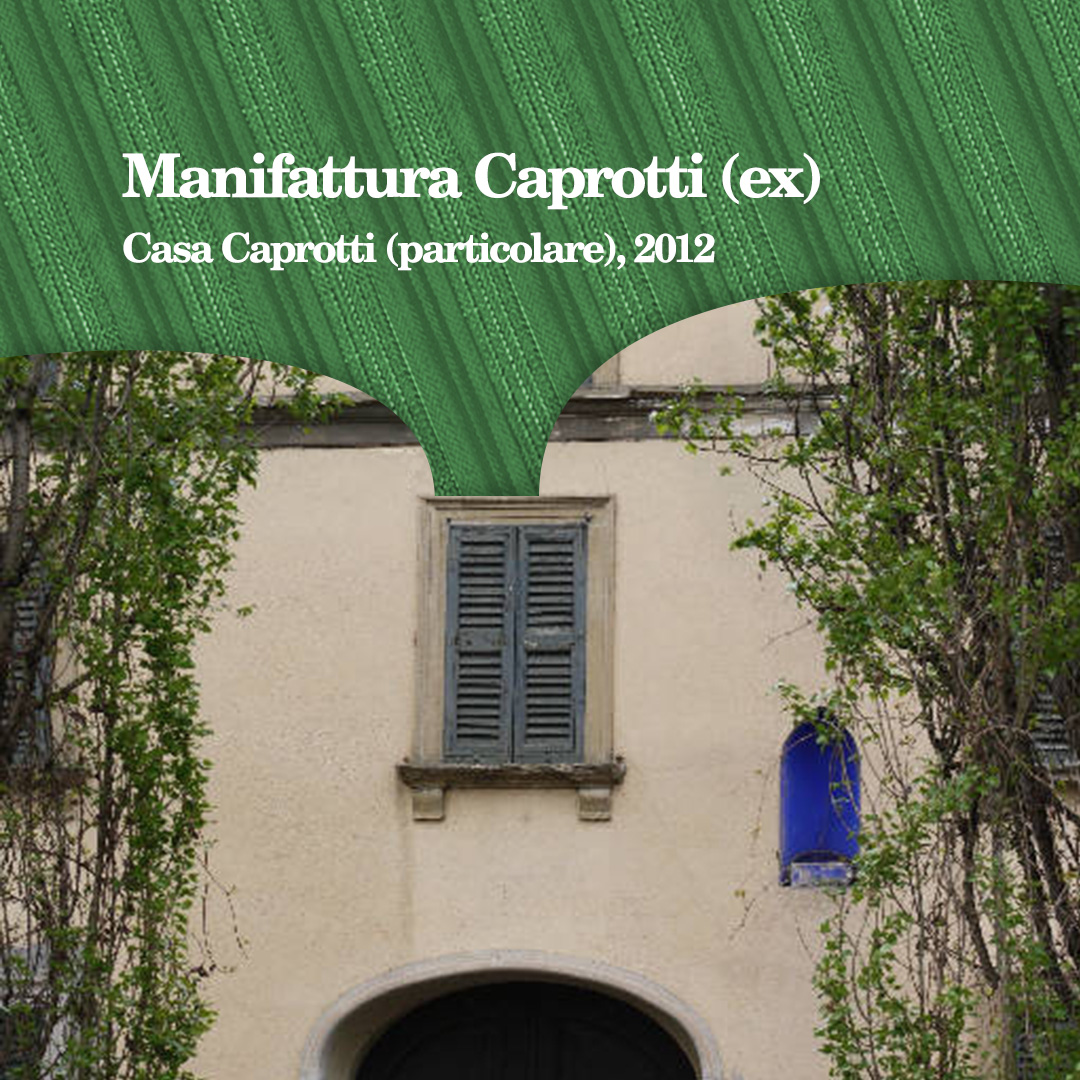
My grandfather Peppino Caprotti and my grandmother Marianne Maire, like previous generations, lived within the Caprotti Mill. Their home [referred to above as the ‘Caprotti Estate’] was part of the same complex, an integrated space, inseparable from the daily work of the looms.
Marianne, daughter of Georges Maire, a manager at an Alsatian textile factory, and Fernande Kampmann, met Peppino in 1922 in Épinal, a French town in the Vosges, where he was studying at the prestigious textile training college. The two fell in love quickly and married in 1924, beginning their life together in Albiate.
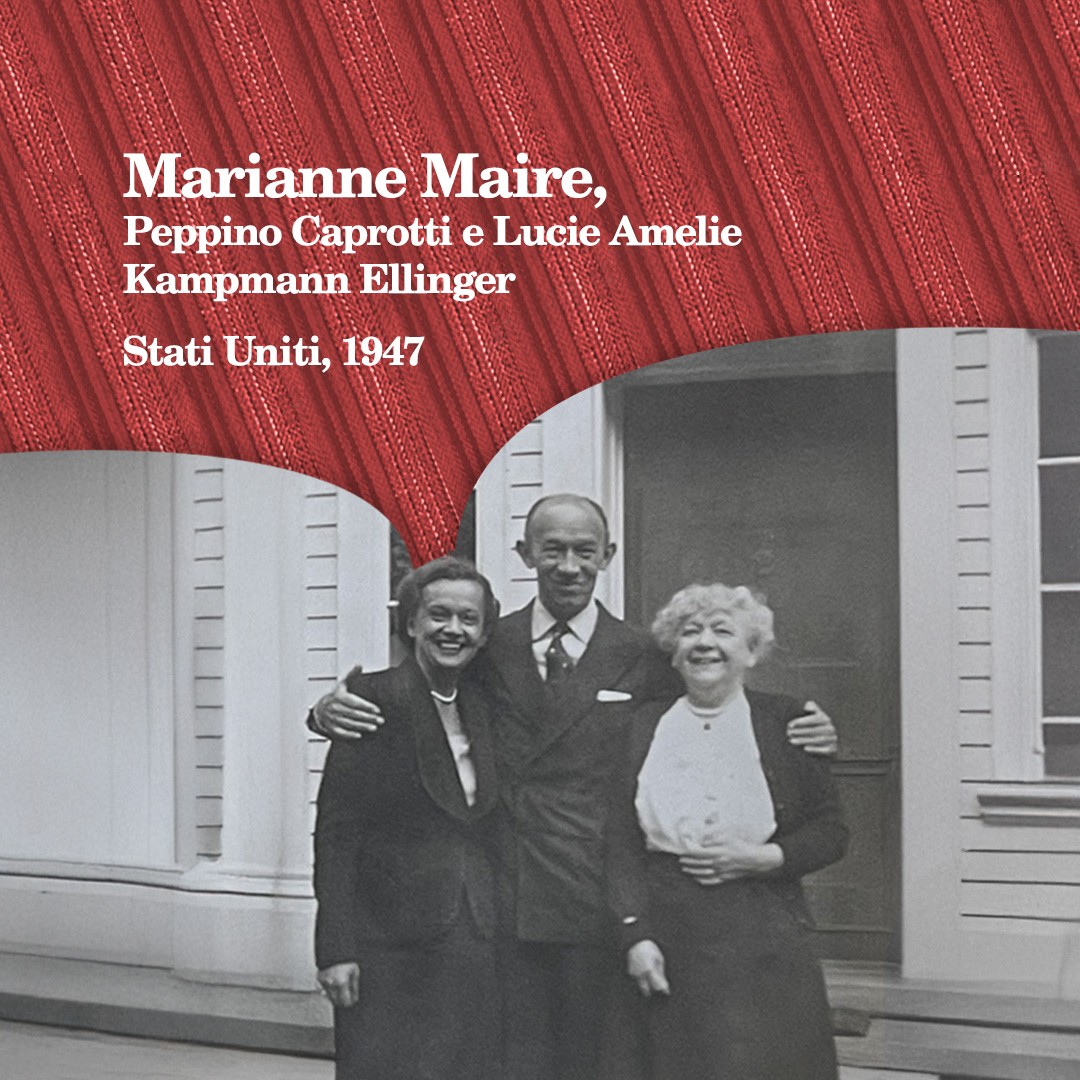
Thanks to the help of Marianne’s first cousin, Alfred Ellinger, Peppino secured Marshall Plan funding which enabled him to begin construction of a new, state-of-the-art textile plant — transforming the Manifattura into a cutting-edge company.
After the Second World War, my grandparents moved to Villa San Valerio, also in Albiate.
I have learnt from former employees and from newspapers that the Manifattura is to be demolished and will subsequently be converted into a social and healthcare centre.
Sources:
https://www.giuseppecaprotti.it/tag/Peppino Caprotti/
https://www.giuseppecaprotti.it/tag/Marianne Maire/
Images of the Caprotti Manufactory: Caprotti Weaving Mill (former) – complex – Garnerone, Daniele (2012) – Lombardy Cultural Heritage. Giuseppe Caprotti 2026