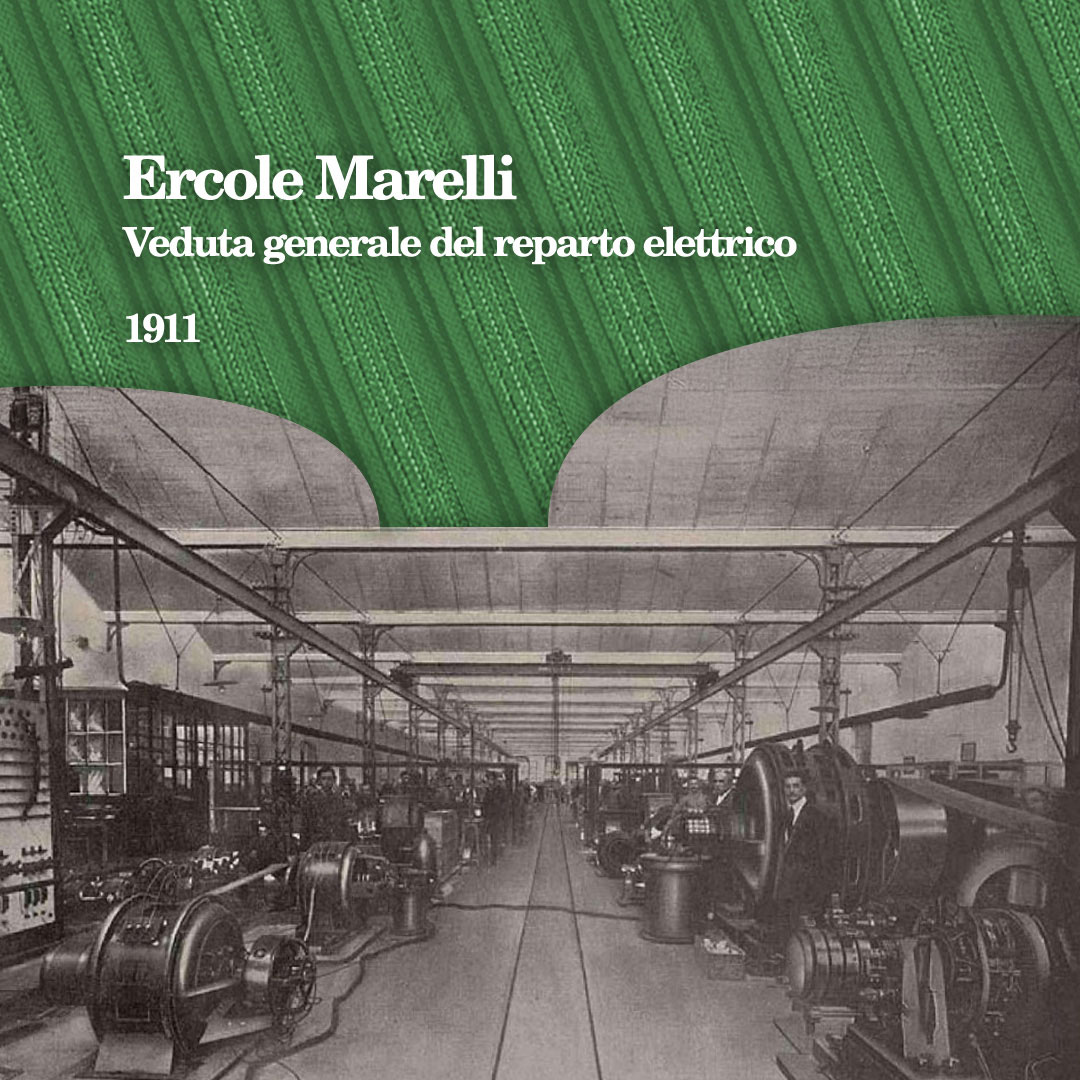
Ercole Marelli is an emblematic example of how technological innovation can transform a sector and contribute significantly to economic growth: from high-efficiency electric motors, which by implementing performance reduced operating costs, to industrial fans, automation systems and the production of electrical components for the automotive industry, Marelli not only follows but also creates the market.
Its success lives through the company’s continuous innovations: the results stem from the constant striving to always improve products with an eye on quality rather than price, as well as from adapting the company’s organisation, from technology to administration to sales, to the market developments of the moment.
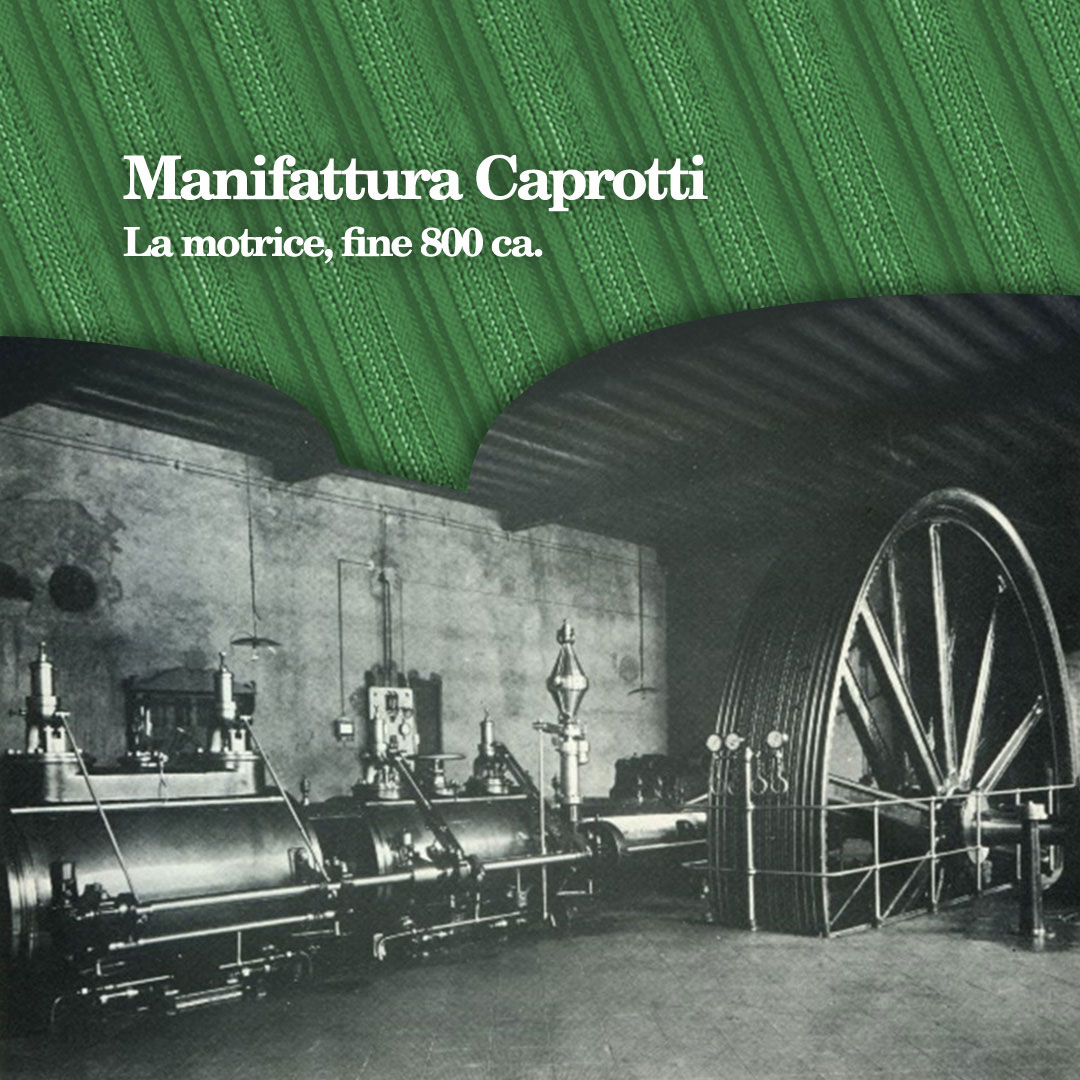
Caprotti behaves similarly, albeit in an entirely different sphere and with a product that is much more sensitive to the immediate demands of the market; it is a significant example of how companies in the manufacturing sector can adopt technological innovations to optimise and improve production processes and respond more effectively to customer needs [ It was the second company to introduce mechanical manufacturing in Italian industry, in 1866 ] . They too started with technological innovation and factory development.
In the second half of the nineteenth century, Carlo Caprotti practically settled in Switzerland to learn about, research and ship the newest and most modern machines to the Albiate factory, and it was only towards the end of the century that the company began to turn more and more to Italian suppliers, the only ones to whom the younger Marelli, born more than half a century later, turned by choice and conviction (and it was possible to do so, because after the Unification of Italy, even the very small Italian industry was beginning to take off).
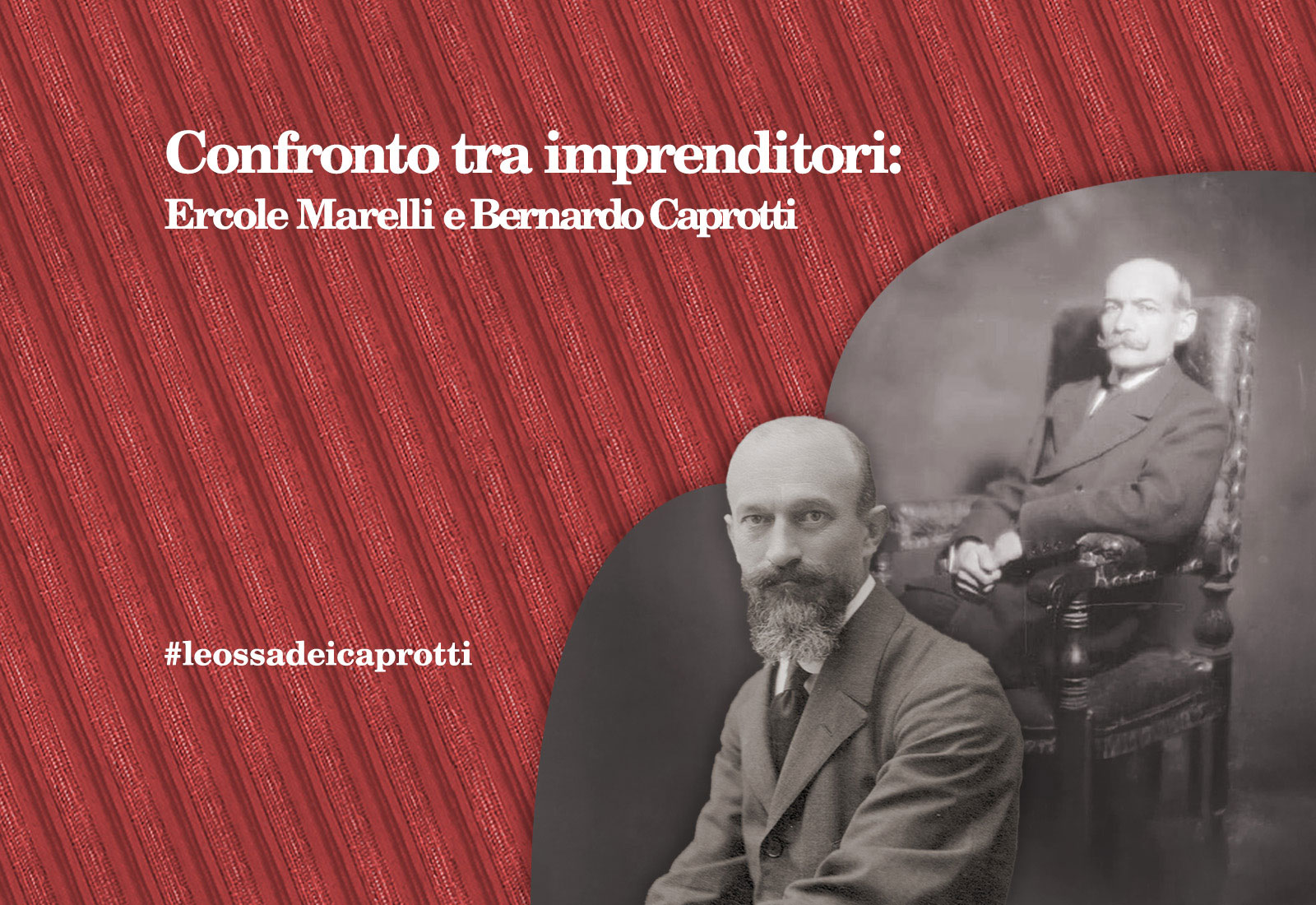
In conclusion, the comparison between Ercole Marelli and Manifattura Caprotti shows how different innovation strategies can coexist in a market full of opportunities.
Marelli, moreover, values human resources right from the start, which in his 20th anniversary book are cited as a necessary foundation for the company’s success, making that transition, by no means taken for granted at the time and, it must be said, still little in ours, that sees the transition from the ‘I’ of the boss to the ‘we’ of the team that works with him, not only dependent on him. I did this at Esselunga, almost a century later, making another of those laborious, small but fundamental revolutions that changed the face of the first supermarket to gain a foothold on Italian soil, at the end of the 1950s: “For me, Human Resources were fundamental to building the Esselunga brand, ‘the pillar’ on which our success is based and … teamwork ‘is the basis for achieving results’.” (G. CAPROTTI, Ercole Marelli and Giuseppe Caprotti united “from the I to the we”).
Bibliography:
Ercole Marelli & C. Pel XXmo anniversario 1891-1911, Milan, [1911?] (digital copy available online at https://issuu.com/fondazioneisec/docs/marelli ). The images of the Marelli factories were taken from here).
M. MAGAGNINO, The unexpected entrepreneur. Marelli: i primi vent’anni (1891-1911), Verona, 2024.