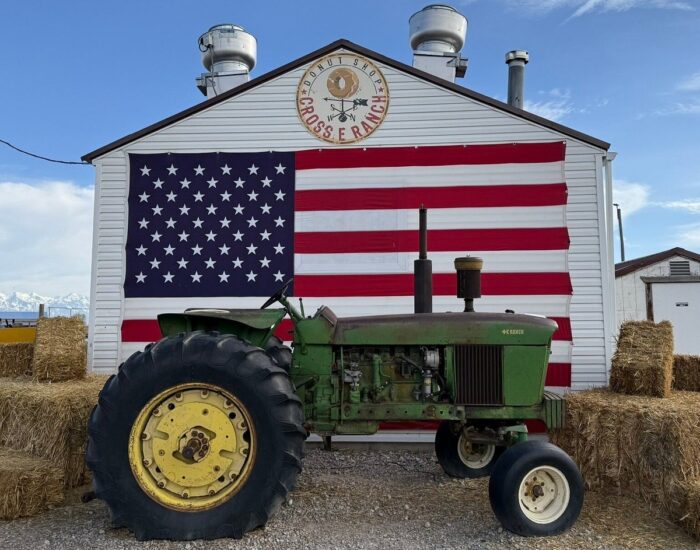
The decline of the American agricultural superpower

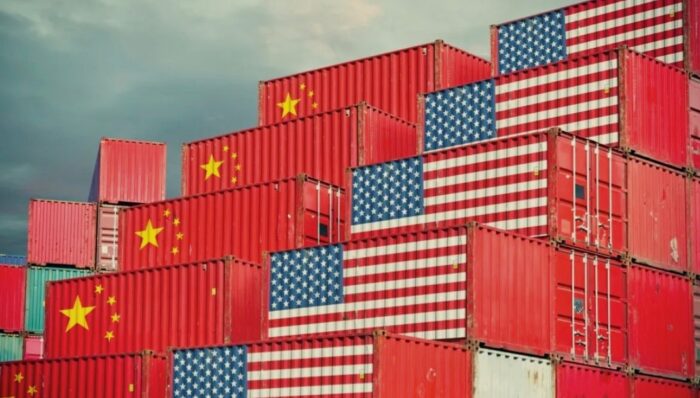
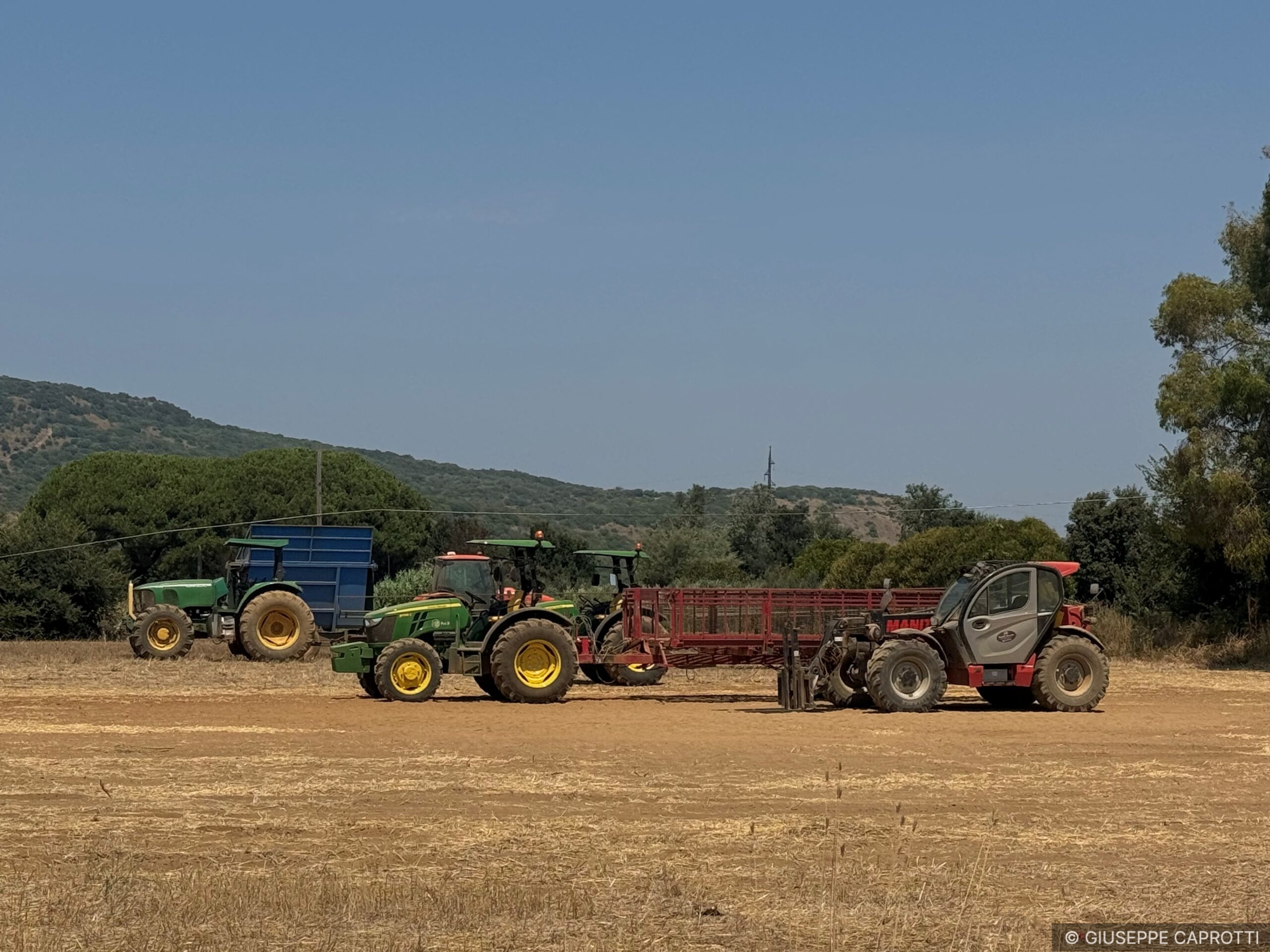
The doubling of Brazil’s production of cereals, pulses and oilseeds (346.1 million tonnes in 2025) over 13 years, coupled with its dominance of the meat market through the JBS group, was bound to lead to serious tensions: Trump accused Brazil of deforestation and imposed 25 per cent tariffs. This will not prevent Brazil from becoming the world’s leading agricultural power

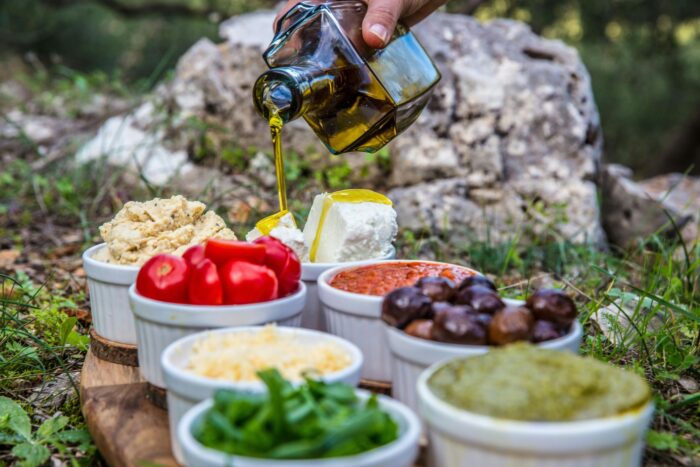
Olive oil: the Financial Times says, “Spanish olive oil is superior to Italian olive oil”. A comment by Giuseppe Caprotti

The commentary therefore focuses primarily on the discrepancy between the article’s headline and the evidence presented in the text. The FT describes the progress made by some Spanish producers towards improving the quality of their extra virgin olive oil, but does not offer a direct technical comparison with Italian production

What lies behind Italy’s pacifism in Putin’s war against Ukraine

In response to the Soviet decision to deploy SS-20 missiles, NATO adopted the ‘twin-track approach’: to station missiles in Europe whilst simultaneously negotiating disarmament with the USSR. Italy chose Comiso Airport as the base for 112 cruise missiles. The deployment caused extremely high tensions between 1981 and 1983 and gave rise to a major peace movement. Catholic and left-wing

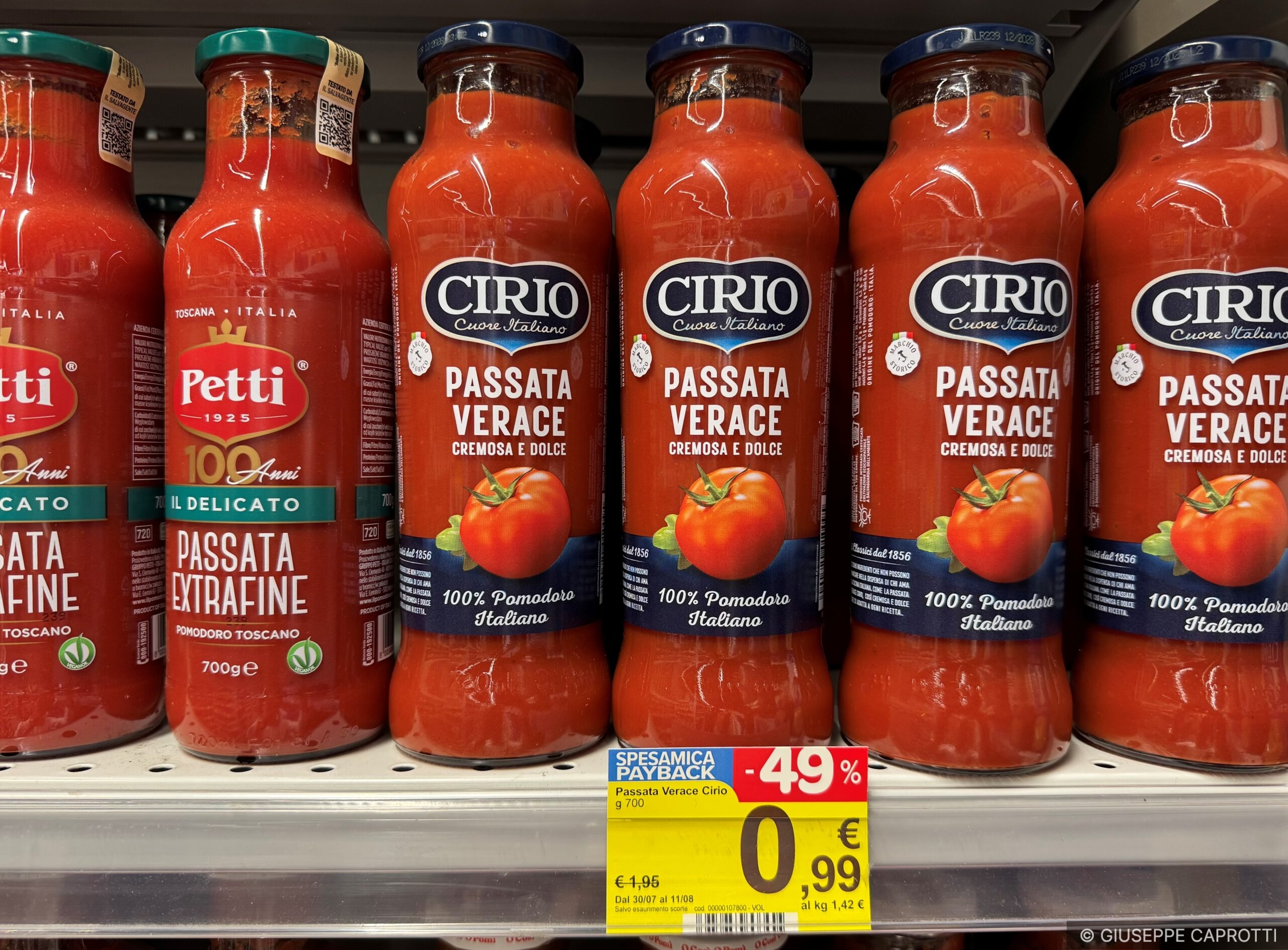
Saving money? ‘Mission impossible’

Unfortunately, Mango, which is a sound company, is not acquiring a stake in the business: on the other hand, given the current situation – with losses of 35 million for the year 2025 and three further closures – it was foreseeable that there would be no ‘white knights’ available to save Coin, whose brand seems to be slowly but surely fading away

The European agricultural lobby, Copa-Cogeca, opposes reforms on pesticides, intensive farming and animal welfare

… The same method was used to defend public funding for the promotion of red and processed meat. When the Commission considered excluding these products from programmes in line with the European plan against cancer, Copa-Cogeca engaged with certain Commissioners, the wine and spirits organisations, and national associations. The restrictions were first watered down and then dropped altogether. The comment in the internal documents is succinct: “The lobbying has paid off.”