Factory Positioning: questions and answers
Notes in preparation for the meeting: to better understand the content I recommend watching the video


Notes in preparation for the meeting: to better understand the content I recommend watching the video
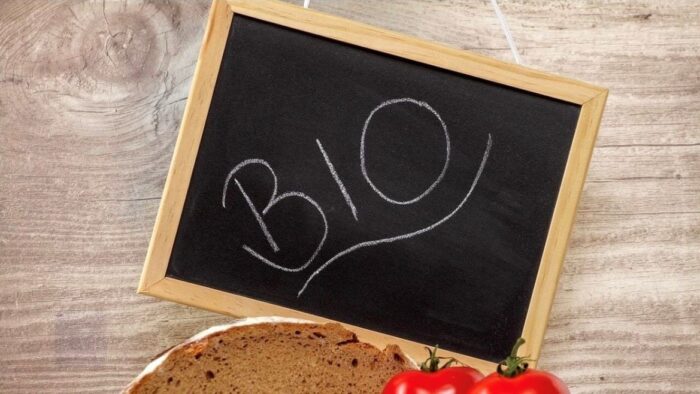
Do we put a spoke in the wheels of organic food, encouraging the ingestion of pesticides, and promote wine, the abuse of which is carcinogenic? More attention to the health of citizens would not hurt.
Eurospin is a brilliant chain with very interesting commercial initiatives. Too bad it gets lost in these kinds of initiatives that, in my opinion, risk damaging its image
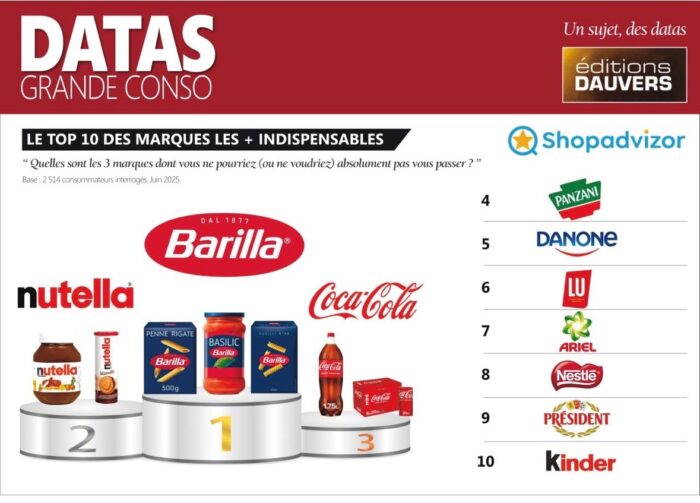
Private label products continue to grow while the share of big brands falls
‘Political and social positions now have measurable business consequences’
Names crop up: Nestlé, Coca-Cola, Procter and Gamble, Kimberly Clark, Pepscico, Algida (Unilever) and L’Orèal for FMCG in a ‘Dejà Vu’ I had experienced in Esselunga with the advent of the Euro
Profitable, double-digit growth E-commerce and 14 billion customisation in marketing: a recipe to admire and copy
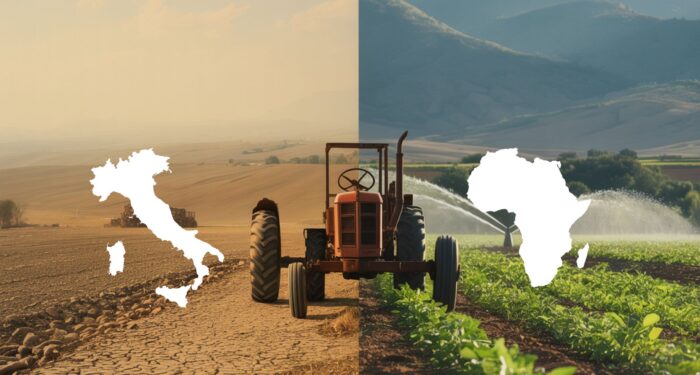
The objectives of the Mattei plan are unclear and the risk of an autogoal on Italian agriculture is possible
E-commerce sustainability, personalisation and AI. The European GDPR should not be an excuse, Mario Gasbarrino: ‘if you want to commit suicide, don’t do e-commerce’. And Marco Biasin: ‘we need a single database’

This new shock, after the inflationary shock caused by the attack on Ukraine, in addition to triggering a humanitarian cause, risks creating political extremism and new waves of migration towards Europe. It obviously adds to the short-sighted suspension of the dismantling of Usaid

Joybuy can rely on the company’s own logistics, which include several warehouses in the UK, France, Germany, Belgium, the Netherlands and Luxembourg… This facilitates same-day delivery to a limited number of regions within these countries, where orders placed before 11am will arrive by 11pm…
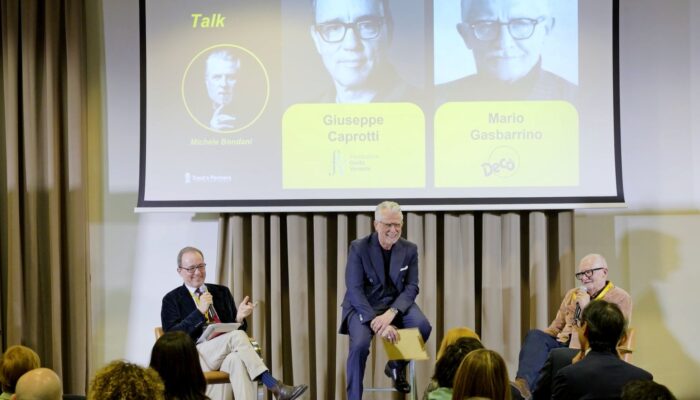
The video of the event ‘MDD Strategies and Market – IDM’ – Factory Positioning on 18 March 2026
