The Caprotti family and Coop: the sale of Esselunga, Aldo Soldi and ‘Sickle and Cart’

… This news is almost contemporaneous with a proposal of mine, in October 2004, to buy the majority share of Esselunga, a proposal that was rejected. At this point there was talk of four other offers, in particular one from the American giant Walmart; and Aldo Soldi, since 2004 president of ANCC – Coop, the National Association of Consumer Cooperatives, also expressed interest in buying it, because a move into foreign hands would have been a disaster for the Italian food economy. An unwise move, which will be among the reasons why Bernardo will publish his book Sickle and Cart in 2007.
The Caprotti family and Coop: the ‘war’ on several fronts

(…) Let’s start thinking of a dossier that shows how, from both the members’ and the social point of view, cooperatives are enterprises like any other. It follows that the favourable conditions from which they benefit are state aid. We set up an internal working group and (…) gather all the necessary documentation to support our conviction. The dossier will then be taken to Brussels by Federdistribuzione and will change, at least in part, the taxation of cooperatives. Even Massimo D’Alema is moving in their defence but our victory, the fruits of which I will not be able to reap, is very important. (…)”. (G. CAPROTTI, Le Ossa dei Caprotti. Una storia italiana, Milan 20243, pp. 149; 187 – 188; p. 269).

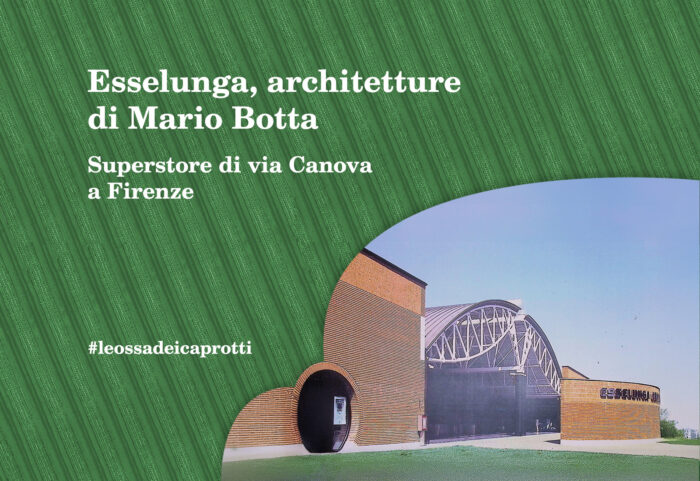
Bernardo Caprotti’s and Giorgina Venosta’s friends: architect Mario Botta

Born in Mendrisio in 1943, he designed the shopping centre in Via Canova, Florence, for Esselunga. Mario Botta was at home in Monate, in the villa of my mother Giorgina and her husband Aldo Bassetti. When my grandmother Luisa Quintavalle died in 2009, she wrote an affectionate condolence card to my mother, with a sketch on the cover for the new Alpine church in Mogno, Switzerland, which was swept away by an avalanche in 1986.

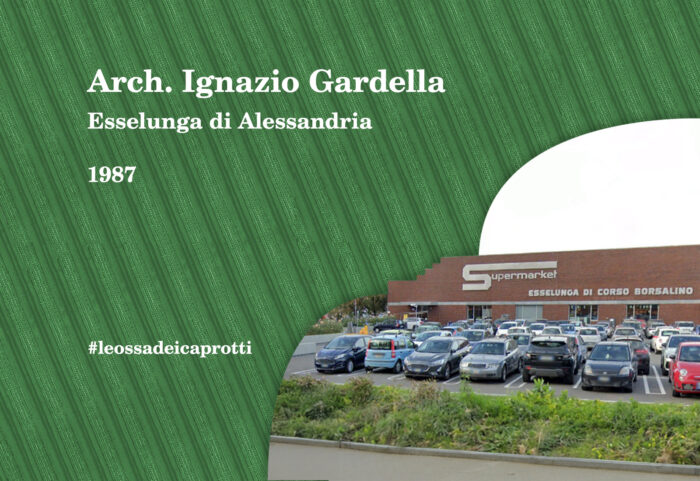
The Caprotti family and architects: Ignazio Gardella and the first Esselunga Superstore

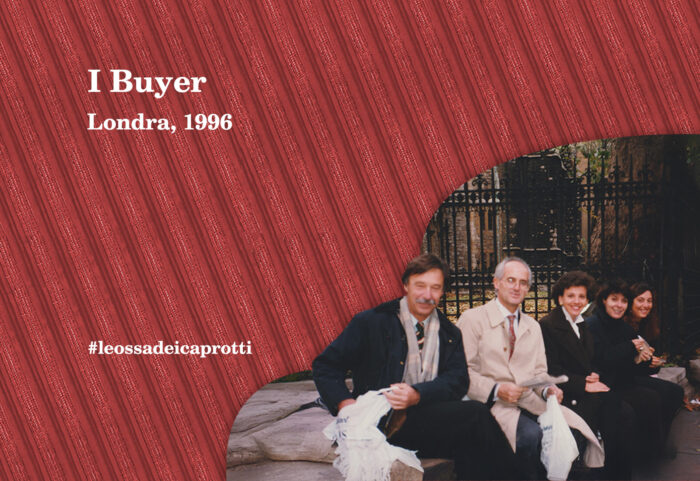
When Bernardo Caprotti, with remarkable foresight, decided to build larger supermarkets, his passion for architecture led him to seek the collaboration of great architects such as Ignazio Gardella, whose designs changed the concept of the supermarket from a simple container to a building with distinctive architecture, another element that allowed Esselunga to strengthen brand recognition and establish its shops as a central service to neighbourhoods, especially the most peripheral ones. Such large supermarkets, however, need to be filled, and at that point my American experience suggests how to do this through ‘non-food’, that is, ‘everything that is not food’: from products of all kinds (from stationery to laundry to crockery) to services (customer care, express checkouts, home shopping, e-commerce).

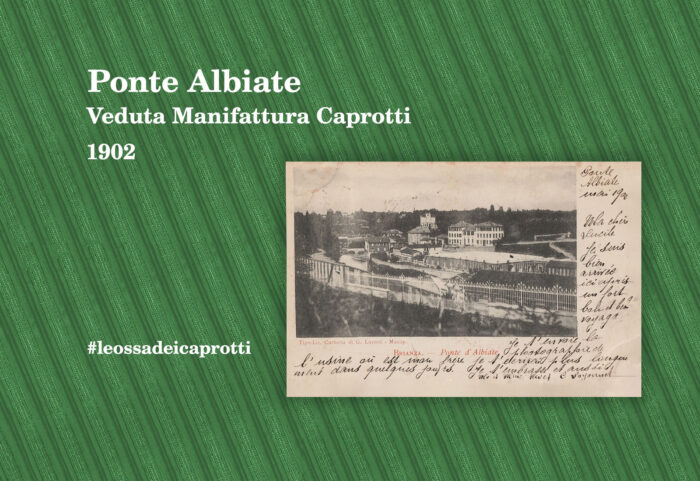
A journey into the memory of the Caprotti family and Manifattura Caprotti

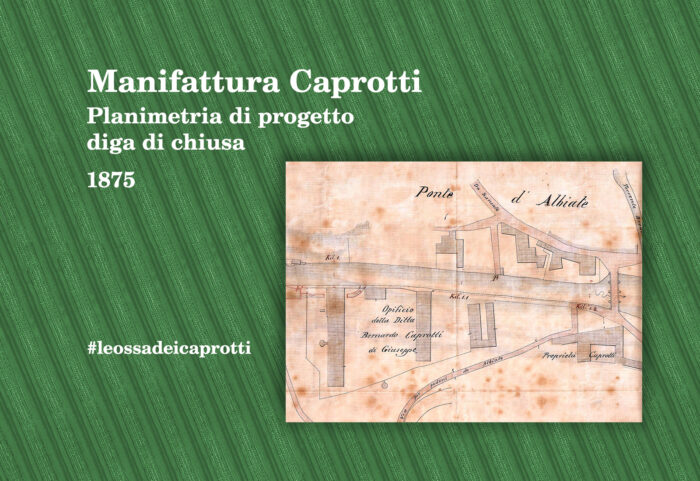
This project stems from the desire to preserve the historical memory of Manifattura Caprotti, which has represented much more than a company: it has been the beating heart of the entire Albiate community, a symbol of innovation and dedication, and has represented the family’s industrial roots, which later led to the acquisition of a majority stake in Esselunga