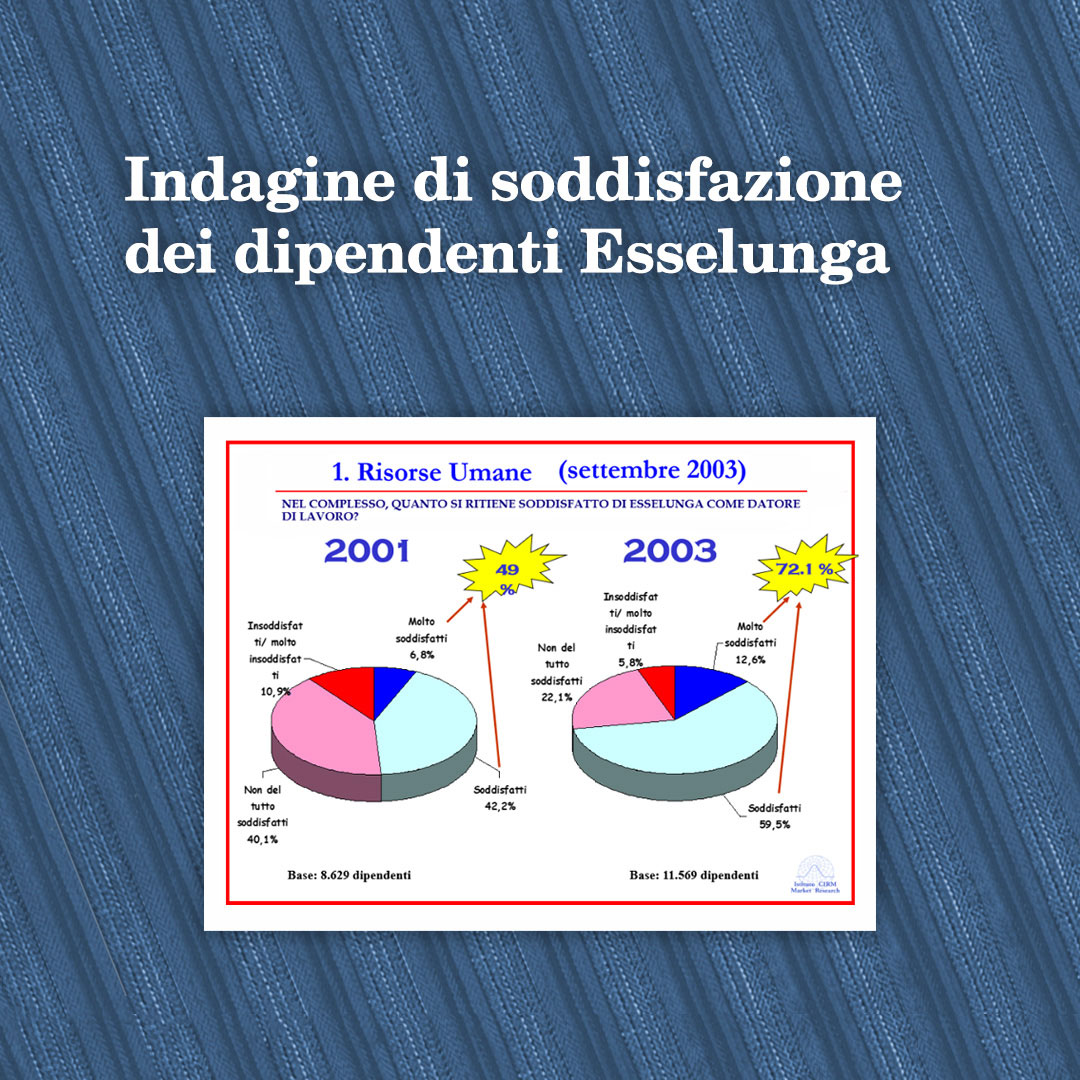
We are talking about the supermarket staff, plus the inspectors who coordinate them.
‘The managers, under the management of our father and De Gennis, are very good executors of orders coming in from Milan. Their main task is to keep the shops stocked and the costs under control, starting with personnel costs’ (G. CAPROTTI, ‘Le Ossa dei Caprotti family’, pp. 147 -148).
When I joined Esselunga in 1986, I found a ‘militaristic’ management but also a strong spirit of belonging that would allow the company, thanks to my father’s farsightedness and the spirit of Sales, to overcome the heavy jolts of the years of lead, with chain strikes, boycott actions, sabotage and even physical clashes. Not to mention robberies and proletarian expropriations. The managers are paid better than the industry average and participate, albeit from afar, in Esselunga’s successes. Between the end of the 1980s and the beginning of the 1990s, about a thousand employees left the company, which won its battle against the unions.
From a commercial point of view, Sales suffered from the confusion that reigned in Purchasing, in Limito: until my arrival in Milan, in the early 1990s, there was no strong commercial management and the management of products and shelves was very difficult: ‘each buyer represents a small power centre and does as he pleases, trying to impose his products’ (Ibid., p. 145.).
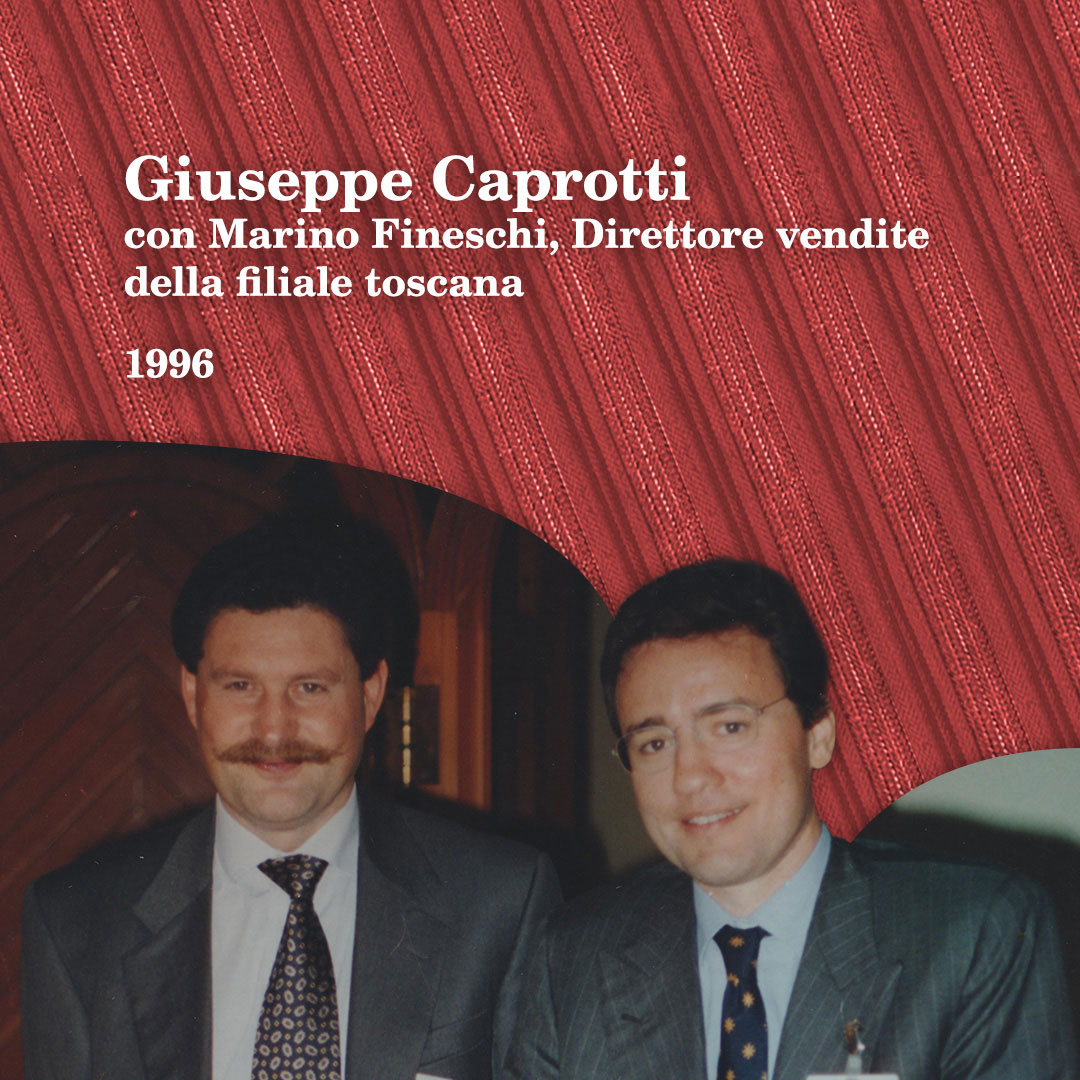
The Tuscan branch timidly tries to make it clear that it “is not a colony” (Ibid., p. 146). Marino Fineschi, Sales Manager based in Florence, makes me understand the importance of localism: the proposal of Tuscan products, in Tuscany. Mr Fineschi will also be a key player in the arrival of loose fruit and vegetables in the shop, or the creation of the focaccine that we tried to copy from the historic focacceria Valè in Forte dei Marmi.
Sales also played an active role in the development of the superstores: from non-food, to the promotional aisle, bars, wine bars, pre-cut cheeses and cold cuts or the frozen food shelves, which we tried to optimise.
Obviously, two things had to be done to completely change the function: training and involvement. I would also have liked to set up codified bonuses for subordinate staff in supermarkets (e.g.: clerks and cashiers), but unionally it was not possible. We therefore created bonuses unrelated to the sector contracts.
Training existed but only for technical functions such as gastronomy and meat. I remember the emotion of some cashiers when we set up a training school involving them: ‘someone realised we existed!
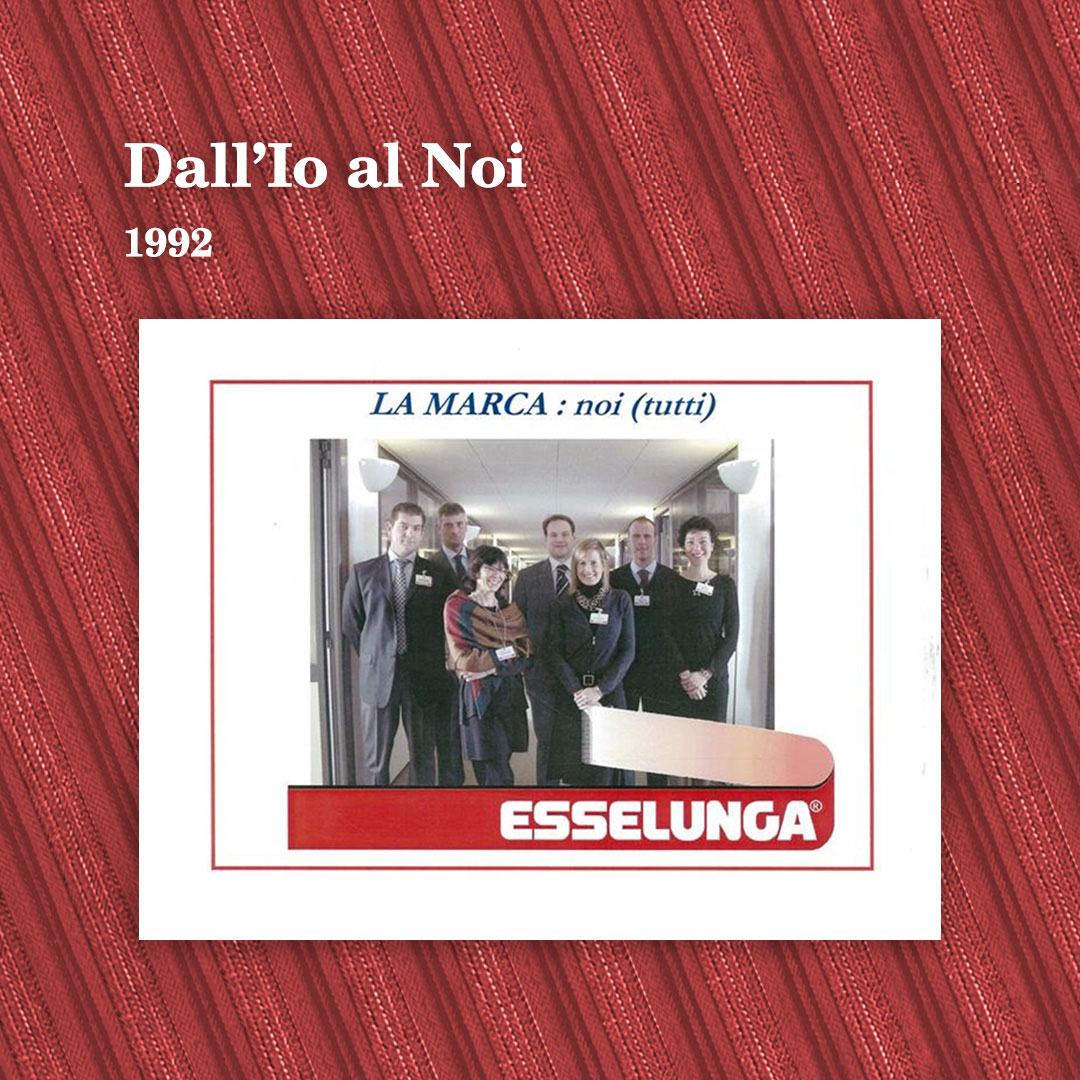
Since the first meeting with the directors in 1992 (Ibid., p.148), we have involved the directors and department heads in a variety of ways:
- data sharing
- specific courses
- meetings for ‘planograms’, a photograph of the shelf with all the products that must be there that day, diversified by shop;
- management meetings
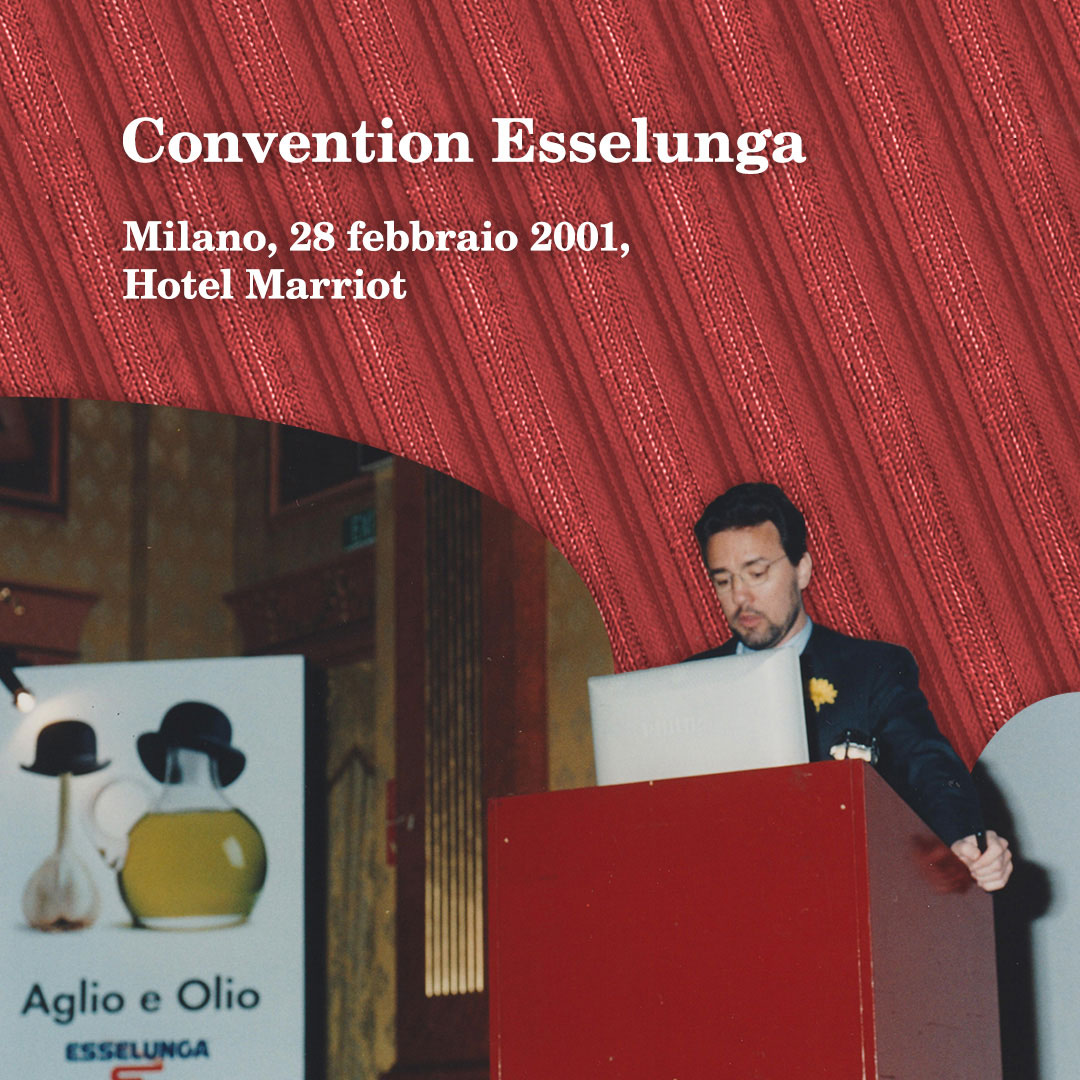
- conventions
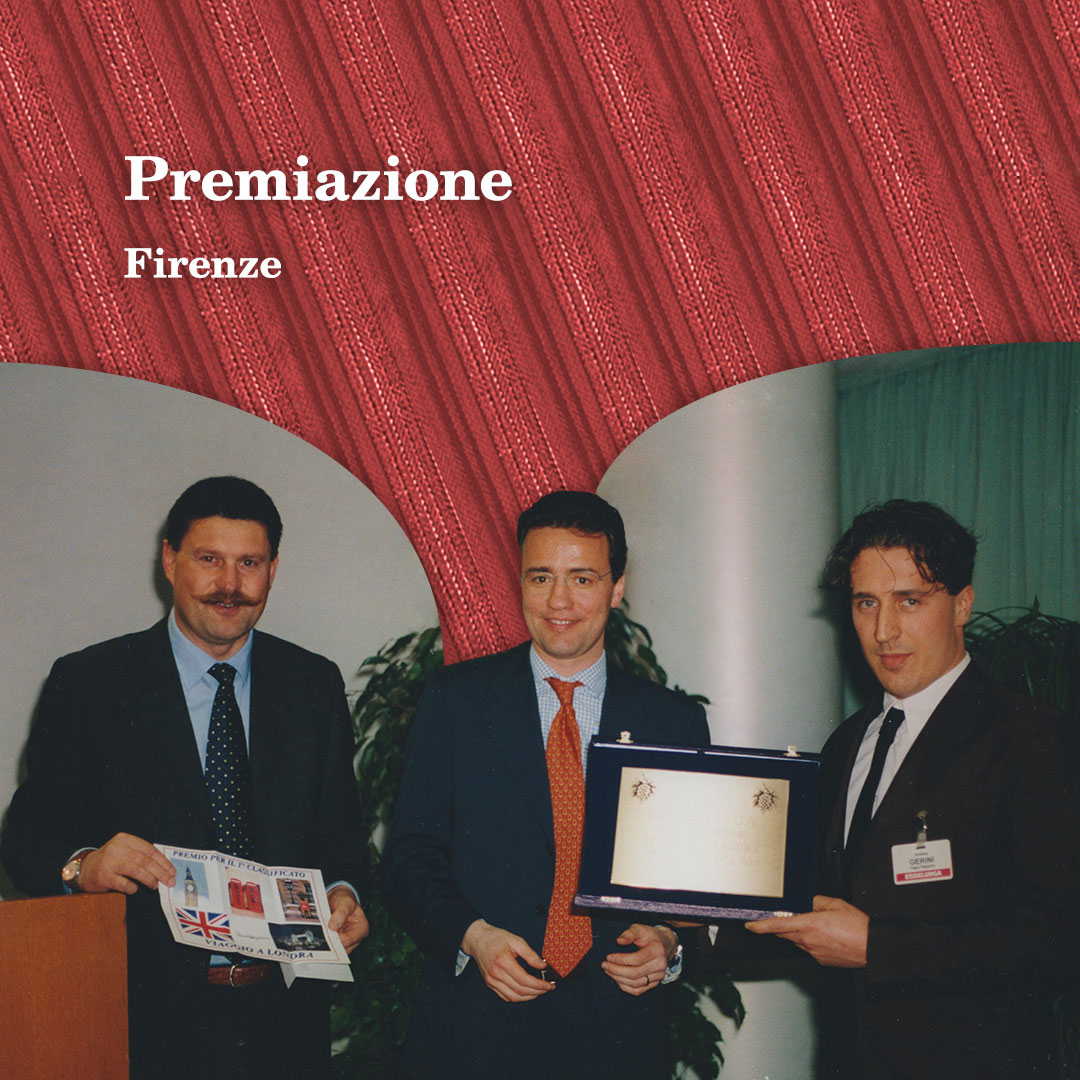
- real competitions with prizes ‘for those who sell more’
- prize trips
- female elements at key points: the appointment of several female department heads and especially a female manager certainly gave a positive message to all female staff (Ibid., p. 199).
Another informal way to bring Sales, Marketing, Purchasing and other functions closer together was football, internal games and tournaments that were meant to increase team spirit while having fun. Methods to listen to staff and improve their quality of life were also designed and adopted.
Sales was the backbone of Esselunga, fundamental to achieving all the extraordinary results I talk about in my book or on my website.