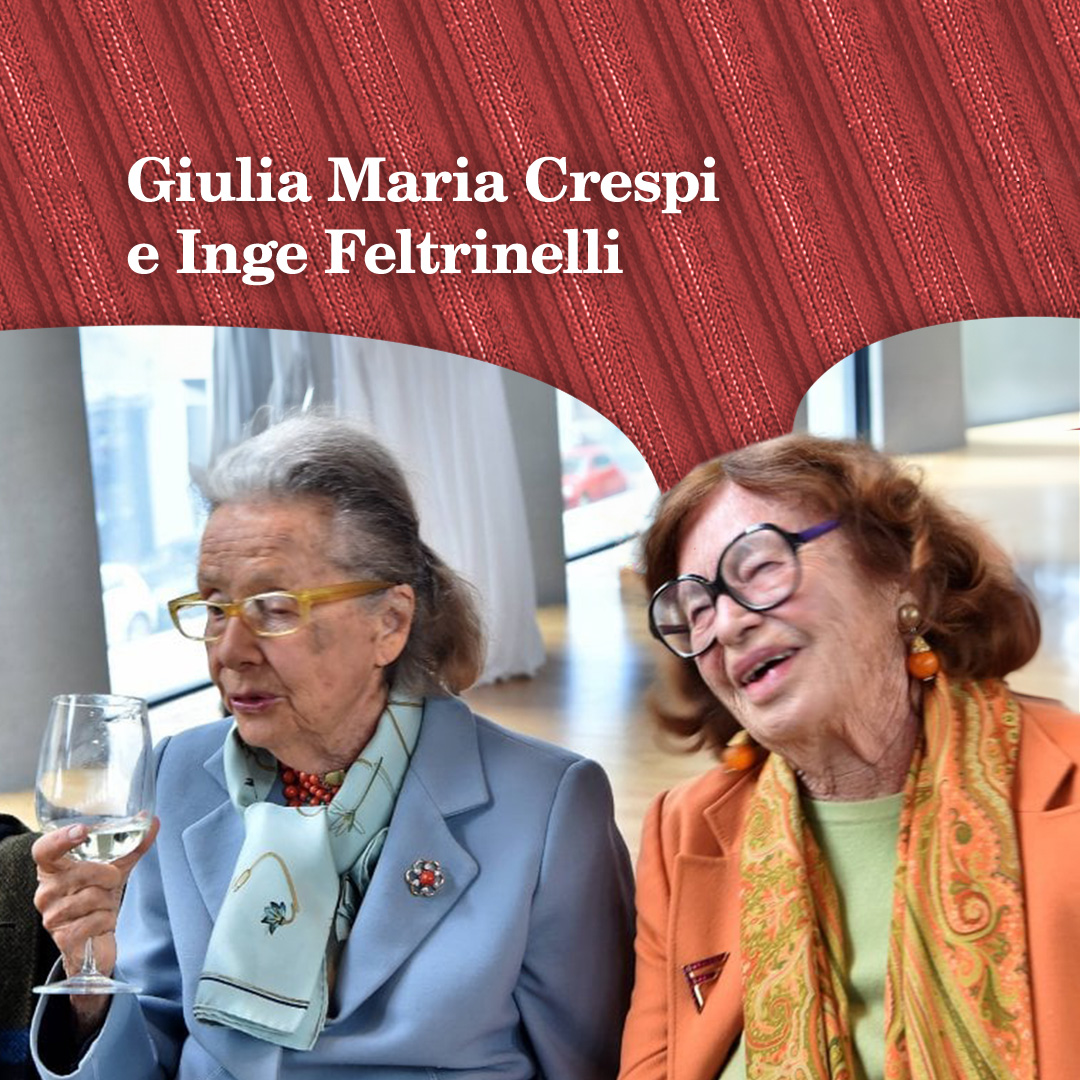
“The years of our childhood and adolescence are those of the opposition between the Christian Democrats and the Communist Party: our mother, a free woman, is friends with Inge Feltrinelli, who will manage the publishing house after the death of her husband Giangiacomo, and with Giulia Maria Crespi, who after the death of her uncles Mario and Vittorio – already shareholders of the first hour of Supermarkets Italiani – will be the publisher of the “Corriere della Sera” for a few years. Dad would instead become friends with Indro Montanelli, the journalist who would go on to found ‘Il Giornale’ after leaving the ‘Corriere’, in conflict with the management of the young but tenacious Crespi. (…)’ (G. CAPROTTI, ‘Le Ossa dei Caprotti’, Milan 2023, p. 89.)
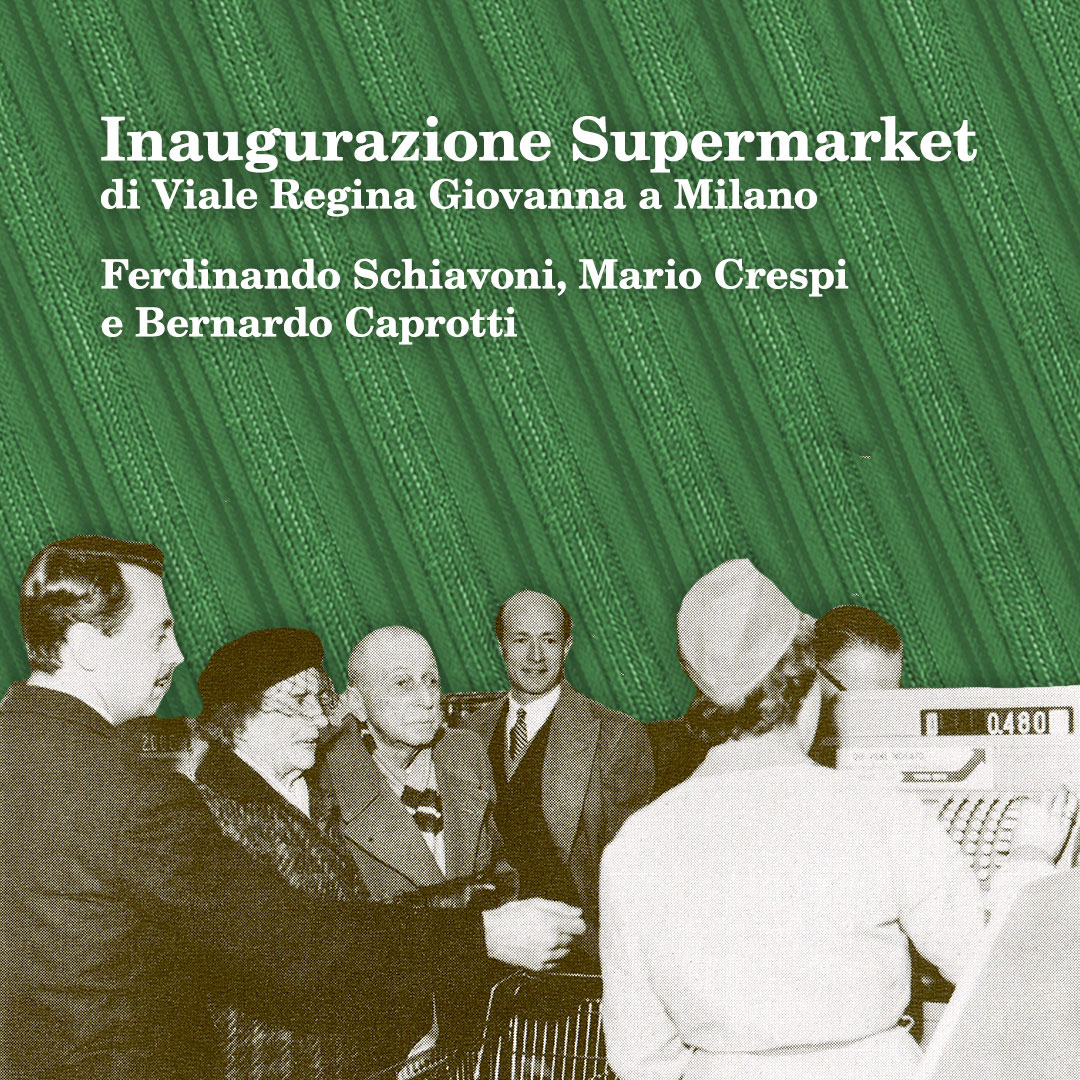
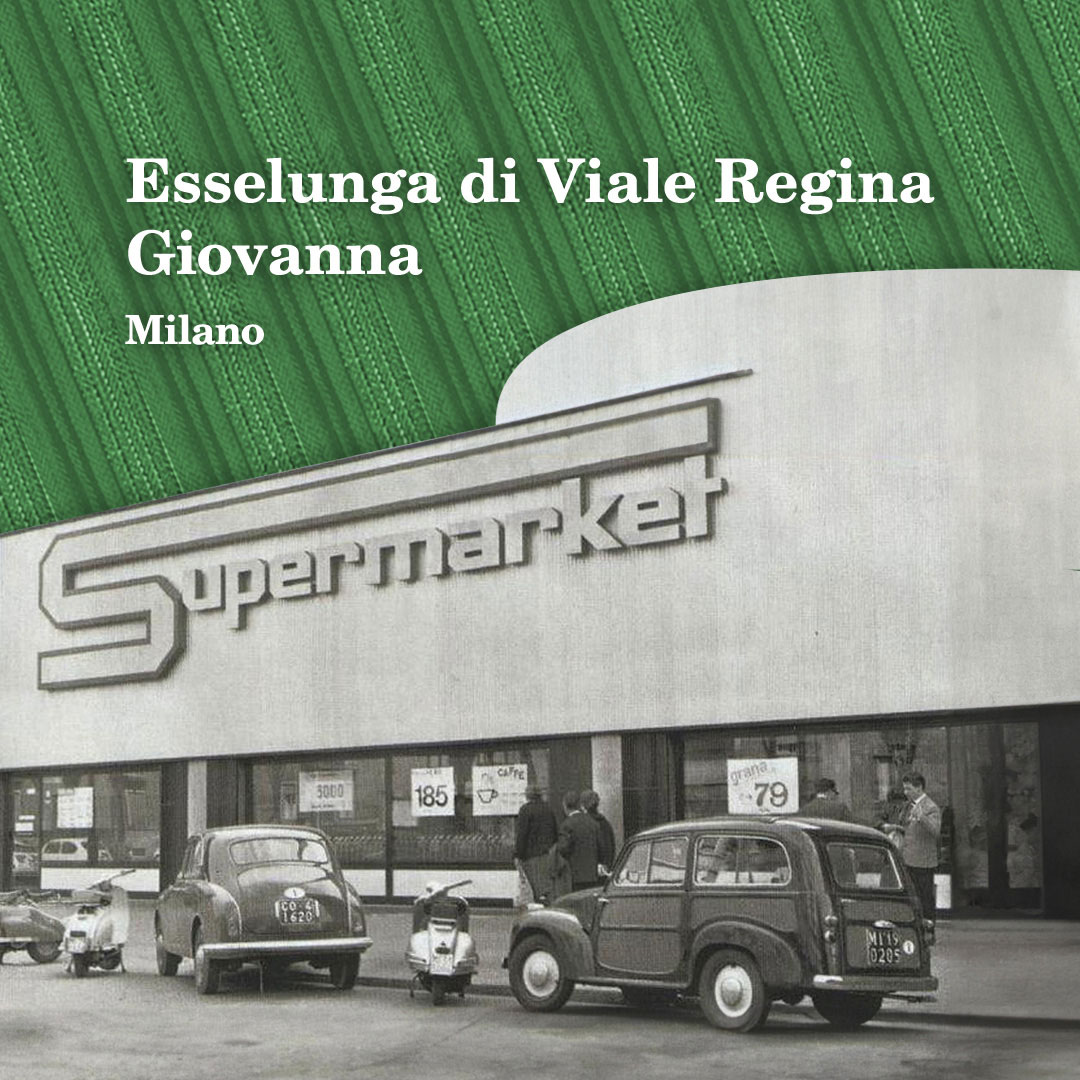
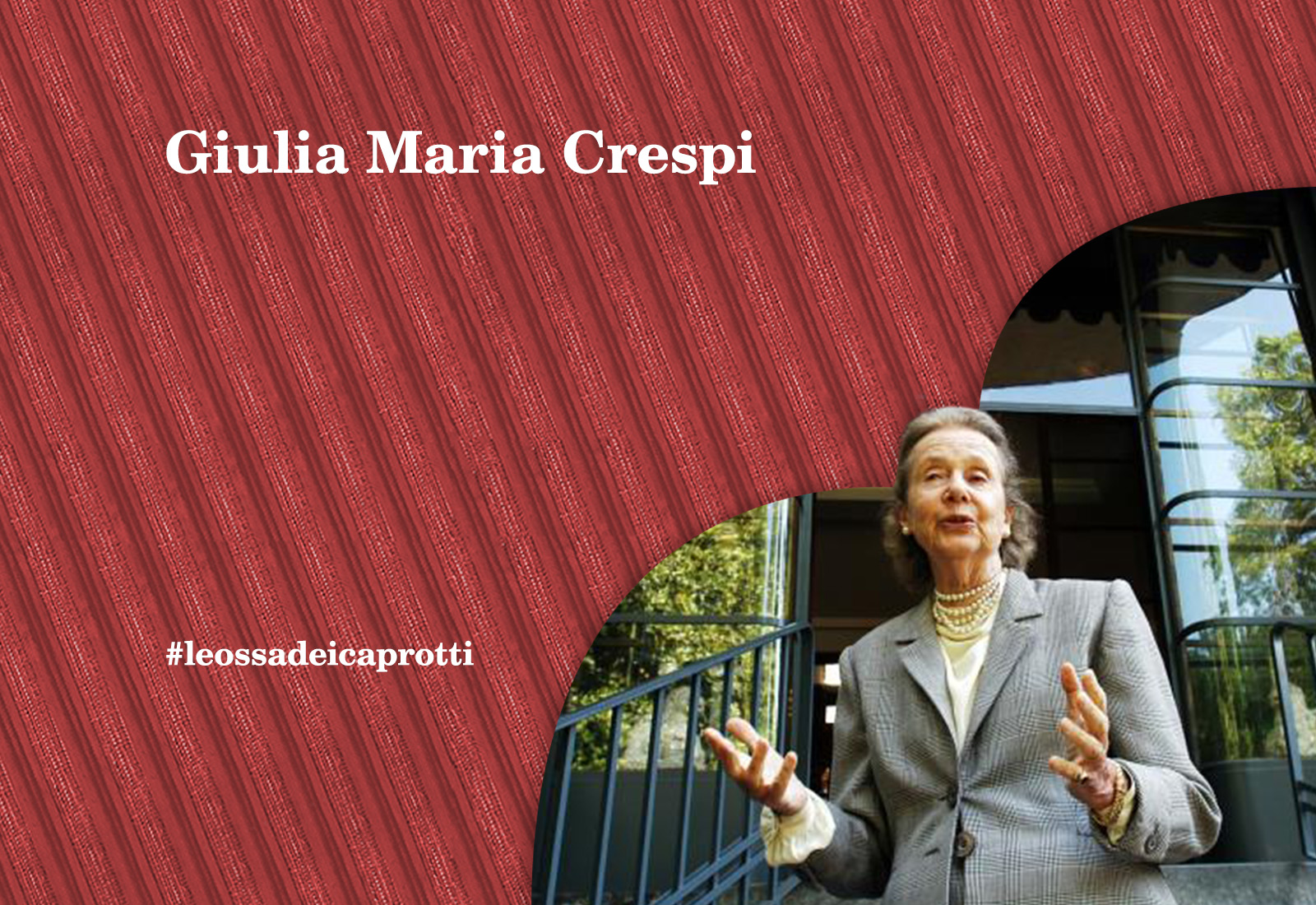
Giulia Maria Crespi (1923 – 2020), also came from the textile industry, where her family made its fortune to become one of the great protagonists of the Milanese entrepreneurial bourgeoisie: a cotton dynasty, but also owner of the ‘Corriere della Sera’. The Crespi family, as well as being textile industrialists like the Caprotti family, were the main shareholders of Supermarkets Italiani (from which Esselunga was to be born), established in Milan in 1957 and with share capital subscribed 51% by IBEC, Nelson Rockefeller’s American company, and the rest by Italian shareholders, first and foremost Mario and Vittorio Caprotti themselves, who shared 16.5%, and including Franco Bertolini, the Caprotti’s financial advisor, with 1.2%. There were also the first two Caprotti’s, my father Bernardo Caprotti and Uncle Claudio (Uncle Claudio, the last of the brothers, was still a minor), who shared a 9 per cent share. (CAPROTTI, “The Bones”, cit., pp. 60 sg). This is why our destinies crossed several times.
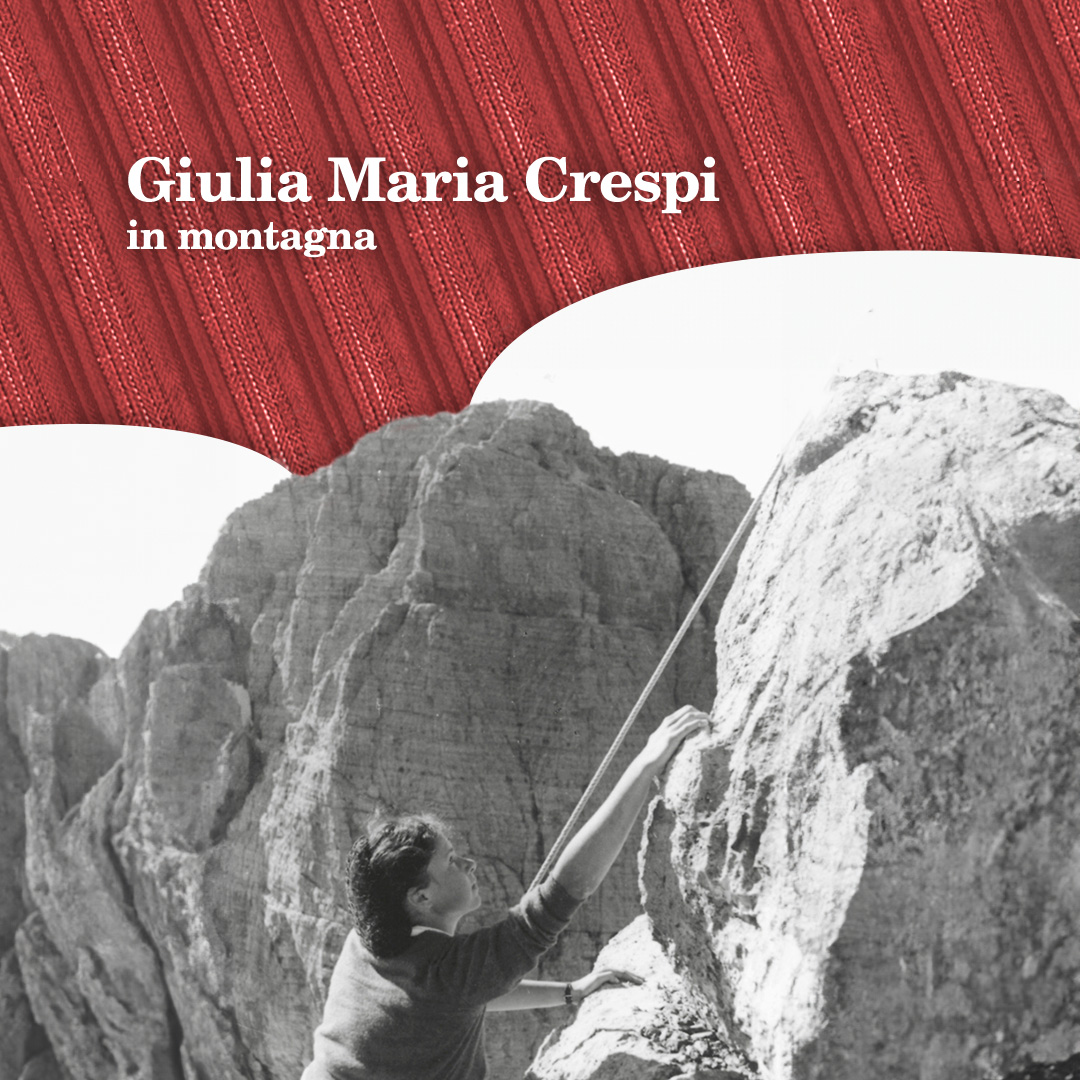
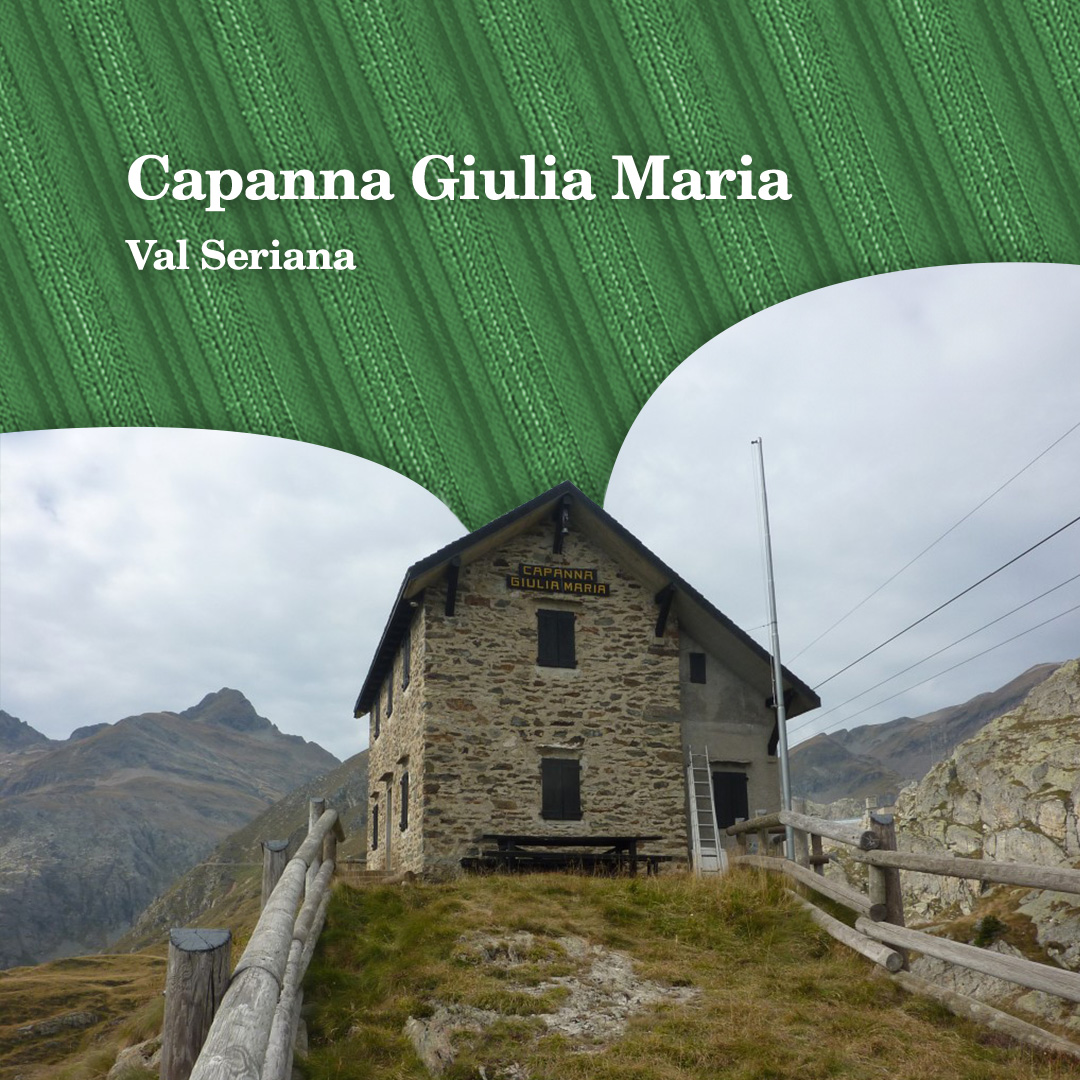
Like so many, like the Caprotti family, like the Venosta family, Giulia Maria had the mountains in her blood from birth: to celebrate her, her father even had a hut built in the mountains of Alta Val Seriana, the Capanna Giulia Maria, which still exists today. And Giulia, who had a great passion for the mountains, as she herself testified in her autobiography ‘Il mio filo rosso’ (My Red Thread), was to become, among other things, an accomplished climber.
After the death of her uncles Mario and Vittorio, and due to her father Aldo’s illness, Giulia managed the ‘Corriere’ from 1962 to 1974 with a character and conduct that was nothing short of iron. Another of the many democratic women of the period, she managed to ‘steer the newspaper to the left’, sacking the then editor-in-chief Giovanni Spadolini (a future class politician and Prime Minister) amidst much controversy and hiring Piero Ottone in his place, who made the bourgeois newspaper less ‘plastered’ and more Anglo-Saxon, with articles by unpredictable and prestigious signatures including Pier Paolo Pasolini, Goffredo Parise and Antonio Cederna.
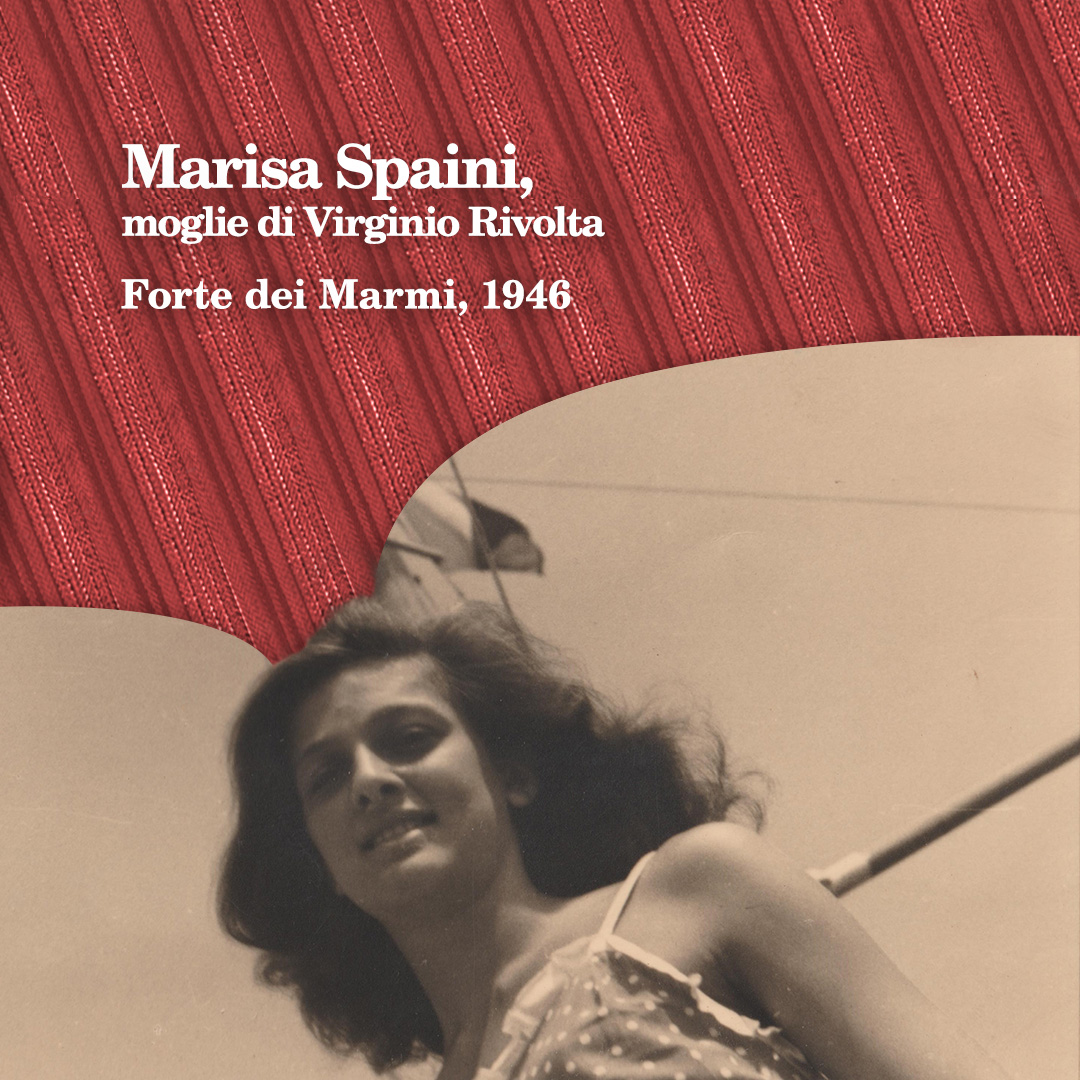
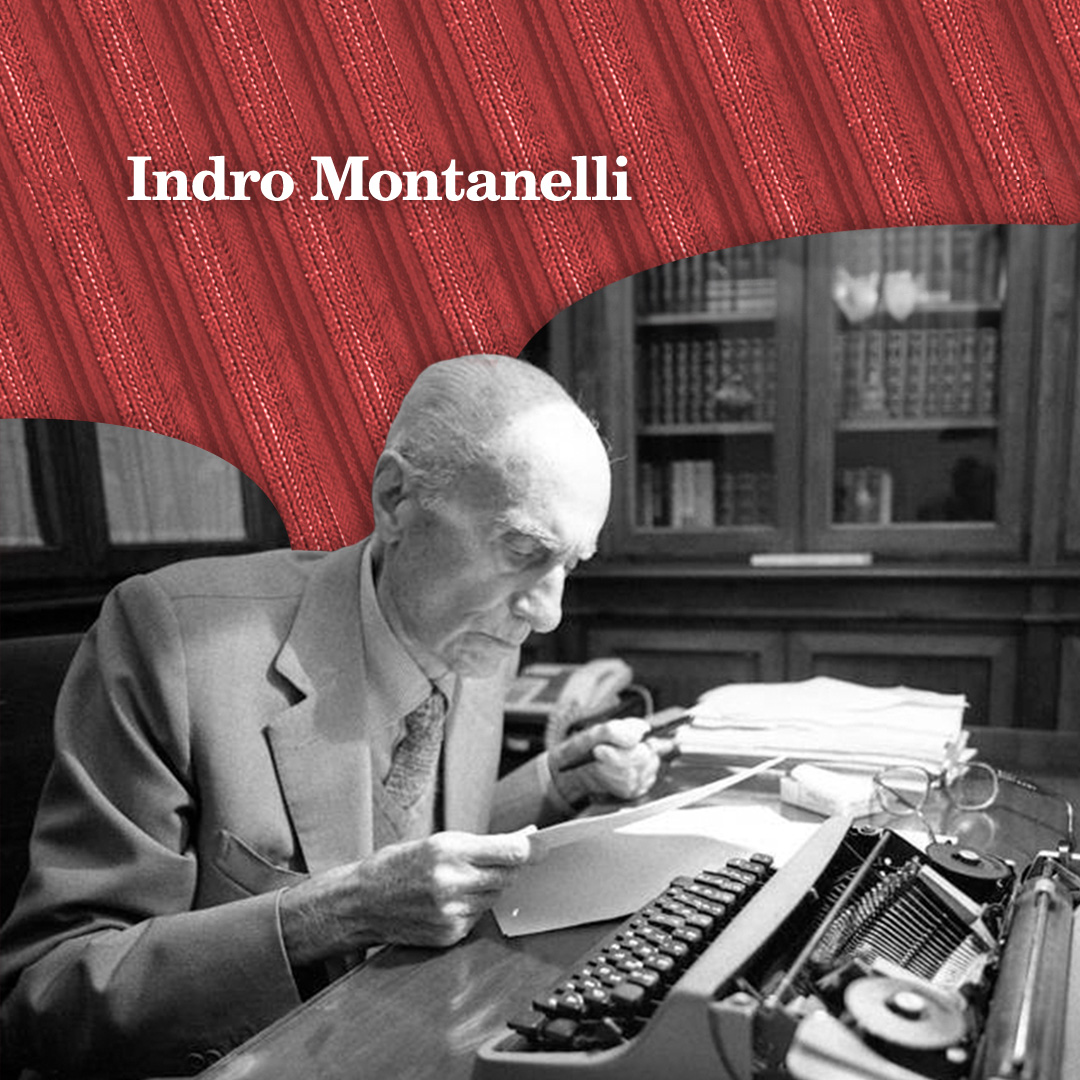
As testified decades later by Gedi Ottone, Piero’s son, and others who experienced the events at first hand, recounted and invented a thousand times, it was Ottone himself, as editor of the newspaper but with the silent and powerful backing of Crespi, who fired Indro Montanelli, one of its oldest and most famous journalists. This was because, Montanelli being a liberal, conservative and visceral anti-communist, he could not tolerate the ‘pro-communist turn’ of the ‘Corriere’ and declared himself ready to found an alternative newspaper, which he then did in his own way, causing an uproar. And it was precisely in that period that Montanelli became bound until his death to Marisa Spaini, former wife of Virginio Rivolta, a dear friend of my mother’s, Giorgina Venosta, from the days of the ‘girls from Forte dei Marmi’.
Giorgina, moreover, had worked in Giulia Maria’s press office at the ‘Corriere’. Giulia and Giorgina were already close friends, so much so that the former, after leaving the newspaper, sent the latter a letter and an attachment explaining her reasons for leaving the beloved ‘family’ newspaper, from which she had not yet recovered:
Milan, 13/9/74
Dear Giorgina,
forgive me if I am so late in replying to your affectionate letter, but I have only recently resumed my life a little. Indeed the years we spent together were full of passion and hope and did not deserve this sad conclusion. I am still discouraged by it and feel ‘defeated’. This is the bitter truth.
Since you were close to me for years (even though we saw each other very little), I think it is only fair to confidentially send you the text of what was said to the corporate bodies to announce my departure from the newspaper. But this is now part of history.
I will be happy to see you again in the autumn. For now, I send you many kind regards.Giulia
(Unpublished letter from Giulia Maria Crespi to Giorgina Venosta, Milan, 13 September 1974).
Giulia Maria Crespi, however, was certainly not the type to remain ‘discouraged’ for very long. As we read in the history of the organisation, ‘It was Elena Croce, daughter of the great philosopher Benedetto, who urged her friend Giulia Maria Mozzoni Crespi to get involved in setting up a foundation in Italy along the lines of the British National Trust’, which would actively take care of the country’s territory by saving as much as possible of its treasures of history, art and landscape(https://fondoambiente.it/il-fai/storia/ ). Thus, in 1975, the FAI – Fondo Ambiente Italiano was founded, which from its first donations (including the beautiful Monastery of Torba, in Gornate (VA), purchased by Crespi herself, donated to the FAI and restored by the latter) has come to guard today, as owner or entrustee, some of the most beautiful places in Italy from North to South, from the Villa del Balbianello on Lake Como to the Villa Gregoriana Park in Tivoli, from the Abbey of San Fruttuoso in Liguria to the Garden of the Kolymbethra in Agrigento.
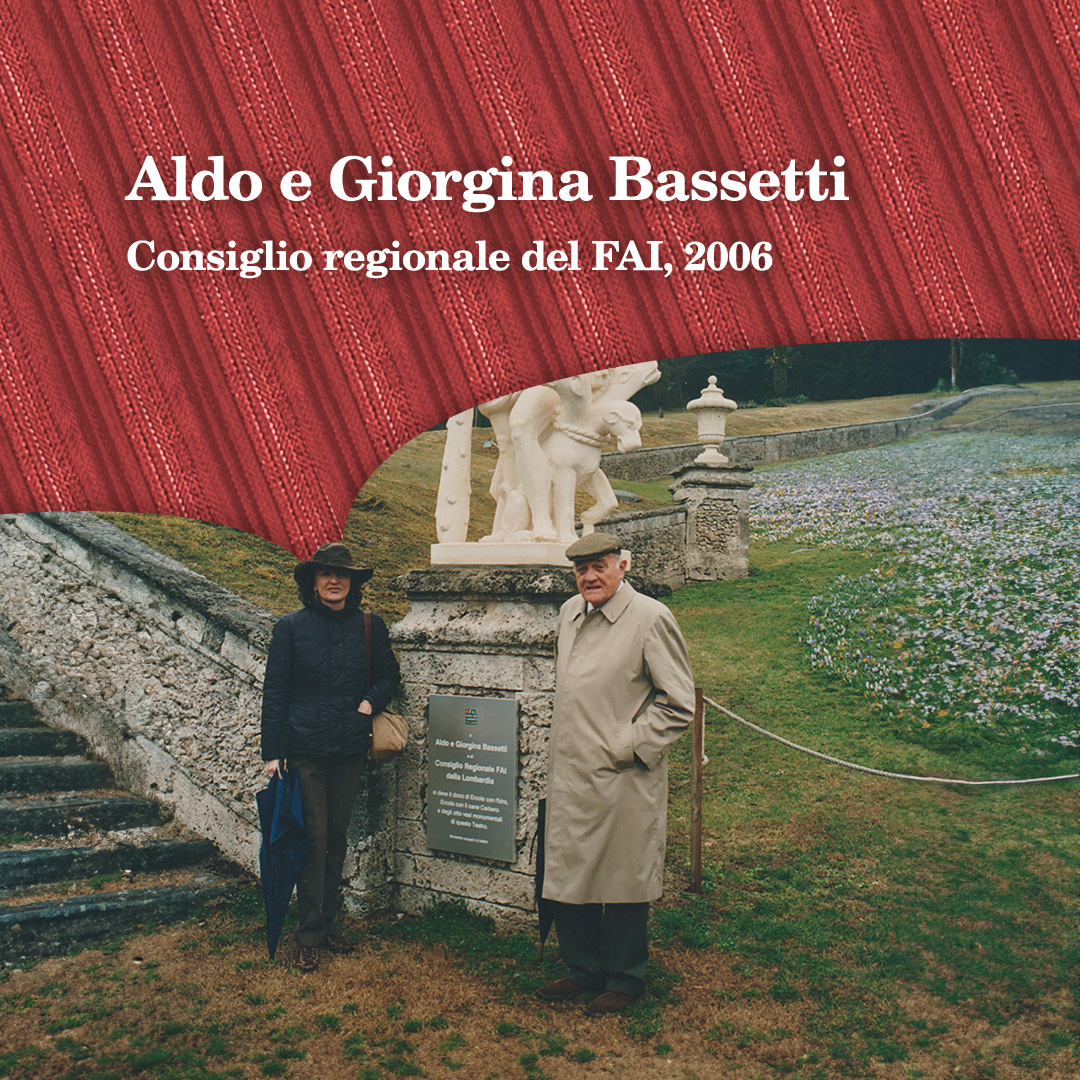
FAI’s greatest merit was that it truly acted, right from the start, as a very active body in the field of fundraising (attracting very generous sponsors, including my mother Giorgina [Venosta] and her second husband Aldo Bassetti), of all-round visibility (the now well-known “FAI Days” in which all over Italy, the organisation opens its treasures to the public thanks to the dozens of volunteers who take part in the initiative, and then exhibitions, conferences, events of all kinds), and education (from workshops to courses, to the very recent #faibiodiversity project, as part of the commitment to ecological and eco-sustainable transition).
In this field, too, the destinies of the Caprotti and the Crespi families met: in 1989 FAI acquired the medieval Tower of Velate (VA), and my father Bernardo, through Esselunga, contributed to its restoration.
In the 1990s I myself included the FAI among the organisations with which Esselunga usually collaborates, for example by inviting customers to donate points from the “Fìdaty” card to it. What’s more: in the early 2000s, urged on by one of Giulia Maria’s sons, Aldo Paravicini Crespi (who unfortunately died in a car accident in 2020), I introduced their Cascine Orsine products, which are produced entirely biodynamically, to Esselunga.
It was, as usual, Giulia Maria who took the initiative so that the farmstead in the Pavia region of her childhood would return to good production, and the frogs would sing again. And I remember the trips we used to take as children with my mother and sister to the Zelata, another Crespi property in the Bereguardo area, also introduced into the ‘healthy’ circuit advocated by Giulia and followed by her heirs.
To celebrate the Esselunga-FAI partnership, she organised a lunch in her fabulous flat on Corso Venezia in Milan, and even after I was relieved of my duties as CEO and left Esselunga, at a very difficult time indeed, she continued to be my friend, thanking me touched because, despite everything that was coming down on me, I [“you (really you!)”], had decided to take part in the annual FAI Supporters’ campaign for 2006 (see G. CAPROTTI, “Crespi e Caprotti, quando i destini delle due famiglie s’incrossarono”).
I can only have fond memories of Giulia Maria Crespi.
Unpublished texts
Albiate (MB), Villa San Valerio Archives, Giorgina Venosta Archives, unpublished letter from Giulia Maria Crespi to Giorgina Venosta, Milan, 13 September 1974
Bibliography
C. BARABINO and J. DARBLAY, “Nel cuore di Milano. Un sottotetto a sorpresa” (probably “Elle Décor”, pre-1992), copy without references kept in Albiate (MB), Villa San Valerio Archives, Giorgina Venosta Archives.
M.L. AGNESE, “I miei anni sereni con Indro che temeva solo la tristezza” [Interview with Marisa Rivolta], “Corriere della Sera”, 21 July 2011.
A.G., “October 1973, Ottone fires Montanelli. Then wept (perhaps only one)“, in “Professione Reporter”, 1 May 2021.
[ADIOCEf], ” Addio a Giulia Maria Crespi, fondatrice del Fondo per l’ambiente italiano“, “Il Sole 24 Ore”, 19 July 2020.
[s.a.], Farewell to Giulia Maria Crespi founder of FAI – Fondo Ambiente Italiano, ‘MountainBlog Italia’, 21 July 2020.
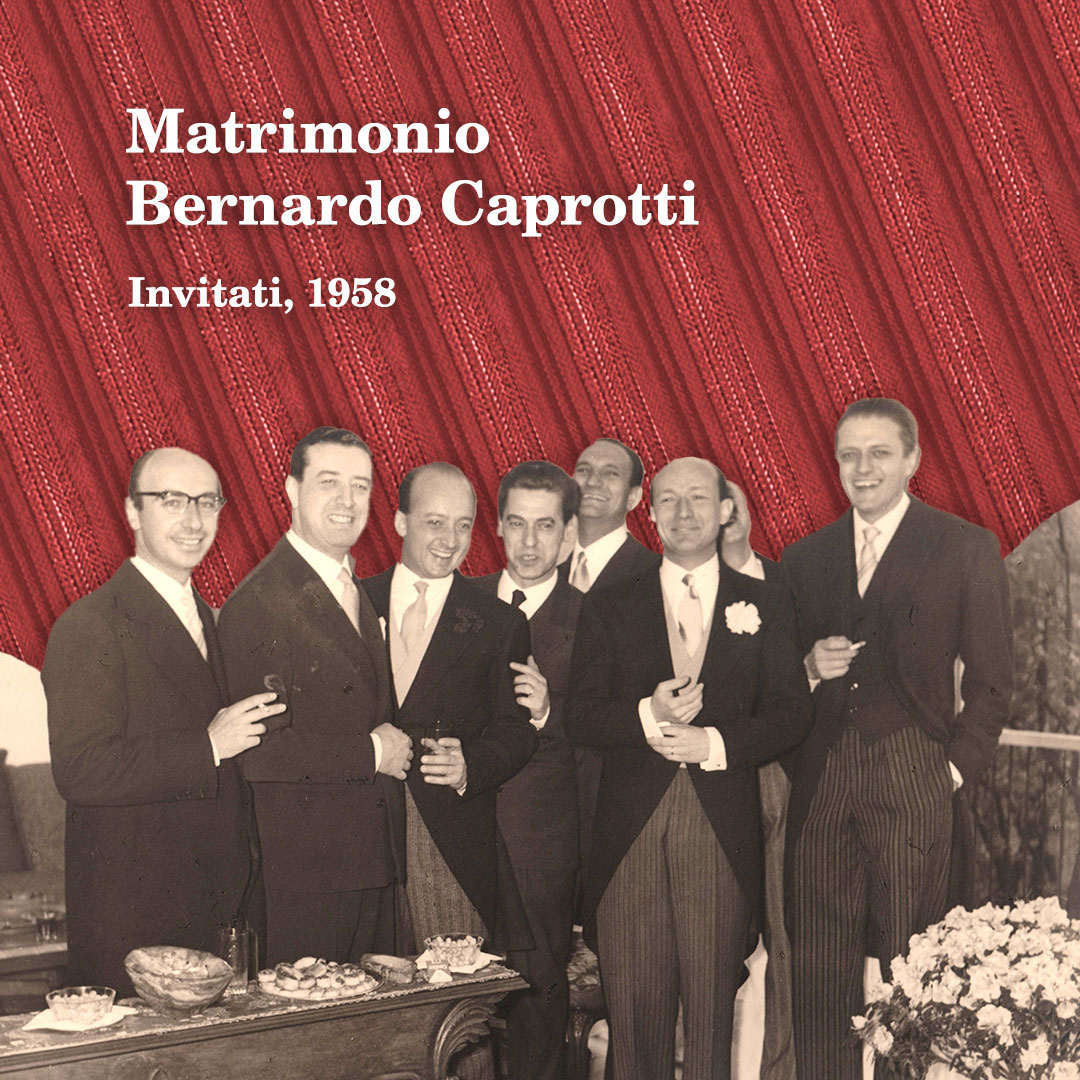
Below: in the first photo Virginio Rivolta is on the left of father Bernardo Caprotti