

Compiled on 1 May 2021 and updated on 6 November 2024
Mercury in fish: watch out for swordfish and blue shark
Large fish accumulate mercury, a persistent pollutant, in their flesh. Our analyses fail swordfish and blue shark, but promote small ones. The advice? Vary the species.
- By Simona Ovadia 26 April 2021
Fish is a precious food. It should not be given up. It is now well established that a diet rich in fruit, vegetables, whole grains and that favours fish instead of meat helps you live better and longer, because it prevents metabolic diseases, cardiovascular diseases and some forms of cancer, such as colon cancer.
However, even fish can hide some pitfalls that should not be underestimated: this is the case, for example, of mercury, a heavy metal that pollutes the marine environment and accumulates in the flesh of its inhabitants, especially large and predatory species such as swordfish and shark.
The problem is well known, so much so that the European Food Safety Authority (Efsa) has long since set a tolerable weekly intake of methylmercury, the form most toxic to humans…
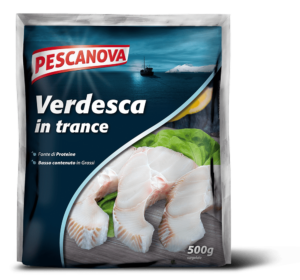
The blue shark is a type of shark. It is used to replace other more valuable types of fish.I even found it in ready-made dishes at the bar in Albiate.
And of course no one writes that it is a shark. Endangered. Below: slices of blue shark.
Below is a text from WWF on the subject.
Below is the poster for Sharkwater Ext inction the documentary exposing the extinction of sharks.
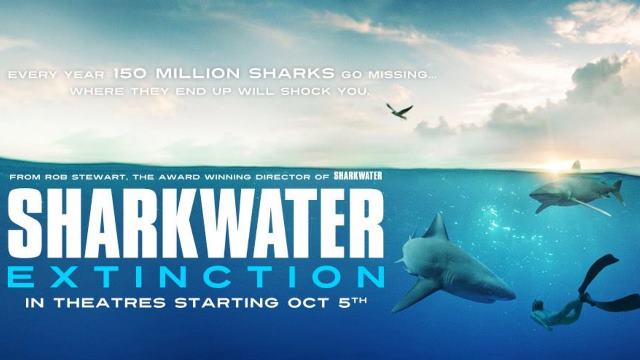
The shark is the animal par excellence at the top of the food chain and therefore has no predators apart from humans.
There are more than 465 shark species worldwide, yet more than 100 million sharks dieeach year because of humans.
In the Mediterranean Sea, there are 86 species of chondrichthyans (47 species of sharks from blue shark to great white shark, 38 species of rays and 1 chimaera), about 7 per cent of the world’s cartilaginous fish. The Mediterranean Sea, however, represents one of the most dangerous places on the planet for sharks, as at least half of the species living there are at risk of extinction.
The threats
50 % of shark species in the Mediterranean are threatened with extinction
1/4 of the species present in the world’s oceans are threatened with extinction. In the Mediterranean Sea, 47 species are present, but more than half of these are on the verge of disappearing forever. Bycatch or accidental fishing is a major threat to the survival of sharks, 10 – 15 % of marine animals caught by longline hooks are sharks!
Food fraud
Italy is one of the world’s largest markets for shark meat consumption. Very often, this is real food fraud, as not even consumers are aware that they are eating shark meat. In particular, there are three main causes of food fraud: the improper marketing of marketable species to increase their price (e.g. blue shark sold as swordfish); protected species illegally sold on the market; or protected species sold unintentionally, due to incorrect identification. ..
P.s.: the pollution of the Mediterranean is real. And it constitutes a direct risk for man, who often does not know what he is eating. As well as an indirect risk, for tourism. Read also : Encounter with Mediterranean sharks.
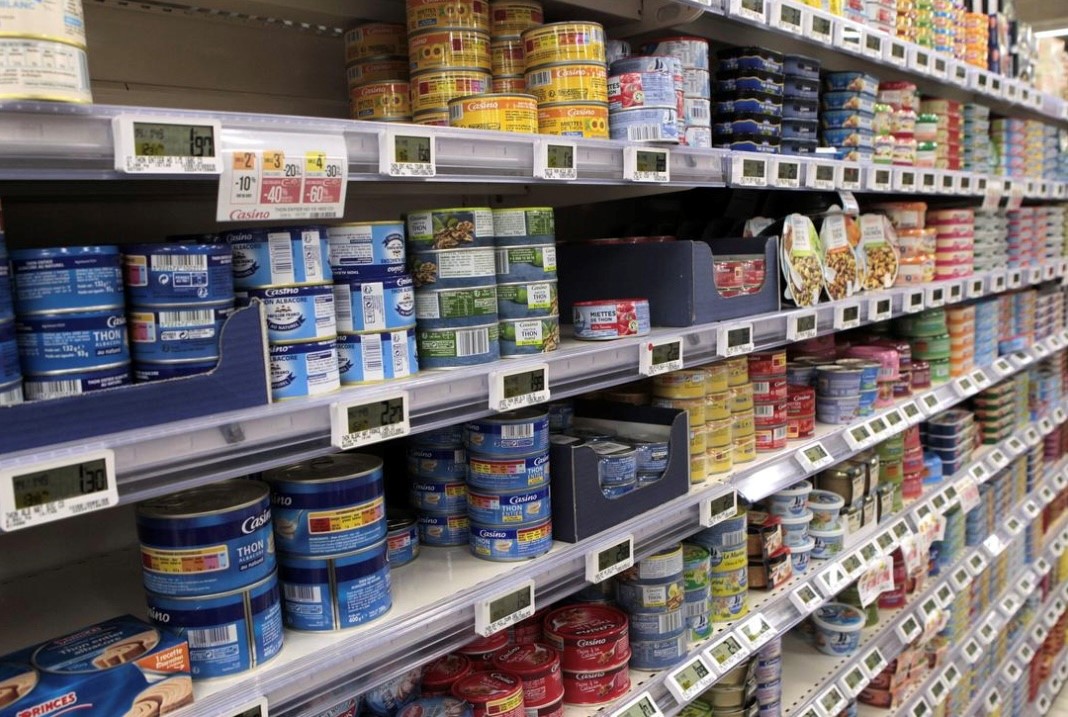
The subject is back ‘in the limelight’ in 2024 : Canned tuna : too much mercury; the ocean defence association Bloom has had nearly 150 canned tuna analysed and is using these results to argue that the authorised levels of mercury in the flesh of this fish, the most widely consumed in Europe, have been lowered. One in ten cans tested exceeds this limit value for fresh tuna, or 1 milligram per kilogram (mg/kg) in Europe. According to Bloom, this is not intended to protect public health, but to maximise the compliance rate of the fish in order to keep it on the market. According to Bloom, this results in too much exposure of the population, compared to the health thresholds set by the authorities, which estimate the amount of mercury that can be absorbed each week without health risks: 1.3 micrograms per kilogram of body weight per week (μg/kg body weight/week) according to the European Food Safety Authority (EFSA). And almost half for its American counterpart, 0.7 μg/kg body weight/week.
Read also : Mercury contamination in tuna: Carrefour, Coop, Lidl and Esselunga in the crosshairs of NGOs.And Food quality and nature conservation are linked, as the mercury tuna and possible shark extinction stories show


