Drafted 13 August 2024, updated 7 January 2025
With weight loss drugs influencing food sales and food choices, how can brands keep up?
Various sectors are responding to changes in consumer behaviour, preferences and lifestyles caused by the GLP-1 weight loss drug trend.
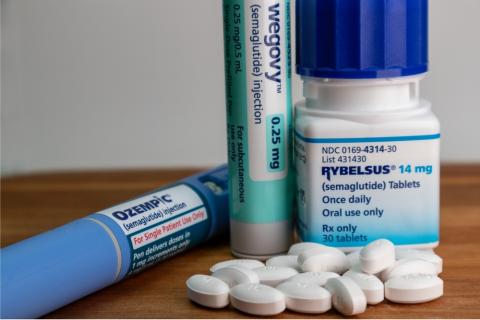
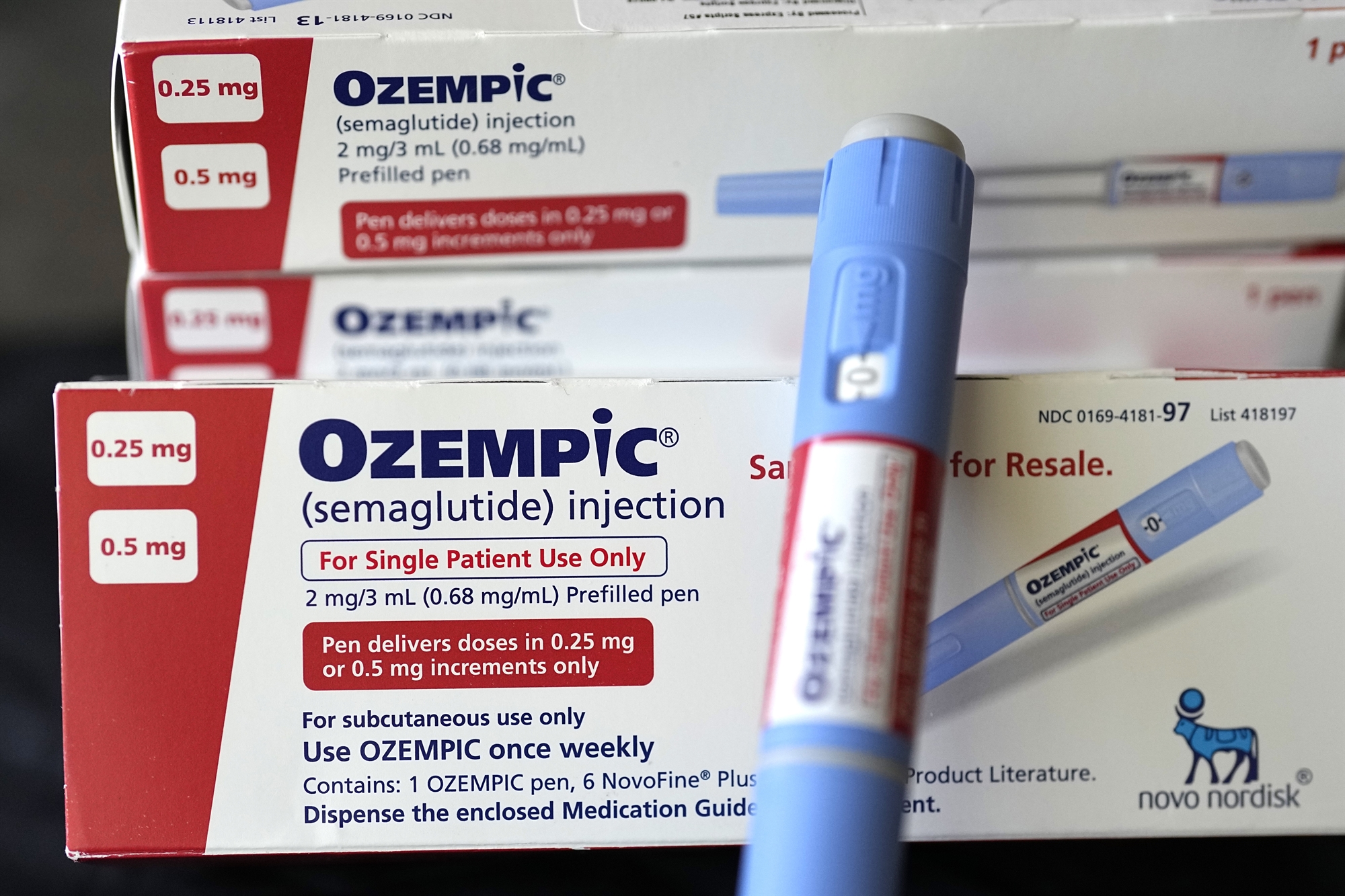
Ozempic and other GLP-1 weight loss drugs such as Wegovy and Mounjaro ‘define an era’. These obesity drugs are predicted to become a $100 billion market [estimates go up to $130 billion, depending on the source], with 9% of the US population [using] weight loss drugs by 2030.
The impact so far has shown that these drugs go beyond weight loss and provide other benefits such as reduced blood sugar and improved cardiovascular health, as well as decreased addictive and compulsive behaviour. No wonder, then, that the growing popularity of these drugs is having an impact beyond personal health.
The rise of the Ozempic economy
As the population taking prescription weight loss drugs grows, we see something called the ‘Ozempic Economy’ emerging. The article ‘The Rising Ozempic Economy and its Wide-Ranging Impact’ shares that we will see various sectors respond to the changes in consumer behaviour, preferences and lifestyles caused by this trend. Indeed, economic impacts have already been reported, especially by grocery shops and food companies.
Impact on food sales
Earlier this year, a Morgan Stanley study revealed that monthly grocery spending fell by up to 9 per cent (*) in households with GLP-1 users. More recently, major food and beverage companies reported a marked decrease in sales of snacks and sweets. According to an MSN report, studies are finding that Ozempic shoppers are becoming more attentive and less frequent.
GLP-1 users seeking different foods
Those now taking the drug are seeking different types of food from before. Side effects of the drug include nausea and stomach upset, and experts suggest limiting fatty, fatty and spicy foods; large meals; and high-carbohydrate fare to reduce gastrointestinal problems.
Users have been shown to be more likely to buy whole, nutrient-dense foods, including fresh fruit and vegetables, lean protein, whole grains and low-fat dairy products, and to avoid snacks, sugary drinks and alcohol.
It is important for companies operating in these verticals to start thinking ahead because this population is growing. For example, alcohol brands need to put GLP-1 trends on their radar, as studies show that those taking the drug are reducing their alcohol purchases. The question is: what types of alternative beverages should alcohol brands create to meet these changing needs?
Other food and beverage companies operating in the affected spaces, such as snack foods, also need to take a look at their offerings. Many large companies are already responding.
Food companies respond to Ozempic trends
Recently, Nestlé revealed the launch of Vital Pursuit, a new line of nutrient-rich, portion-controlled frozen meals designed for people taking GLP-1 drugs such as Ozempic for weight loss. Nestlé ‘s move is part of a broader trend, with companies such as GNC, Costco and WeightWatchers also adapting to cater to GLP-1 users[distributed almost everywhere in the US: Kroger, the fourth largest US food distributor, offers anti-obesity drugs in its 2,200 pharmacies and 226 clinics. Kroger has aturnover of around $150 billion]. These launches signal the race to stay relevant in this evolving market.
Consumer insights for product development
It is important not to get left behind as the Ozempic economy takes root. In light of the aforementioned prediction that 9% of the population in the US alone will be on a GLP-1 drug by 2030, brands need to prepare themselves, as this is no small market share. Consumer-based market research among this group will be key to changing existing products, or developing new ones, that meet these changing needs.
Identifying, developing and launching new food products in this emerging new space to meet these changing needs will enable relevance and success, something that companies can do when planning customised white space opportunities. Food and beverage companies can thoroughly explore the product development cycle using various methods to consistently determine the best direction at each stage. By doing the right consumer research to support product innovation or new product launches, companies can stay ahead of the curve as the shopping cart changes in the coming years.
Bringing together food – often junk food – and products for people’s health inthe same wallet will not be easy, as the current ‘Nestlé case’ shows.
While here we can see how the problem is now a social one: Eli Lilly is considering testing weight-loss drugs on people who are not overweight.
P.S. : The market for these drugs could be expanded in this way : Joe Biden proposes a broad expansion of US weight-loss drug coverage, as the expansion of users would reach more than 7 million people : “the number of additional patients potentially eligible under Medicare, which provides coverage for the over-65s, is 3.4 million. An additional 4 million Americans could be eligible under Medicaid, which applies to people with limited income and resources.”