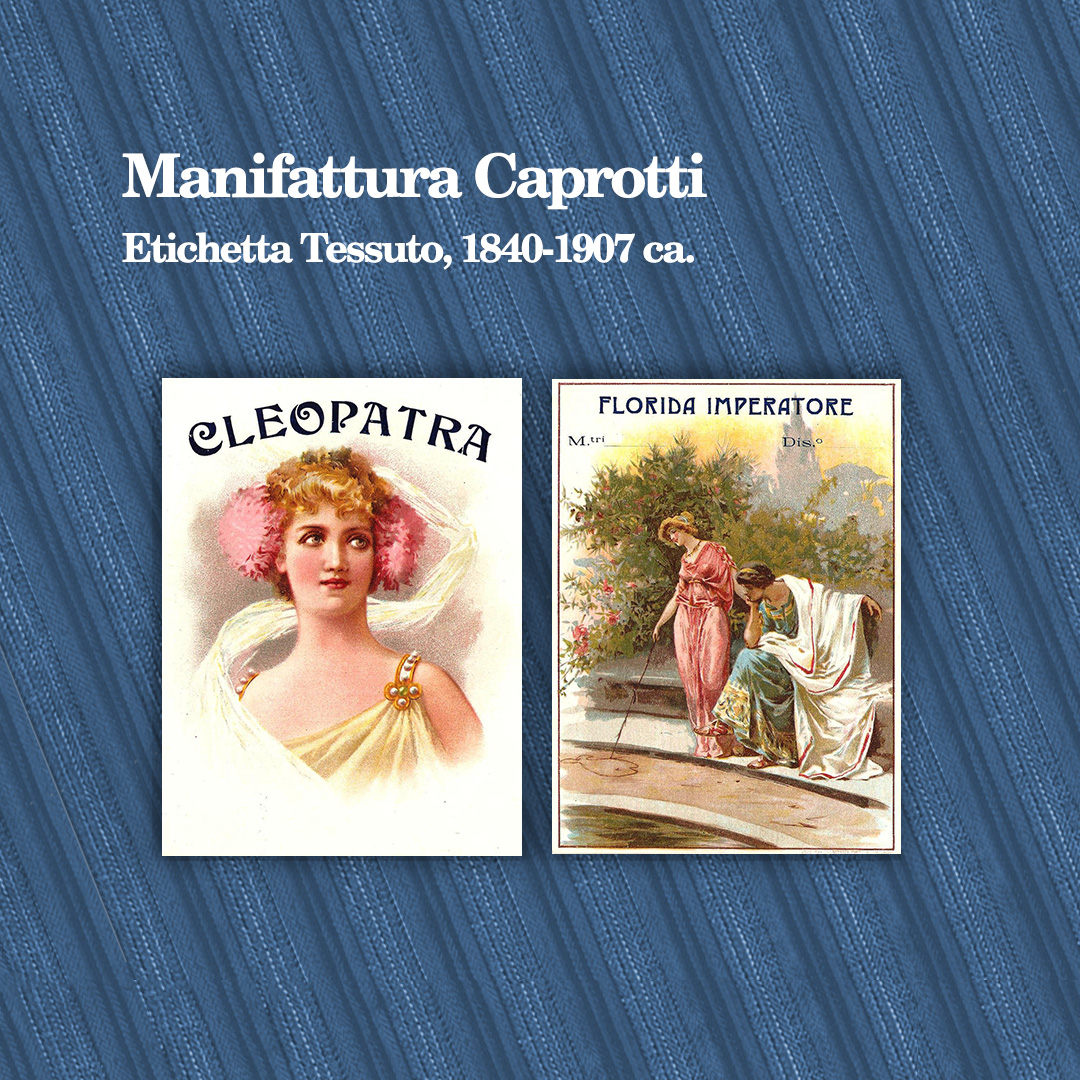
For more than a century, the Caprotti factory in Albiate was the economic and social heart of a community. It was not just a factory, but a place where skills were honed, where generations came and went, and where the local area found its identity and future. “The place of the soul” for those who loved it – to quote Valentina Redaelli – is to be demolished. This account preserves, in part, that memory.
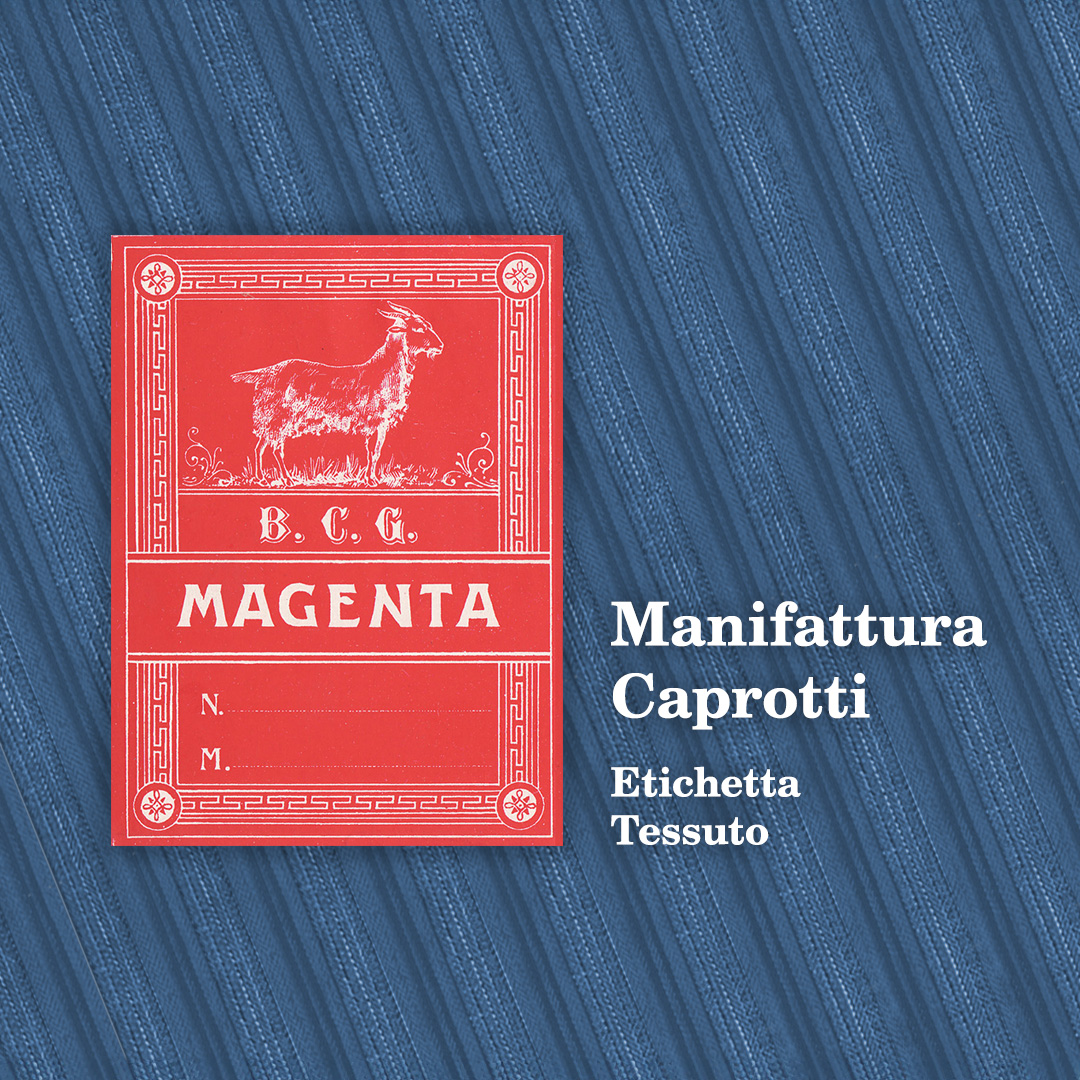
Between the nineteenth and twentieth centuries, the trade mark was a means of communication that had to speak to everyone: to merchants and shopkeepers of varying levels of education, as well as to illiterate farmers. There was no room for ambiguity. Those who could not read had to be able to recognise the product at a glance, through its shape, colour and symbol.
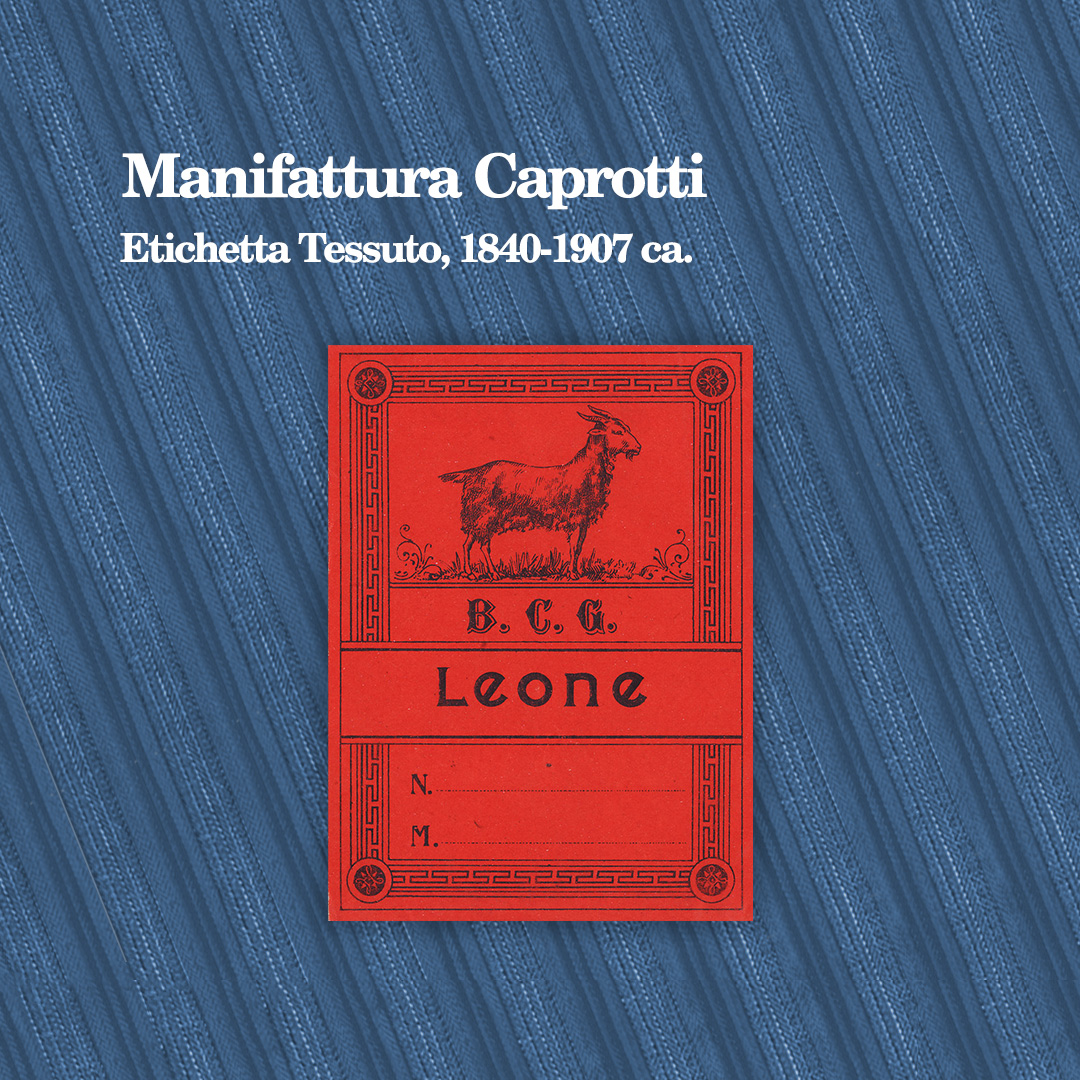
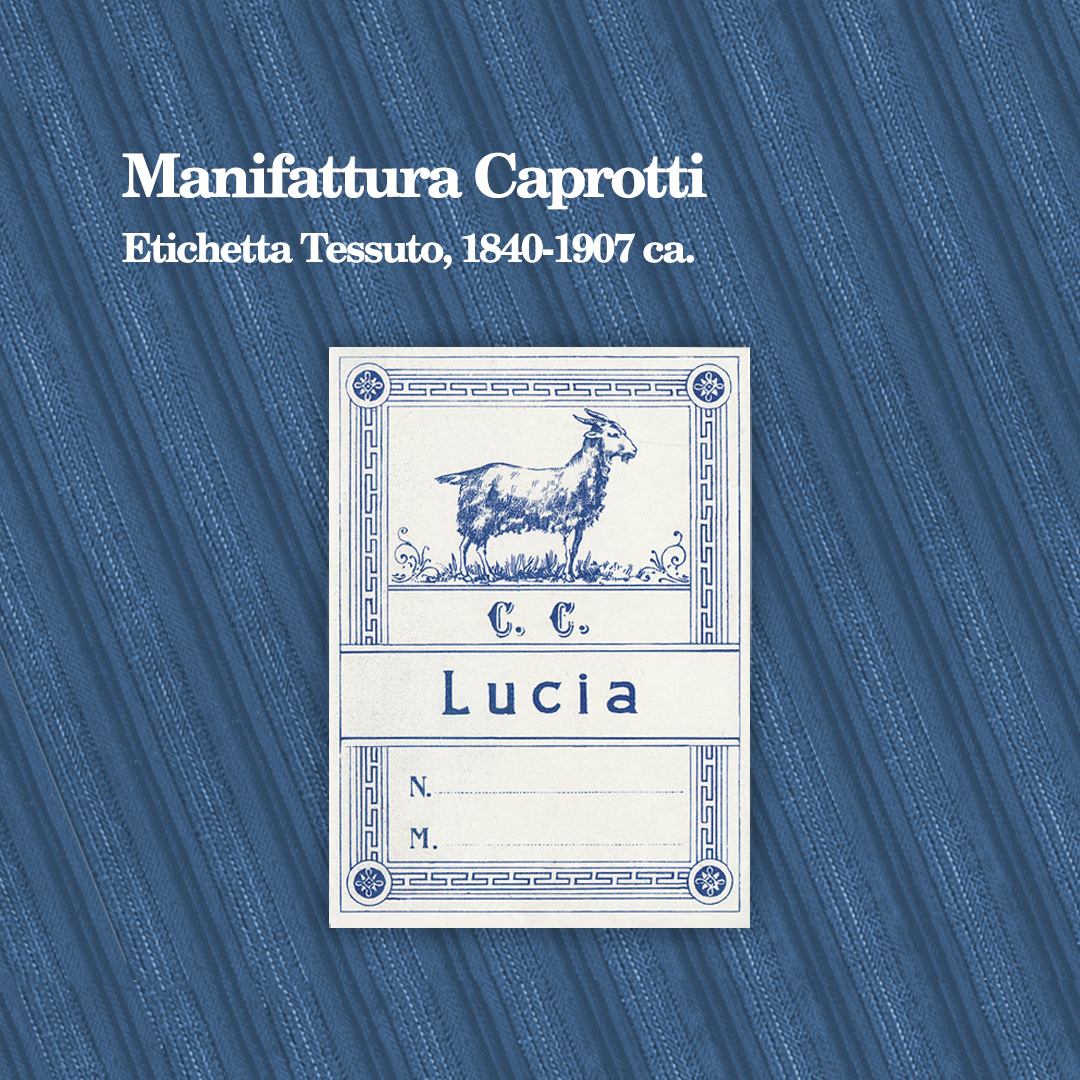
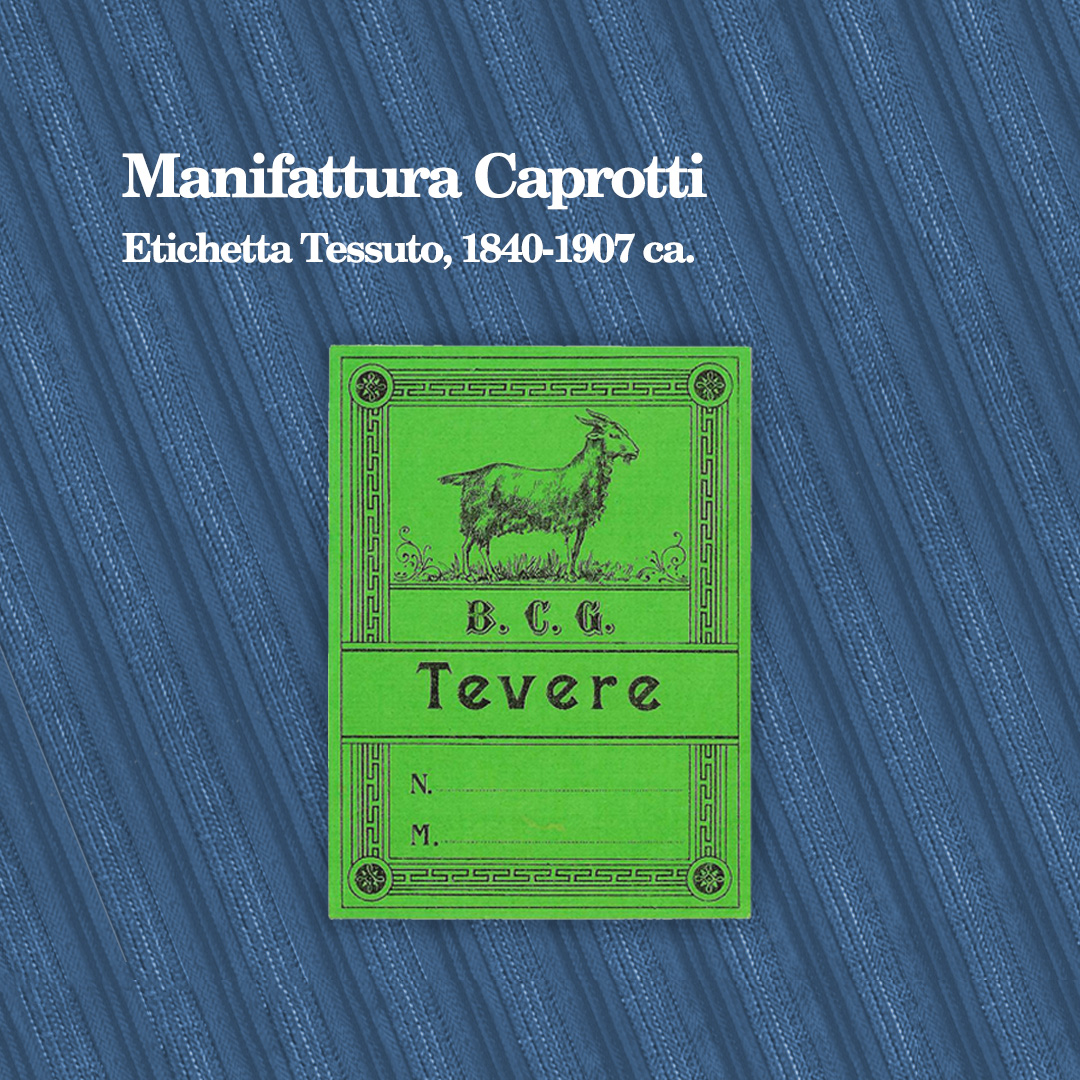
“When, in 1870, the Bersaglieri breached Porta Pia and the Kingdom of Italy annexed the Papal States, the national economy was experiencing a period of extraordinary vitality. Giuseppe [Beppo] made further investments, equipping the factory with the necessary machinery for dyeing fabrics, and purchasing mechanised looms and increasingly modern and efficient machinery. His plan was to expand beyond national borders, following the waves of emigration to Latin America and the exploration of Africa. The company’s records show that the fabrics produced in Albiate in the following years were regularly shipped to Argentina, Uruguay, Peru and Brazil. The trademark was a design featuring a goat, to which Giuseppe [Beppo] devoted great attention, with the aim of etching it into the memory of customers of Italian origin who, on the other side of the Atlantic, wanted designs similar to those sold in their homeland.”(…)” (p. 24). G. CAPROTTI, Le Ossa dei Caprotti. Una storia italiana, Milan, 2024
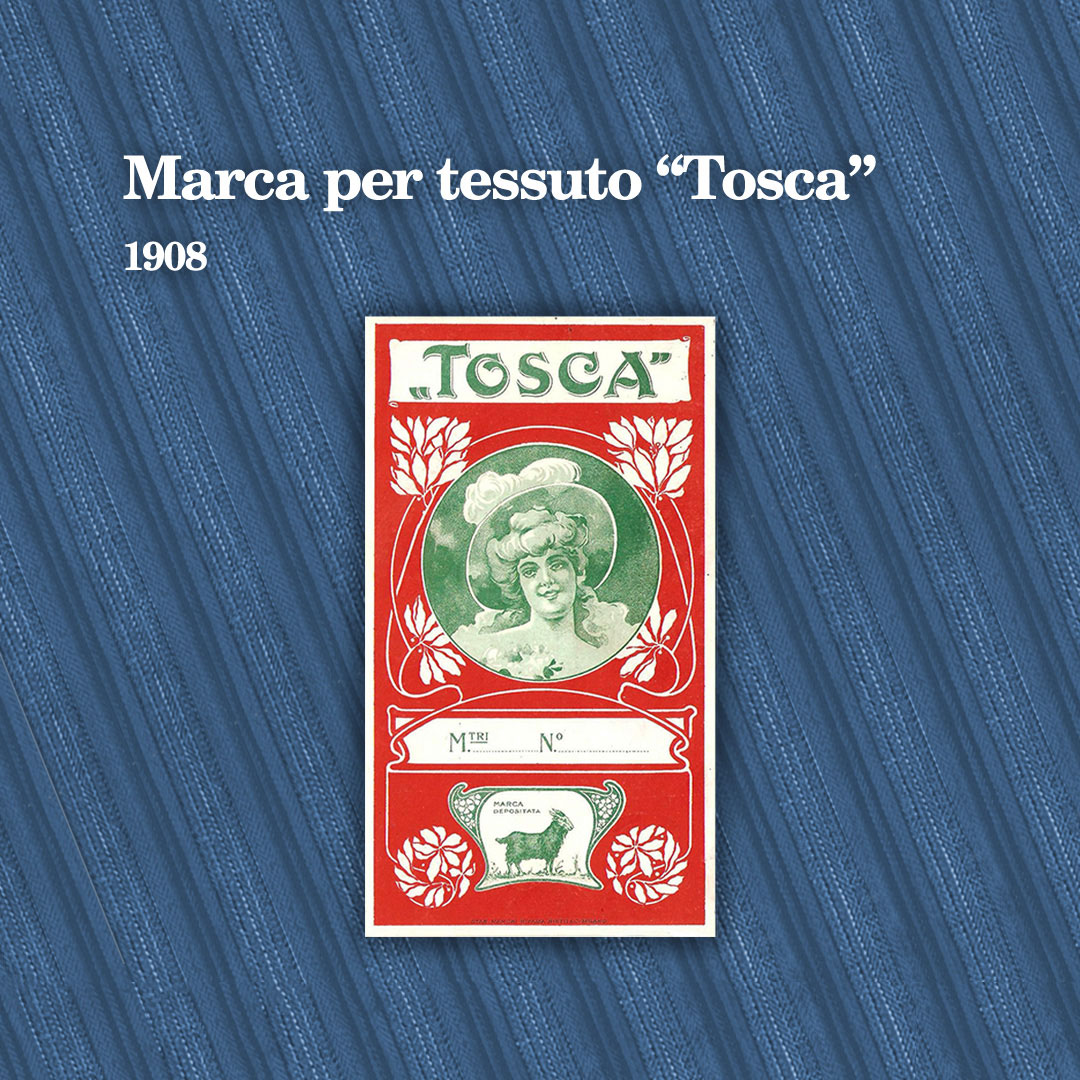
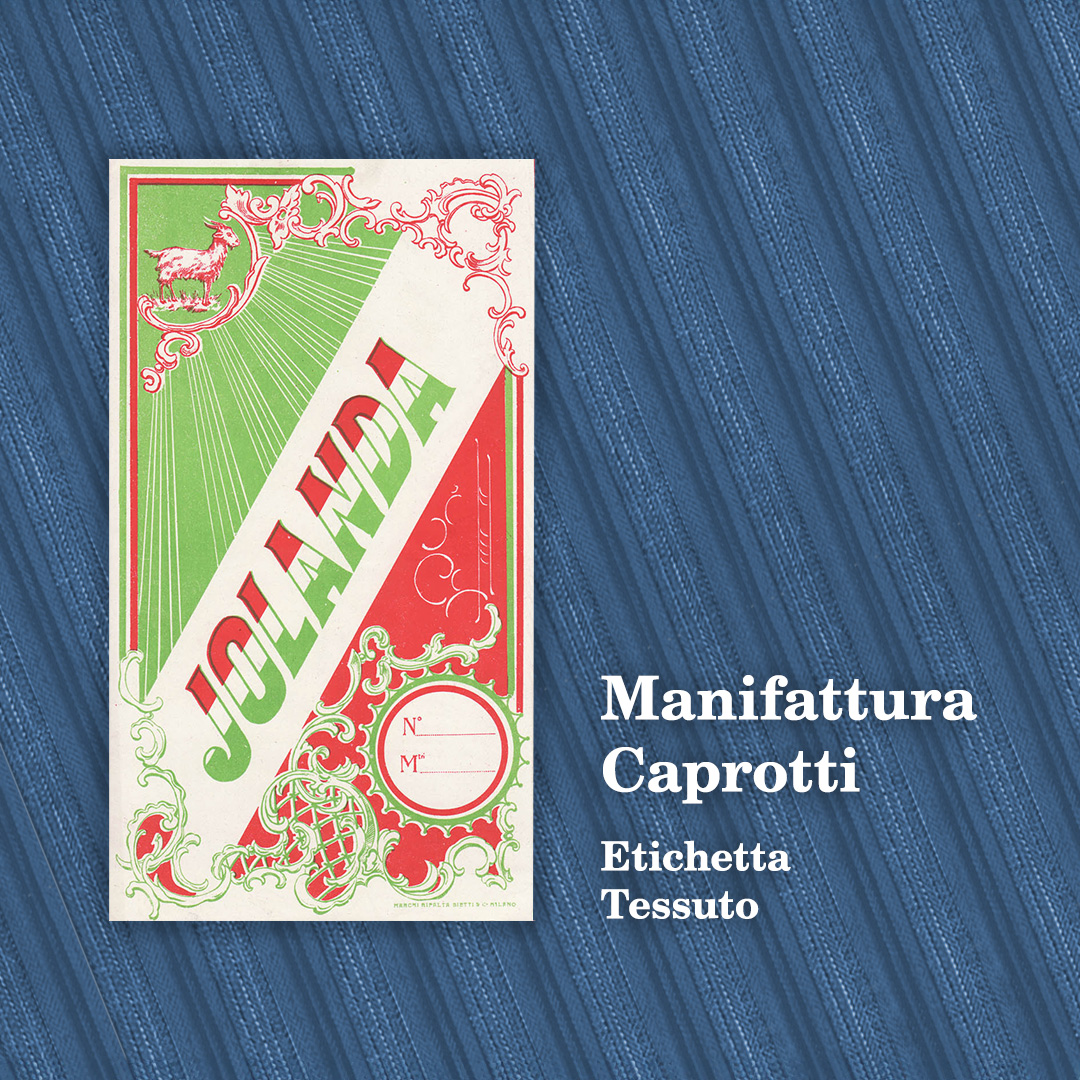
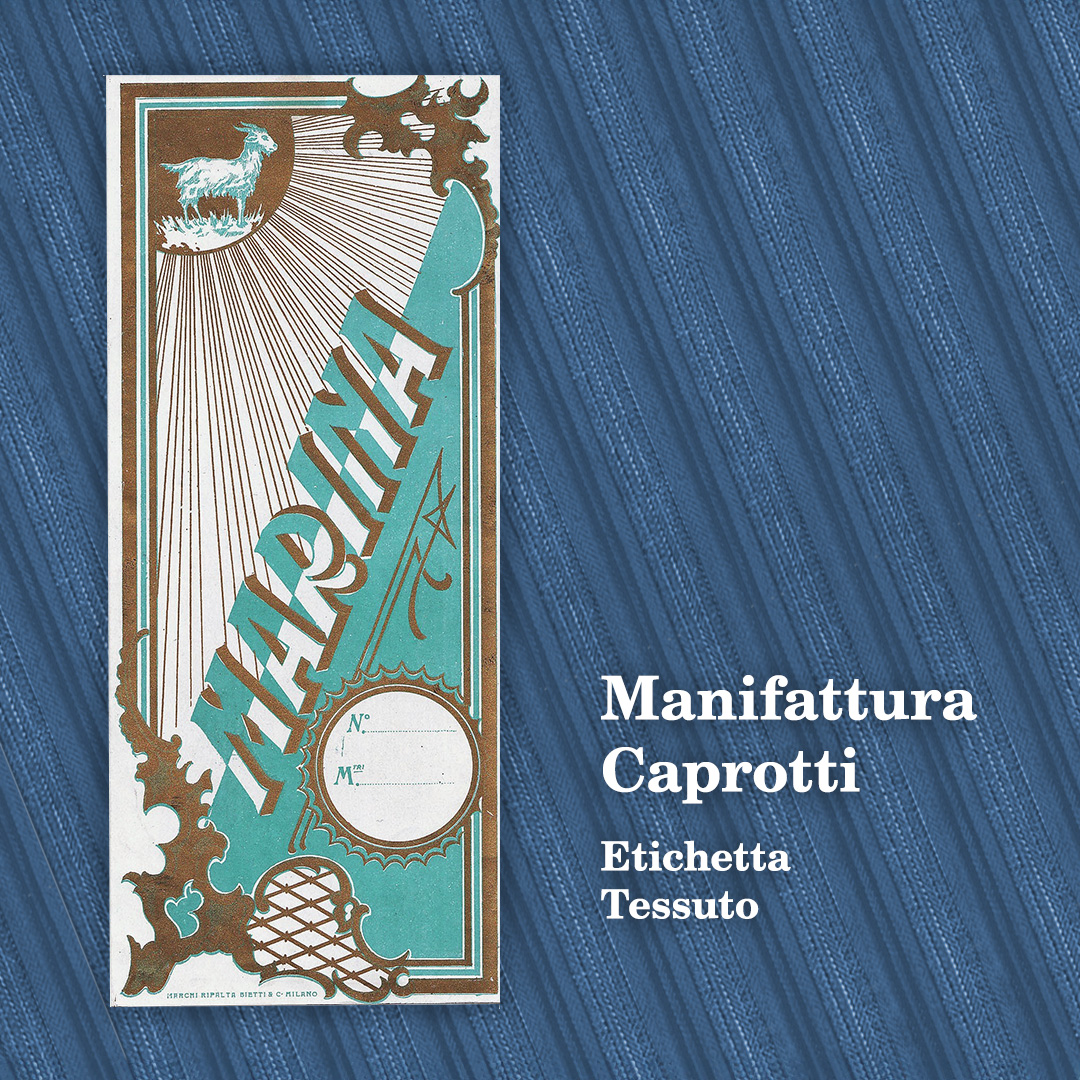
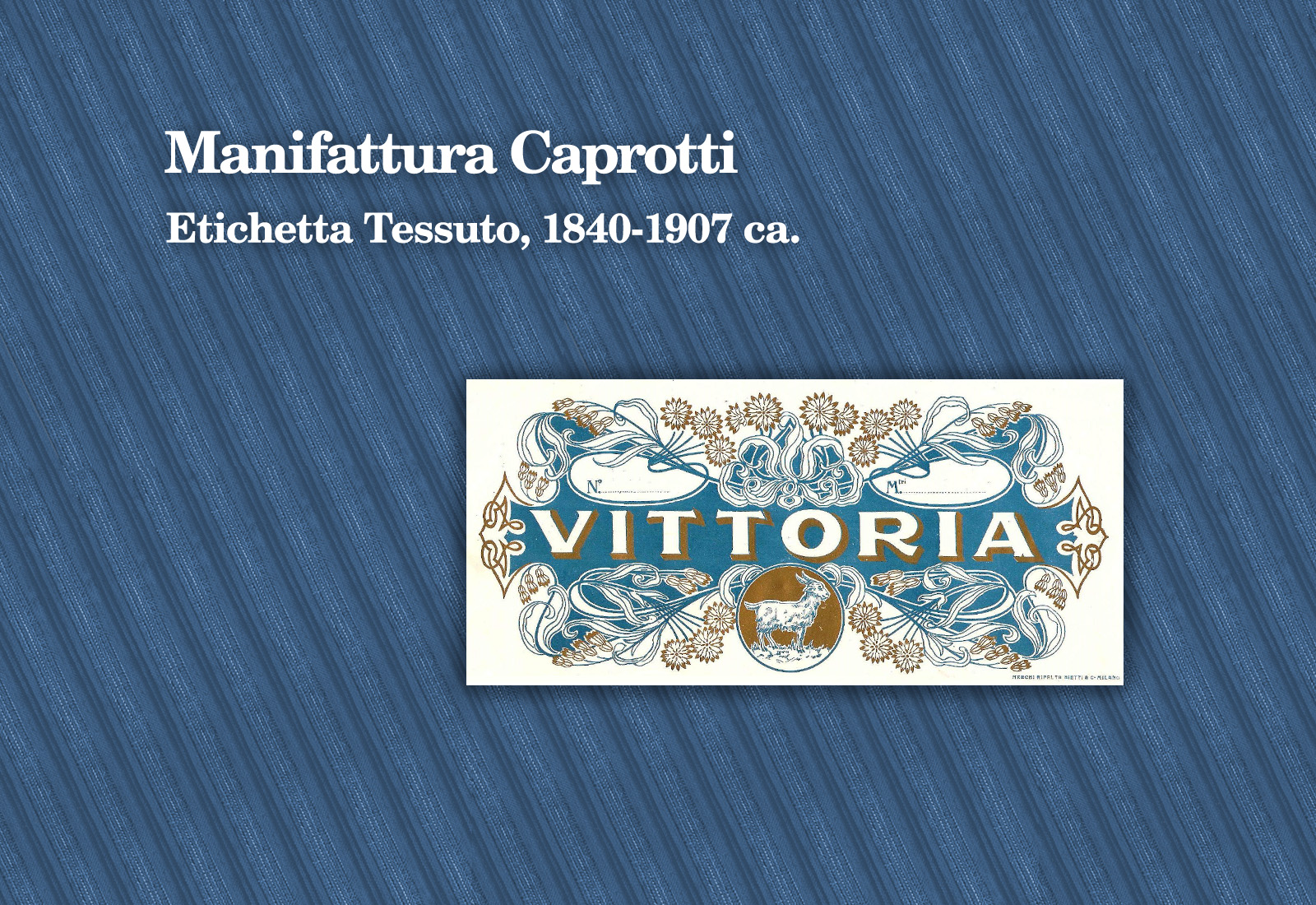
The Caprotti family, with a certain degree of self-deprecating humour, chose a goat as the factory’s trademark. The design was specifically conceived to stick in customers’ minds — particularly those Italians who were emigrating to Argentina, Uruguay, Peru and Brazil, and wished to recognise the models sold back home.
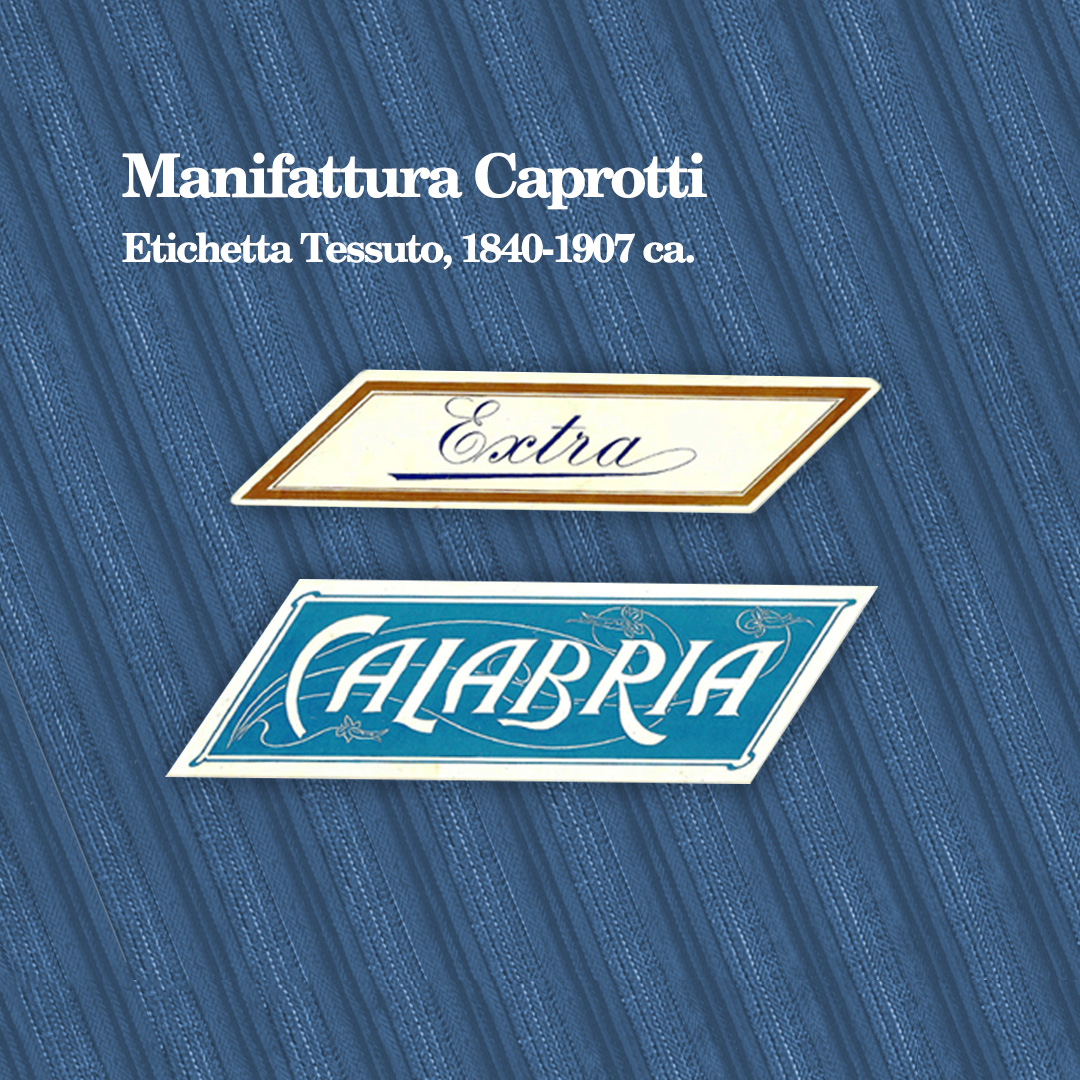
Alongside the goat symbol were the names. Some evoked strength and prestige: Leone, Vittoria, Cleopatra. Others linked the product to Italy’s geographical identity, such as Calabria and Tevere. Still others, such as Jolanda and Marina, followed the fashion of the time, or current events, such as Tosca, linked to Puccini’s opera.
The names were not merely labels, but the way in which the fabric lived on in memory, the way in which it was transformed from a commodity into a story and a sense of belonging.
Sources:
https://www.giuseppecaprotti.it/i-Caprotti-e-i-tessuti-della-manifattura-Caprotti/
https://www.giuseppecaprotti.it/la-manifattura-Caprotti-verra-demolita/