
A brief history of e-commerce
A planetary trade war, eminently political, in which the Chinese and Americans are the ‘masters’ and Europe, apart from a few rare exceptions – such as Lidl – has stood by and watched


A planetary trade war, eminently political, in which the Chinese and Americans are the ‘masters’ and Europe, apart from a few rare exceptions – such as Lidl – has stood by and watched
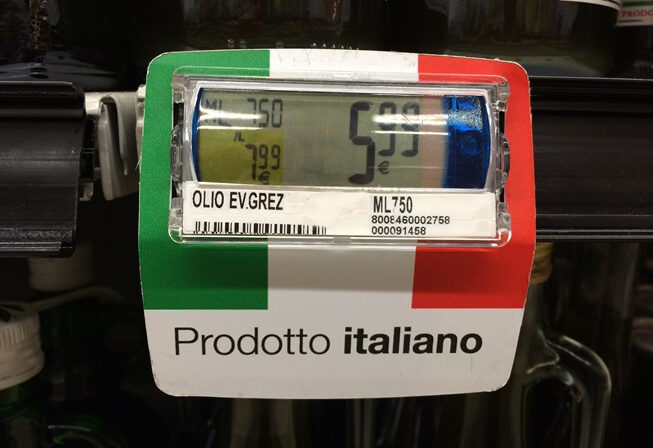
We often imagine the Made in Italy agri-food industry as a self-sufficient system, capable of producing all the raw materials it uses in-house. The reality is quite different
Walmart, the 12th largest company in the world in terms of capitalisation, has a chance to face eternal rival Amazon on an equal footing
Tallow, fibre, protein. And then alcohol, whole milk and meat, with tro every logic but that of the US lobbies
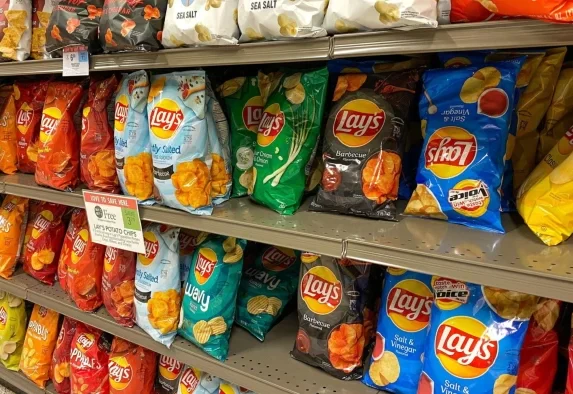
The PepsiCo case confirms what was already known: many major brands have inflated their prices and margins in recent years. Not least because a 15 per cent drop suggests they had plenty of ‘room for manoeuvre’. PepsiCo was the world’s second-largest food producer in 2023, behind Nestlé and ahead of the Brazilian meat producer JBS.
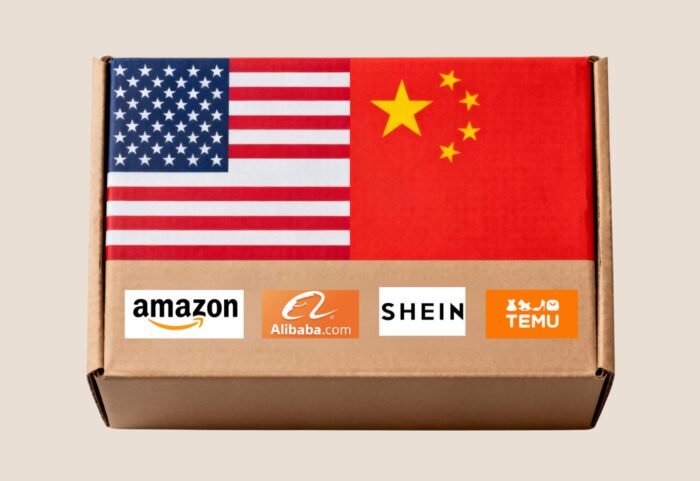
Technology platforms are like transnational states: they may perhaps pay fines in the billions, but they will almost certainly never pay taxes equivalent to those paid by their competitors. And they will therefore continue to operate by competing unfairly with them

‘It is necessary to avoid using both imported hazelnuts and Piedmontese hazelnuts in the same product’. Ferrero could follow Barilla’s example – which sells pasta made from 100 per cent Italian wheat – and perhaps introduce a distinction between Italian and non-Italian products
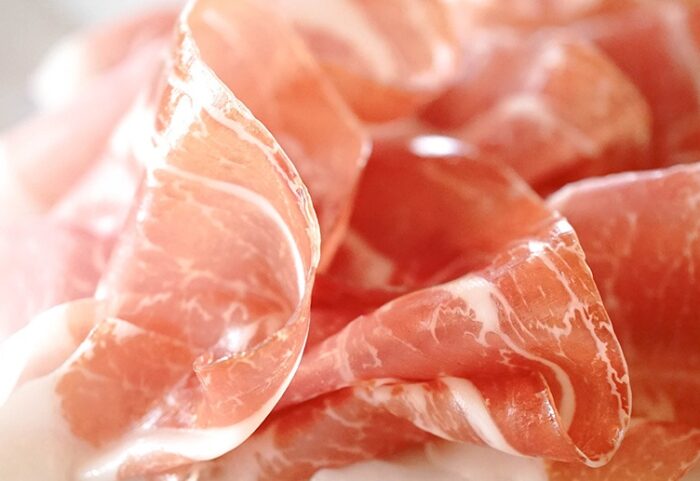
In the face of continuous scandals, the consortia, instead of trying to get the ham out of an image impasse and think about relaunching consumption of Parma ham, making it ‘cool’, as the Iberian jamon has done, prefer to celebrate themselves by doubling the museum (with 600,000 euro from the Pnrr)
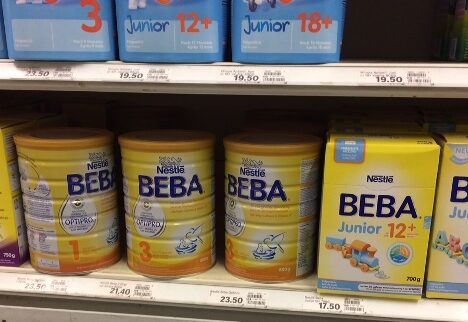
Children’s milk: the presence of toxins in Nestlé products was identified ten days before the first recalls, at the end of November. According to ‘Le Monde’, the manufacturer waited for a ‘health risk analysis’ before informing Dutch and then European authorities of the presence of cereulide in milk produced in the Netherlands…
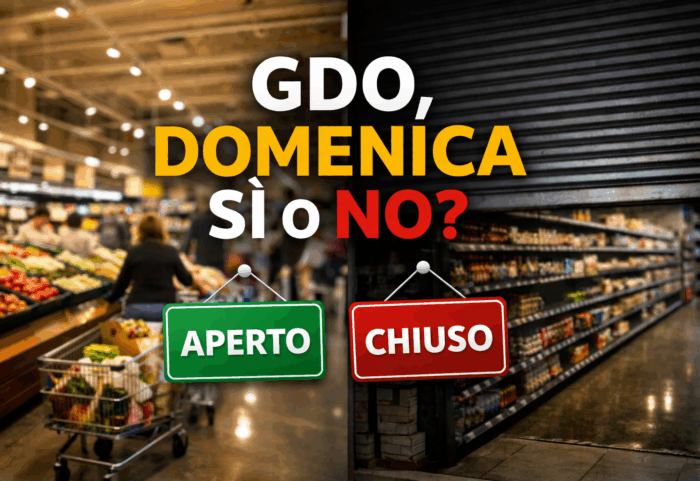
In a nutshell: Coop is calling for a law on Sunday closures (= everyone closed) because it is unable to establish itself as a market leader, like Mercadona in Spain
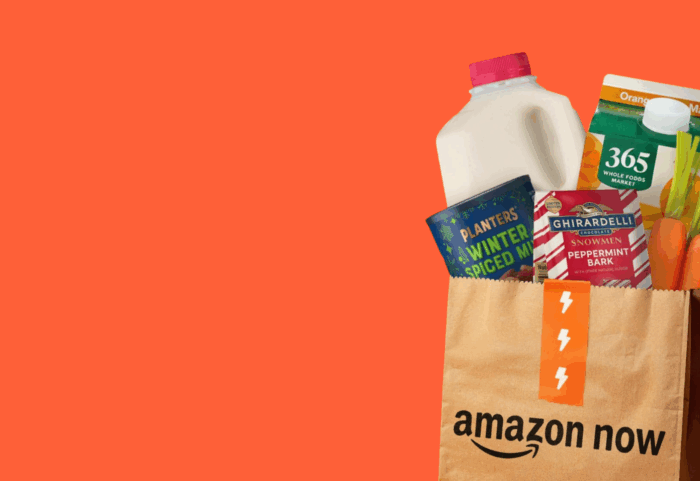
Our distributors – such as Selex and Conad – who operate consortia, and thus are unable, with some exceptions, to offer a widespread e-commerce and delivery service for basic food and household products throughout Italy – risk having to leave space and opportunity to Amazon Now over time
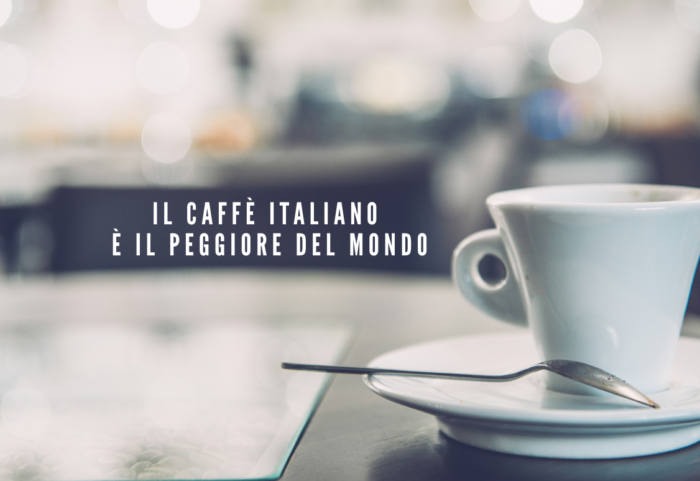
Coffee drunk at the café is bad and climate change threatens to exacerbate its inflationary effects, but perhaps there is hope if training and investment is made in a network of inspections
