

Drafted in 2012, updated on 20 June 2025
On this topic you can read: Giuseppe Caprotti’s social commitment at Esselunga. The people: the customers (2025)
Fidaty has American origins, like many other successful projects – for example the superstore, a format adopted in the late 1990s – by Esselunga,
The loyalty card was literally ‘brought to us’ by Tom Wilson, at the time senior consultant at Mc Kinsey and later chairman of IRI Infoscan ( and then Information Resources, Symphony IRI, today simply IRI…).
Wilson had seen the success of loyalty cards in various distribution companies in the stars and stripes and advised us to go and see how they worked at Fresh Fields, a company set up in 1991 on the east coast of the USA and then taken over by Whole Foods in 1996.
I personally had seen the birth of Dominick‘s

I had seen it work at American Stores , owner of Jewel supermarkets , competitors of Dominick’s in Chicago, and especially at US airlines, where the cards worked great:
i had the United Airlines card, with which I accumulated points and free travel.
And so it was that Violetta Caprotti, encouraged by Tom Wilson and accompanied by Giancarlo Pelarin, went to visit this chain on theEast Coast and we (Violetta, Giuseppe, Bernardo Caprotti and Paolo De Gennis) decided to launch it in the early 1990s.
The name was later given to it by Germana Chiodi, Bernardo Caprotti’s secretary.
It was preceded by a very positive test in 4 sales outlets in 1994.
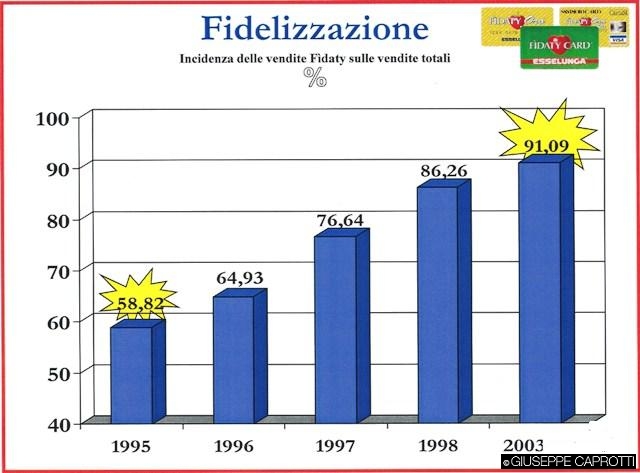
Below is the evolution of the loyalty rate (incidence of Fidaty sales on total sales) which in 2003 was 91.09%.
For results see also Fidaty, 2004 results and From Supermarkets to Superstores 5.

before Fidaty, coupons (in American coupons) did not even exist in Italy, which I imported from the USA
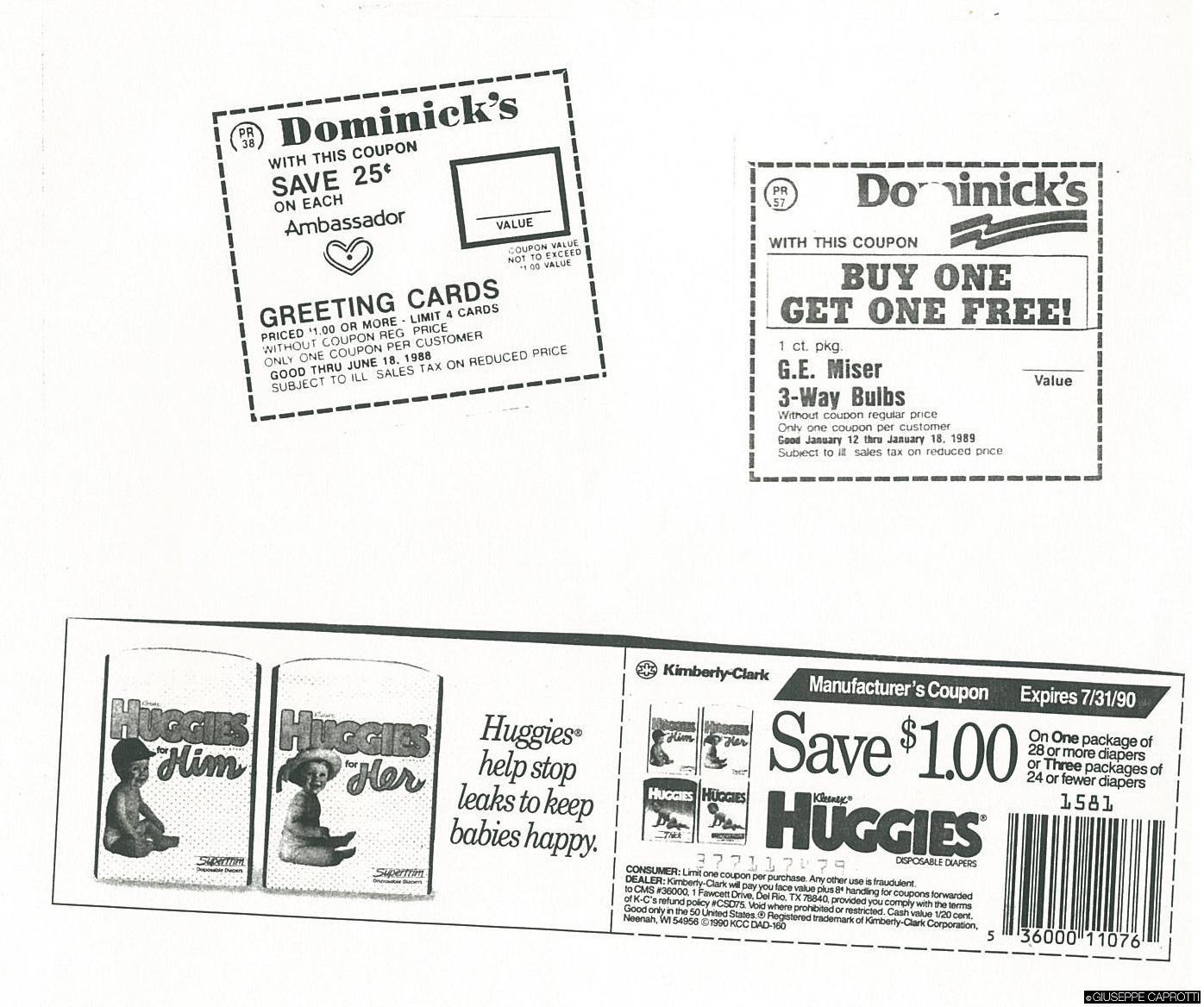
In the US, some families spent several hours on Sundays cutting them out of magazines. Coupons were very popular (very widespread).
Over time, as many customers complained that they forgot their coupons at home, the coupons became virtual
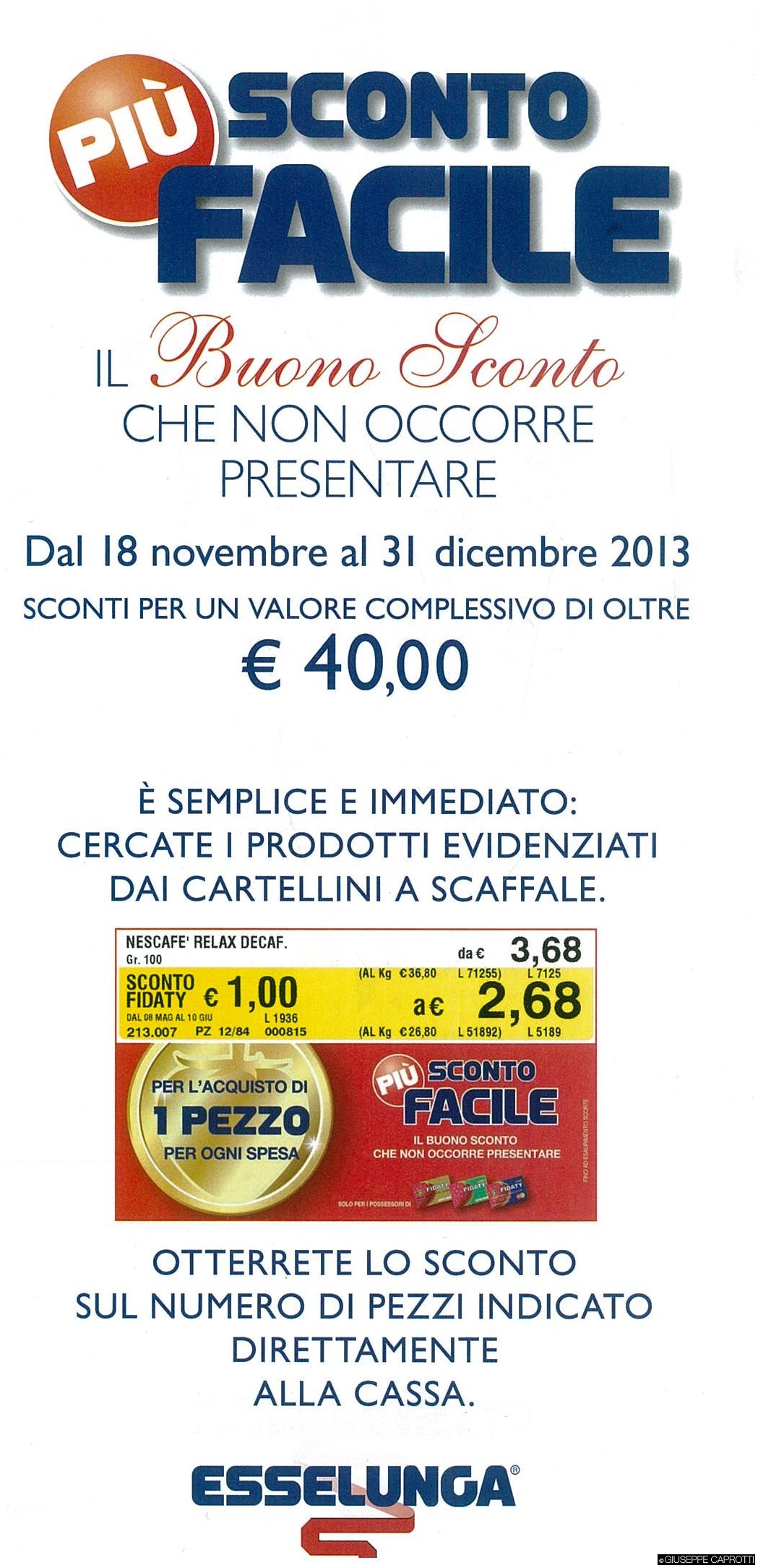
In 2015, 17 million Italian households used vouchers, saving € 370 million (source: Corriere della sera of 19 November 2016).
In order to get 91% of the transacted business through Fidaty you had to have prestigious prize catalogues, with important partners. at the time they were: Alitalia, Q8 (petrol), Direct Line (insurance) and Best Western (hotels, partnership not maintained). Then there was the Grande Cinema operation, to which the Theatre was later added.
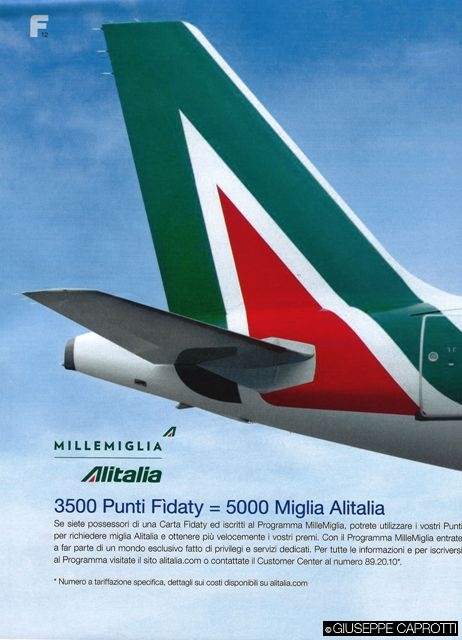
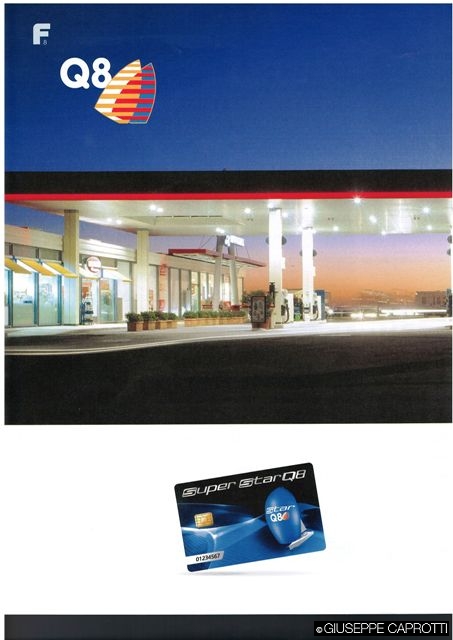
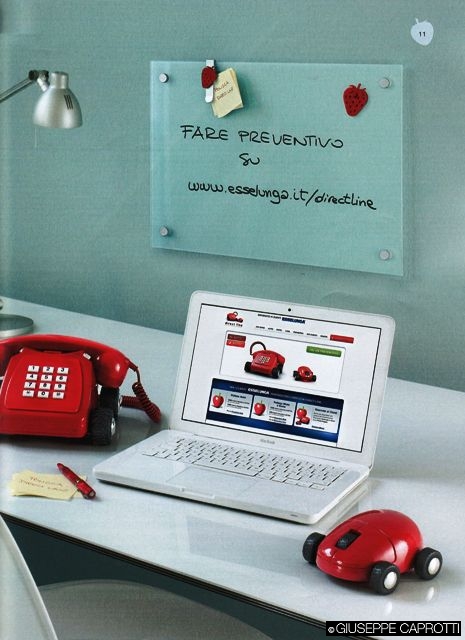
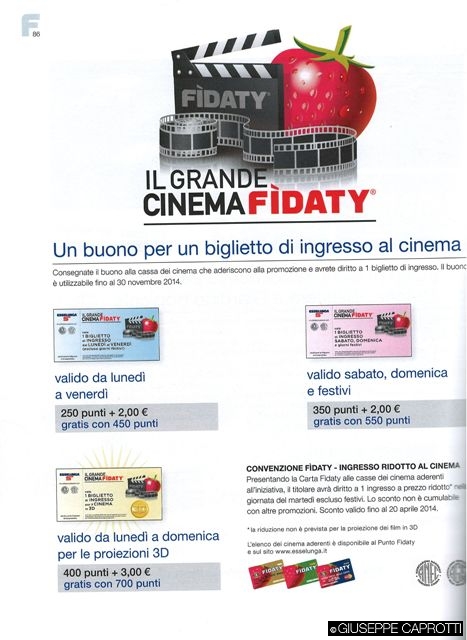
all the pages above were taken from the new Fidaty catalogue, which I think is very nice and interesting for customers

A much appreciated service, introduced with La Fidaty, were magazines (see below) also aimed at children
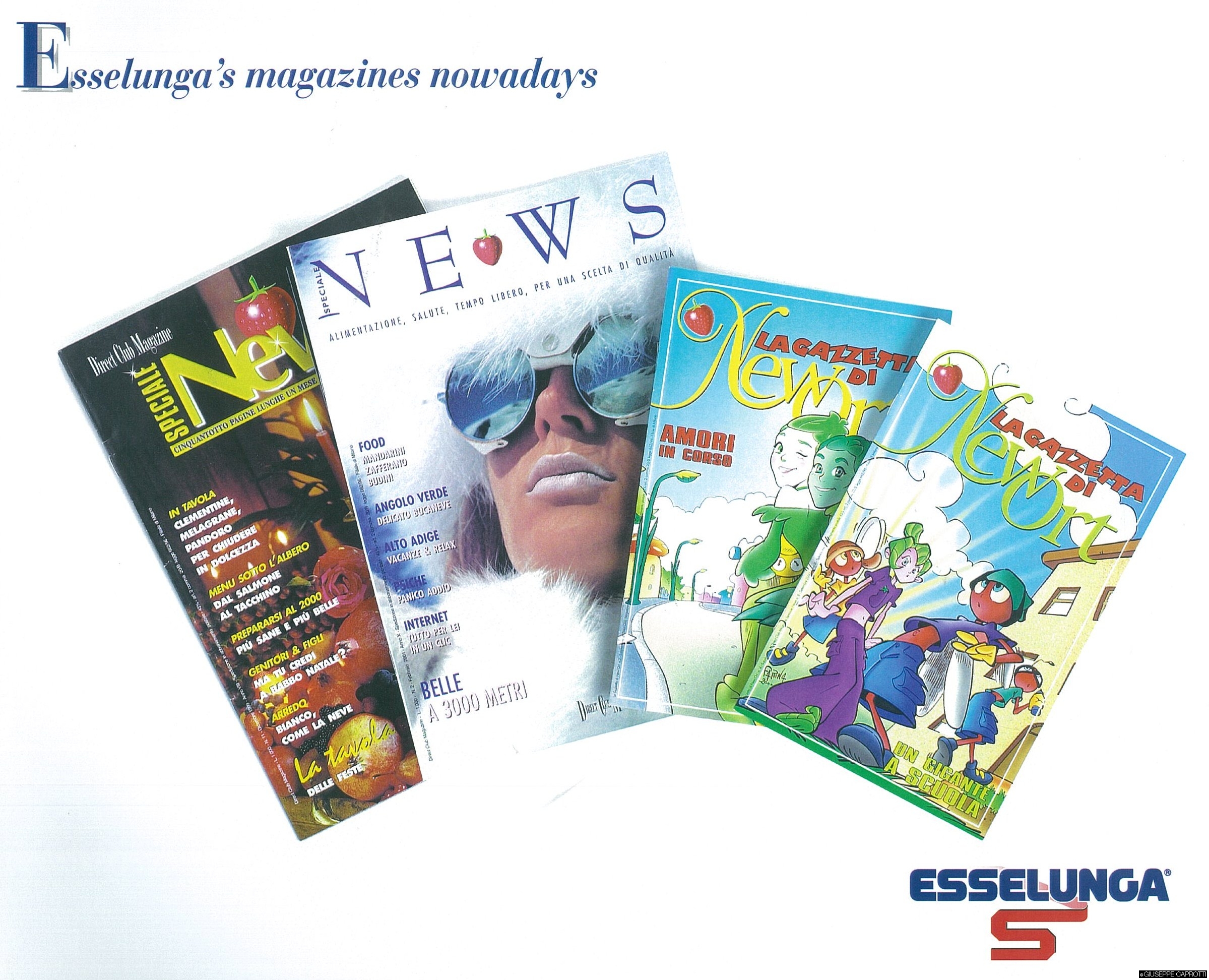
The News went on to exceed 1 million copies circulated.
It helped us carry advertising (and thus collect contributions from suppliers), highlight our Esselunga brand and sometimes carry more political messages (e.g.on GMOs).
In order to manage the strawberry points, a call centre was set up where 25 people worked and which, at the time, received hundreds of thousands of reports/enquiries/complaints per year.
Over time, the Green Fidaty was joined by the Gold Fidaty (debit card= which can only be used in Esselunga) and the Visa Fidaty (credit card).
Visa was recently succeeded by Mastercard.
It should be noted that, with the introduction of debit and credit cards, Esselunga supermarkets began, at my urging, to accept payment by credit cards.

Trivial? Not so much for the time. Credit cards ‘didn’t appeal’ to Bernardo Caprotti.
With the Fidaty and the Fidaty Oro, CRM(customer relationship management) experiments were attempted with mixed fortunes:
i perfectly remember dedicated discounts for Fidaty or Fidaty Oro customers that turned out to be boomerangs. Customers talked to each other and those who had not received the discounts complained loudly.
I note with pleasure that an improvement has been made in that area over time
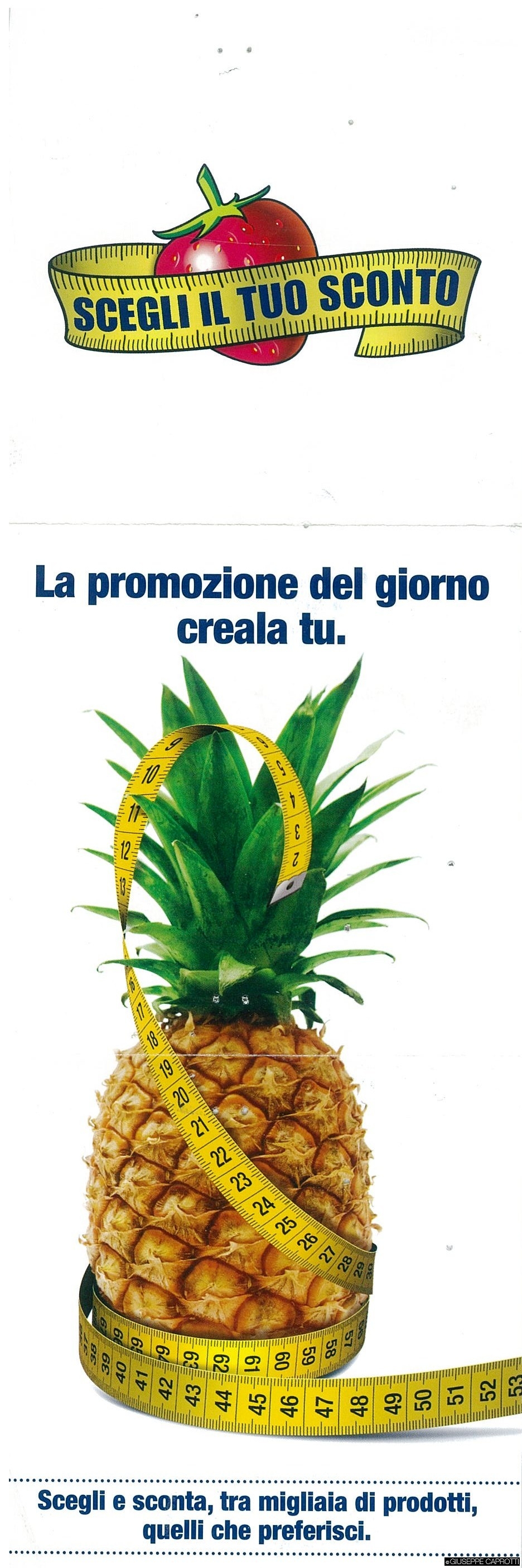
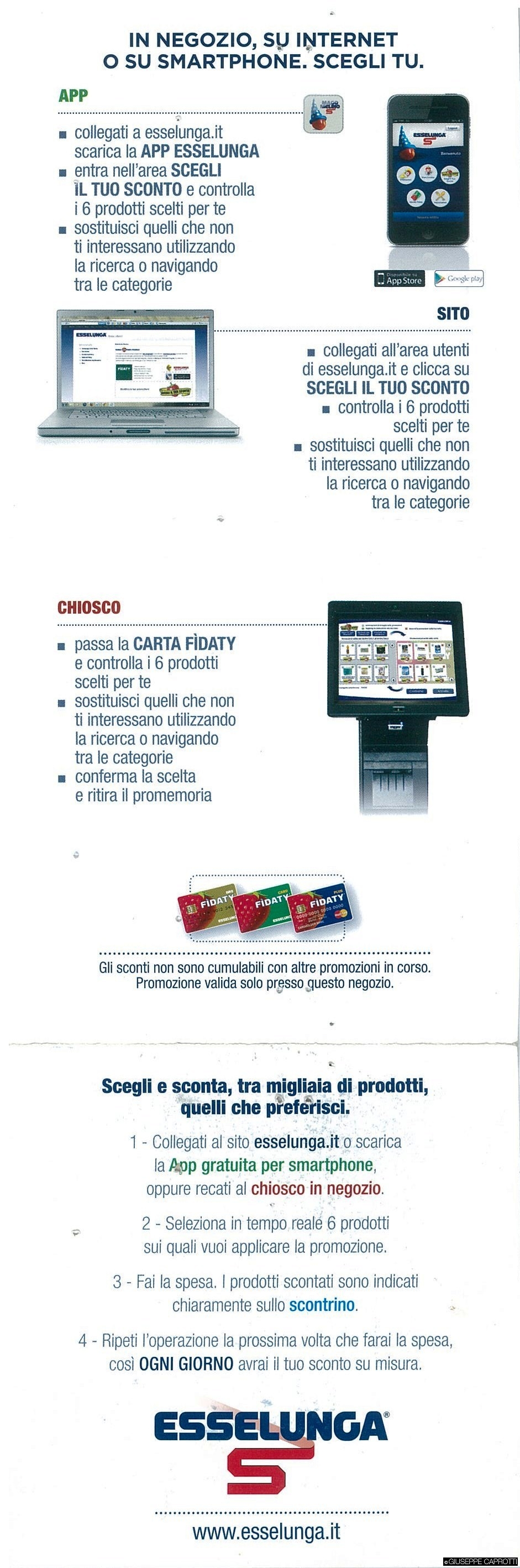
No wonder, then, that from 91% of the transacted business in 2004, it has risen to 95%(Corriere of 9 December 2013)
Back to us, more successful than CRM were shopping vouchers, which, in some cases, had redemptions well above the average, which was about 1.5 per cent.
There were products that achieved a redemption of 7 and even 8 per cent, but even more than 20 per cent if they were top products, e.g. Barilla biscuits or pasta.
Shopping vouchers, on the other hand, had a redemption of over 30% at the time.
It should be noted that the articles in the Fidaty catalogue at cost were worth €80.9 million in 2003 (source: Esselunga Marketing Plan 2004).
Fidaty helped sell products on the shelves but also sold many products not in the assortment through the catalogue.
In conclusion, discount coupons, shopping vouchers, a catalogue with interesting products, magazines and ‘iron’ partnerships continue to make Fidaty unique.
The app was abandoned in 2017
Condividi questo articolo sui Social Network:


