Donald Trump’s tariffs have pushed American consumers and retailers into an atmosphere of uncertainty: Black Friday seemed to be slow going. But there are those who, like TJMaxx, the discount chain stocking unsold goods is not suffering from the crisis. It is a chain that I know from the days of Dominick’s, where after a two-year working stay of mine, we imported the approach to superstores that my father was building.
From the Financial Times:
… The common view is that physical chain shops need a strong online presence to survive. But that doesn’t seem to apply to TJX’s discount pricing empire. TJ Maxx, Marshalls and HomeGoods, with 5,191 shops worldwide and $56.3 billion in sales, all have minimal e-commerce presence.
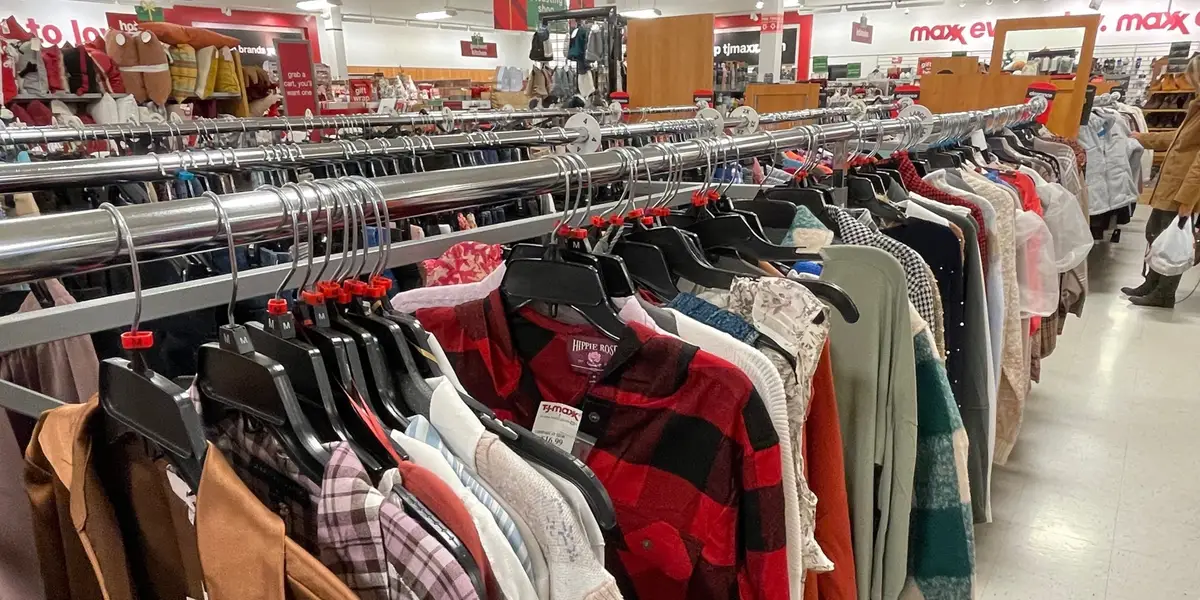
Online sales accounted for less than 2% of TJX’s sales last year. This is intentional. The company buys merchandise opportunistically: hoarding the surplus stock of the most prestigious brands and reselling it at discounted prices. The constantly changing assortments encourage buyers to rummage in person. This unpredictability also makes online retailing impractical, as items cannot be reliably restocked and returned items may no longer find a place on the shelf.
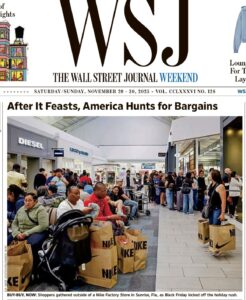
Below: inflation-stricken Americans hunting for ‘bargains’.
TJX’s strategy is working particularly well at the moment, with uncertainty creating phenomenal supply conditions. “It’s off the charts,” CEO Ernie Herrman told analysts earlier this month. “We have so much product availability for brands in many categories and some in categories we haven’t seen in a long time.” The company’s $4.6 billion liquidity gives it ample room to grab products that its competitors can’t sell. This has contributed to TJX’s strong same-store sales, up 5 per cent in the last quarter, and improved its full-year forecast. Seen from Silicon Valley, TJX could be the anti-tech stock par excellence.
While most companies invest heavily in artificial intelligence-based search engines, automated distribution centres and faster delivery, TJX thrives by ignoring the digital arms race. The company needs neither sophisticated chatbots nor expensive last-mile delivery networks. Its advantages are decidedly analogue: opportunistic buying teams, astute shop managers and customers who love treasure hunting. At a time when investors are concerned about the high investment and uncertain returns of many AI-focused ventures, the low-tech simplicity of TJX is appealing.
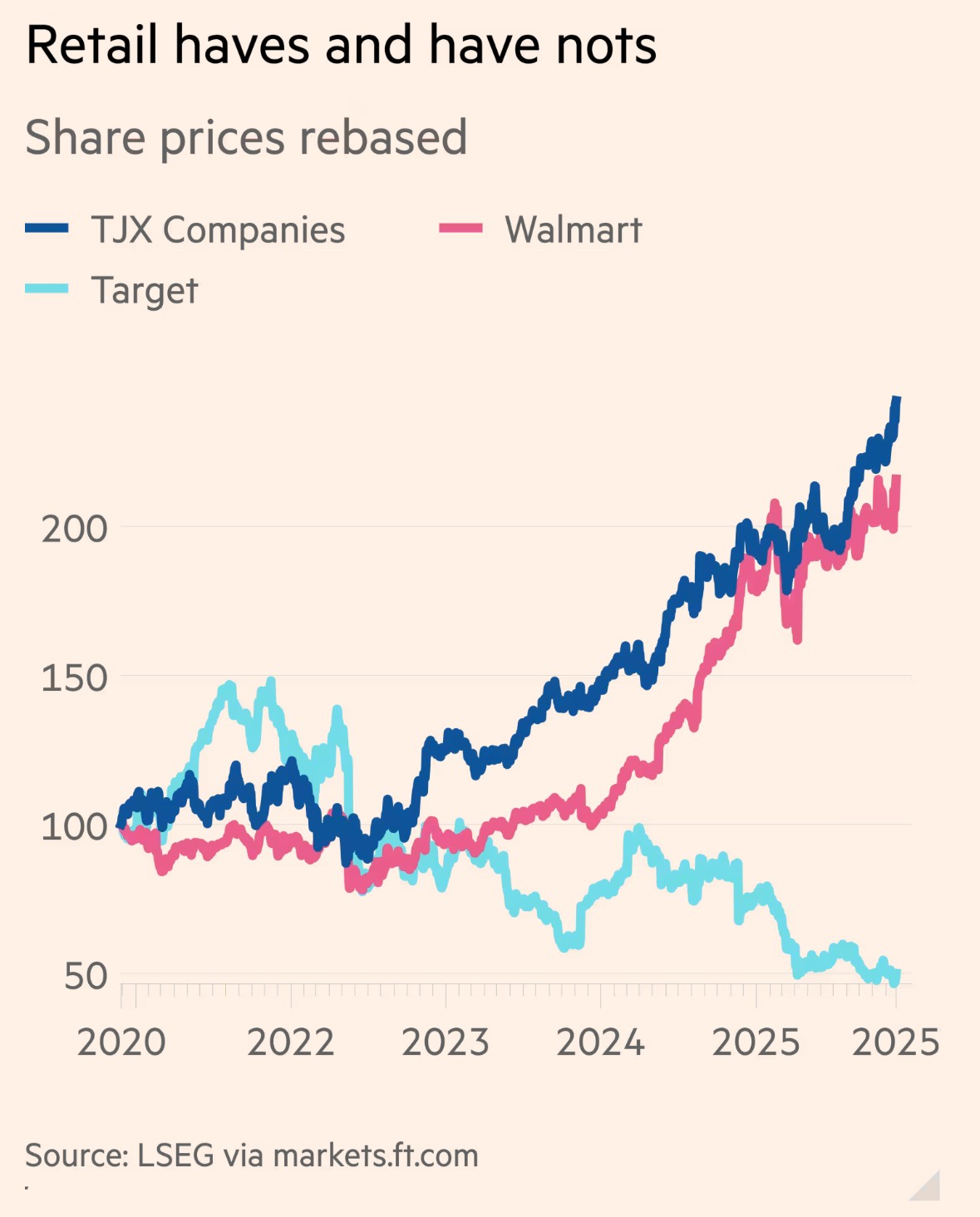
The stock is performing very well on the stock market: its value has almost doubled since last year (capitalisation of $166 billion) and it has outperformed Walmart, which I consider a winning tech retailer.