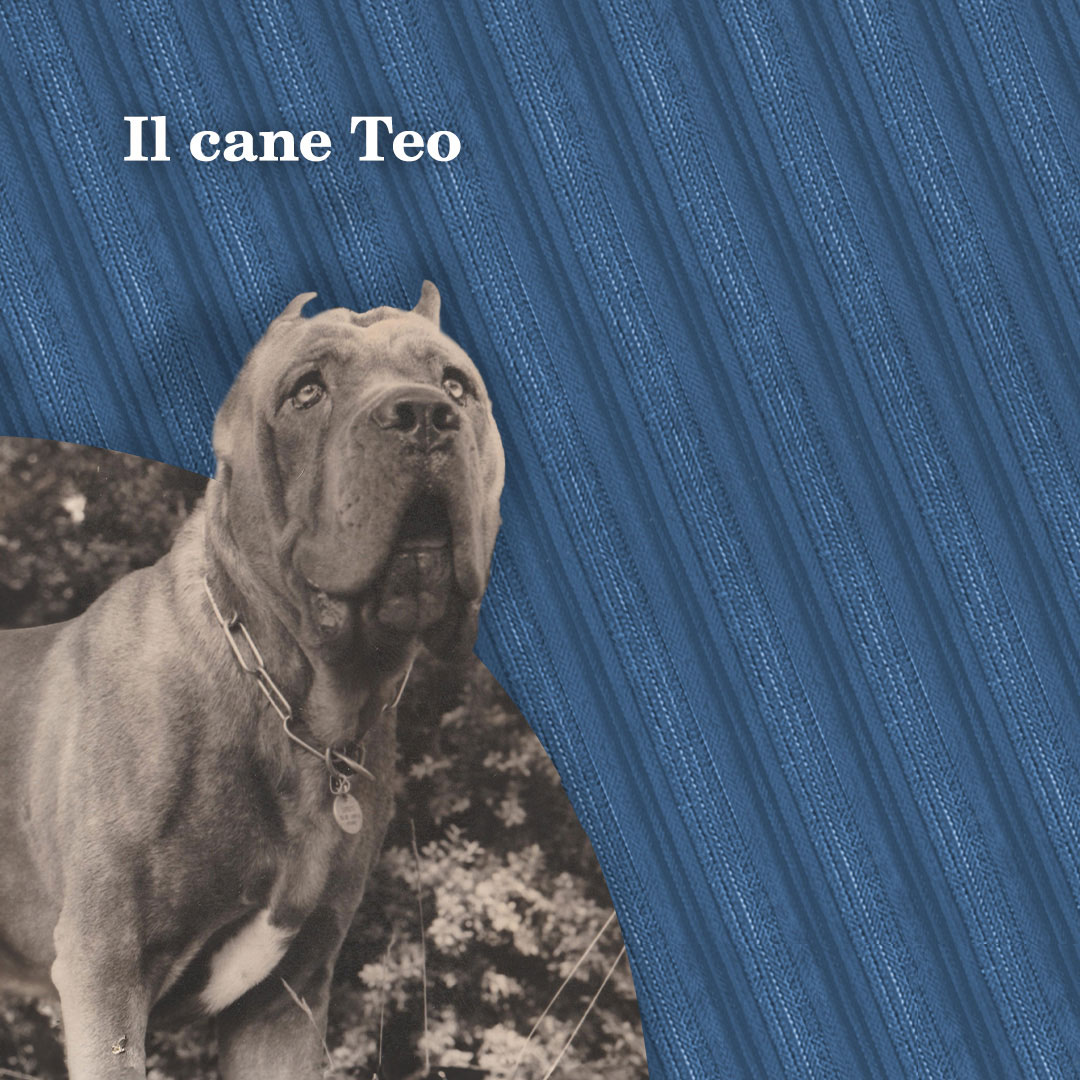
The first heart was, of course, the villa in Albiate.
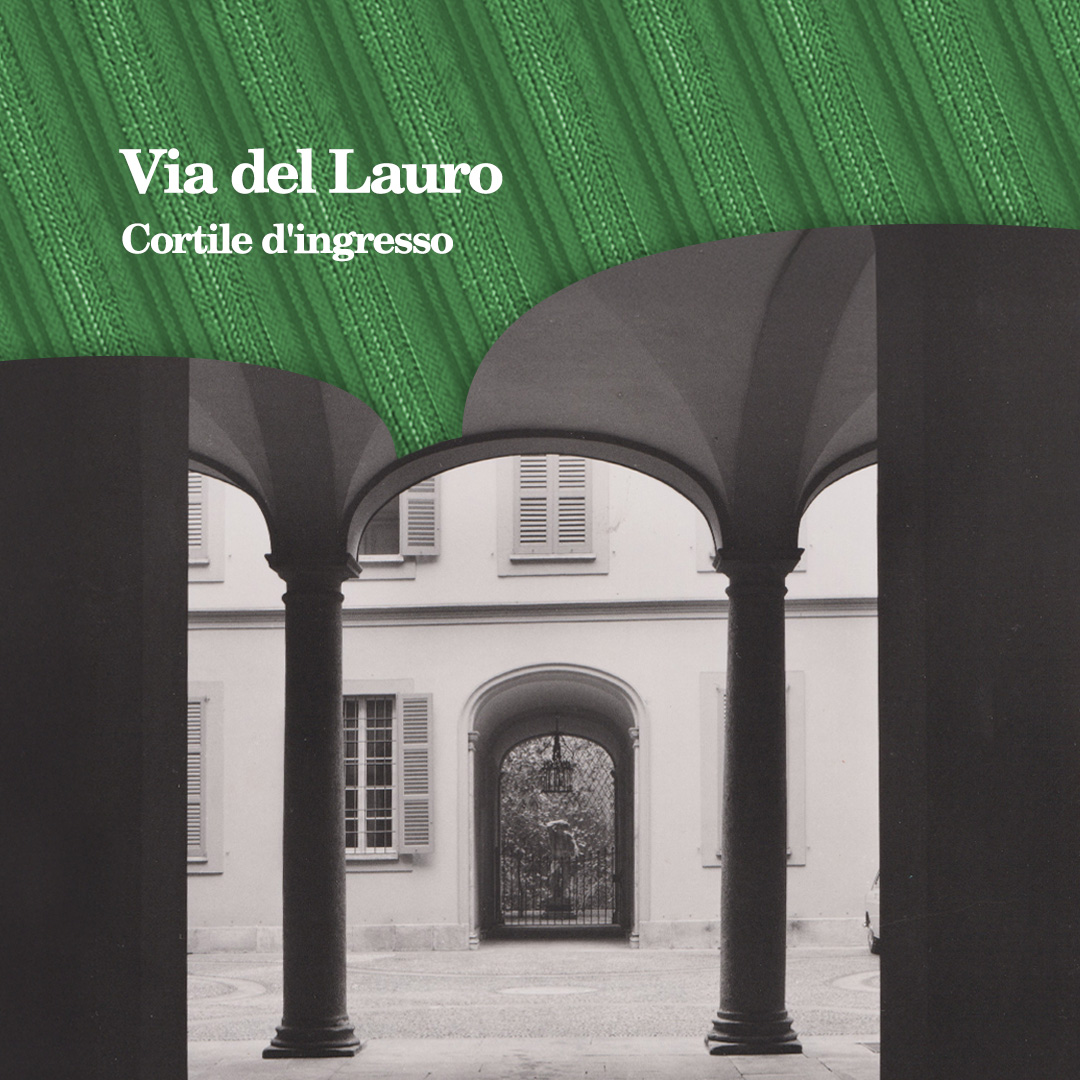
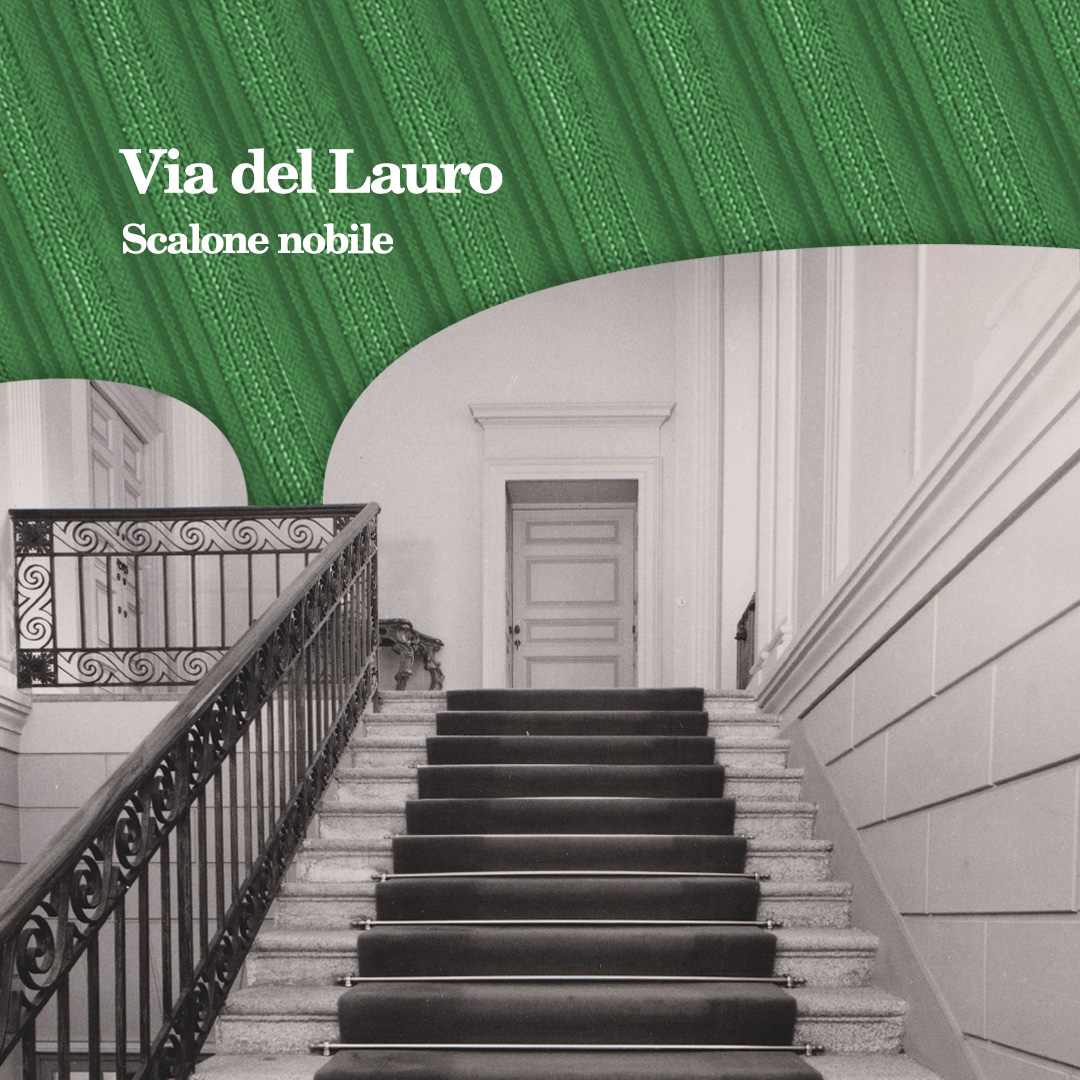
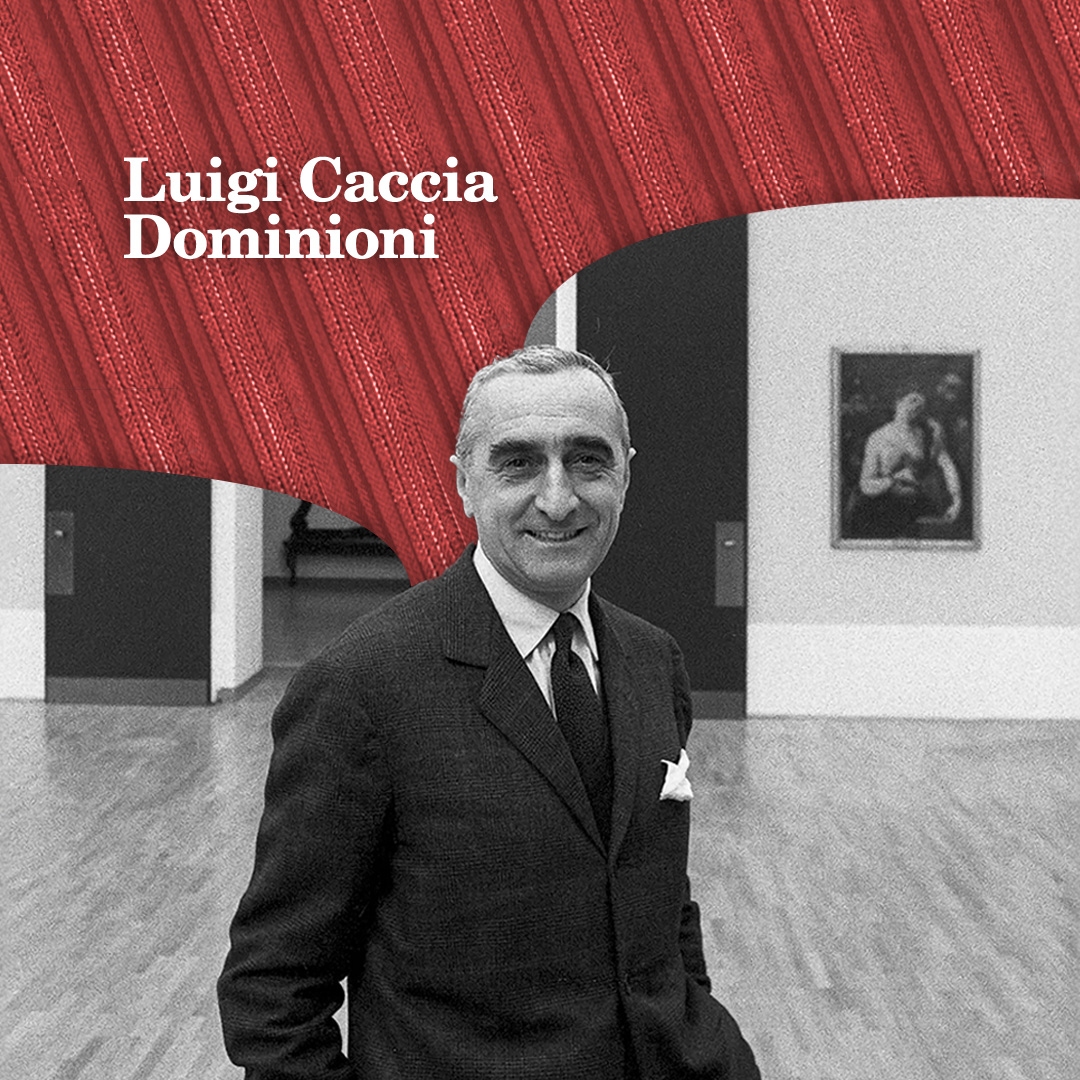
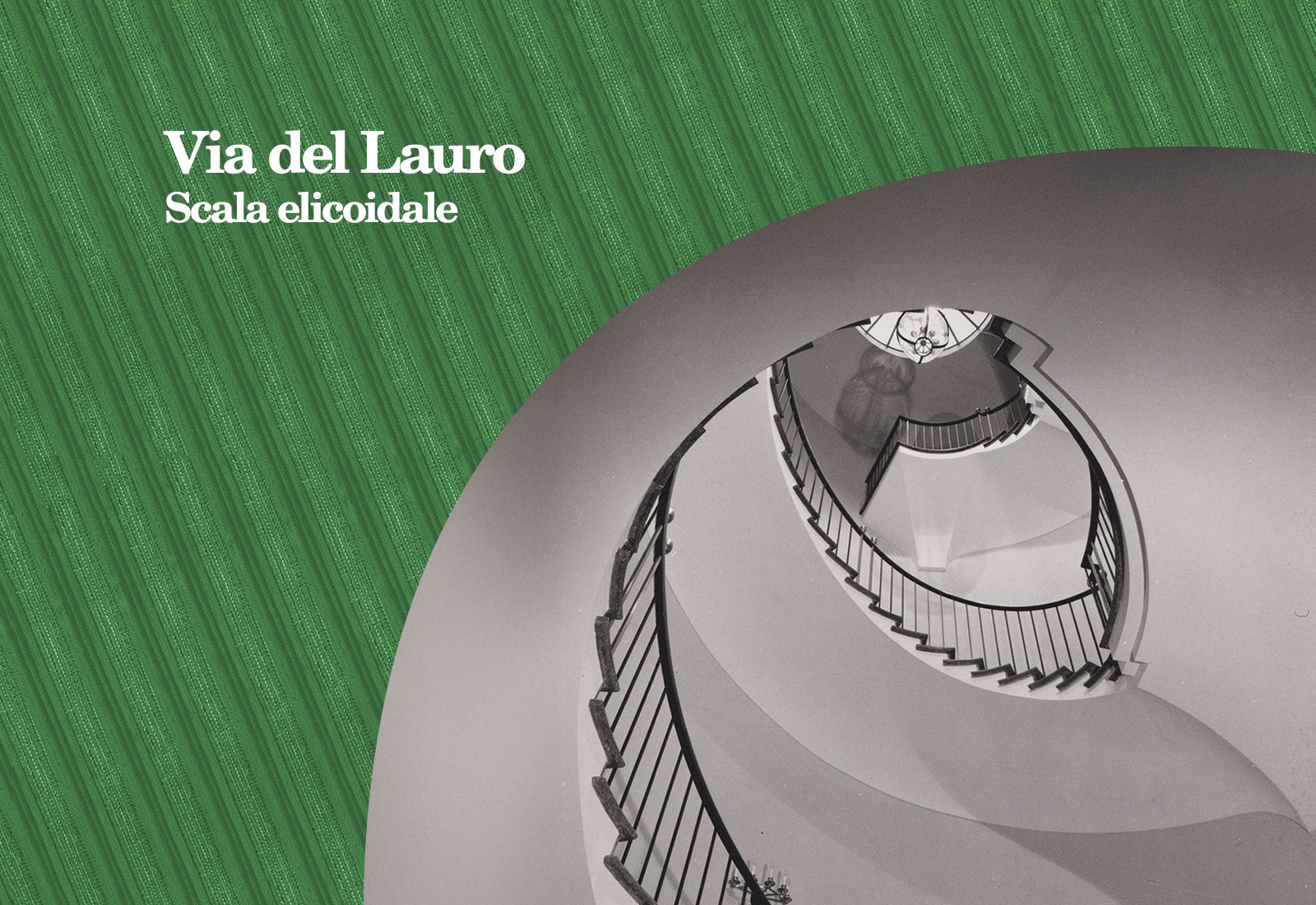
“With the respectful execution of his projects, Luigi Caccia Dominioni always kept faith with the “modernity of his roots”, as is demonstrated (…) by the house with its magnificent staircase in Via del Lauro (1963) (…)” (BALDRIGHI, “Itinerario nella città di Caccia Dominioni”).
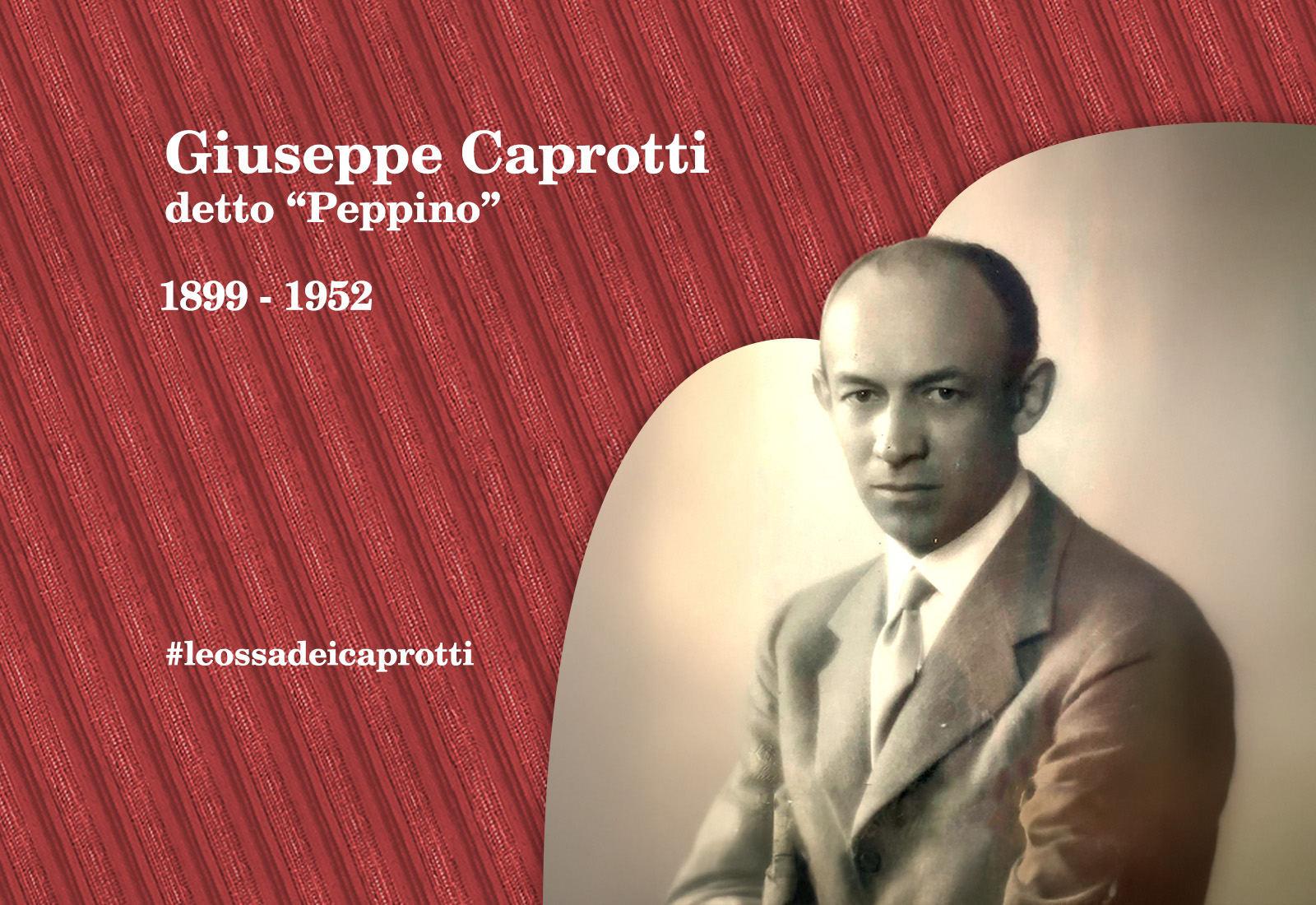
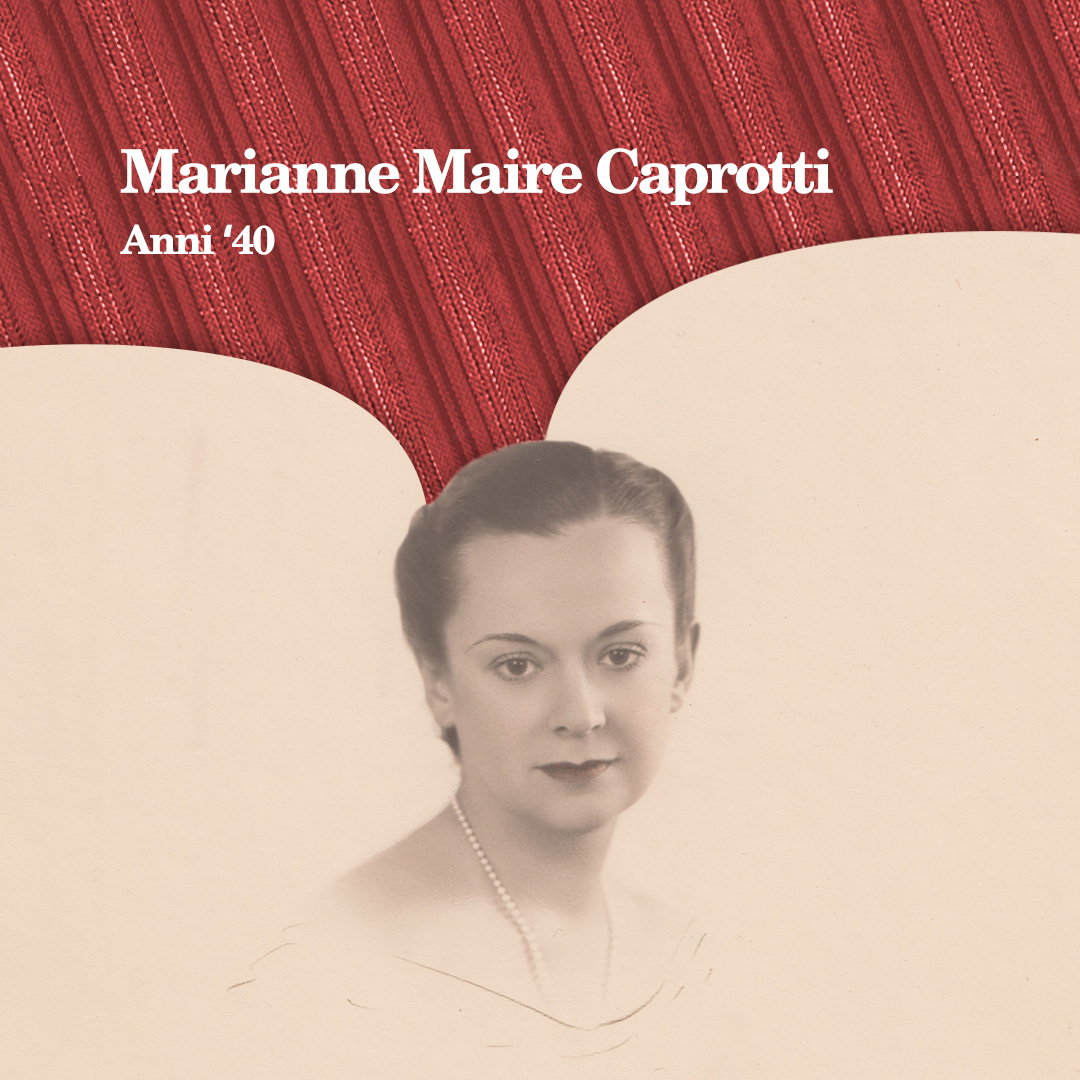
Deciding to have a fixed abode in Milan, grandfather Peppino Caprotti bought an entire building in the very central Via del Lauro (previously they had a flat in Viale Tunisia), in the oldest part of the city, where the great granary of the Roman city was located. The renovation took a long time – I was taken as a child to see it – and was supervised by Luigi Caccia Dominioni (1913-2016), an internationally renowned architect, designer and urban planner. It was his grandmother Marianne Maire Caprotti, a woman of character and firm hand, who convinced him to take charge of Via del Lauro, as well as the villa in Albiate where I live and which still bears evident traces of the great architect’s hand. I met him when he was already a hundred years old, thanks to Luca Gelmini, and he still remembered the combative Mrs Caprotti, whom he had nicknamed ‘the German’ because she was Alsatian, from Epinal: ‘Eh, your grandmother Marianne,’ he told me, ‘had a temper…’.
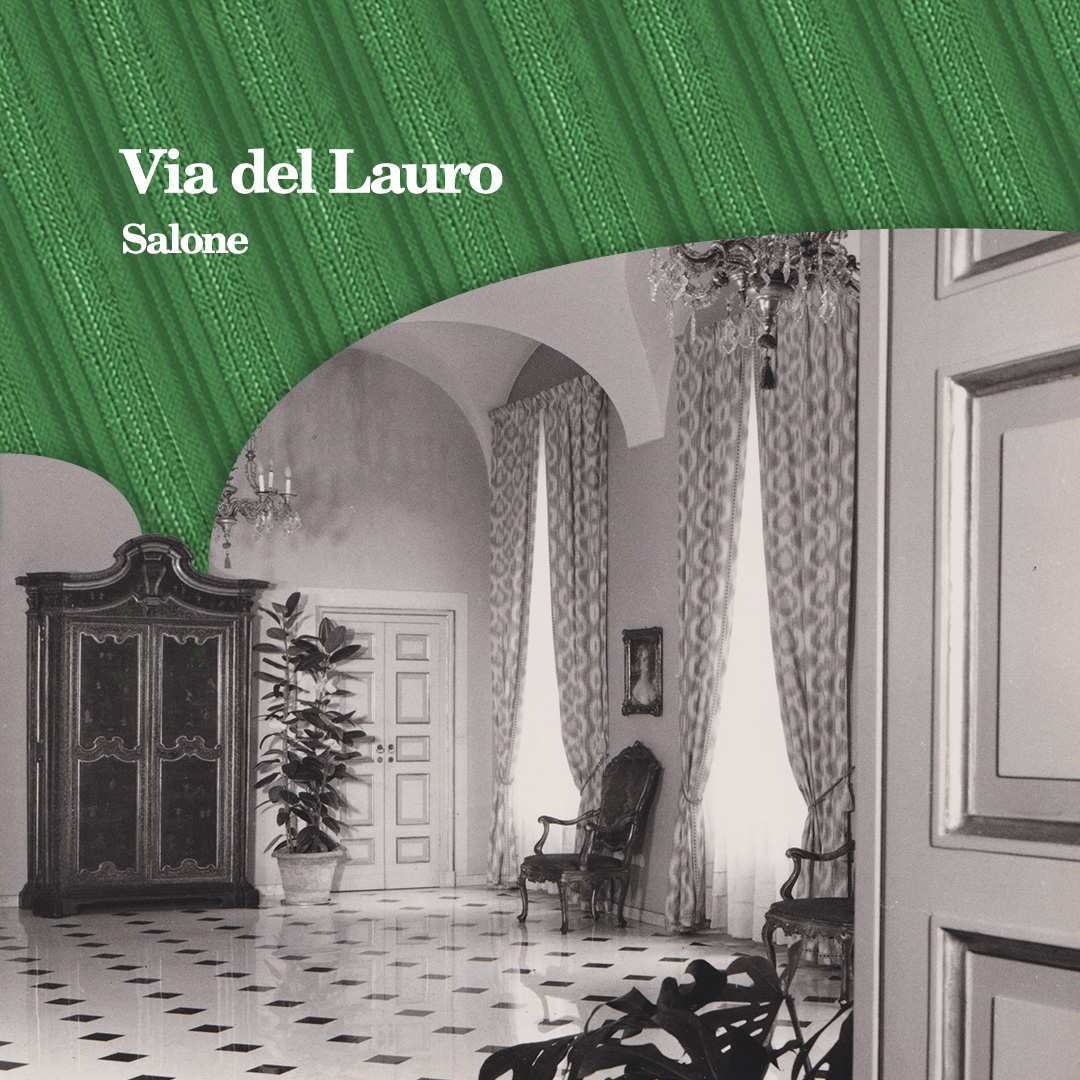
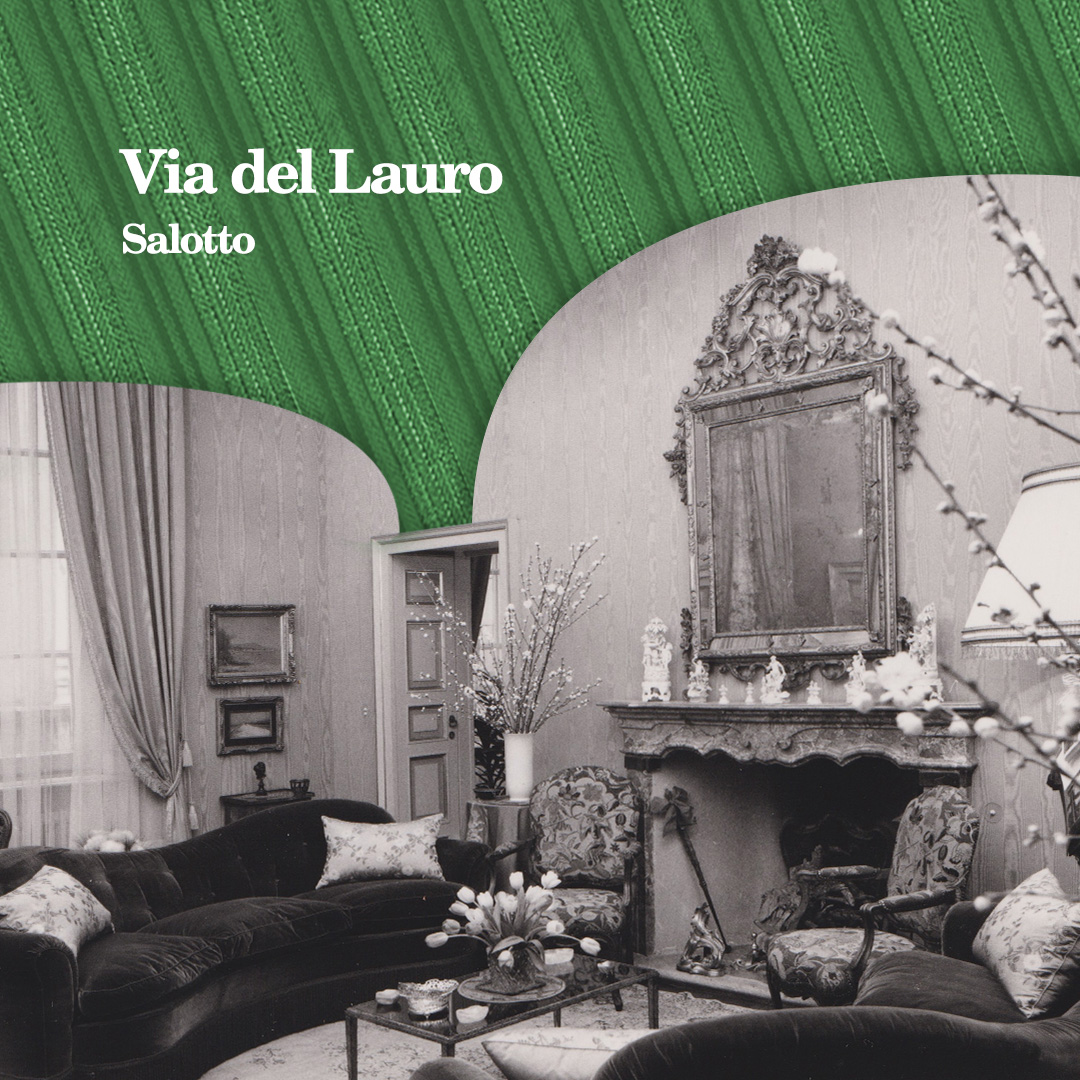
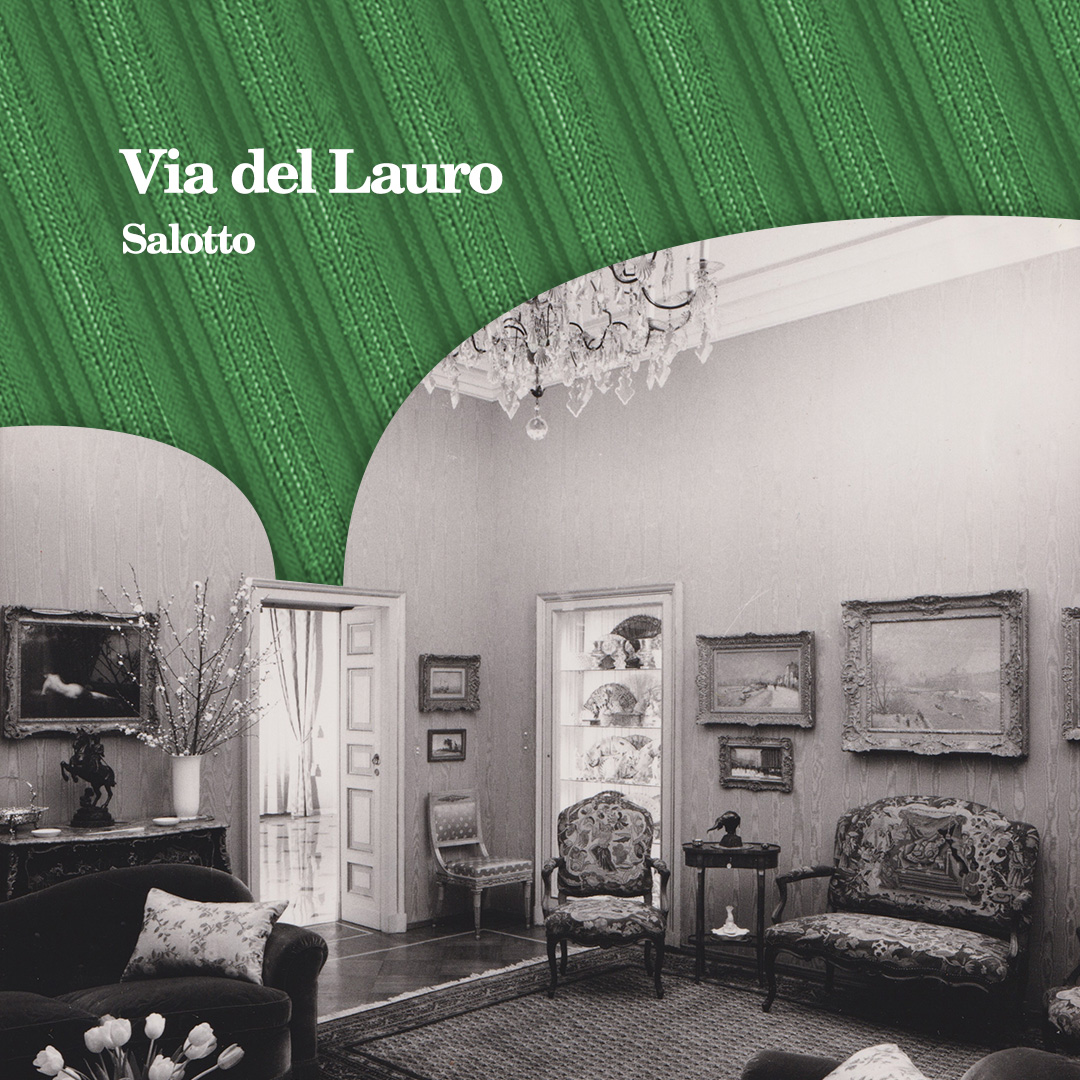
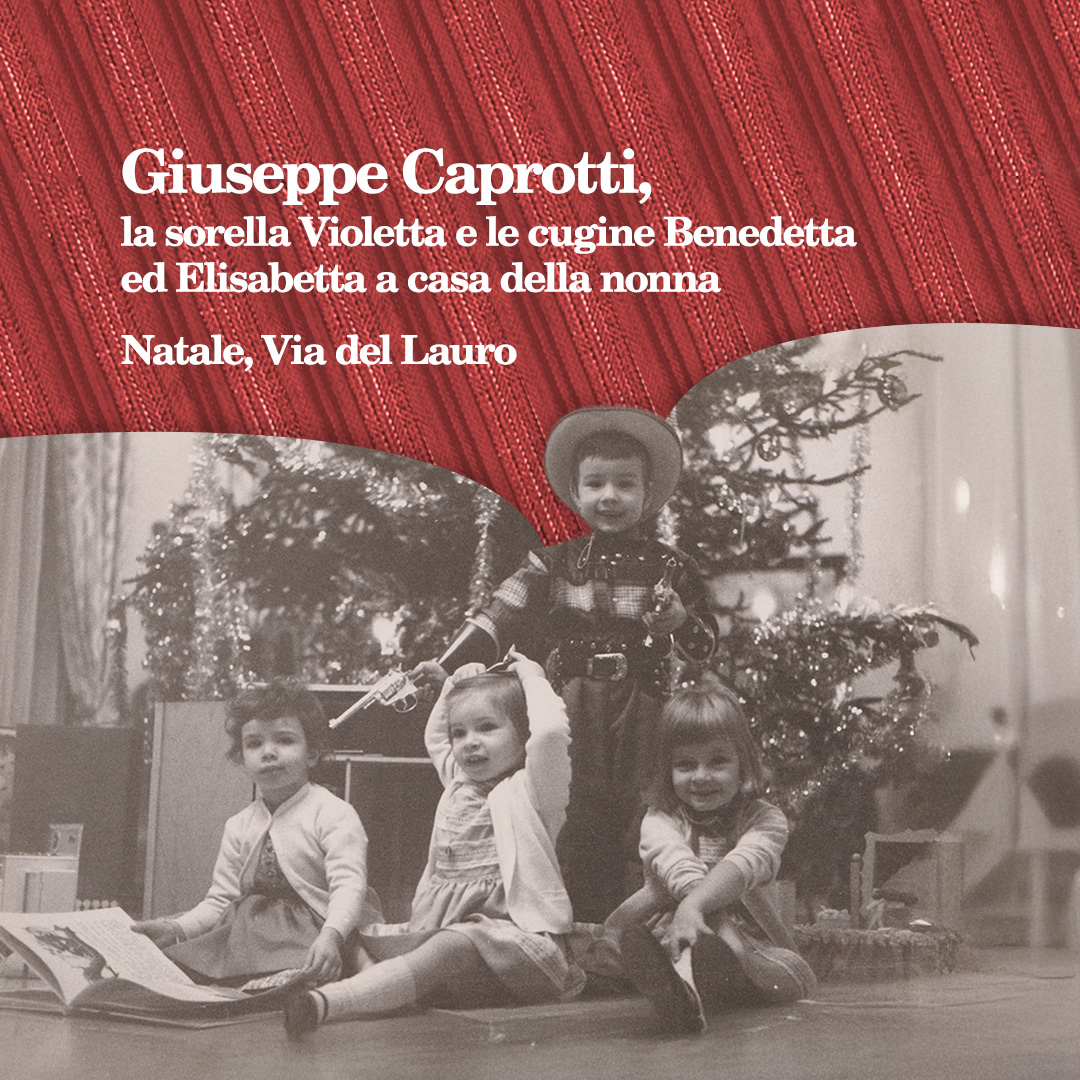
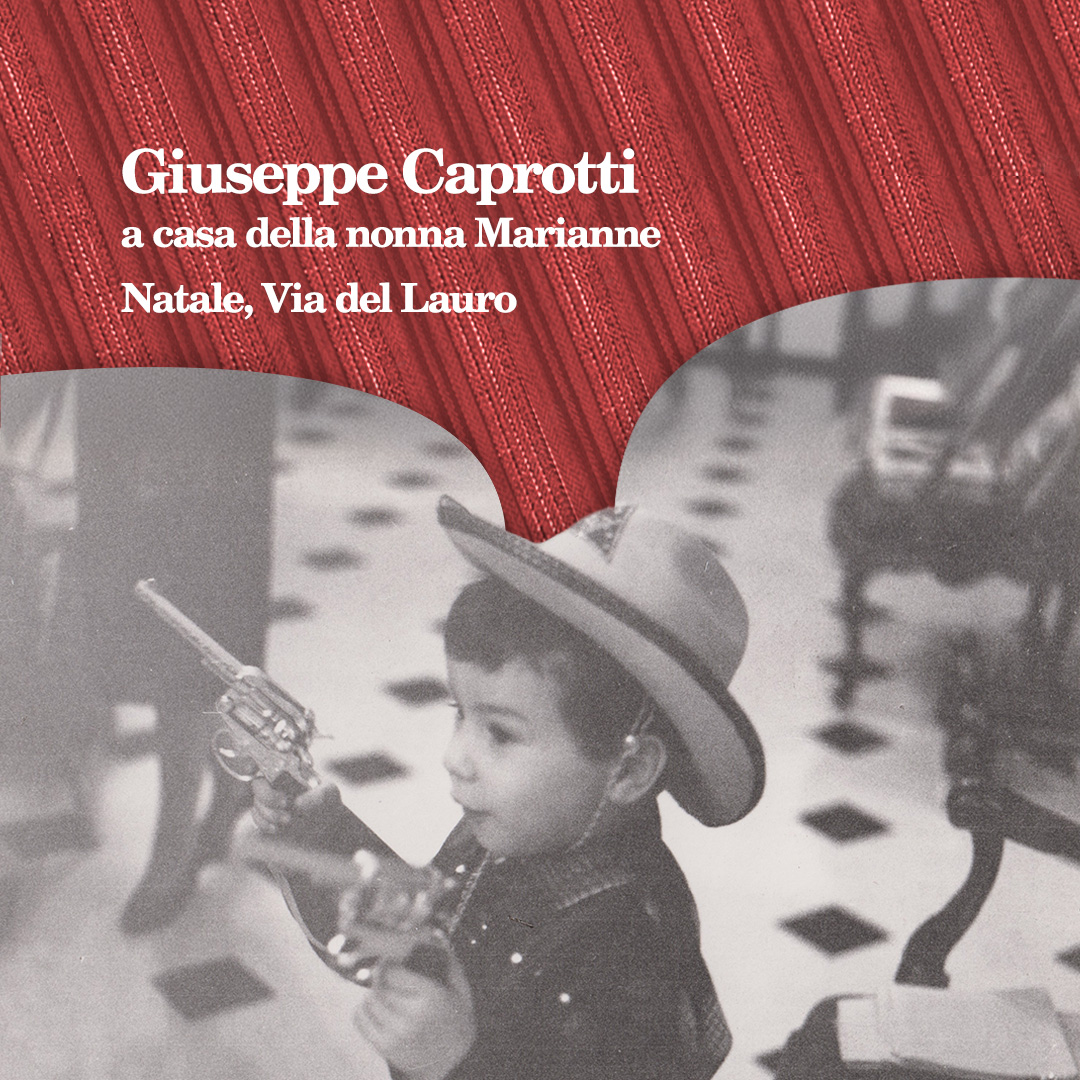
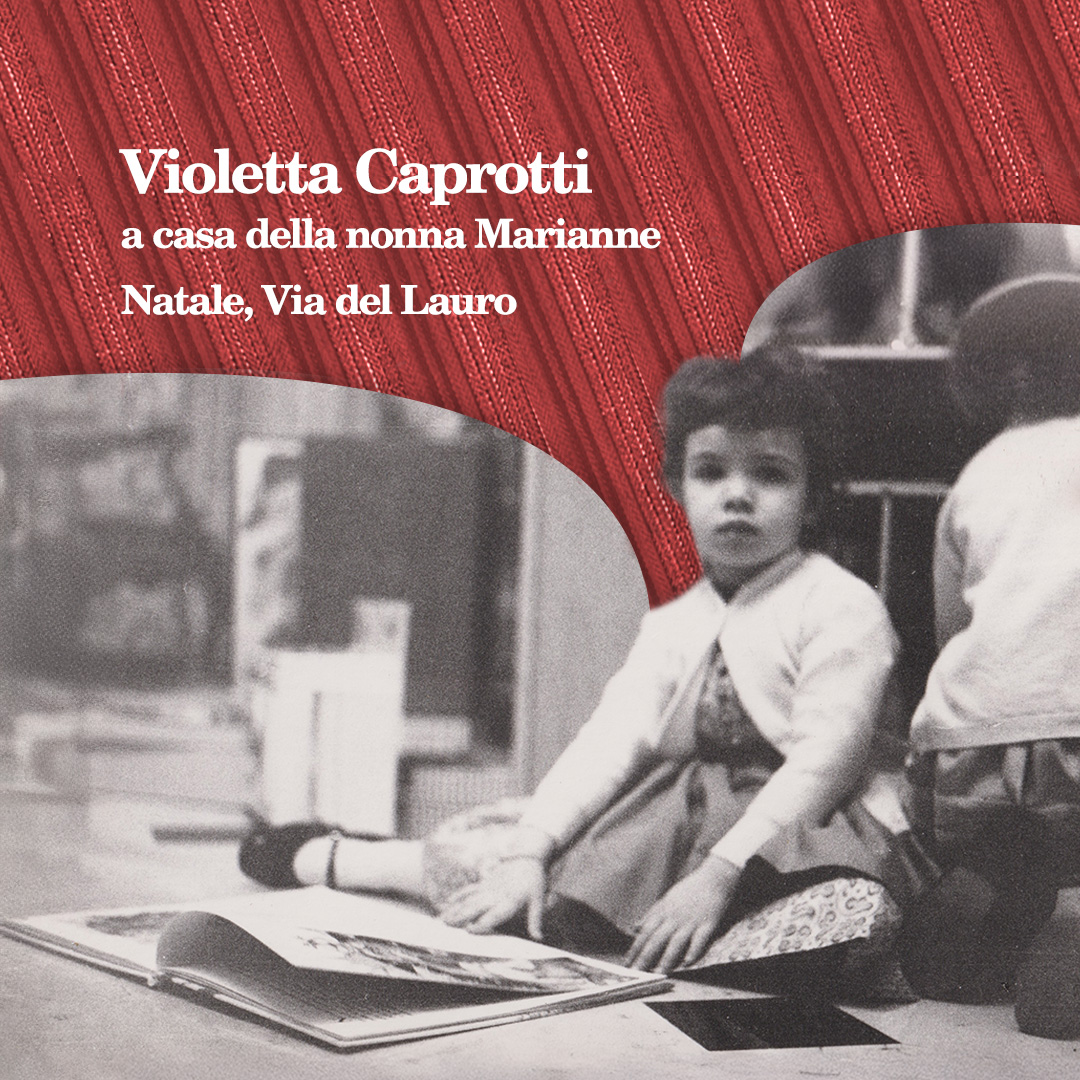
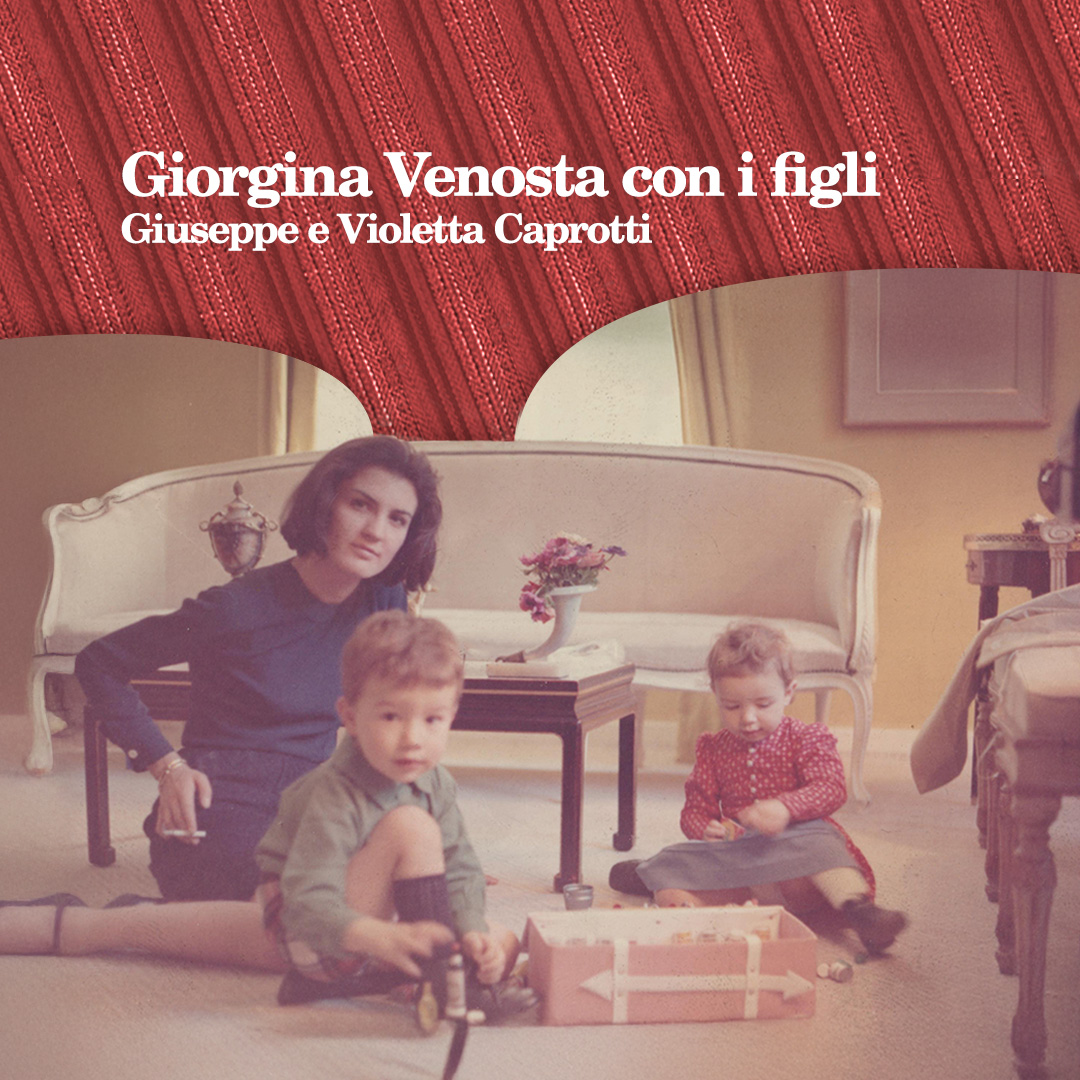
Uncle Claudio Caprotti, my father Bernardo Caprotti‘s last brother, has some pictures in his archive, part of a photo shoot that brings back many memories: the large hall on the first piano nobile, where my grandmother used to live, was the place where the whole family would gather every Christmas when we were little, as can be seen in the photos showing me with Violetta and cousins Benedetta and Elisabetta.
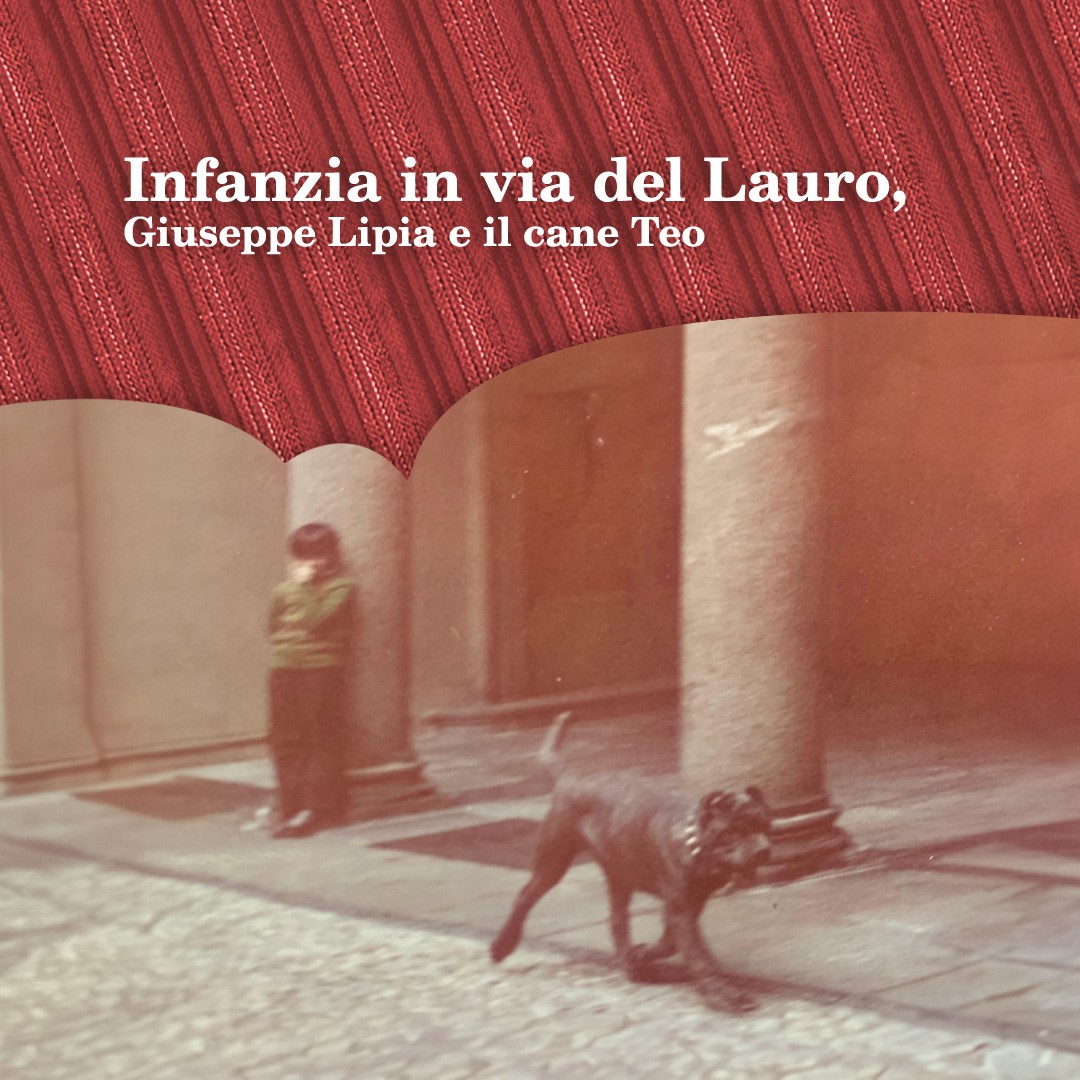
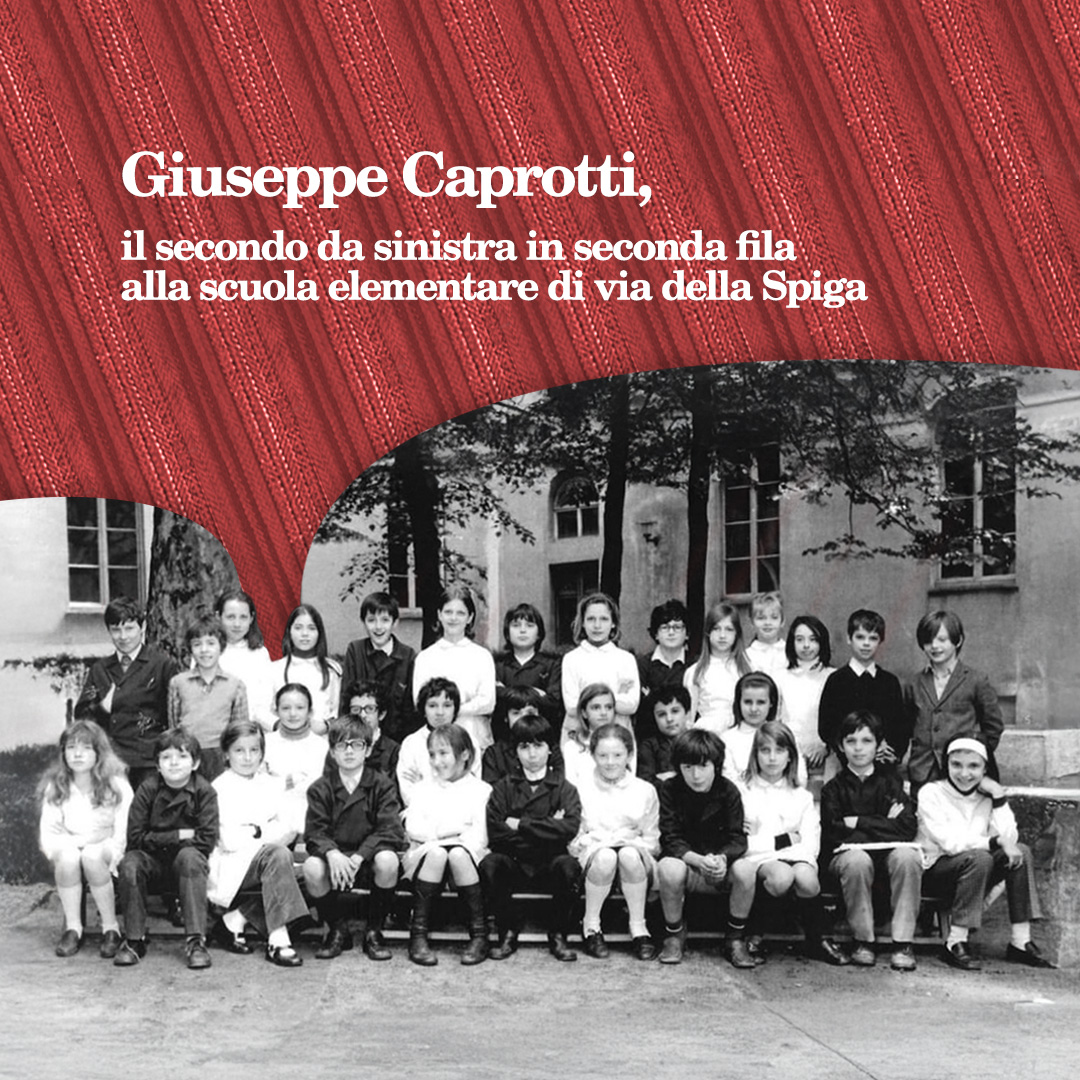
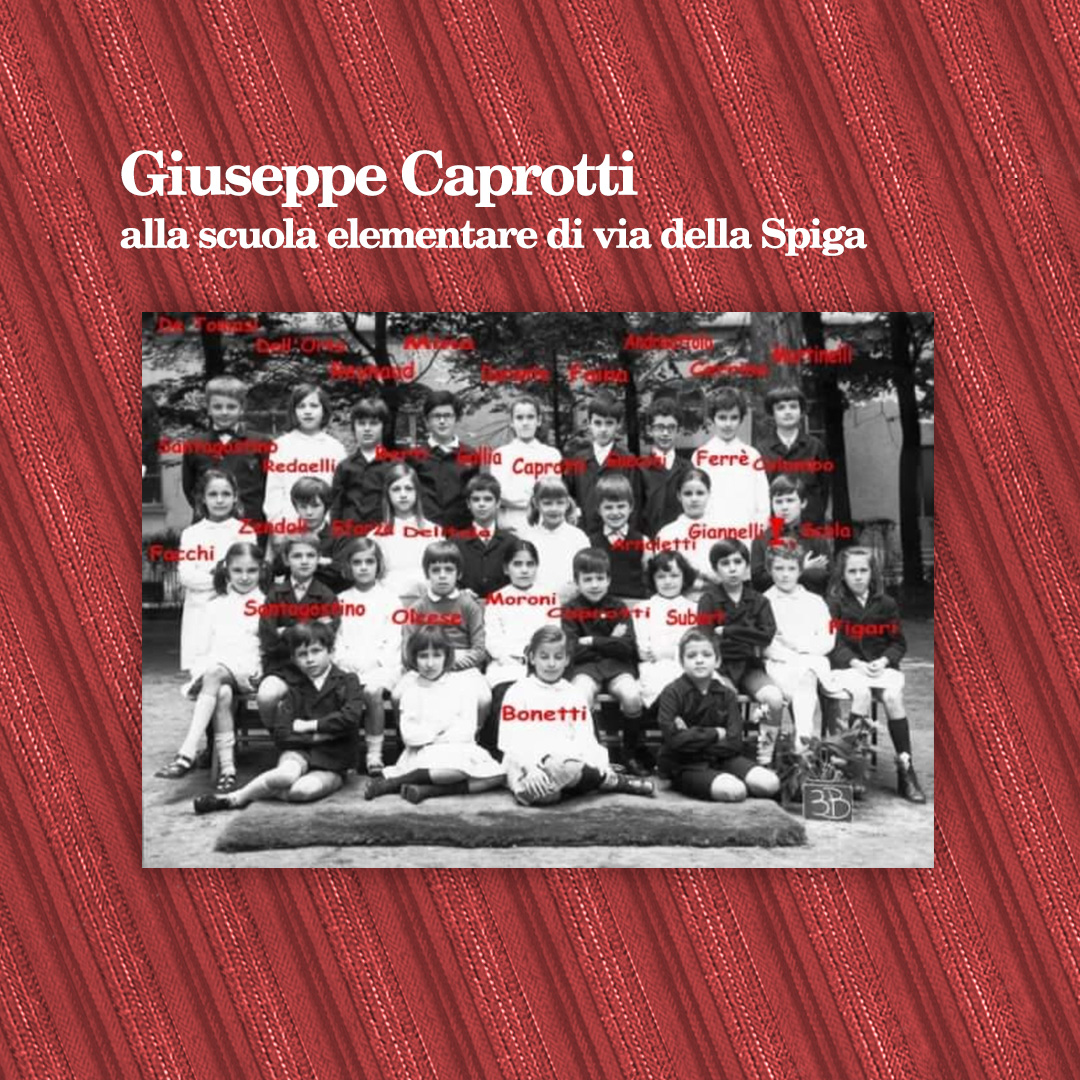
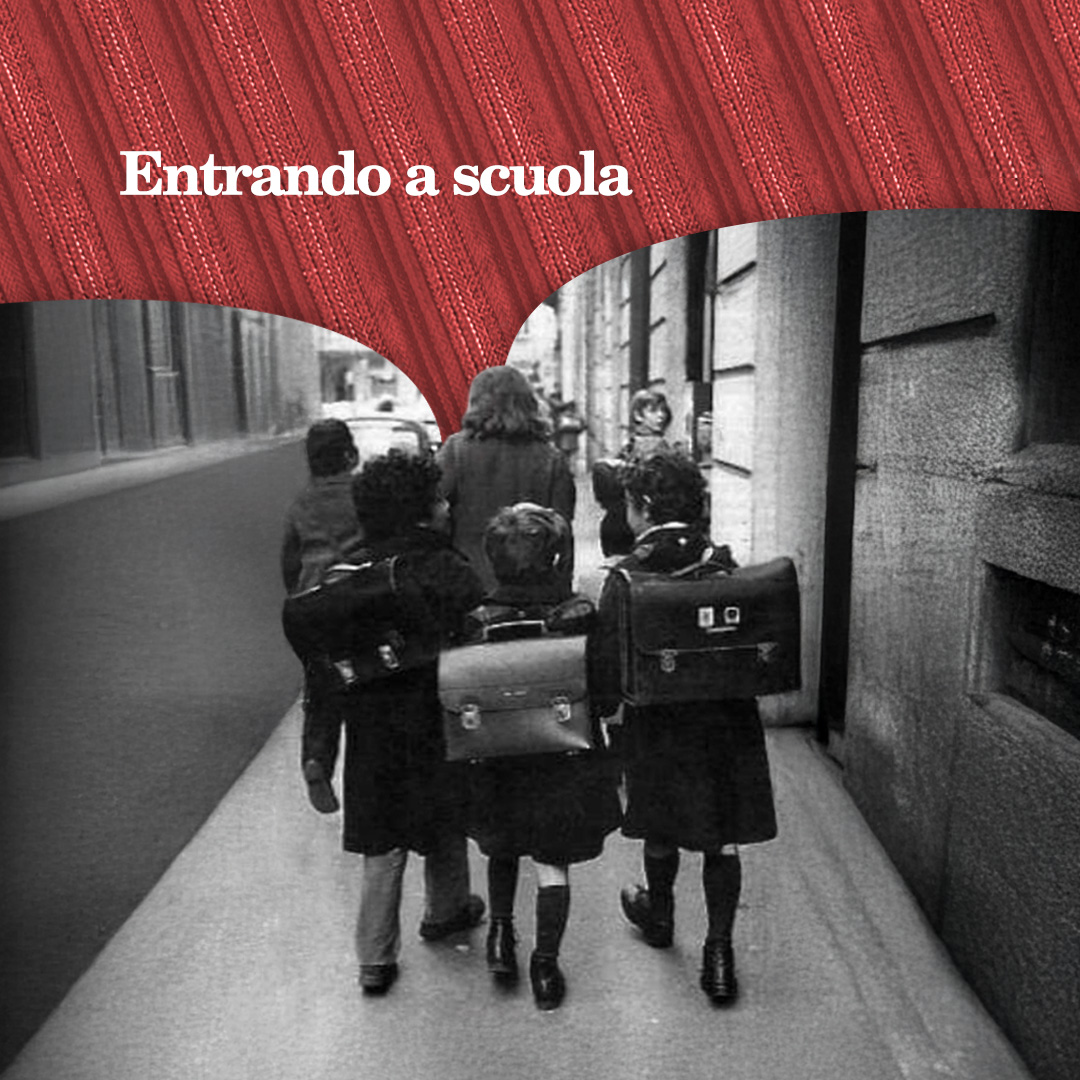
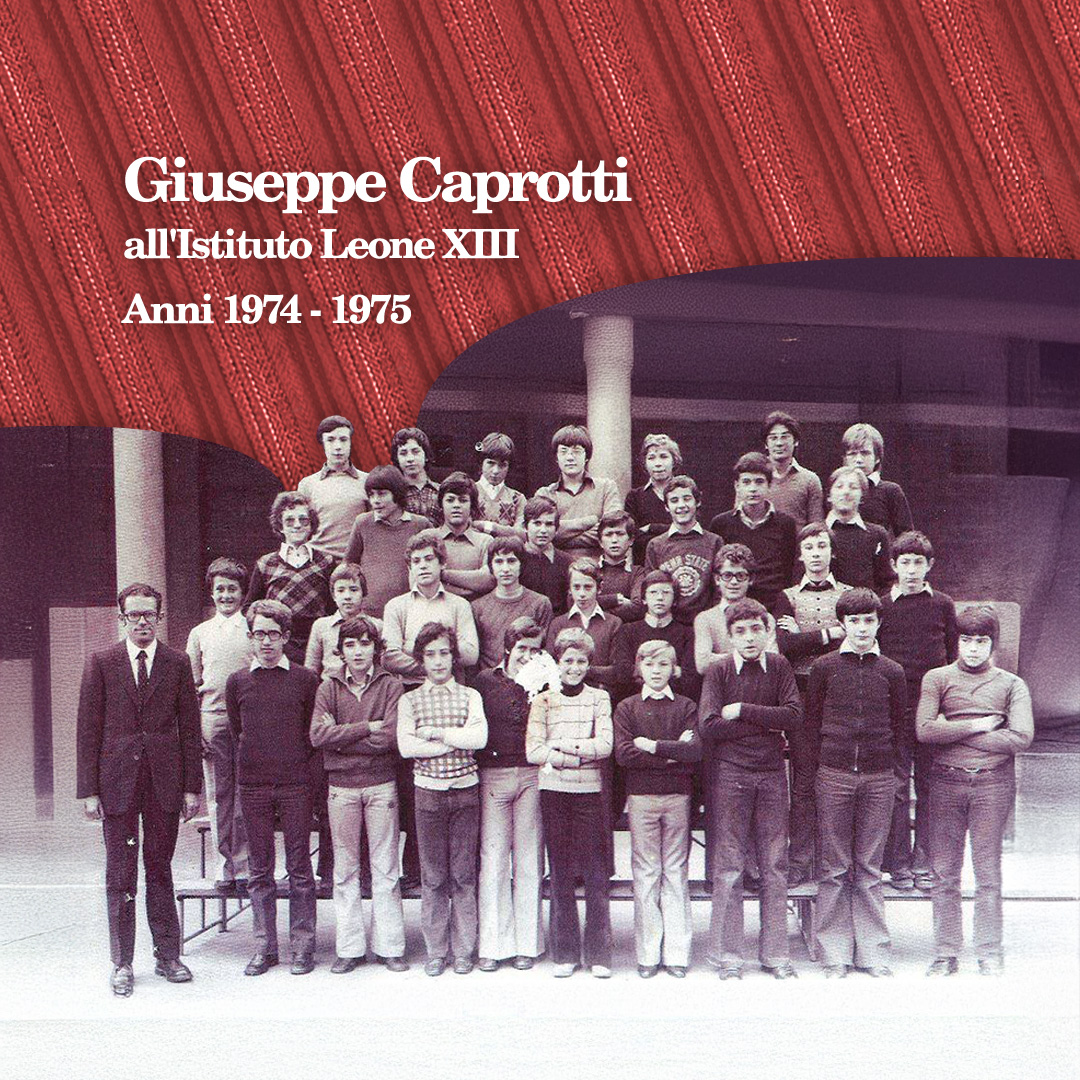
Later, in that house, I experienced other beautiful and important moments. I studied and played there before going to boarding school: I remember parties with my schoolmates from Via Spiga and long ball games with Giuseppe Lipia, with some broken glass; as well as the tear gas during the demonstrations of the ‘anni di piombo’, when I was studying at Leone XIII.
Once I returned there as an adult, during some pause in my education abroad, in the Via del Lauro kitchen I discussed with my father marketing choices that would distinguish Esselunga’s uniqueness for a long time, such as ‘Naturama‘ or organic products.
The beautiful and intensely lived-in house would eventually belong to Giuliana Albera Caprotti, my father’s second wife; my sister Violetta Caprotti and I would find out about it, by chance, much later, when things were done.
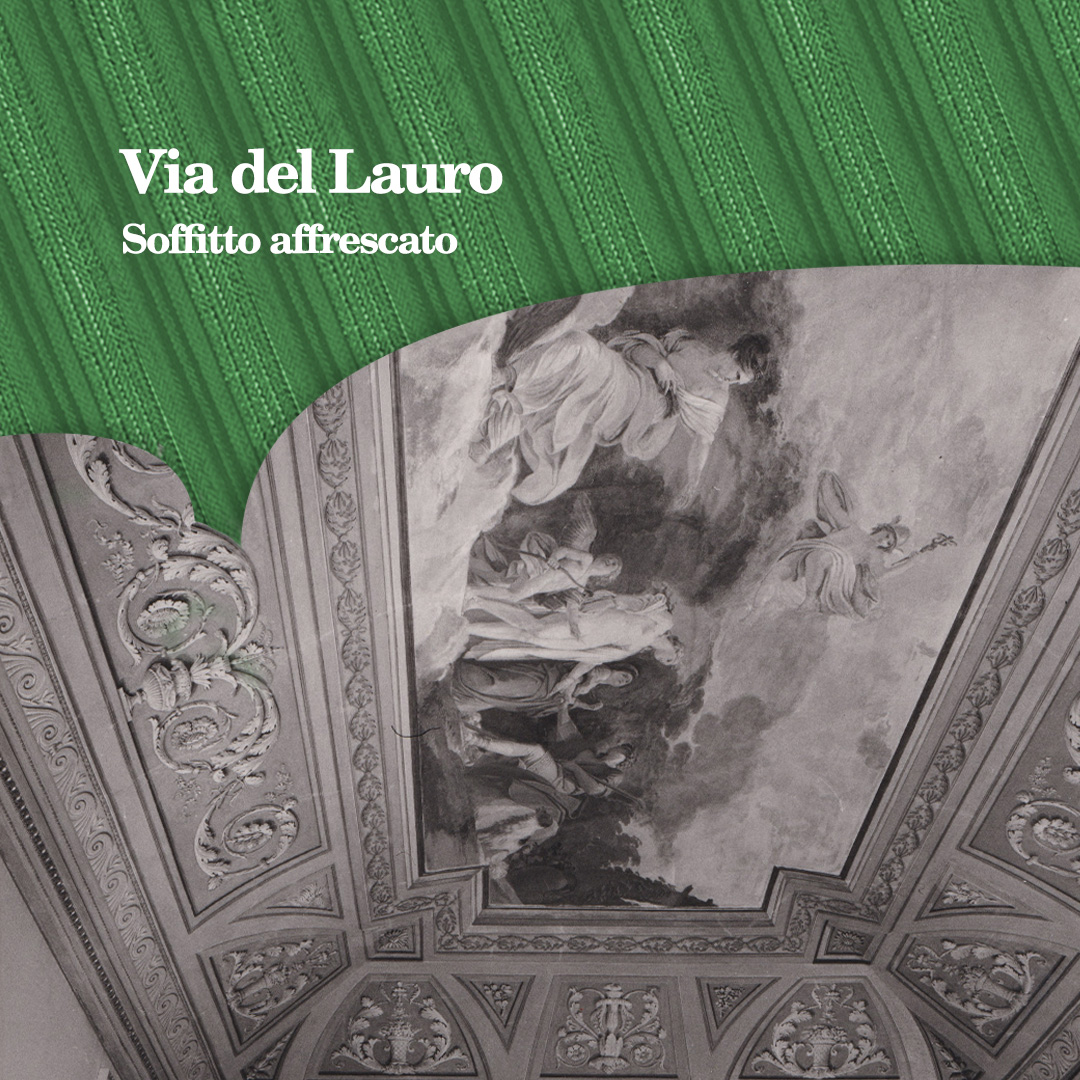
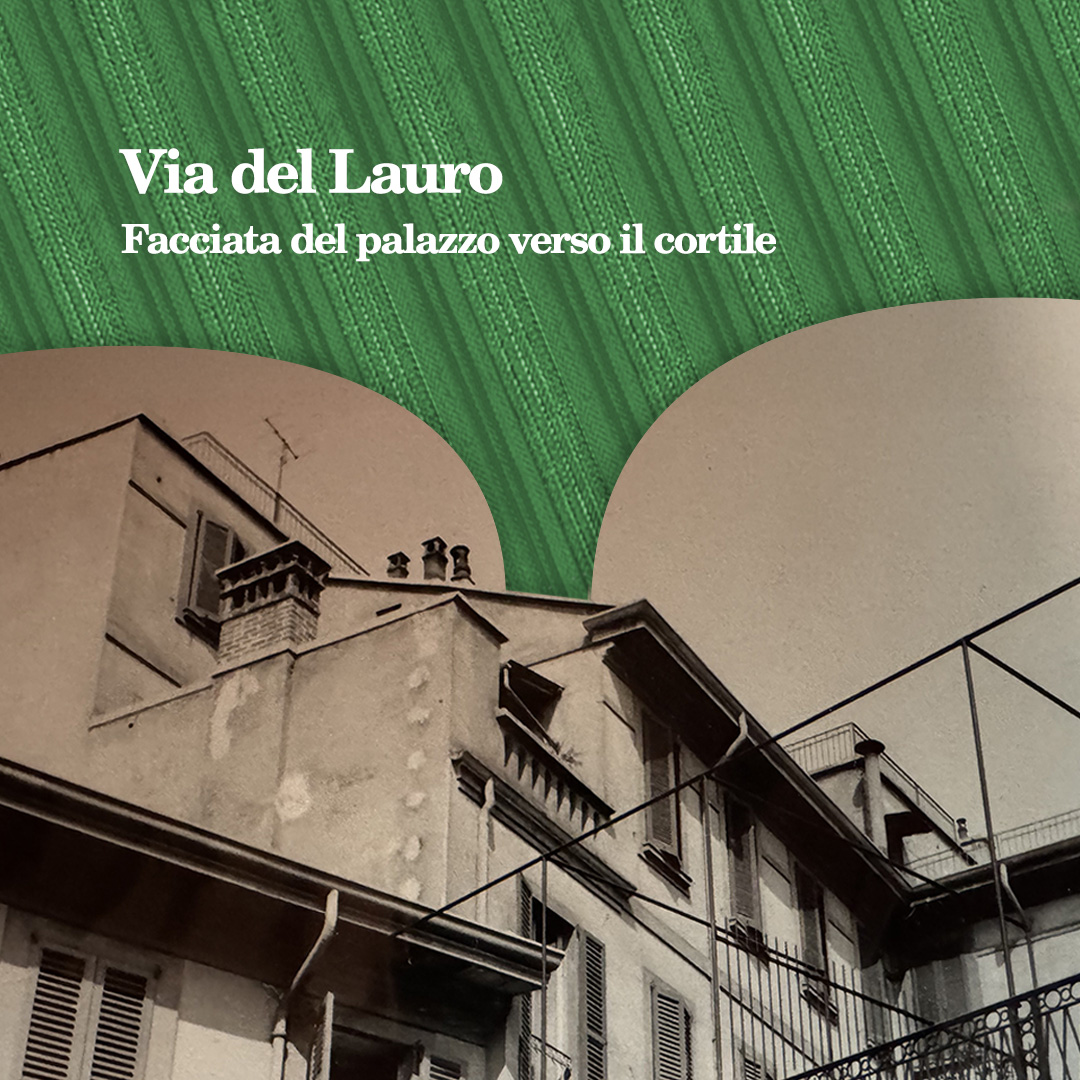
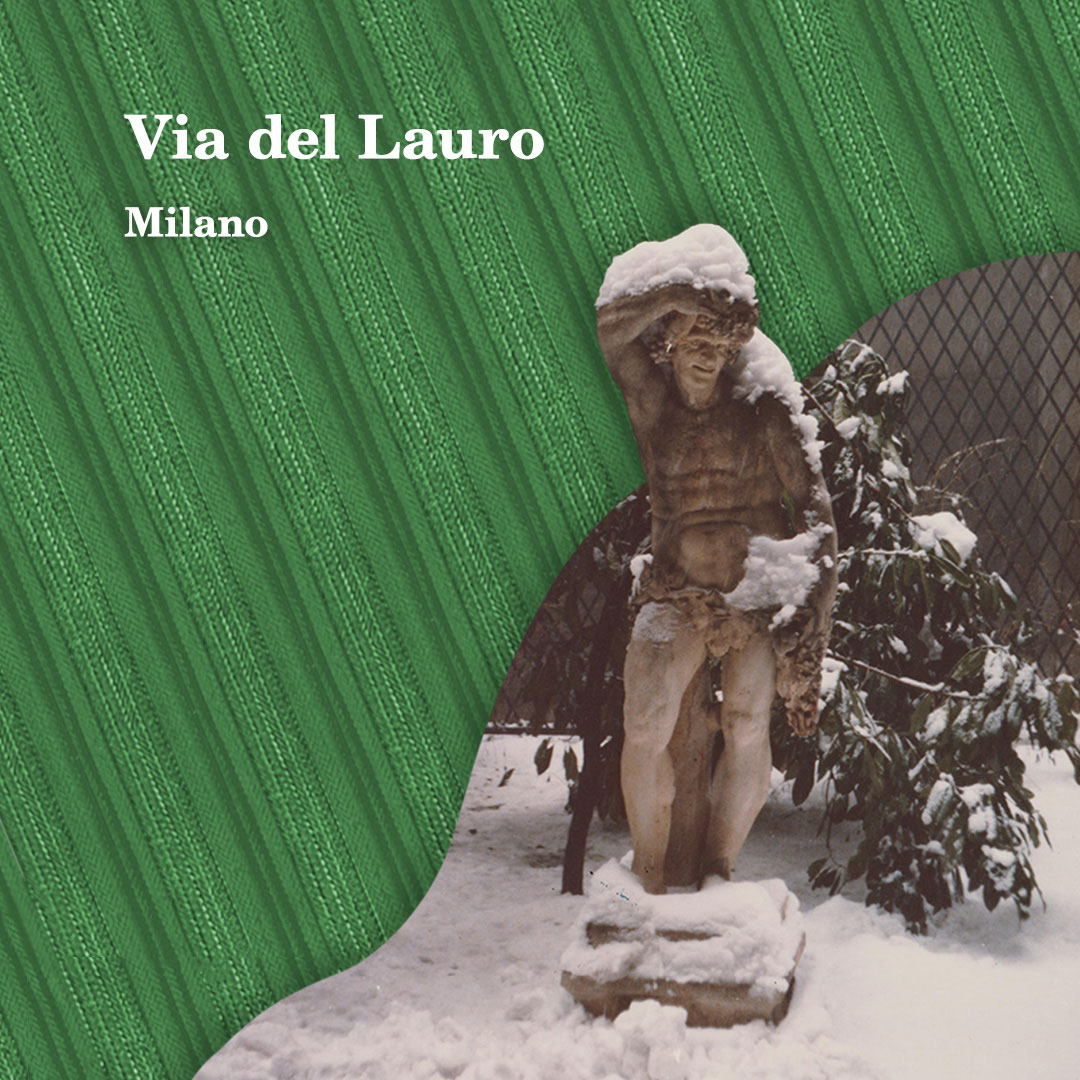
In the pictures of the house, apart from the grandmother’s living room, you can also see some of the rooms, with the staircase that led to her flat, the spiral staircase, the courtyard surrounded by the colonnade and a glimpse of the flat that we would occupy with Laura and the children.
Sources:
Albiate (MB), Villa San Valerio Archives, Photographic Archives.
Florence, Claudio Caprotti Archives, Photographic Archives.
Bibliography:
G. CAPROTTI, “Le Ossa dei Caprotti. Una storia italiana’, Milan, 2024/3.
ID., “Le Ossa dei Caprotti”. Le dimore dei Caprotti: Milano, Via del Lauro. Cues from the book’.
ID., “Le Ossa dei Caprotti”. The Caprotti and the architects: Luigi Caccia Dominioni and the ‘temper’ of Grandma Marianne. Cues from the book’.
L. BALDRIGHI, “Itinerario nella città di Caccia Dominioni“, in “Il Giornale”, 22 July 2015.
Special thanks to Eleonora Sàita