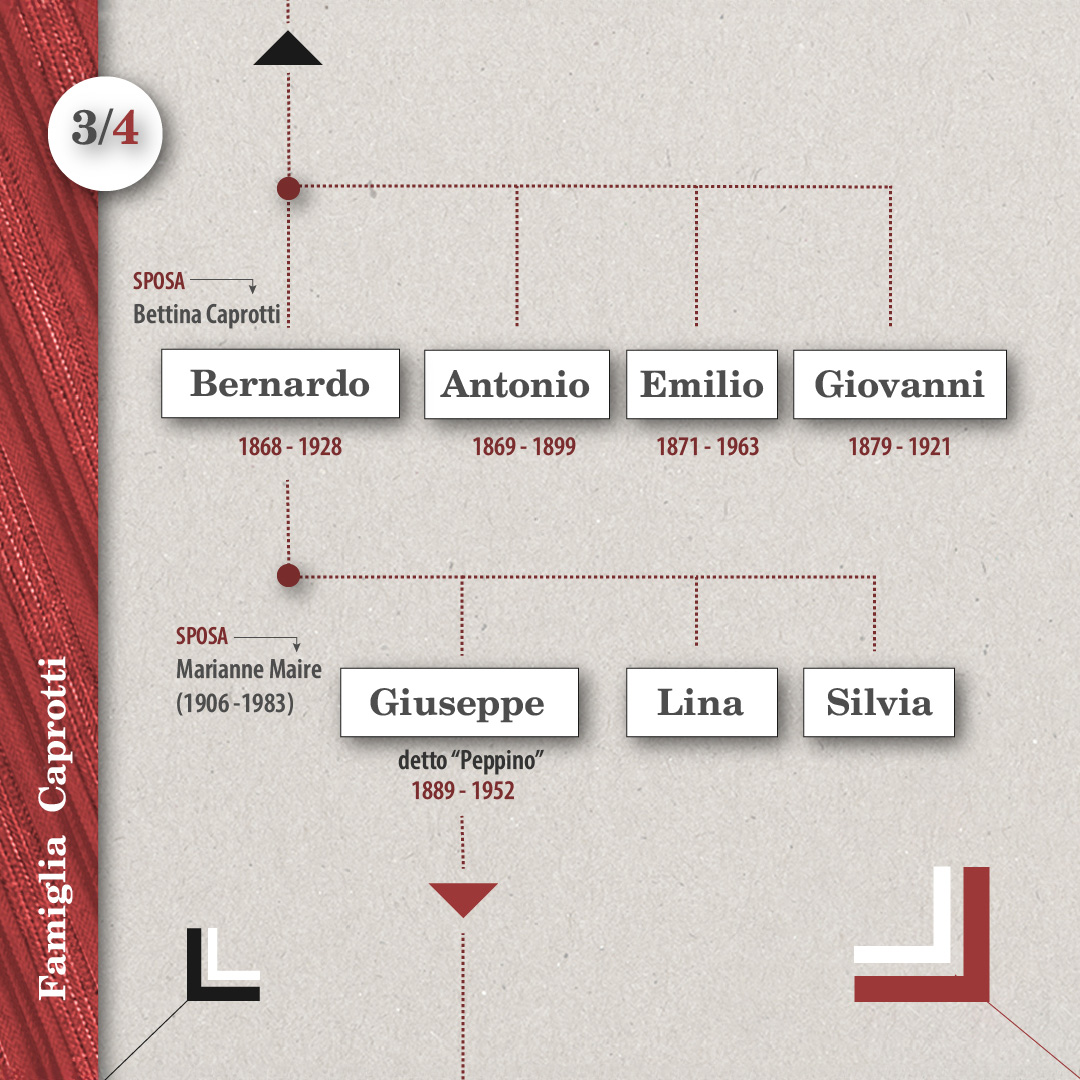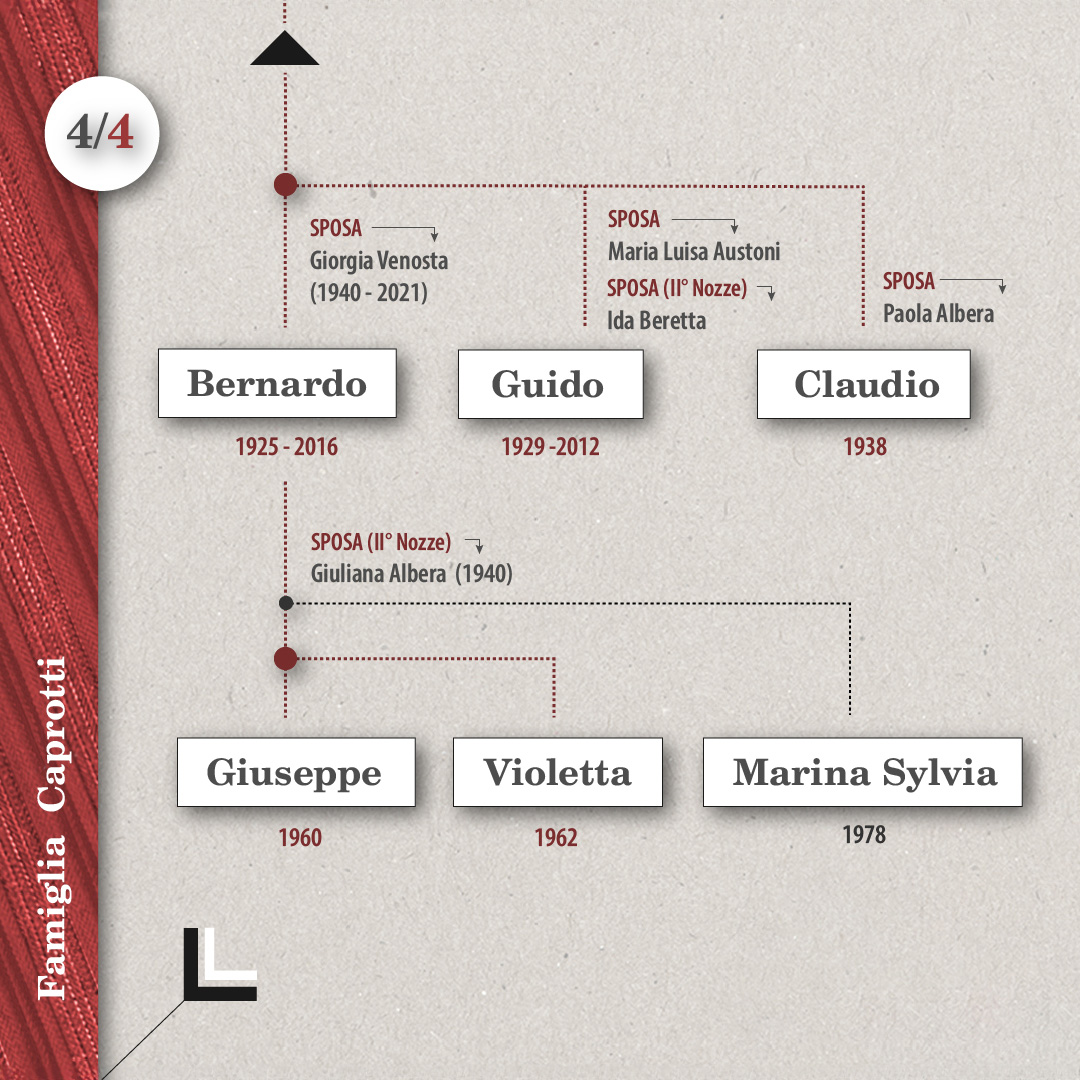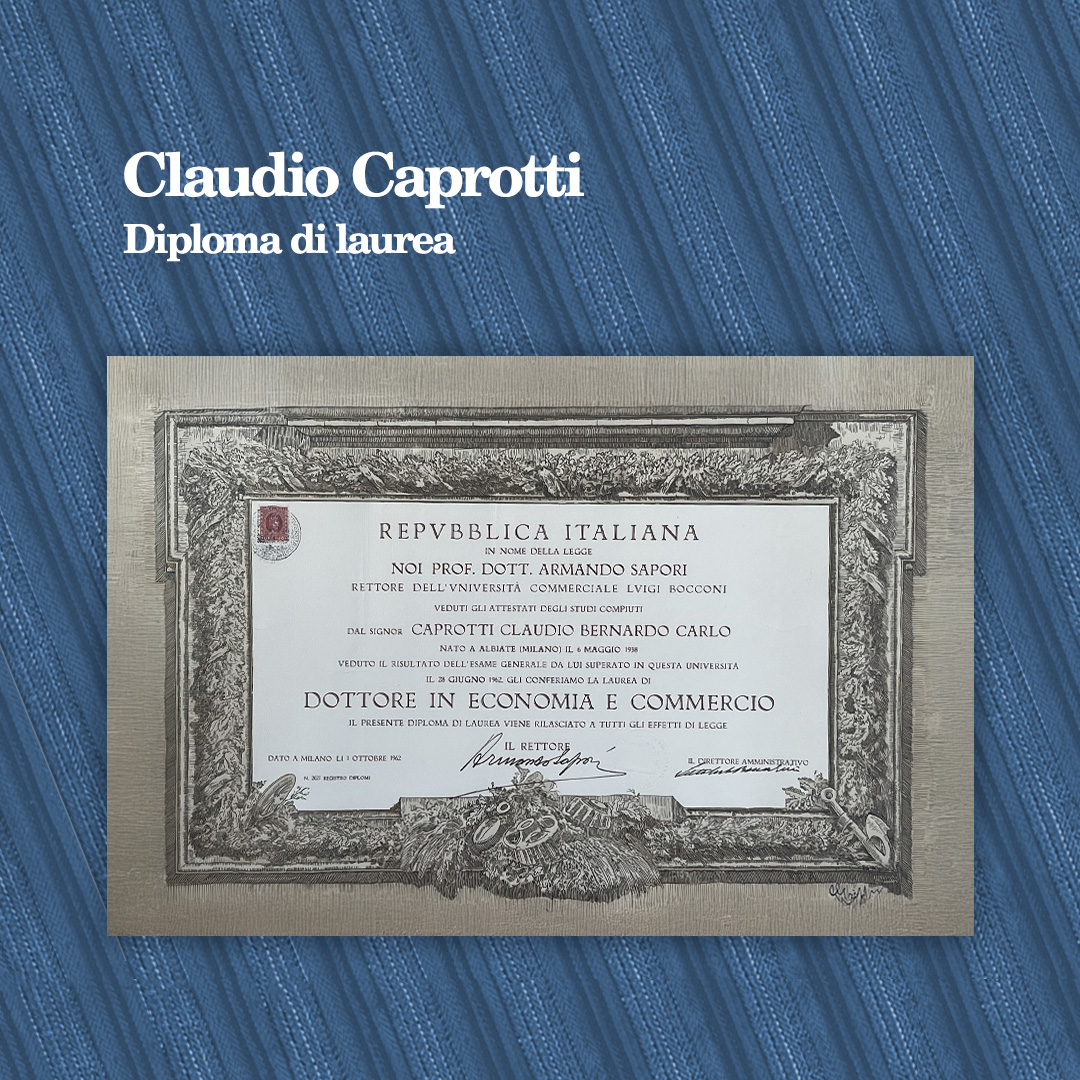
In 1962, Claudio graduated in economics and commerce from Milan’s Bocconi University. To tell the truth, given his strong artistic temperament, he dreams of attending Architecture, ‘but in order to give his work contribution to the family and follow his older brother’, as his mother, my grandmother Marianne, writes in a letter, he gives in to her insistence and turns to a much more useful degree course for those who have brought and are increasingly developing the supermarket in Italy. Once he graduates, he joins the company where my father Bernardo is already working, while my uncle Guido will only ever work in textiles.
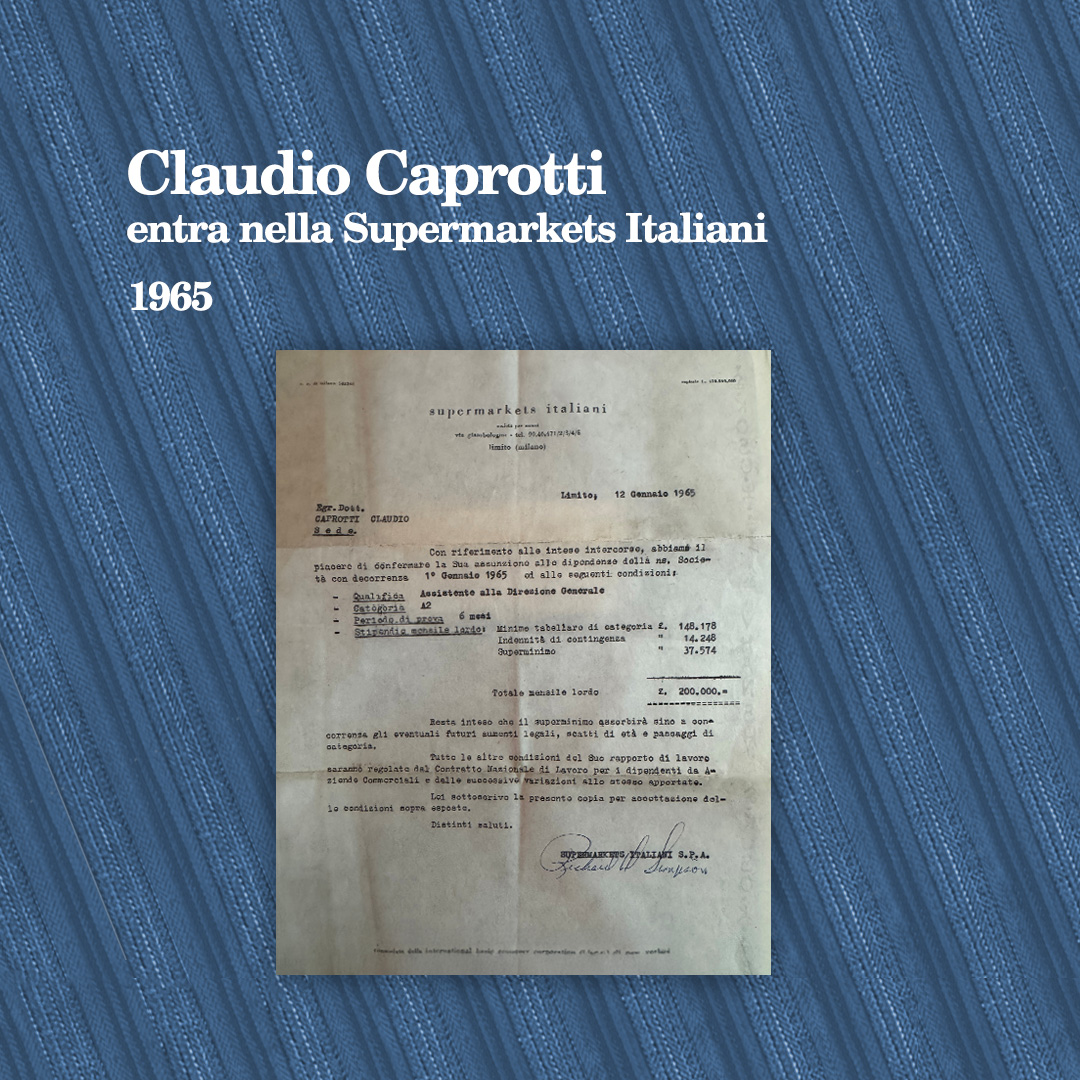
It is from here that we learn how Claudio, in the early 1960s, was sent to Philadelphia for a year, doing an apprenticeship atA&P [Great Atlantic & Pacific Tea Company, Inc. (1859-2016), a former food distribution company that managed supermarket chains in the United States and Canada, ed.], then moving to Colonial Stores in Atlanta, Georgia [a chain of supermarkets once widespread in the southern United States (c. 1900 – c. 1988), Editor’s note], learning on the spot the latest business methods and techniques, which they eagerly demanded in Milan (we have a telegram dated 13 October 1964, addressed to Claudio, asking him to ‘urgently send us photographs of American shopping centre plants’). In January 1965, he was officially hired at Supermarkets italiani s.p.a. (the future Esselunga) by Richard ‘Dick’ Simpson, Nelson Rockefeller’s manager, as Assistant General Manager.
It’s nice, the American period, exciting, you learn, you live in a different reality in everything. Too bad it has to be interrupted because an inexplicable pathology takes Claudio’s eyes, one of his weak points: episodes of sudden blindness that last a few hours and no one can explain happen to him. It turns out later that the damage – fortunately totally reversible – is caused by an anti-inflammatory eye drops used perhaps too often, but of course the family is frightened and sends him back to Italy.
The disease heals completely, but lasts a long time. The uncle recounts that in this dark period (literally) my father Bernardo, who until then had mostly invested in Supermarkets but still had the soul of a textile entrepreneur, begins to frequent Supermarkets more and more and realises that it is a fun thing, as well as economically interesting. When Claudio, rehabilitated and with all his fine American ideas in his pocket ready to be used, shows up at the company, he is no longer able to get to the position for which he has been preparing for so long and is ‘shunted’ to Florence, originally for three months, actually for the next 50 years.
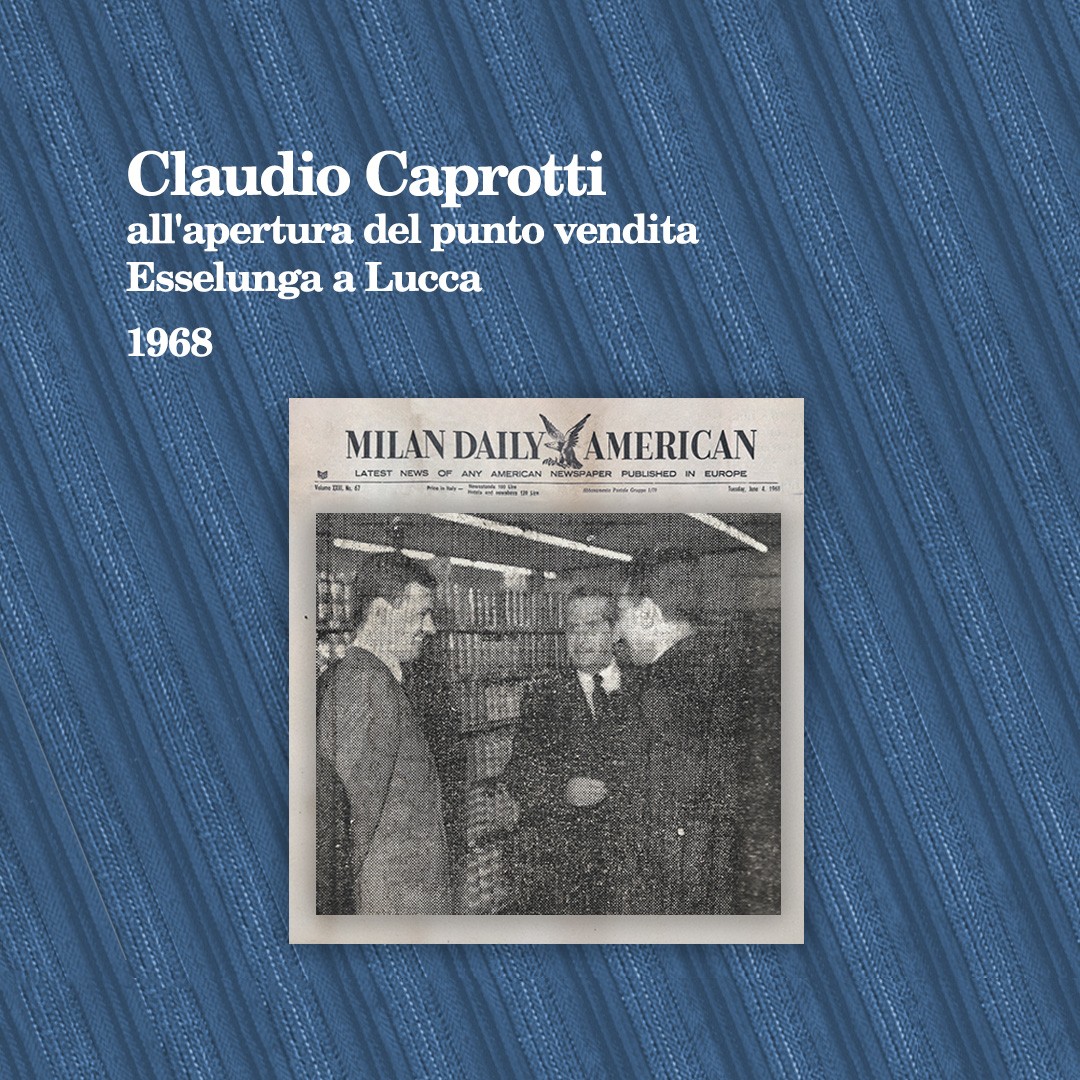
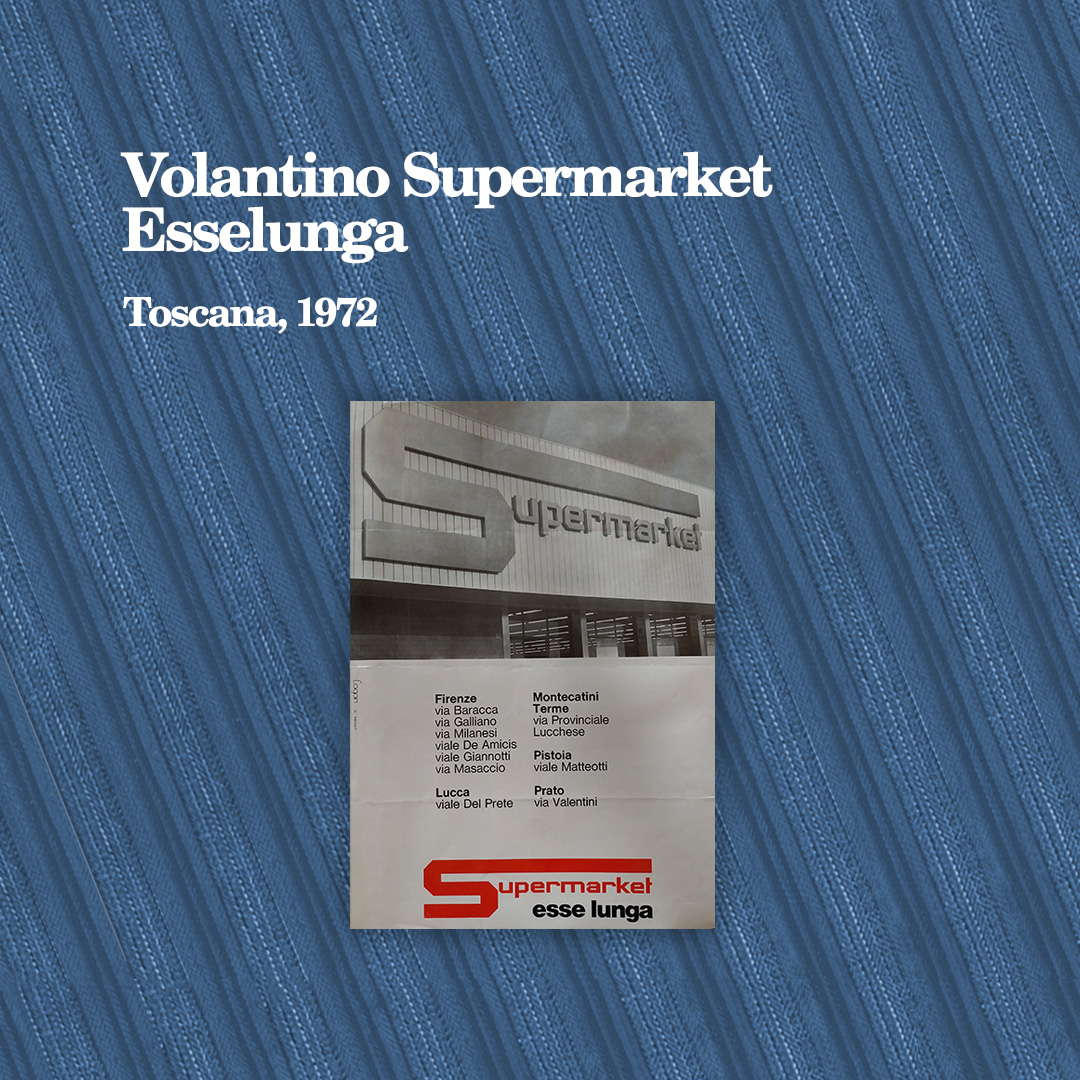
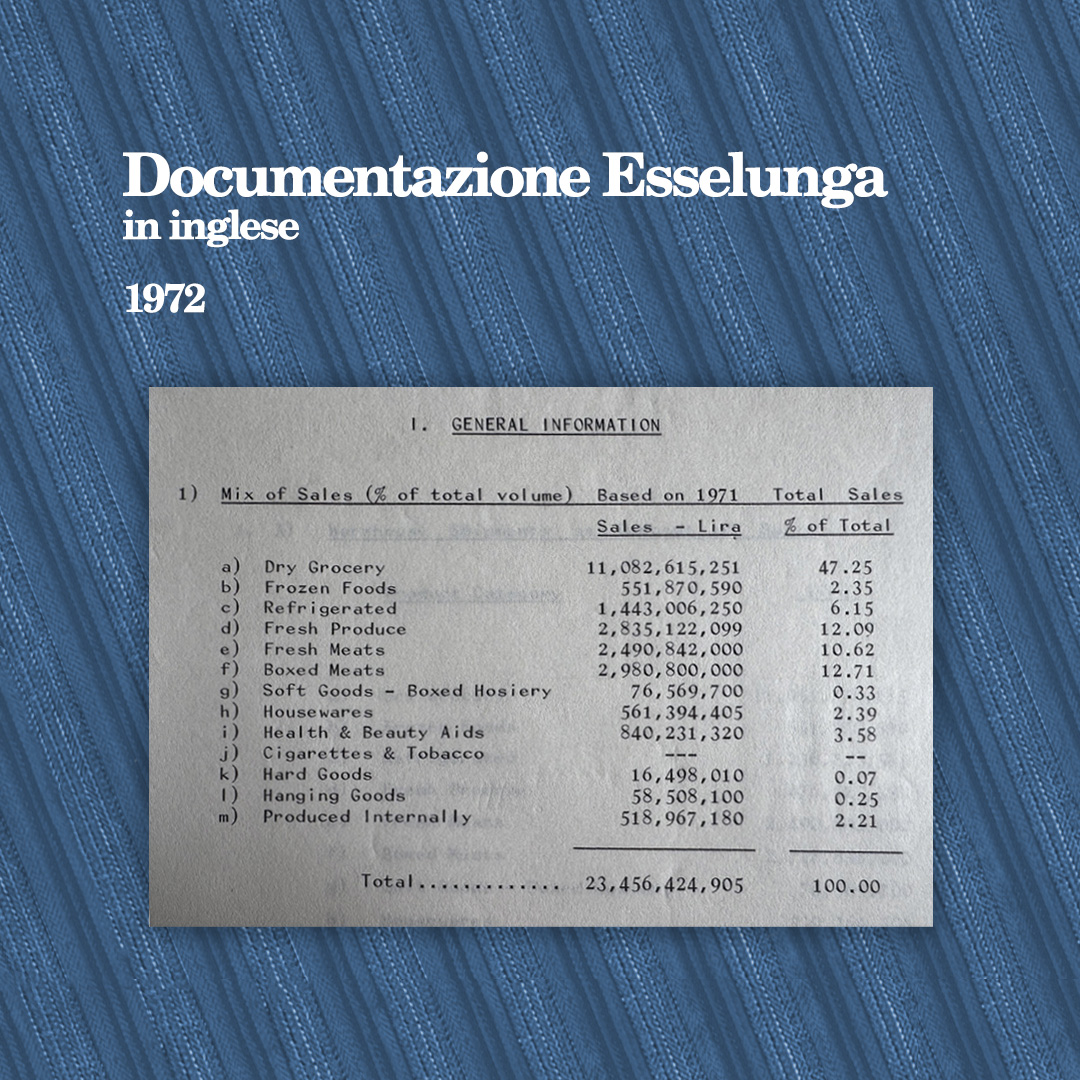
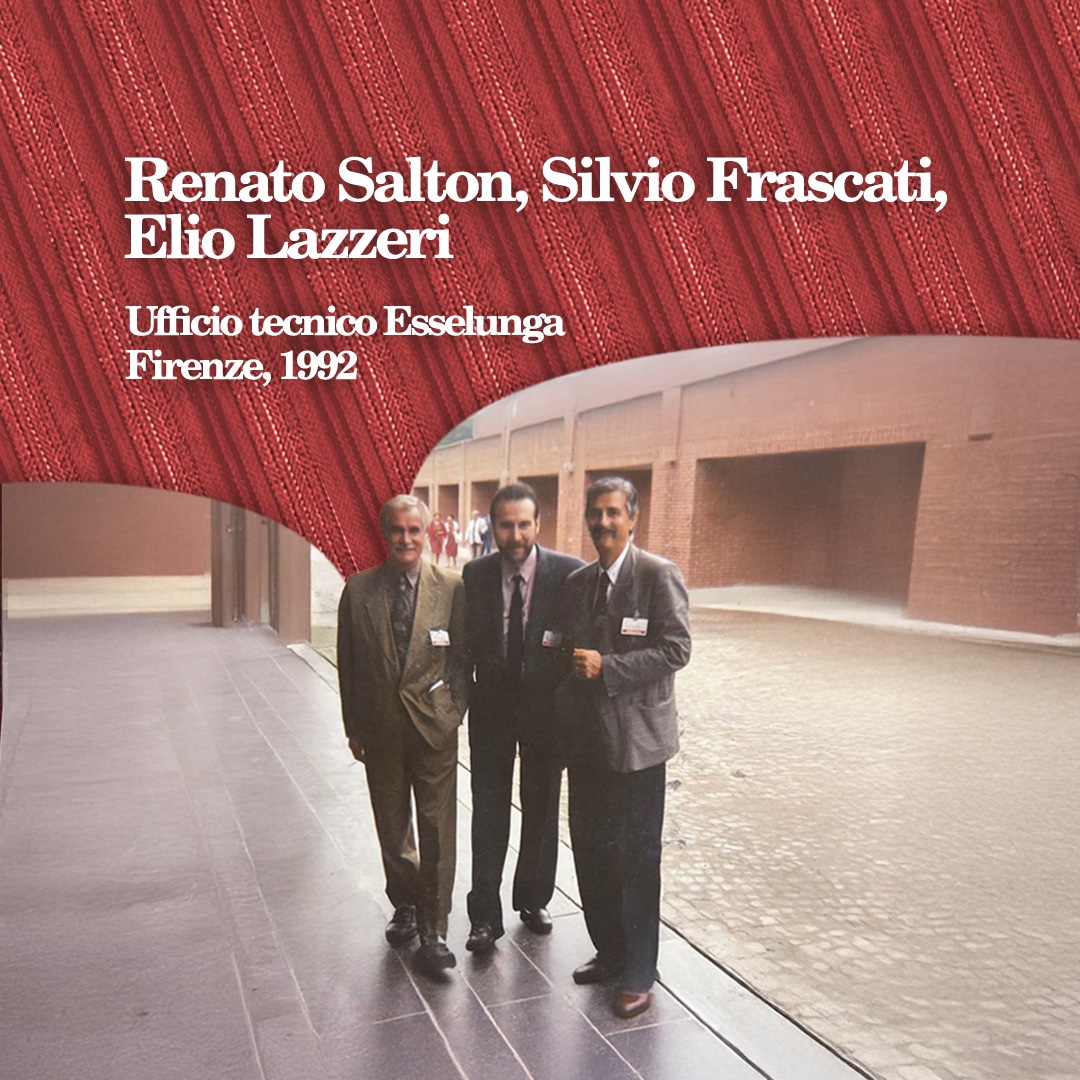
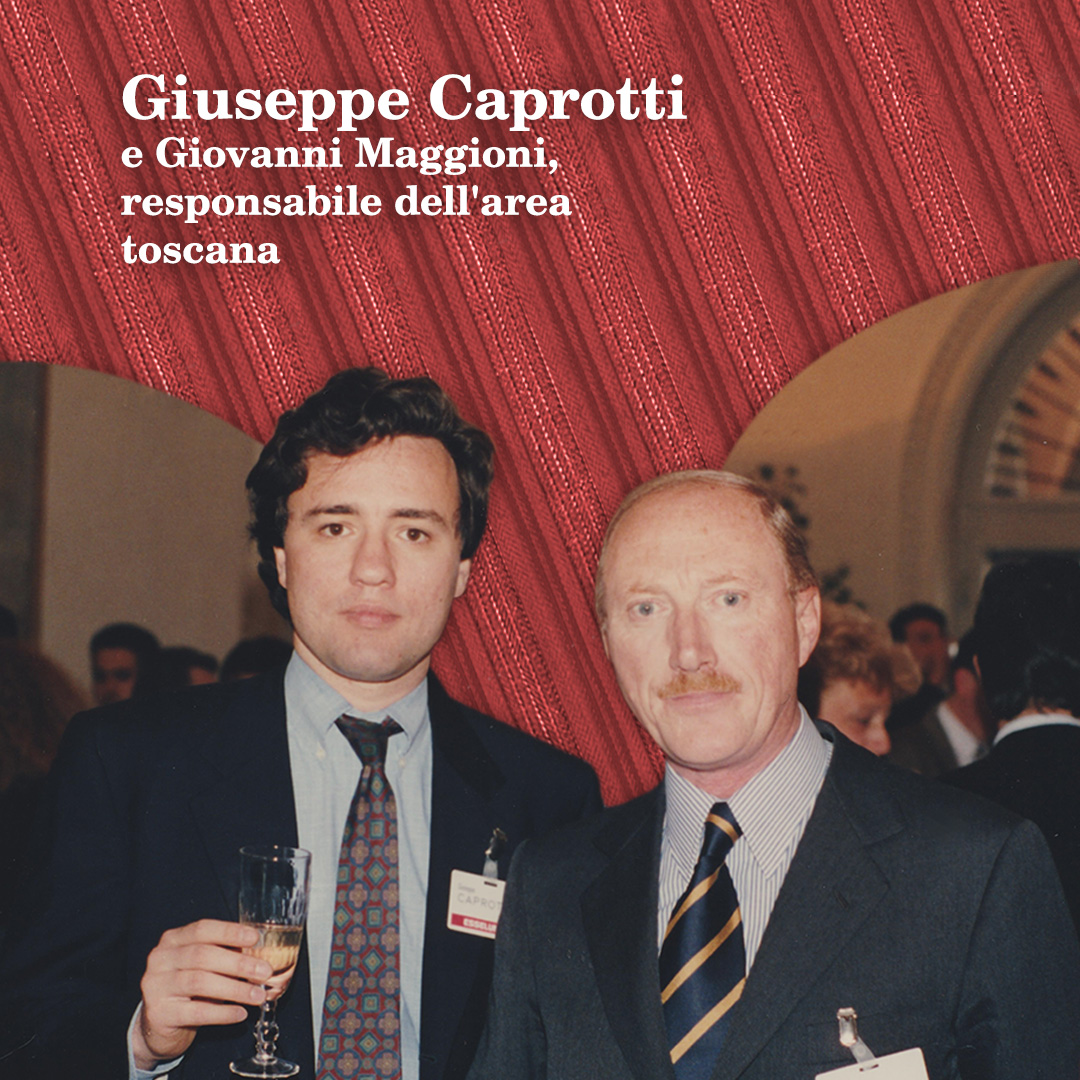
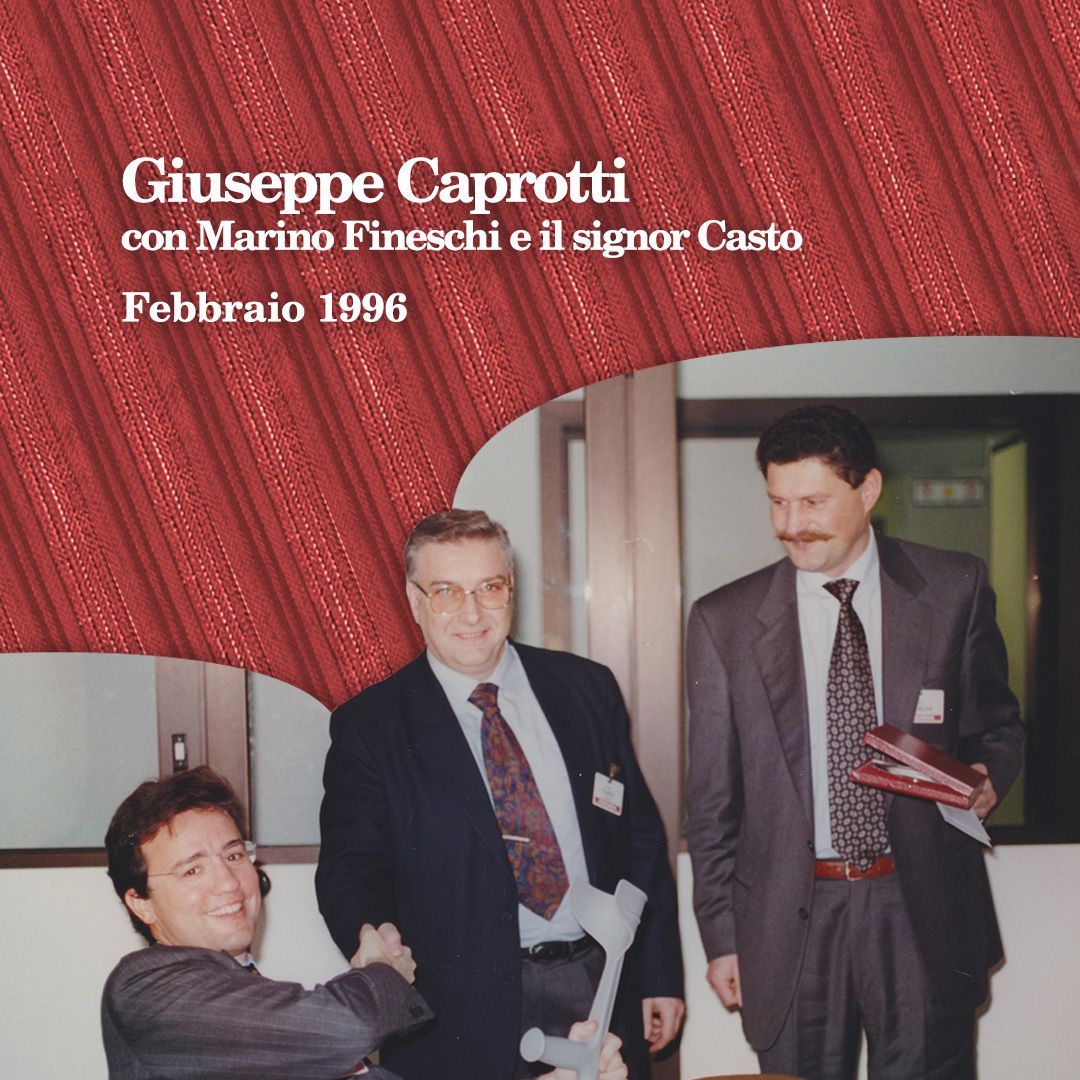
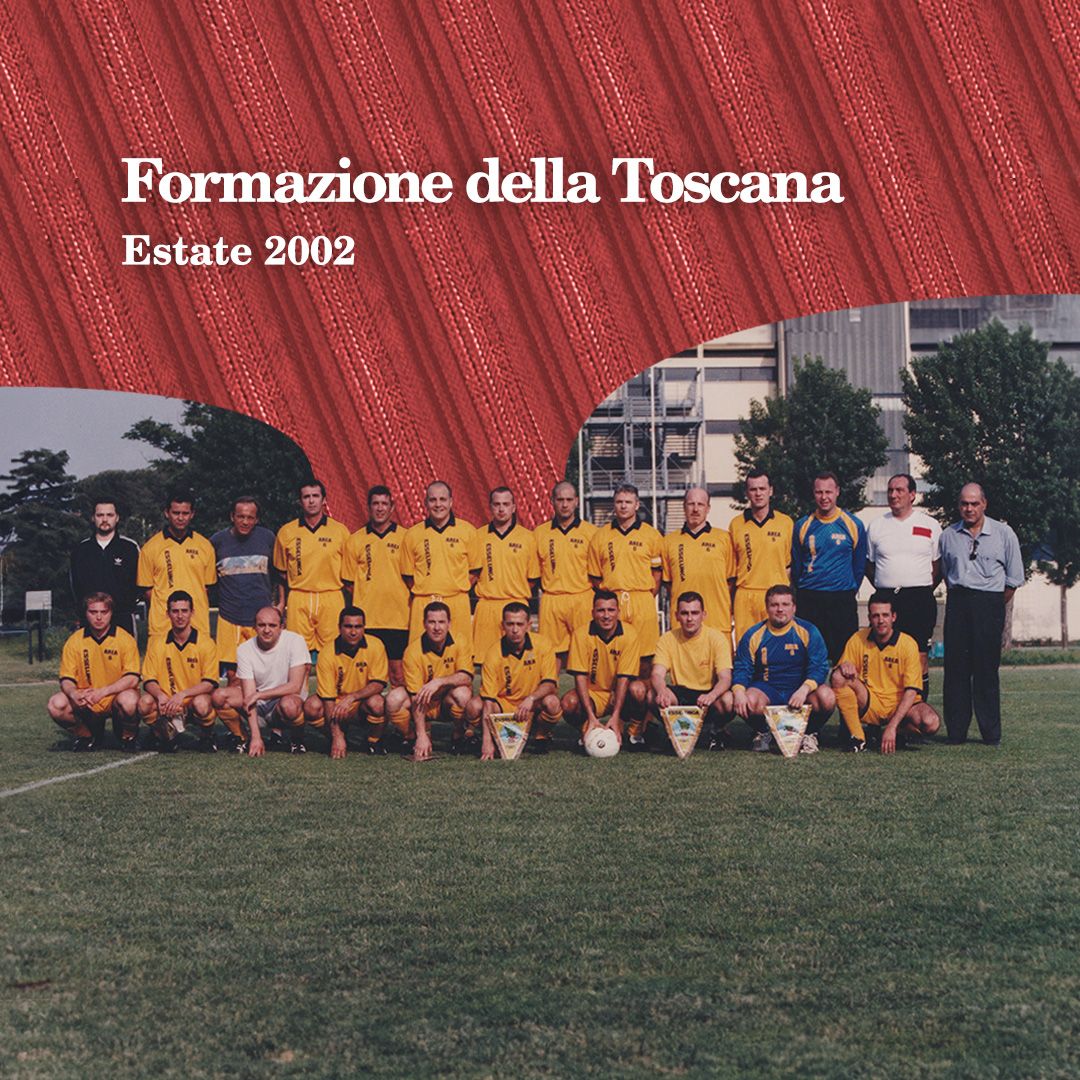
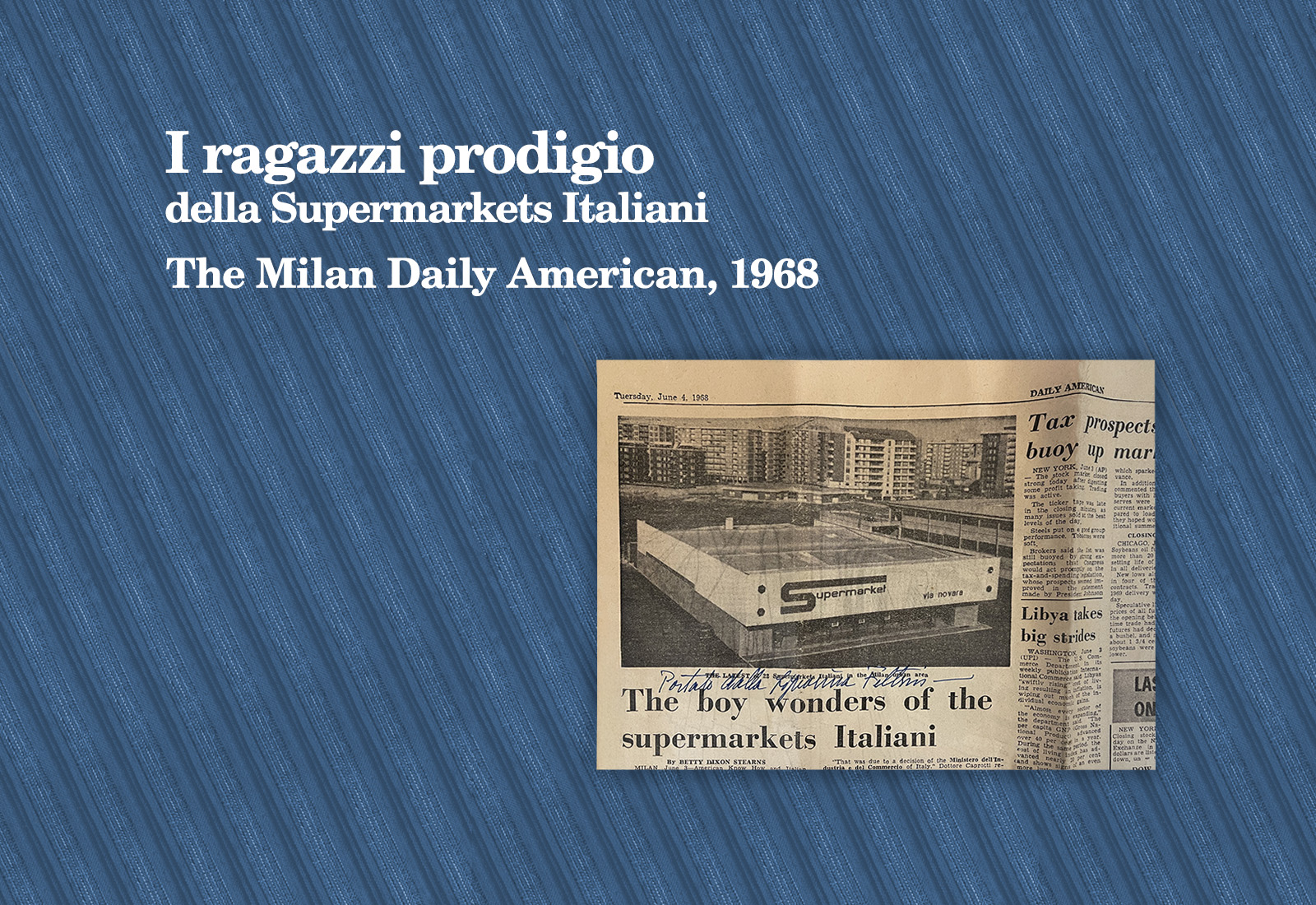
The Florentine ‘sorting’ nevertheless produced results that amazed the American journalist in 1968, the ‘prodigies’ of the golden boy of Supermarkets: ‘he opened two more supermarkets, bringing to a total of seven the number of shops serving the cities of Florence, Lucca and Pistoia. Under his leadership, another new supermarket, currently nearing completion, will be opened in Prato, in time for Christmas. Claudio Caprotti also plans to open two more shops in Florence in the near future, and also in Bologna, Pisa and Livorno’: at the time of the interview, his uncle was only thirty years old. He didn’t do it all by himself, of course, the layout of the shops is still heavily influenced by the strictly hierarchical, ‘Marines-like’ organisation of the Americans (even in 1972, internal documentation was written in English); but as head of the Tuscan area, he has achieved a series of not insignificant successes. And among those who collaborated with him at the time, I met and in turn collaborated with many, of whom I have fond memories and have found listed in a document transcribed below:
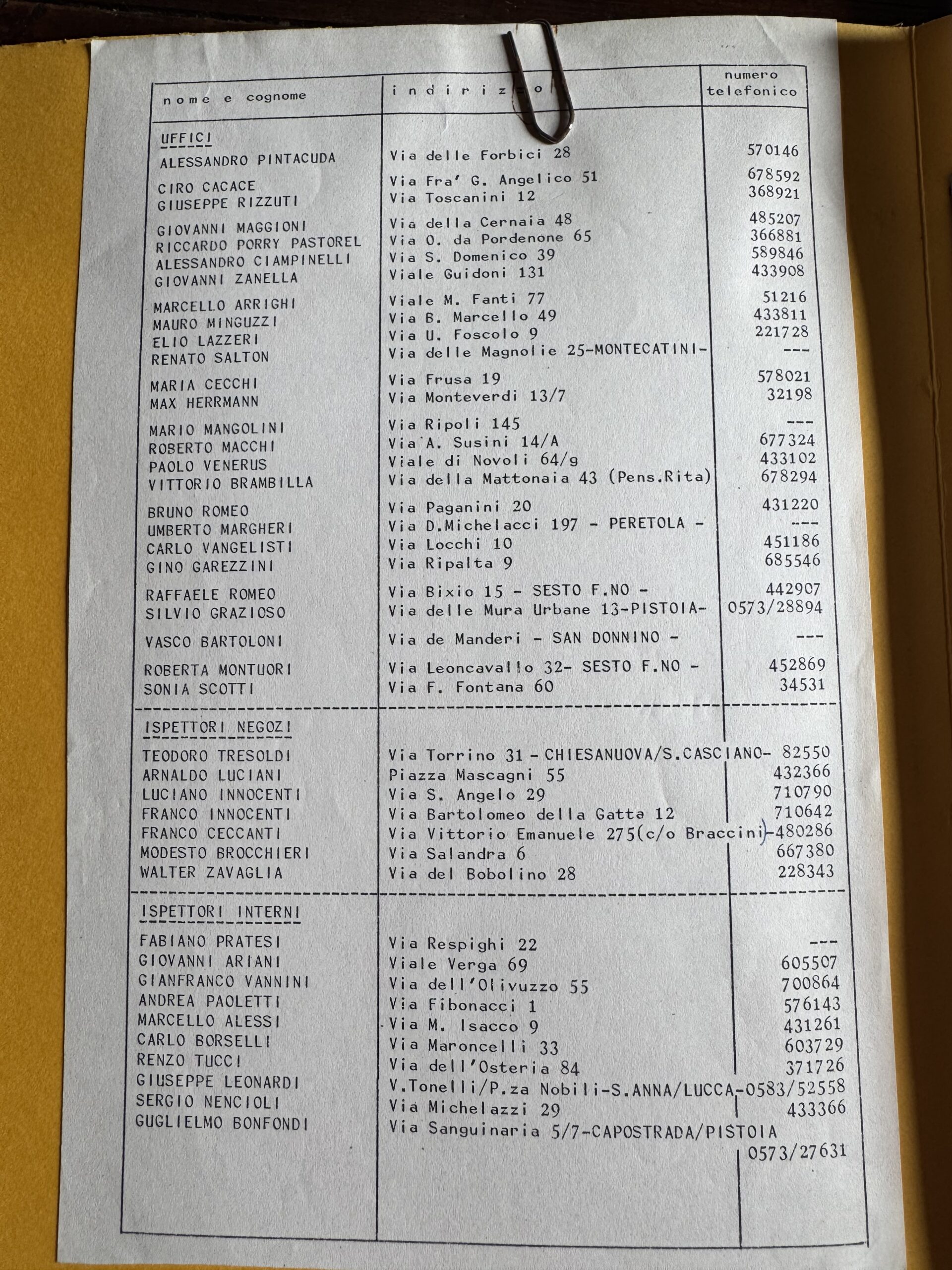
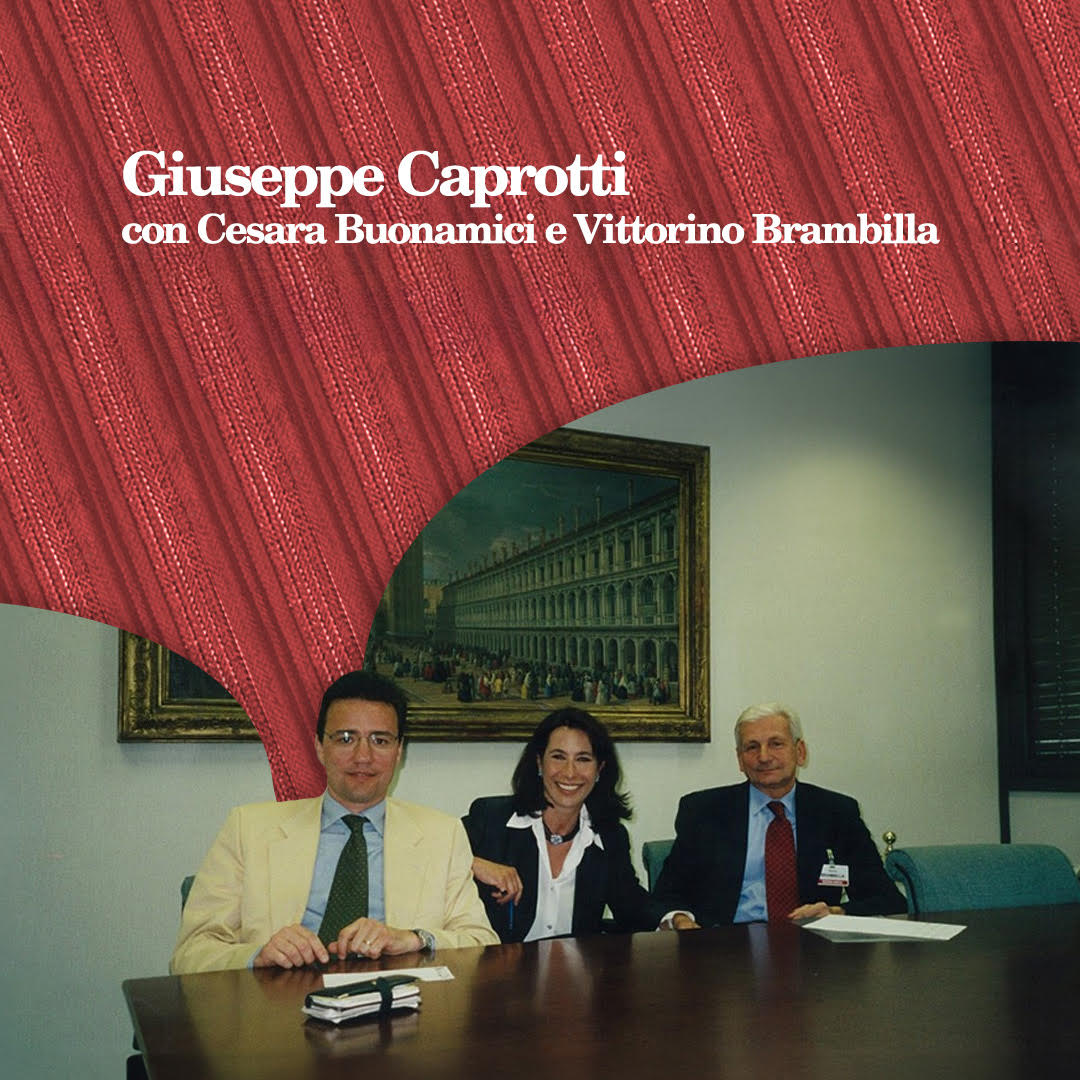
| OFFICES Alessandro Pintacuda Ciro Cacace Giuseppe Rizzuti Giovanni Maggioni Riccardo Porry Pastorel Alessandro Ciampinelli Giovanni Zanella Marcello Arrighi Mauro Minguzzi Elio Lazzeri Renato Salton Maria Cecchi Max Herrmann Mario Mangolini Roberto Macchi Paolo Venerus Vittorio Brambilla Bruno Romeo Umberto Margheri Carlo Vangelisti Gino Garezzini Raffaele Romeo Silvio Grazioso Vasco Bartoloni Roberta Montuori Sonia Scotti |
SHOP INSPECTORS Teodoro Tresoldi Arnaldo Luciani Luciano Innocenti Franco Innocenti Franco Ceccanti Modesto Brocchieri Walter Zavaglia INTERNAL INSPECTORS Fabiano Pratesi |
Not only did I meet these protagonists of the Tuscan branch, but in the case of Pintacuda, his son Andrea was my playmate when I was a child at Forte.
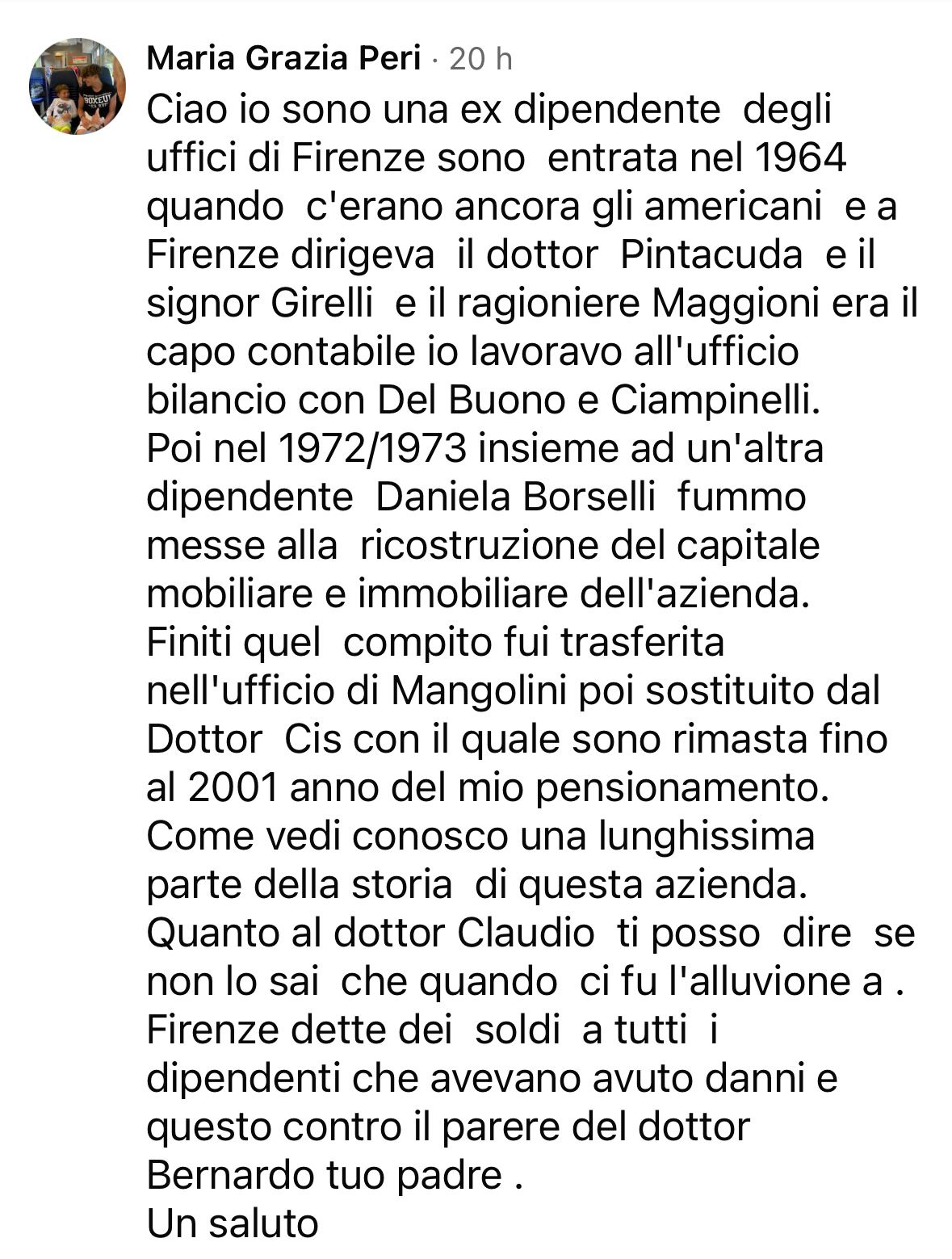
A former employee of the Florence office, after reading the article also published on social media, wrote me a message that I quote below:‘
“Hello, I am a former employee of the Florence offices, I joined in 1964 when there were still Americans and Florence was run by Dr. Pintacuda, Mr. Girelli and accountant Maggioni, chief accountant. I worked in the budget office with Del Buono and Ciampinelli. Then in 1972/1973, together with another employee, Daniela Borselli, we were put in charge of reconstructing the company’s movable and immovable capital. When that task was finished, I was transferred to Mangolini’s office, later replaced by Dr Cis, with whom I remained until 2001, the year of my retirement. As you can see, I know a very long part of the history of this company. As for Dr Claudio, I can tell you, if you don’t know, that when there was a flood in Florence he gave money to all the employees who had suffered damage, and this against the advice of Dr Bernardo, your father. Best regards Maria Grazia Peri.”
Sources:
Albiate (MB), Villa San Valerio, Villa San Valerio Archives, Manifattura Caprotti Archives, Marianne Caprotti Correspondence.
Florence, Claudio Caprotti Archives, Esselunga Archives.
Bibliography:
B. DIXON STEARNS, ‘The boy wonders of the Italian supermarkets’, in ‘Daily American’, June 4, 1968.
BRITAIN MONEY, ‘Great Atlantic & Pacific Tea Company, Inc.’, Written and fact-checked by The Editors of Encyclopaedia Britannica, most recently revised and updated by Brian Duignan.
“Colonial Stores”, From Wikipedia, the free encyclopaedia.
G. CAPROTTI, Le Ossa dei Caprotti. Una storia italiana, Milan, 2024/3.
ID., Le Ossa dei Caprotti. The three Caprotti brothers: Bernardo, Guido and Claudio Caprotti, late 1940s. Cues from the book.
ID., “Le Ossa dei Caprotti”. The name ‘Esselunga’, the story of a small myth. Cues from the book.
ID., “I Caprotti : the conflict between the brothers Claudio Caprotti, Guido and Bernardo Caprotti as seen by Marianne Caprotti”, 01/05/2014.
ID., “I Caprotti, Albiate e la fondazione di Esselunga“, 10/09/2014.