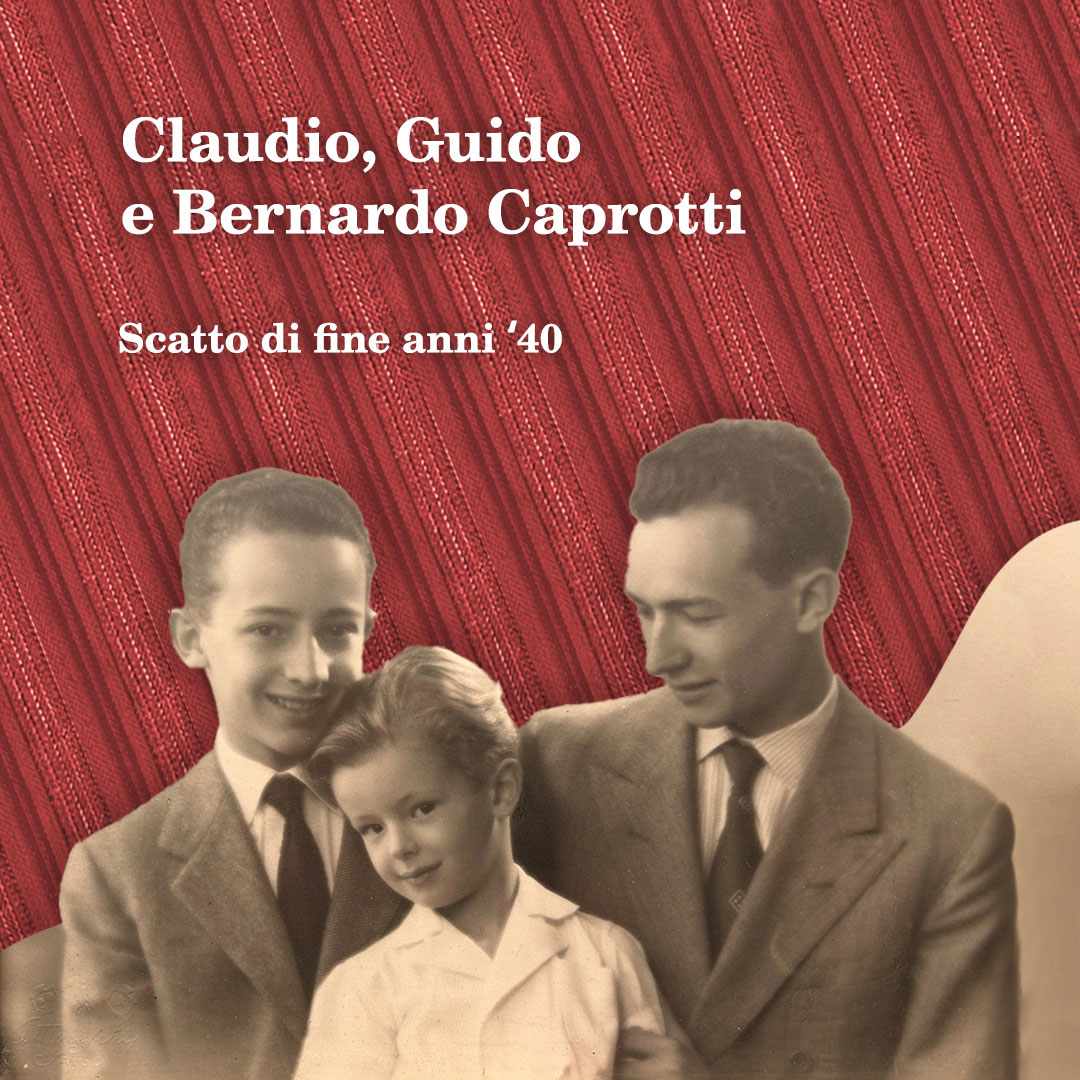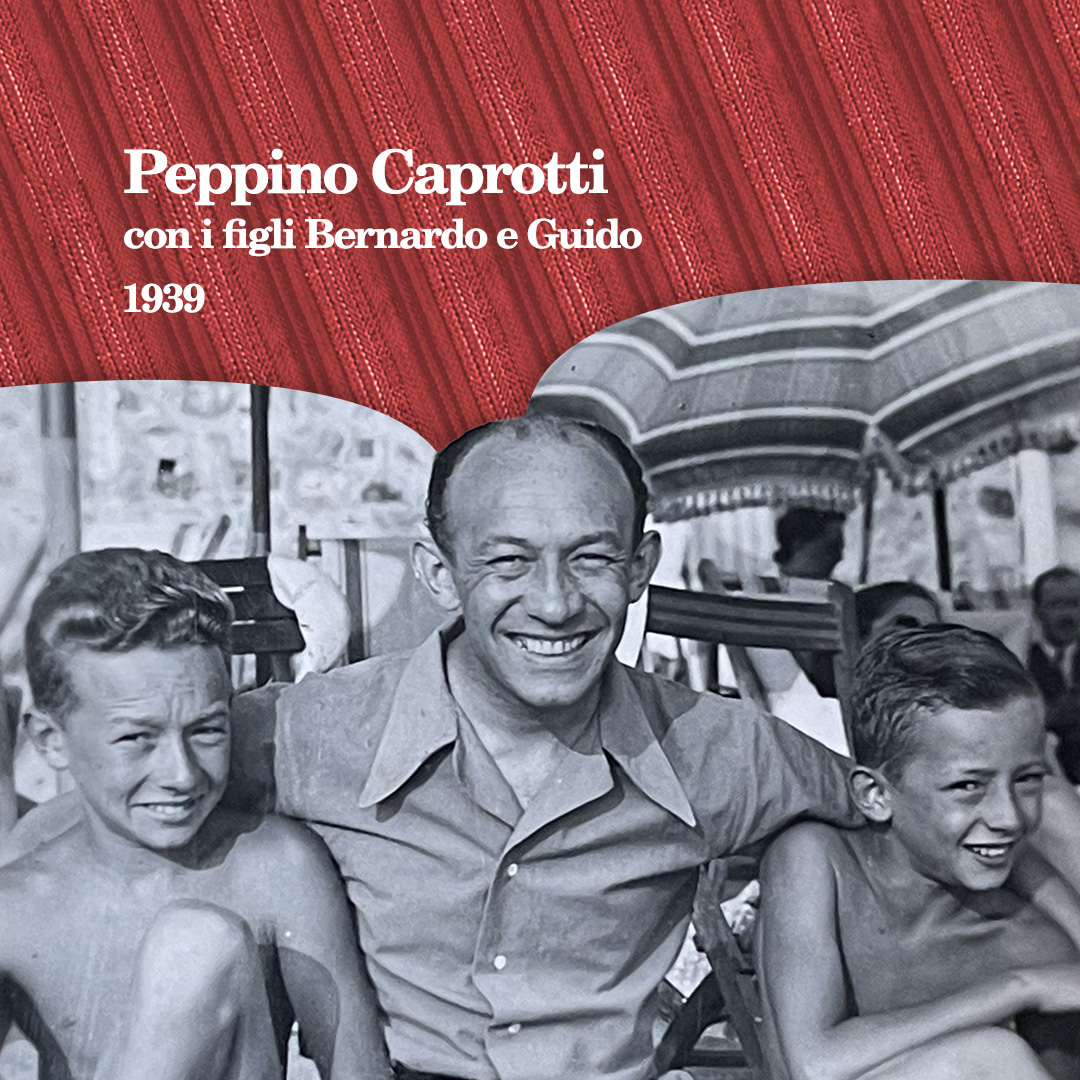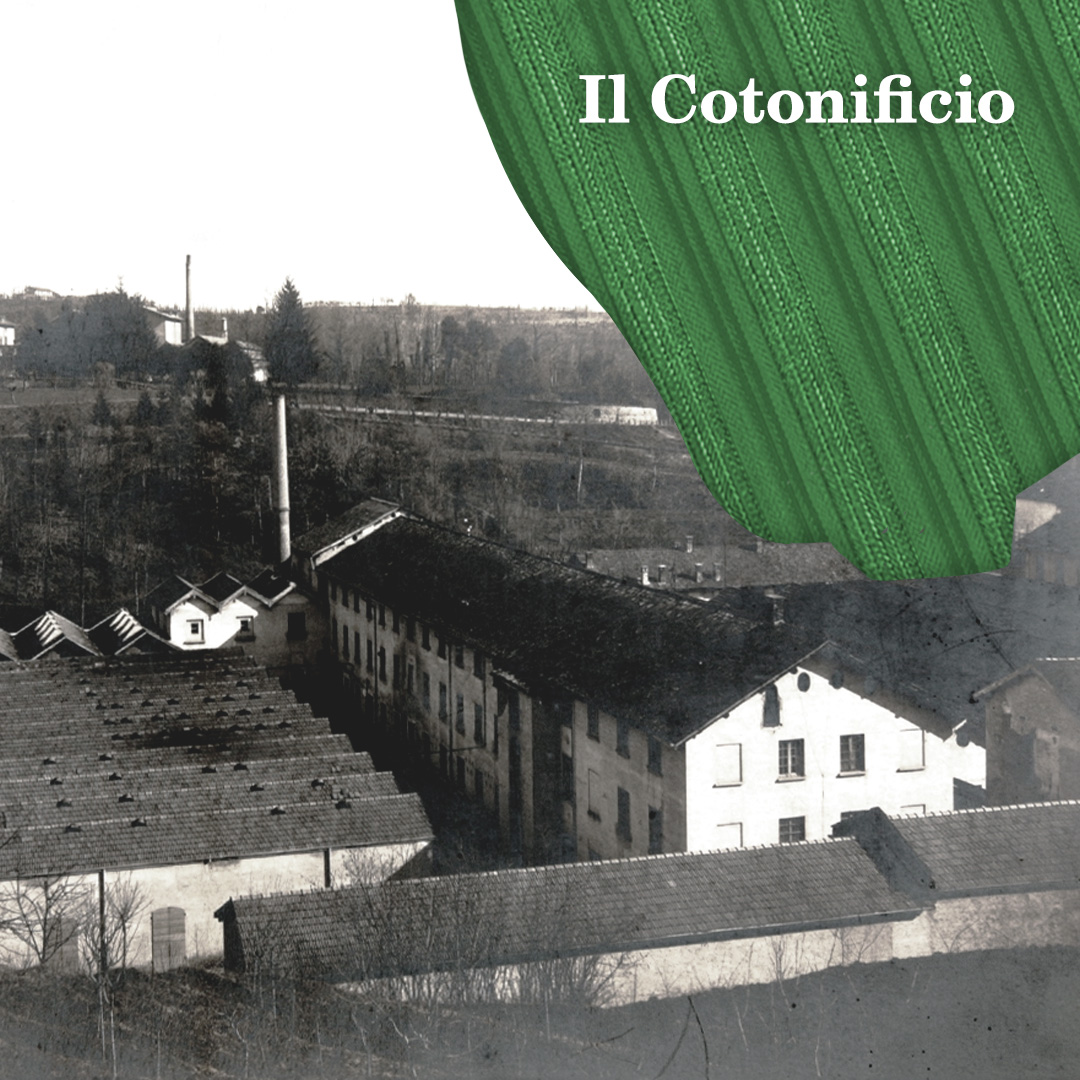
In the 1970s, the Italian textile industry was going through a devastating crisis, and our family’s factory in Albiate was no exception. Trade union strikes against piecework were a regular occurrence, and on some days hundreds of workers did not even turn up at the factory. My father, Bernardo, considered the business to be on its last legs, citing the high labour costs that made it impossible to compete in the market.
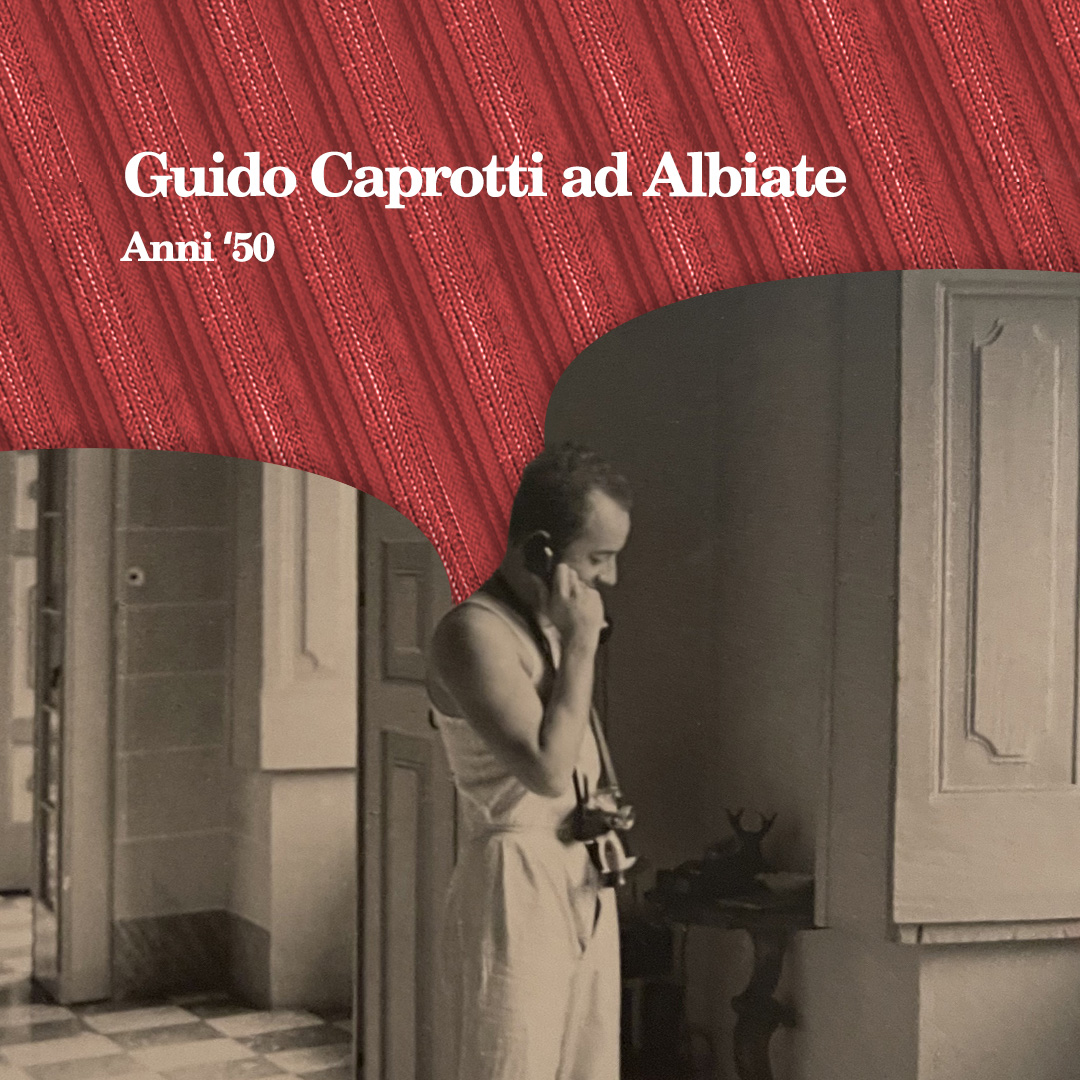
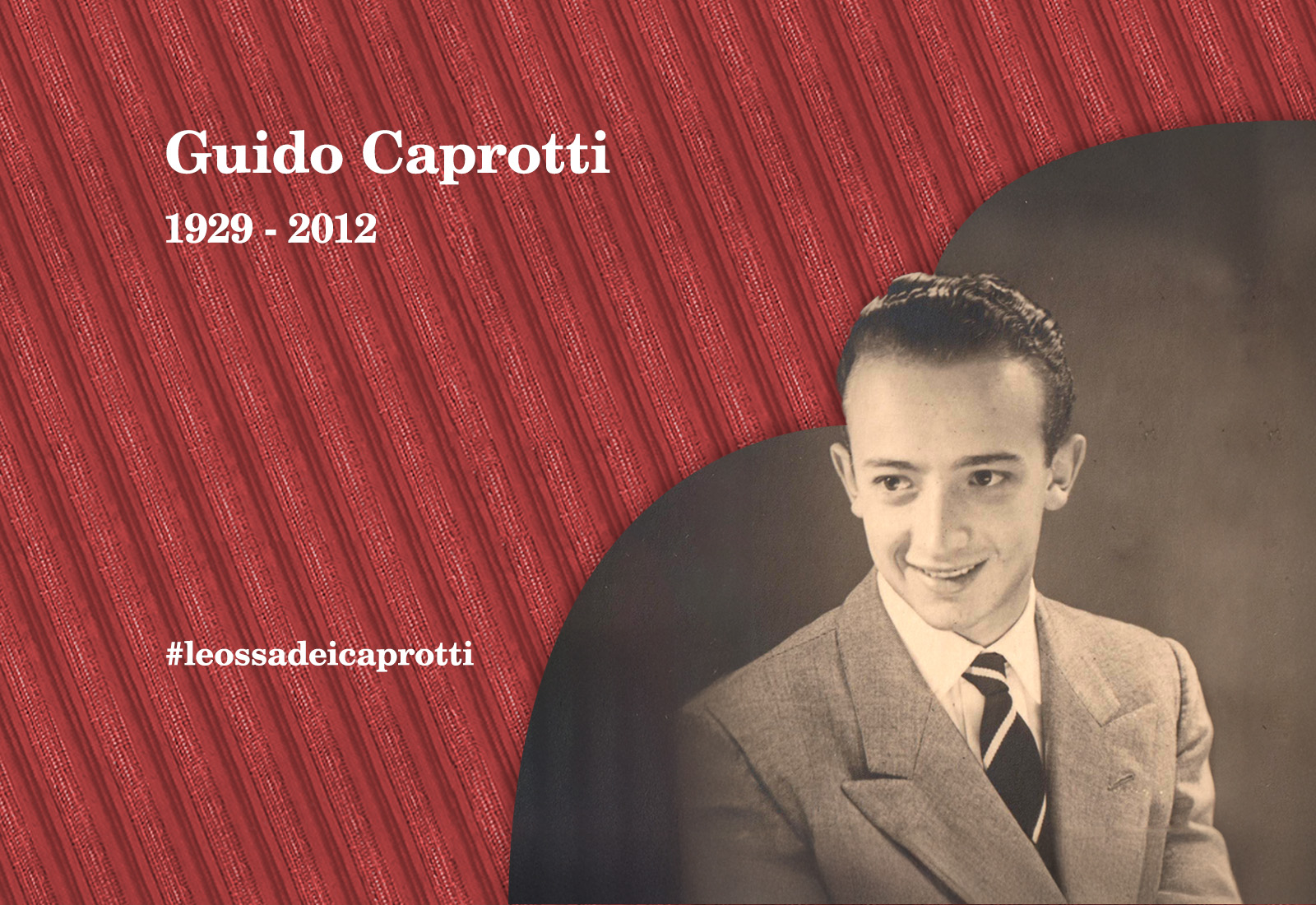
My uncle Guido saw things differently. He refused to accept that the business his father, Peppino, had rebuilt and revived after the war would have to close. He chided my father for having forgotten that, between 1965 and 1971, it had been the Manifattura itself that had supported the whole family and generated the resources that had enabled the Caprotti family to secure control of Esselunga.
To raise the capital needed for the rescue, in April 1974 Guido made a decision that would prove fatal: he sold 20 per cent of his stake in Esselunga to my father in exchange for Bernardo’s stake in the Manifattura, plus a cash adjustment. Two years later, crippled by the oil crises and the need for further funds, he was forced to sign an agreement to sell off the remaining 13 per cent of Esselunga that he still held.
He invested all that money in the Albiate cotton mill, attempting to revitalise it with a new knitwear department. The knitted fabric samples that came out of it were of such a high standard that even my father had to admit they were “marvellous” — whilst continuing to accuse him of “spending like a madman” and taking too many risks.
It wasn’t enough. On 8 April 1977, my uncle was summoned to the office of lawyer Alfonso Pellegatta. On the phone, my father ordered him to sign over the company if he didn’t want to go bankrupt. With no other option, Guido handed over his shares in Manifattura to Esselunga for a value of zero. He lost everything.
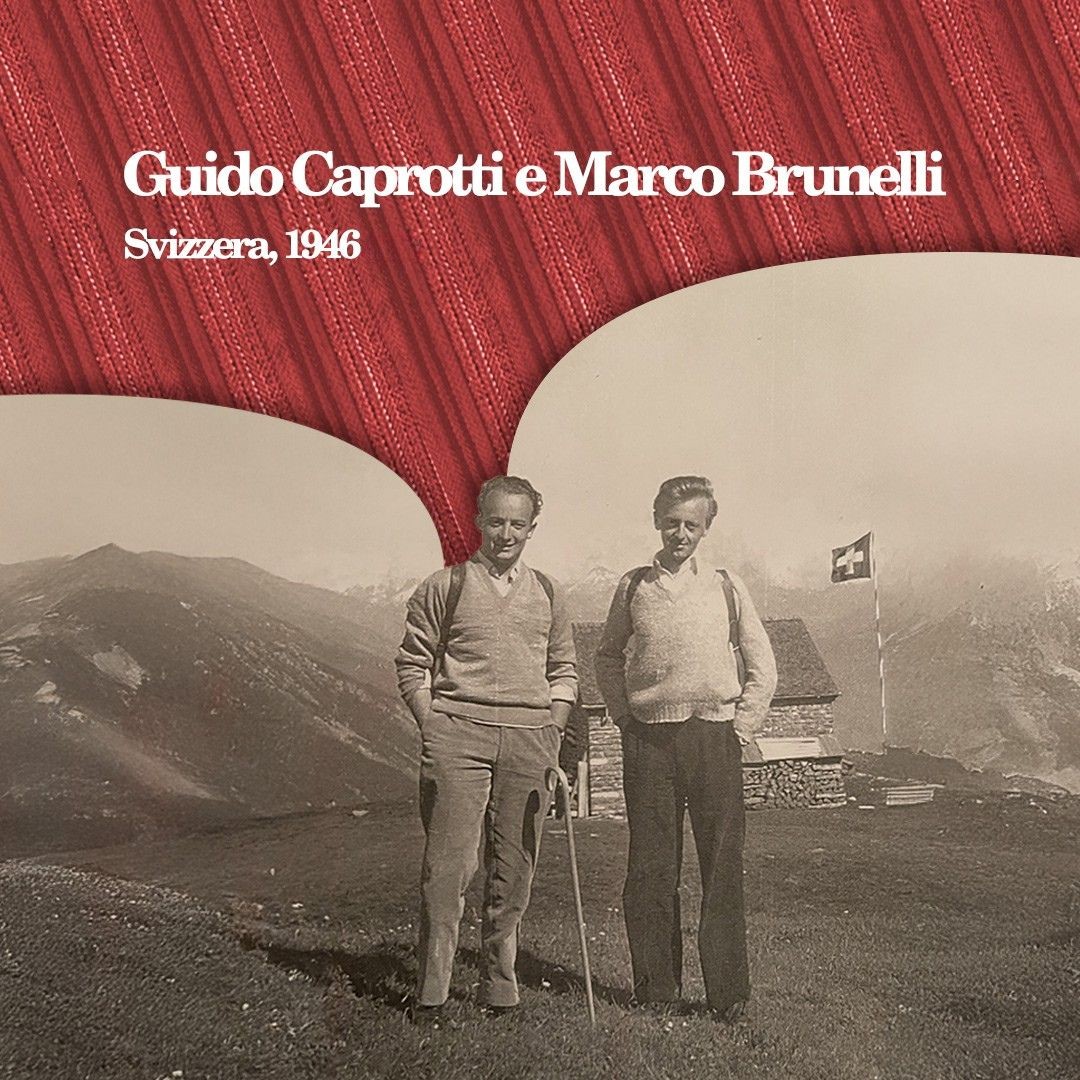
“There is a human, personal side to his struggle against the fate of the Manifattura that deserves more respect and consideration than it received at the time, especially from a brother – Bernardo – who had run their father’s business single-handedly until 1965 and who owed entirely to Guido and his friend Marco Brunelli the insight to venture into the supermarket business in the wake of Nelson Rockefeller.” (…)” (p. 116) G. CAPROTTI, Le Ossa dei Caprotti. An Italian Story, Milan, 2024
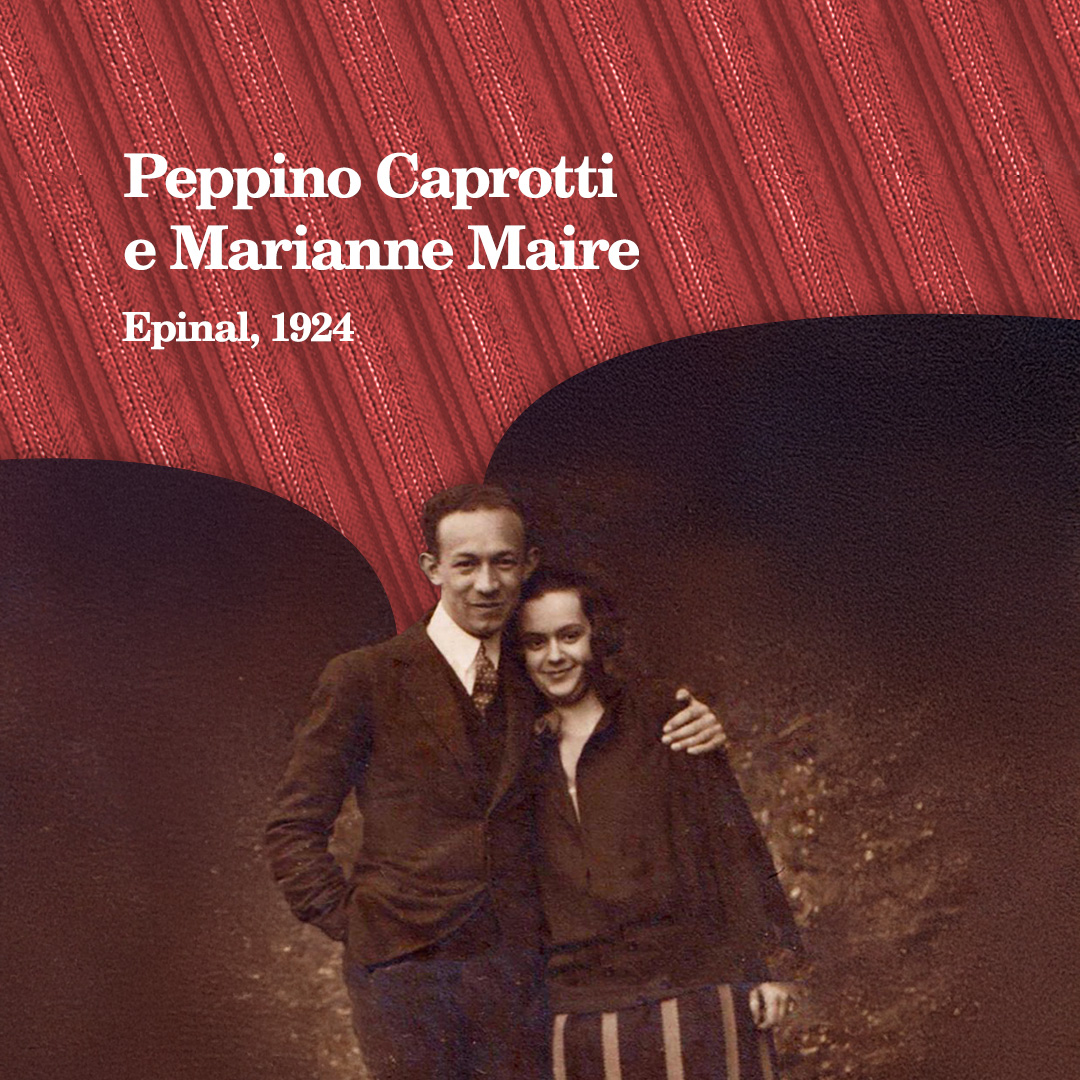
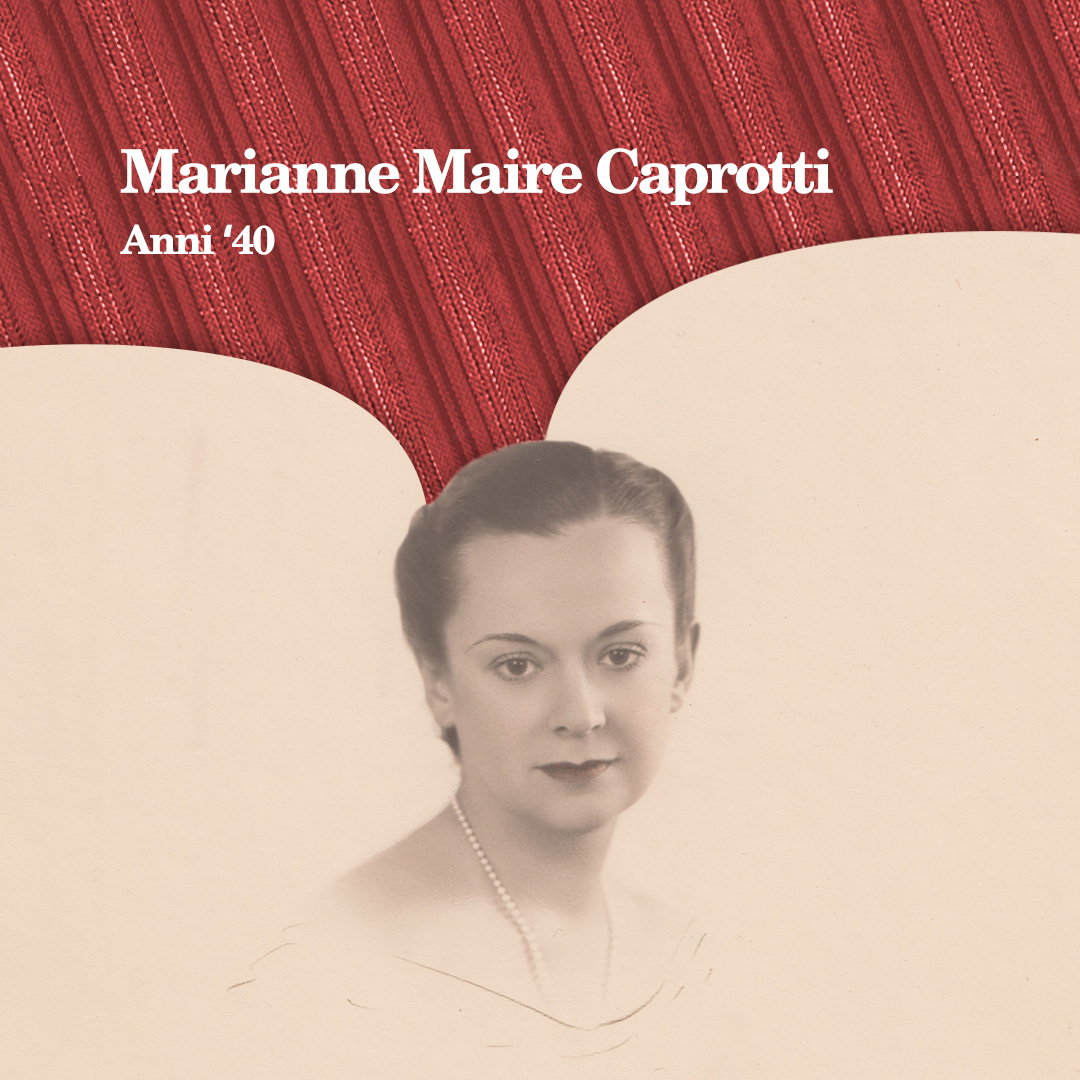
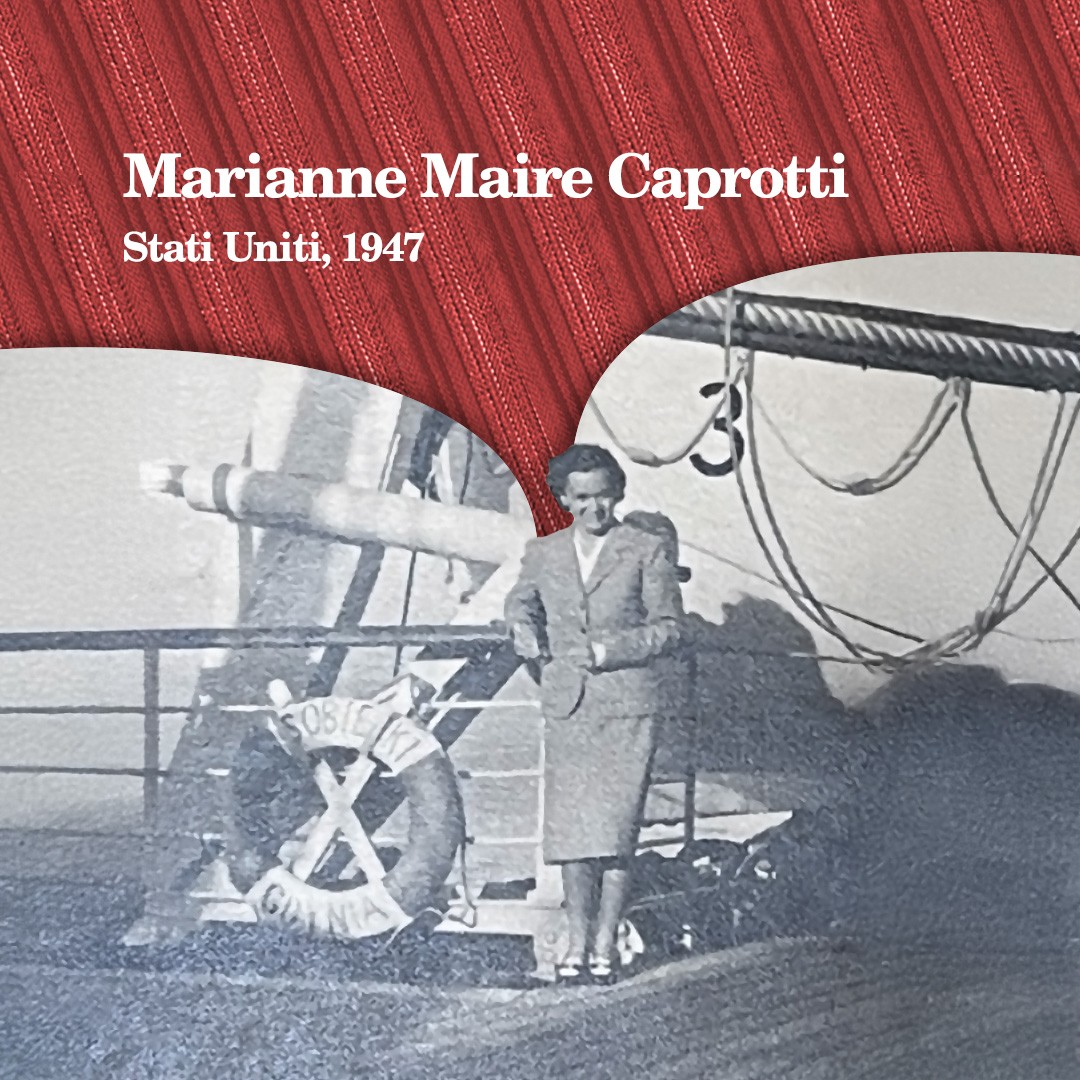
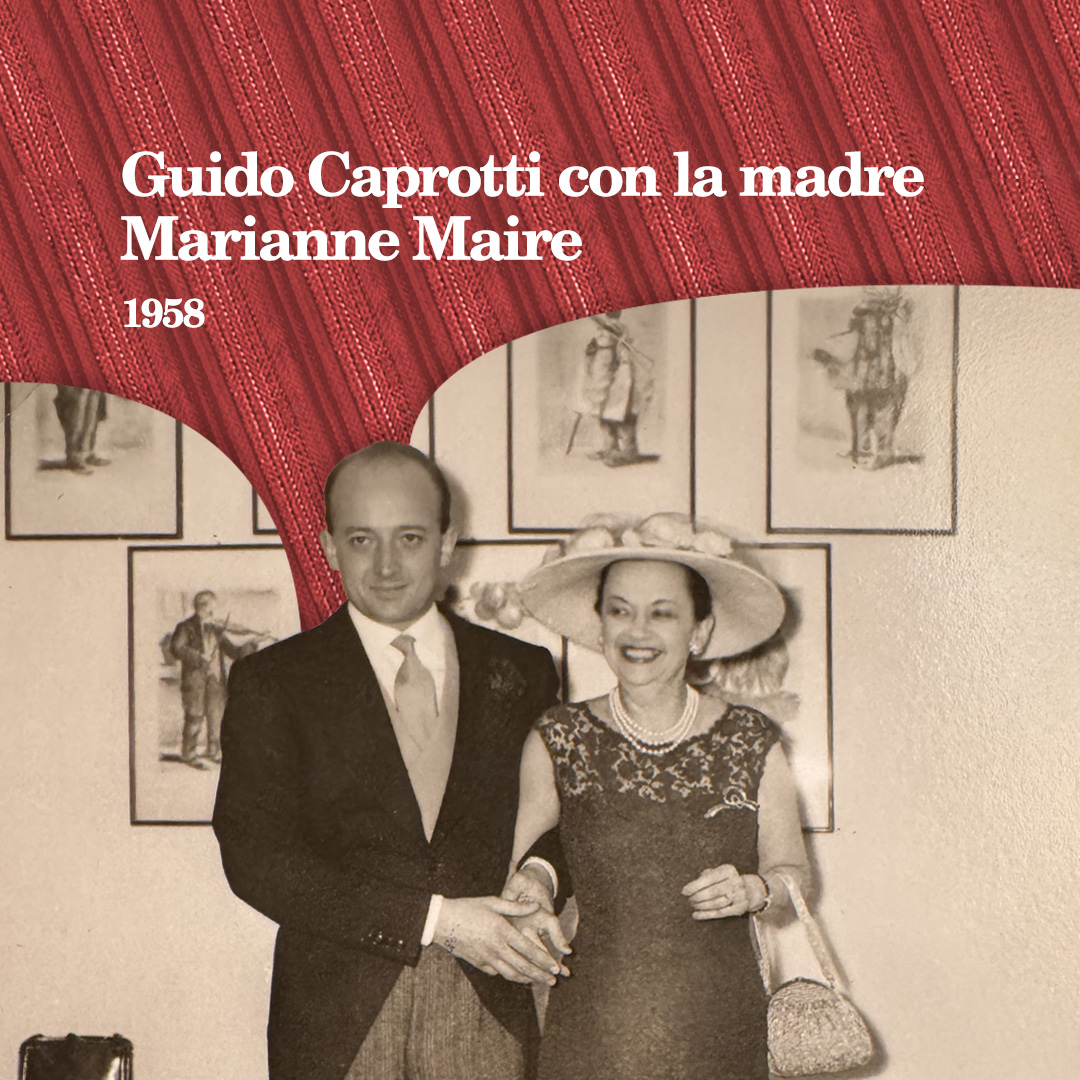
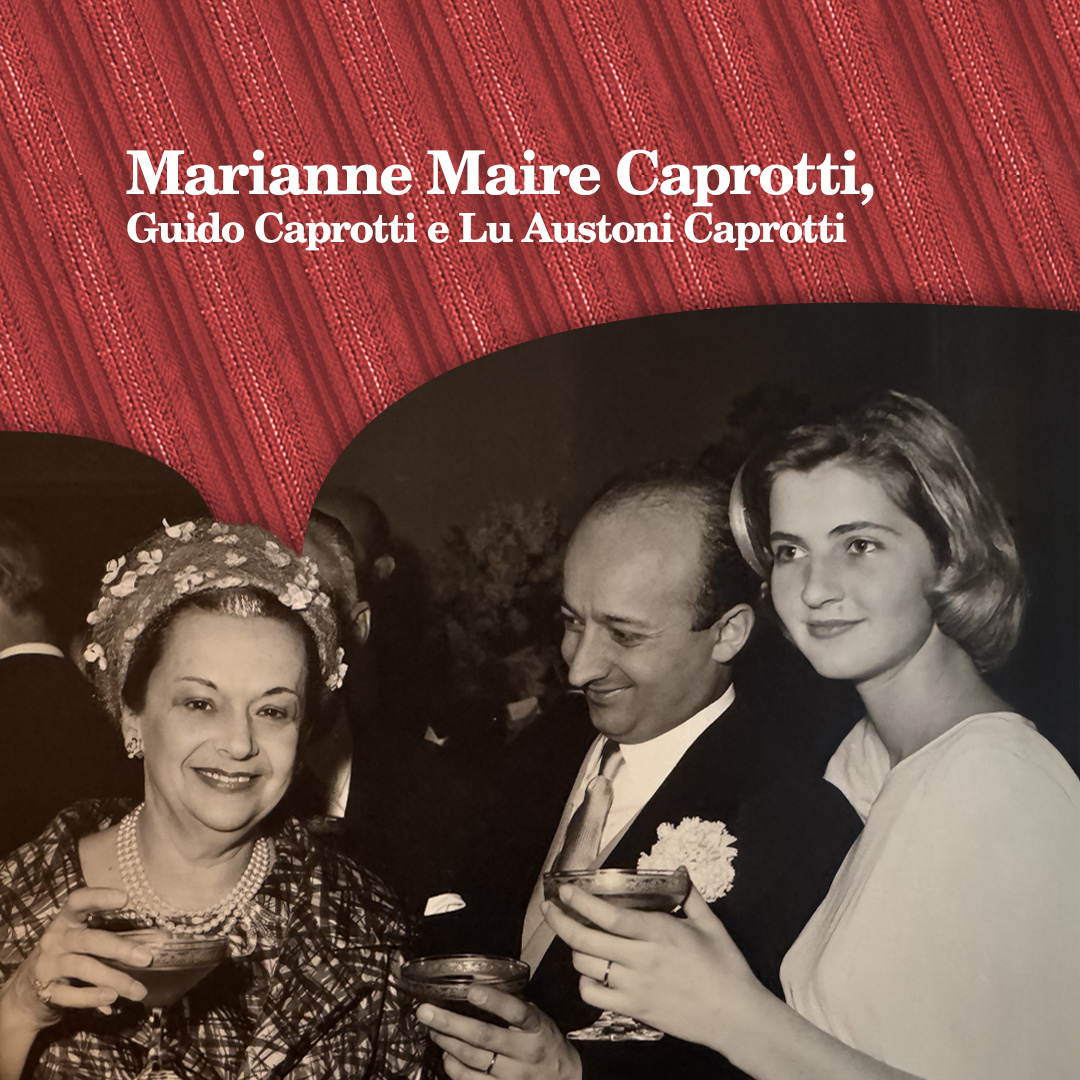
In this dramatic showdown over the fate of the Manifattura, his mother, Marianne Maire, also bore the brunt of it. Upon the death of her husband Peppino in 1952, his grandmother had inherited the usufruct of a 10 per cent stake in the textile company. However, when Bernardo eventually took over the company through Esselunga by subscribing to a capital increase, his grandmother’s stake vanished into thin air.
Her stake was literally wiped out without Bernardo even bothering to inform her, and without her ever receiving any compensation for the loss she suffered.
This was a doubly bitter blow for Marianne, given that in the early 1960s she had lent her children 300 million lire specifically to help them acquire control of Esselunga from Rockefeller, and a further 300 million lire was borrowed from her in various forms, for purposes other than the purchase of shares in the supermarket chain. None of that money was ever repaid to her.
At the urging of her uncle Claudio [Caprotti], she received a life annuity that enabled her to live out her days in dignity.
Bibliography and sources:
G. CAPROTTI, “Le Ossa dei Caprotti. An Italian Story”, Milan 2024/3.