Compiled on 22 September 2022, updated on 30 September 2025
1 In 2021 I reported this news :
Made in Italy exotic fruit boom: crops doubled in less than three years
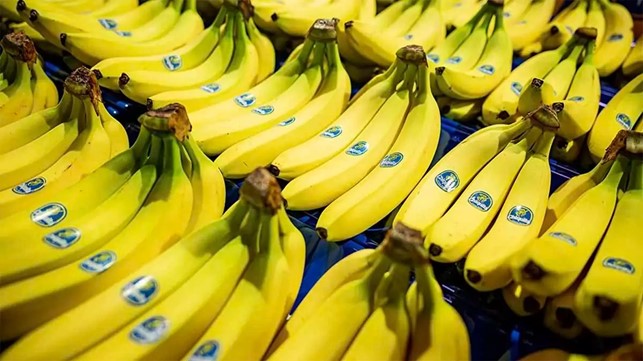
Due to climate change, farms in many southern regions have decided to convert production to crops that until a few years ago only came from tropical regions. This year [2025] is the turn of Chiquita’s organic bananas
It used to come only from South America, or from the tropical regions of Africa and Asia. But now, with climate change (yet more evidence that challenges the most convinced deniers), there is a new, unexpected boom in exotic fruit production . With cultivations that have doubled in less than three years, exceeding a thousand hectares in Puglia, Sicily and Calabria, to cope with the new temperatures caused by climate change.
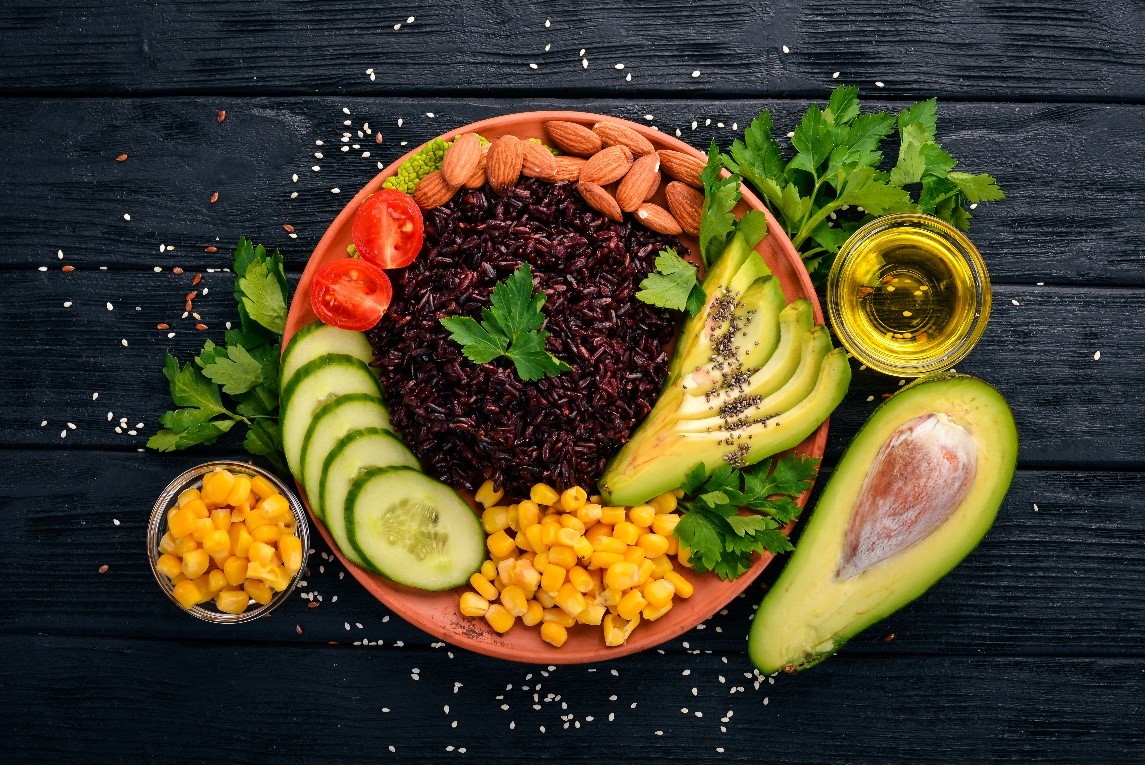
This is what emerges from Coldiretti’s estimate on the new tropical productions on the occasion of Avocado Day, which falls on 31 July all over the world. Of South American origin, the avocado is one of the most fashionable fruits in recent years, a symbol of the Millennial generation and the basis of many recipes, such as the guacamole sauce, but it is not the only tropical fruit that has found ‘home’ in Italy.
“More and more often in the southern regions,” Coldiretti emphasises, “first experiments are being carried out and then real cultivations of fruit originating in Asia and Latin America are being started, from bananas to mangoes, from avocados to limes, from passion fruit to cherimoya, from feijoa to casimiroa, from black zapote to lychee, for a total consumption estimated at over 900,000 tonnes nationwide. All thanks to the commitment of young farmers,” Coldiretti recalls, “who have chosen this type of cultivation, often recovering and revitalising land abandoned precisely because of climate change, previously destined for the production of oranges and lemons, with more than six Italians out of 10 (61%) who would buy Italian tropicals if they had them available instead of foreign ones,” according to a Coldiretti-Ixè survey.
Italians want exotic fruit made in Italy
71% of citizens would also be willing to pay more to have the guarantee of the national origin of tropicals. A choice motivated by the higher degree of freshness, but also by concerns about the safety guarantees of imported products. That of tropical fruit made in Italy, Coldiretti emphasises, is a phenomenon destined to profoundly change consumption behaviour in the coming years, but also the production choices of the farms themselves, due to the effects of overheating caused by climate change.
Temperatures: 2.18 degrees above historical average in June
With a temperature 2.18 degrees above the historical average, the summer of 2021 ranks so far from a climatological point of view as the fourth hottest in Italy since records began in 1800, according to Coldiretti processing of Isac CNR data for June 2021. And “it is not an isolated fact but structural in Italy, where the ranking of the hottest years in the last two centuries is concentrated in the last period and includes in order – Coldiretti points out – also 2018, 2015, 2014, 2019 and 2003″…
Tropical fruit, which until a few decades ago was bought in Italy at Christmas time, has become an object of daily consumption
2 The trend is confirmed in 2022:
Avocado, mango, papaya and maracuja no longer have to cross the ocean to reach our tables. The production of tropical fruit in southern Italy, particularly in Sicily, but also in Calabria and Apulia, is growing exponentially, while the cultivation of citrus fruits is declining (-50% for lemons and -30% for oranges). However, it is not true, as one hears, that the cause of this boom is mainly to be found in climate change. If you look closely at the trade dynamics, the reasons why so many farmers are converting their land are different and the climate crisis may also be a problem for tropical fruit.
The real ‘driver’ of change is, as is often the case, economic. First of all, it must be made clear that there is no point in regretting previous crops, wrongly considered native. In fact, although citrus plants are nowadays considered a symbol of Mediterranean crops, they are fruit that originally came from distant lands (India and the Far East). In recent years, however, their cultivation in southern Italian regions has lost a lot of value and many farmers cannot compete with the prices of their Turkish and Spanish colleagues.
At the same time, due to the globalisation of consumption, tropical fruit, which until a few decades ago was bought in Italy exclusively at Christmas, has increasingly become a daily item. However, this focus on new exotic ingredients is also combined with a preference for local produce which, not having travelled so many kilometres and remaining on the plant until fully ripe, has less impact on the environment and, at the same time, is often better from an organoleptic point of view. For products grown in Italy, even with organic methods, consumers are therefore prepared to pay a higher price than for fruit that has crossed the ocean.
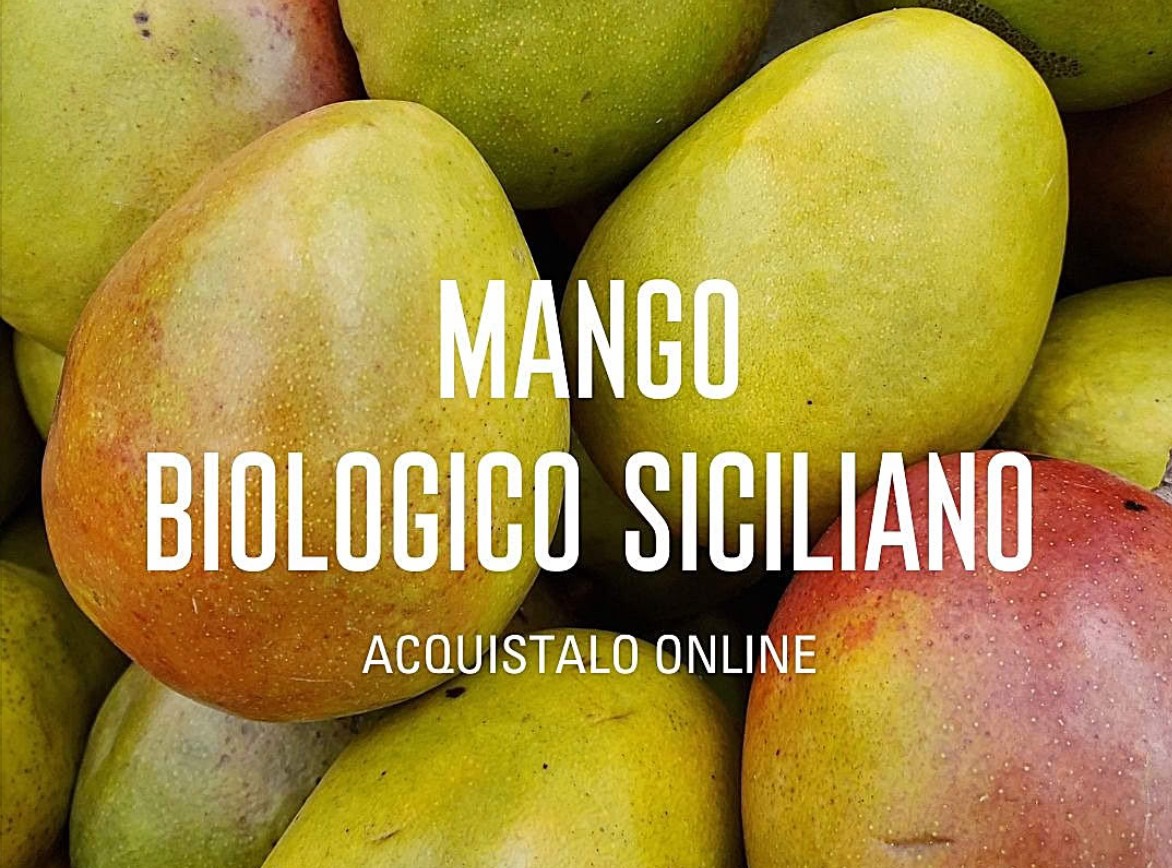
Hence the ‘mango fever’, but also the avocado and all the others, which has led to a cultivated area in our country of around a thousand hectares, doubling production in less than three years (Coldiretti data), a boom for a type of cultivation that was already being experimented with in Sicily as far back as the 1960s. A proper census of the land used is difficult, given the experimental nature of many crops. While we witness the birth of numerous plants, many are those that die. Indeed, there is no shortage of difficulties: these are mostly crops that cannot withstand temperatures below 4 degrees Celsius and need a lot of water, especially in the hottest months.
These crops today meet only 5% of national demand [2022 figure. However, their growth potential is considerable, with strong demand from the rest of Europe. Moreover, the profitability of these crops is up to 15 times higher than that of oranges and makes it possible to invest in precision farming solutions, such as drip irrigation techniques, which are very important for dealing with adverse weather conditions. The areas that are most suitable today are those of Messina and the Nebrodi mountains, as well as Mount Etna, as these areas are particularly rich in water. However, strategies are being studied to expand the cultivation areas, while the most enterprising farmers are experimenting with new crops: from the much-loved coffee to the lesser-known moringa.
In 2025, with the cultivation of Chiquita bananas in Sicily, a circle will be closed.
Photo: AdobeStock (except cover)