Fulvio Pierangelini and Esselunga ravioli

In this article there are several mentions of episodes from Le Ossa dei Caprotti , my book published in 2023 by Feltrinelli: the private-label chicken tortellini, the Zunino affair and the meeting with the ‘world’s best cook’, which enriched me personally but did not bear the desired fruit at Esselunga. Certainly not to the demerit of Fulvio Pierangelini

In Italy, small towns are emptying, even of shops: will Amazon Now provide the service in the future?

Our distributors – such as Selex and Conad – who operate consortia, and thus are unable, with some exceptions, to offer a widespread e-commerce and delivery service for basic food and household products throughout Italy – risk having to leave space and opportunity to Amazon Now over time

Guido Venosta: AIRC and Pirelli

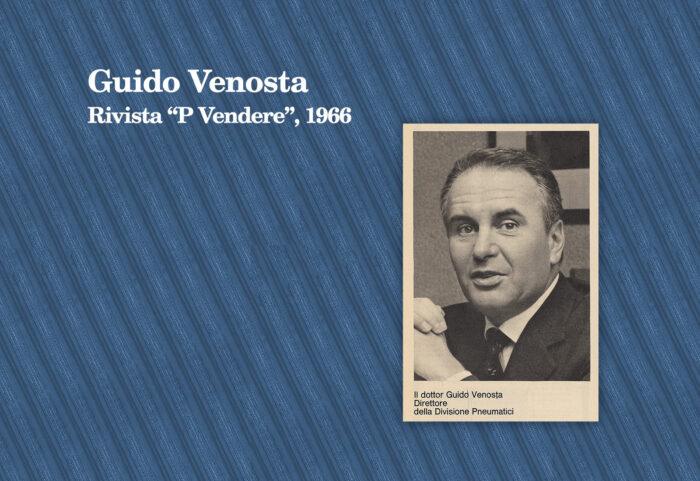
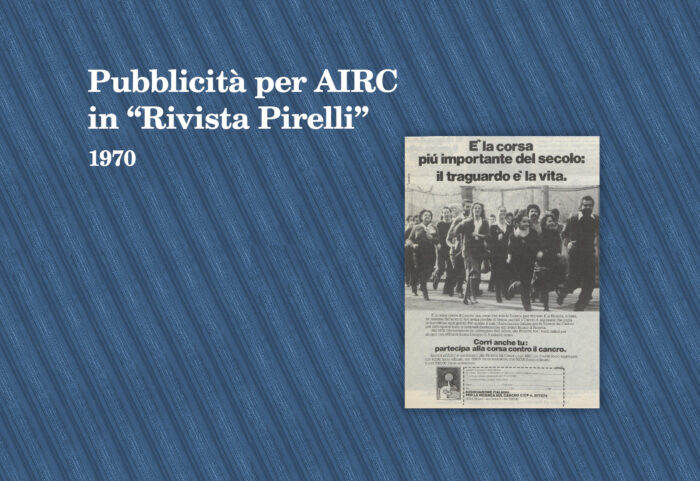
Pirelli joined AIRC in the mid-1960s, supported the association by hosting and producing its advertising, ensuring regular visibility in its internal publications, and backing public fundraising initiatives. Within Pirelli, AIRC found in Guido Venosta, Director of the Tyres Division, a key point of reference who helped shape the organisation’s communications and fundraising approach—an effort that led from music compilation albums featuring leading artists and sold in support of AIRC (1979–1981) to pioneering television formats such as RAI’s Storie al microscopio in 1995.

Guido Venosta and Pirelli: from the post-war period to retirement (1945–1977)

When things finally returned to normal, with the Pirelli brothers once again leading their company, Venosta was already a highly regarded senior executive. His command of English and familiarity with Anglo-Saxon customs, led him to pursue a career strongly shaped by international relations, culminating in 1956 with his appointment as General Manager (and later Managing Director) of Pirelli Ltd. After returning to Italy, he was placed in charge of the General Management of the Tyres Division, the backbone of Pirelli’s business, until 1970. He would conclude his career in 1977.

Guido Venosta and Pirelli: from the early years to the second world war (1939–1945)

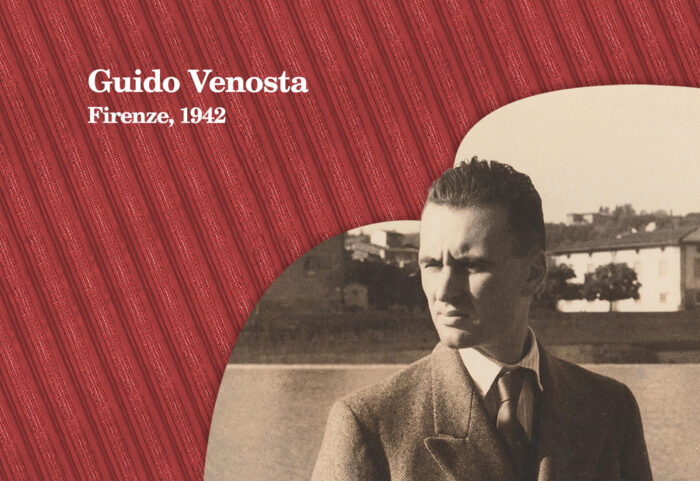
After earning two degrees—Economics at the University of Cambridge and Law at the University of Pavia—Guido Venosta entered the workforce: first, briefly, at Banco Ambrosiano, then at several Pirelli subsidiaries and affiliated companies. In July 1939, he was finally hired at the company’s headquarters, where he would spend his entire career.

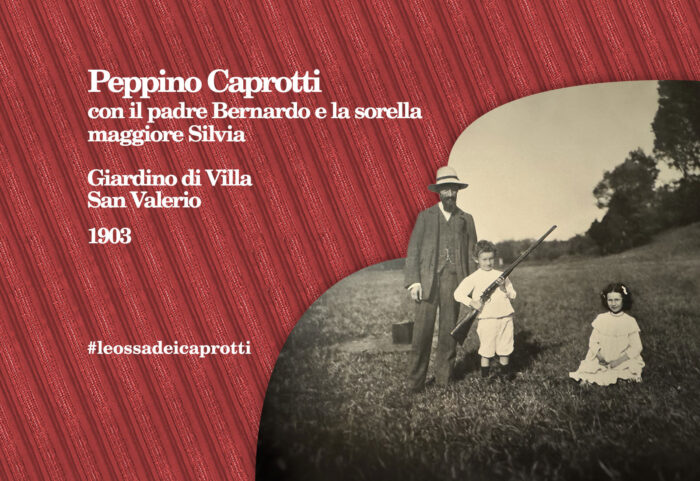
Peppino and Peppino Caprotti: America’s uncles and the Marshall Plan

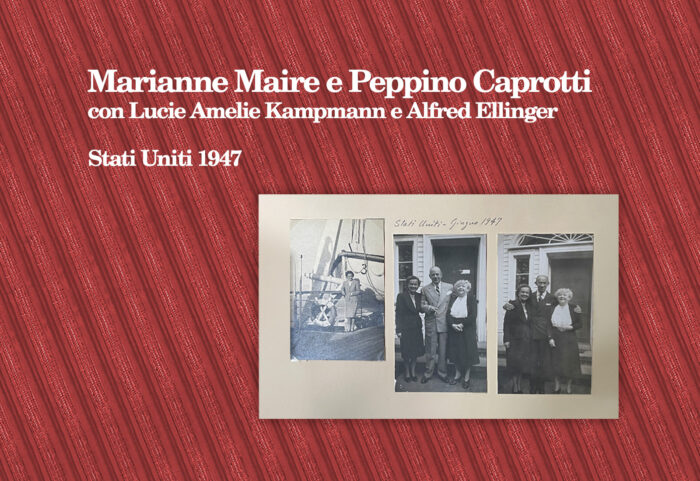
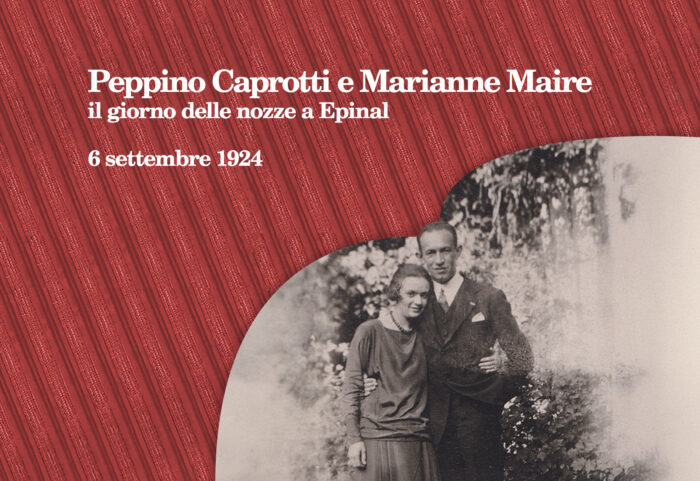
In 1893, Lucie Amélie Kampmann, one of the sisters of my great-grandmother Fernande – the mother of my grandmother Marianne Maire Caprotti – married Julian Ellinger, who was born in Baltimore, and moved with him to the United States. Their son Alfred, my grandmother’s cousin, would be instrumental in securing Marshall Plan funds for the Caprotti factory.

Bursinel, the castle on Caprotti’s lake

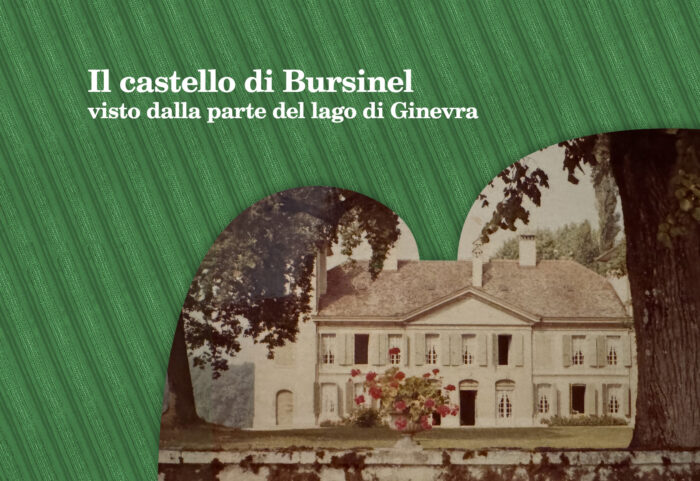
The castle of Bursinel, in the canton of Vaud, was bought after the war by grandfather Peppino, and together with Villa Nadina, in Forte dei Marmi, it is one of the places of the heart. At Bursinel we all get together, uncles cousins brothers grandmothers and great-grandmothers, and we children play for hours on the castle's large lawn. My father gave it to my sister who is selling it, much to my regret.

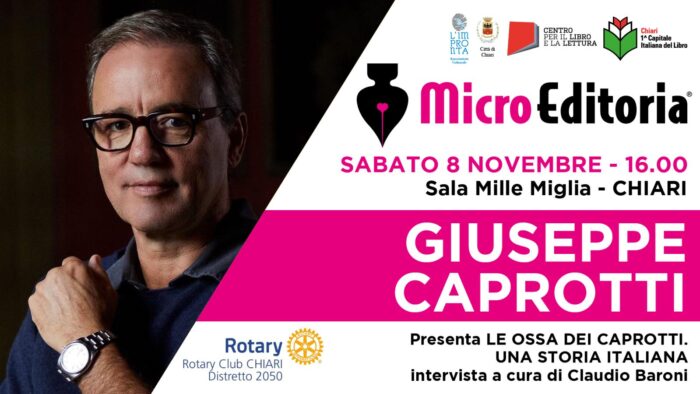
Le Ossa dei Caprotti” presentation – Chiari (BS) 8 November 2025 – Rassegna della Microeditoria Italiana

This video documents the presentation of my book Le Ossa dei Caprotti held on Saturday 8 November 2025 in Chiari (BS), as part of the Rassegna della Microeditoria Italiana. In the dialogue with Claudio Baroni, I recount the origin of the book, the work on the sources and the reasons that led me to reconstruct a family history marked by myths, conflicts and complex generational transitions

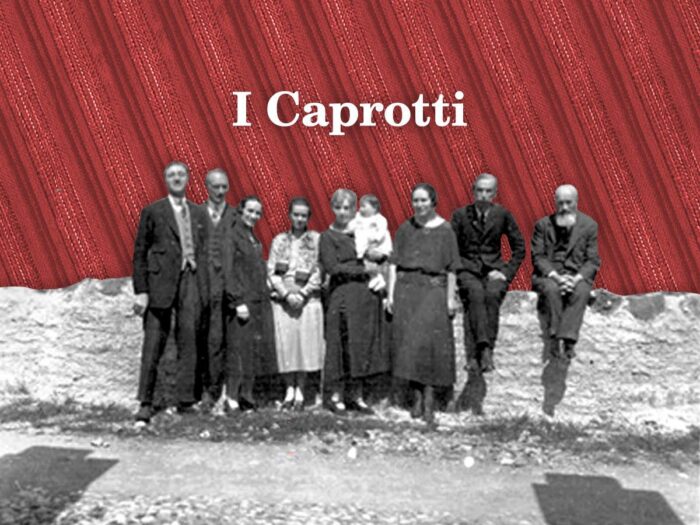
The Caprotti family: from textiles – with Manifattura – to Esselunga

The Caprotti story begins with Antonio del fu Giovanni Battista (1685). The family’s origins lie in agriculture and textiles, until 2009 when, partly due to a sharp drop in orders, the company’s top management decided to close the Manifattura after more than 179 years of activity. In the meantime, the Caprotti family took part in the founding of Esselunga in 1957