The story of the family that created the Esselunga myth

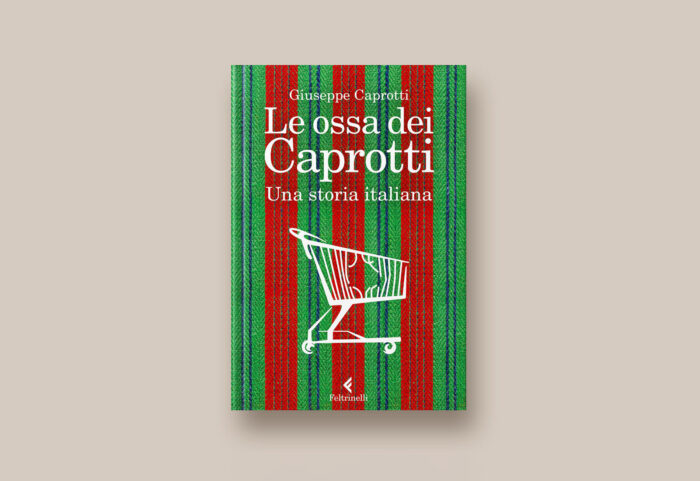
After years of meticulous research and historical reconstruction, my new book Le Ossa dei Caprotti is out. At the centre of the narrative, the events of my family from the textile business at the beginning of the 19th century to the birth and development of Esselunga, debunking myths and legends
Elba Island, Tenuta delle Ripalte, the lost paradise of childhood

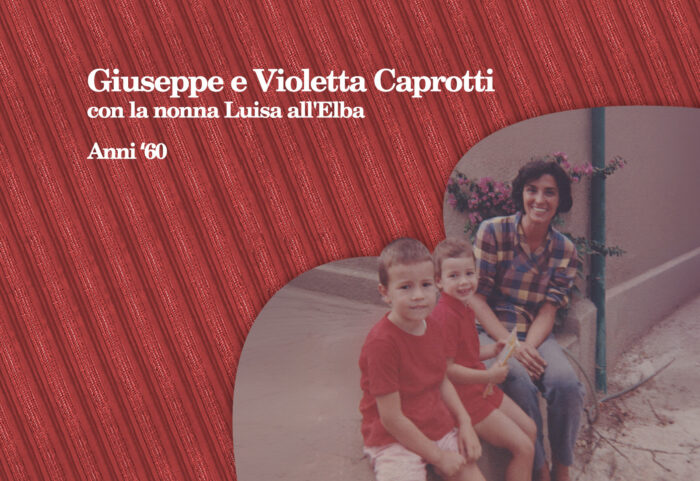
Shortly before the Second World War, Umberto Quintavalle, vice-president of Magneti Marelli and my maternal great-grandfather, bought the marvellous Ripalte estate on the island of Elba and turned it into a place of delight, especially for hunting, but also for relatives and friends to stay. When great-grandfather Umberto died in 1959, the property passed to one of his daughters, my grandmother Luisa Quintavalle, who was married in her second marriage to Marquis Nicolò Theodoli. With her, summer periods at Ripalte are one of the most beautiful childhood memories.

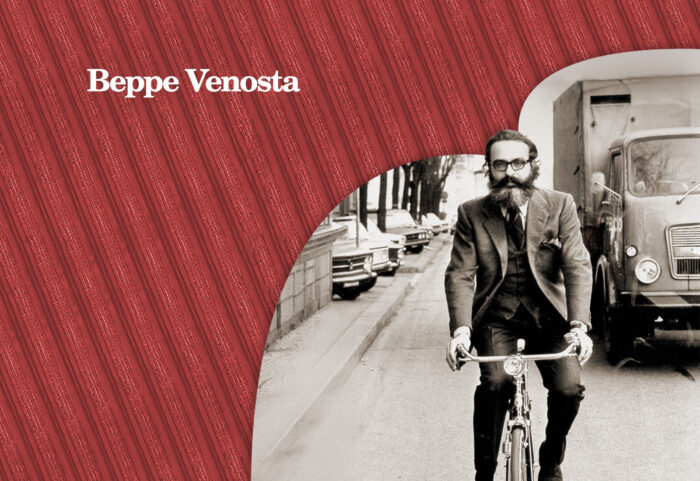
Uncle Beppo Venosta: an original and unconventional personality

Original and revolutionary Uncle Beppo, my mother Giorgina's brother, was an original and revolutionary type, a great Carlo Marx-like beard and an active participant in Sixty-Eight and the '68ism' that followed. A journalist of great class, foreign correspondent from the Middle East for many years, an ironic and provocative person, he died of cancer, the disease that his father, grandfather Guido Venosta, had fought so long and so effectively with AIRC. Grandfather fortunately did not have to see him, having died the year before.

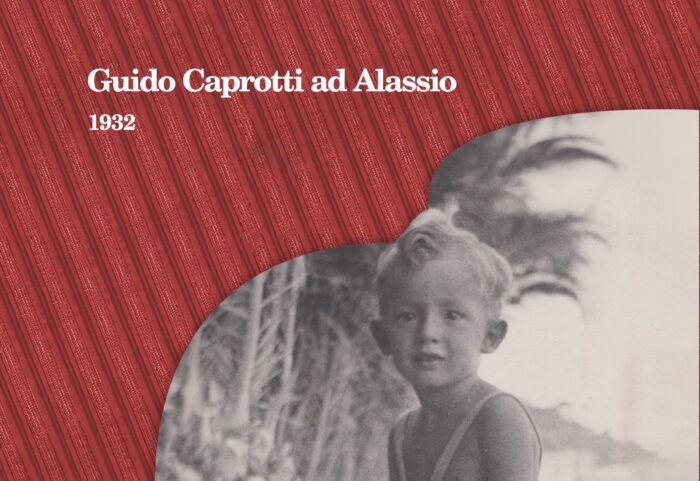
Guido Caprotti, the less famous brother

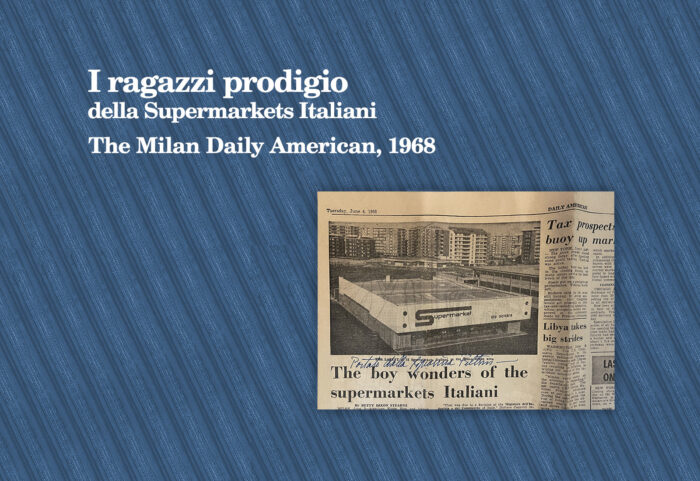
Guido Caprotti was one of the pioneers of large-scale distribution in Italy, a partner from the beginning of 'Supermarkets italiani' (later Esselunga), he later founded with Marco Brunelli 'La Romana Supermarkets' (later GS). Later he and his brothers bought the majority of Esselunga from the Americans. Despite this role, his name has remained at the margins of the public narrative. Unjustly so. Because to his and Brunelli's intuition we owe an important part of the start of modern distribution in Italy. It is no coincidence that back in 1959, La Stampa described him as 'a giant of entrepreneurship'.

The Albiate bridge and Mayor Peppino Caprotti

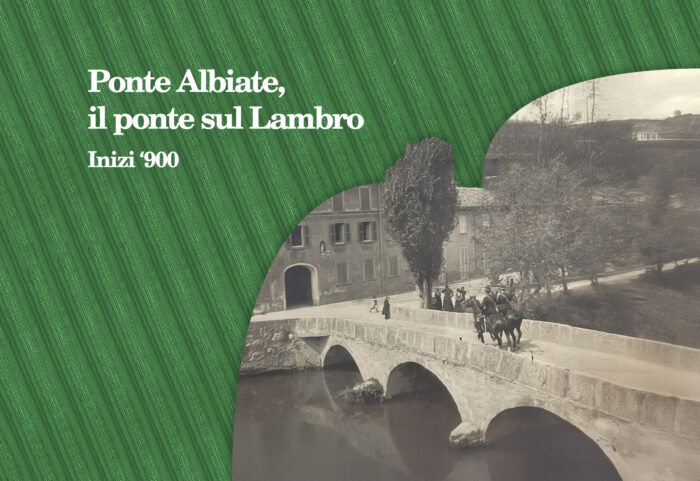
In the early 1950s, the 19th-century bridge in Albiate, built at the time of carts and wagons, was now inadequate for modern vehicle traffic and too low to withstand the flooding of the Lambro. The municipal council led by Peppino Caprotti, my grandfather, who was elected mayor in the summer of 1951, began to deal with it, because in that very year the Lambro was still overflowing. During his brief period at the head of the Albiatese municipal administration (he died in a car accident the following year), Peppino had time to lay the foundations for the important project to rebuild the bridge.

Peppino Caprotti, Alberto Sartoris and the school and family chapel projects in Albiate

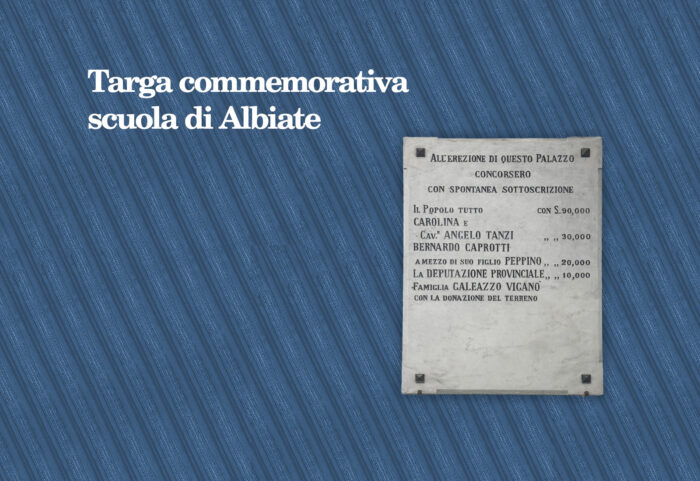
After the First World War, Albiate underwent a phase of great transformation and in 1929 inaugurated the new town hall, destined to serve as town hall, school and clinic, also as a memorial to the 60 fallen and missing in the town. The building was realised thanks to a collective subscription and the contribution of several benefactor families, including the Caprotti family. In the archives of Villa San Valerio emerges the correspondence between my grandfather Peppino Caprotti and the architect Alberto Sartoris, who was commissioned to design both the building and the family chapel in the Albiate cemetery.

Giuseppe Caprotti: ‘From trolleys to history, the luck of living more lives’

What will we read about in your new book? ‘I tell another side of the family through two extraordinary explorers: my eponymous ancestor Giuseppe Caprotti, who lived thirty years in Yemen, and my great uncle Gianni Albertini, a skier and mountaineer who explored the North Pole’.

Peppino Caprotti – Final tragedy, honours to the Mayor

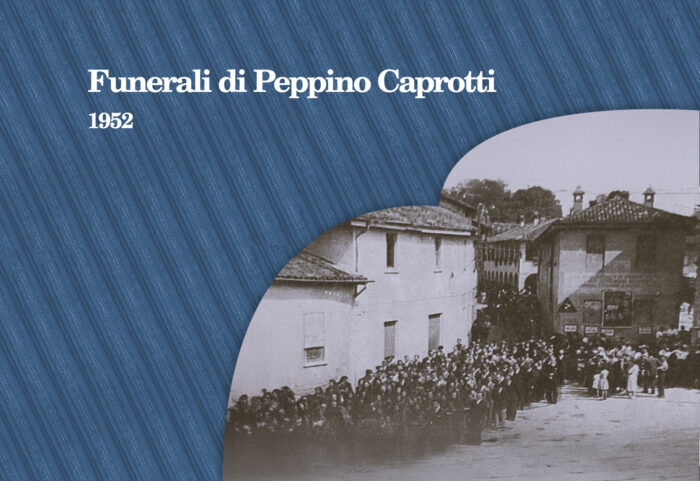
In June 1952, grandfather Peppino died in a car accident while returning from a deer hunt in Austria. Peppino had been elected mayor of Albiate only a year earlier. A few days later, the whole town attended the mayor's funeral. Peppino was also remembered in the first of the annual pamphlets that the municipal administration published at the end of each of its terms. The story of Peppino and his family has always intersected with that of his village, and in "Le Ossa dei Caprotti" I have narrated it.