
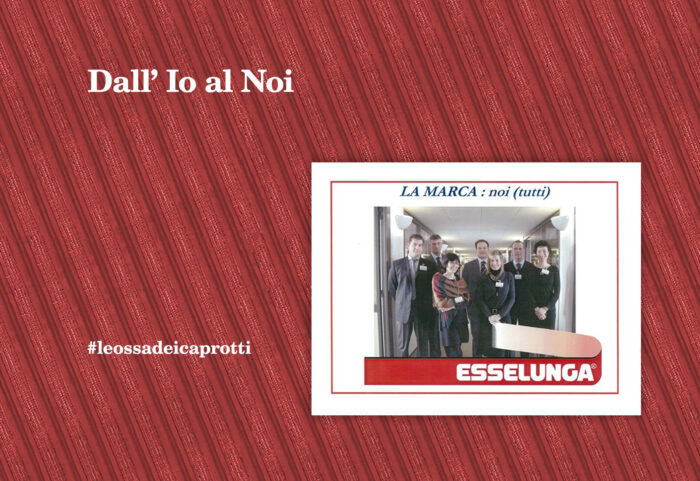
Giuseppe Caprotti’s social commitment at Esselunga: caring for the environment, for people
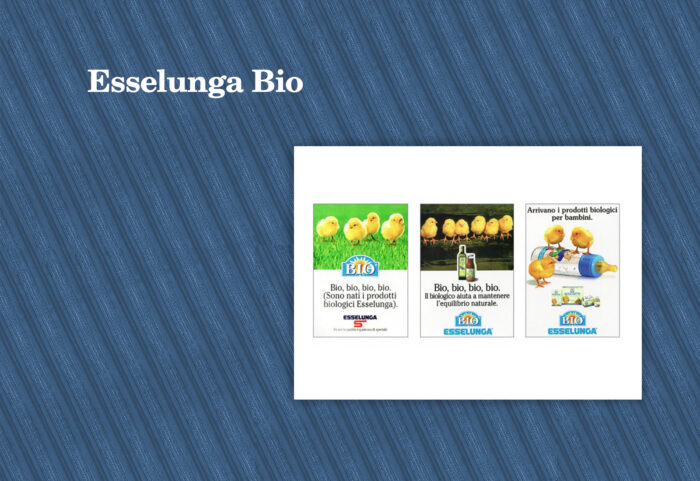
The one related to care and concern for the environment is a project that goes back a long way, to the 1980s, the first years I spent at Esselunga, and began with organic and natural products in general. It is also the project I am most fond of because it had a soul, a social purpose, as well as a business purpose.
Giuseppe Caprotti’s social commitment at Esselunga. The people: the customers
How, with the involvement of staff and customers, we went from the quality and convenience of the Americans and my father to 'total quality' and a true love affair with Esselunga customers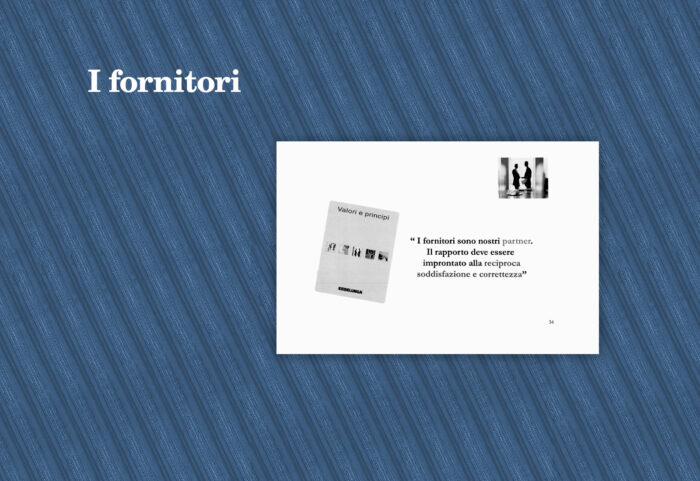
Giuseppe Caprotti’s social commitment at Esselunga. The people: the suppliers
From payments to new rules, suppliers are seen as key partners in Esselunga's 'virtuous circle' (staff - customer - supplier).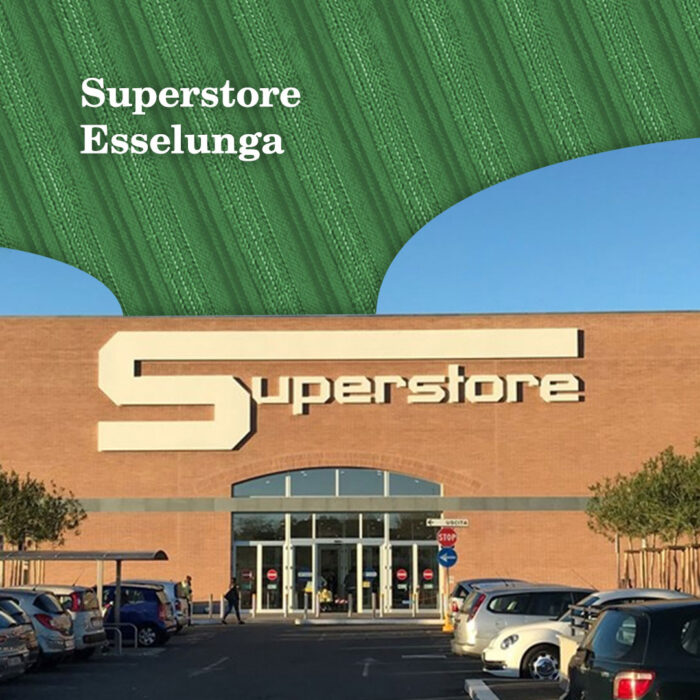
Domenico Sannelli about Giuseppe Caprotti
Time puts everything in its place. Esteem and consensus, the genuine kind, cannot be bought and, above all, cannot be imposed
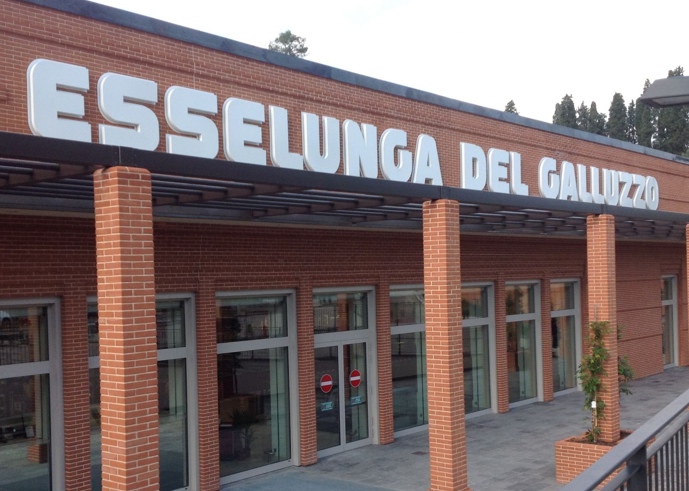
Caprotti re-enters an Esselunga and gets excited, Il Cittadino of 5 July 2025
“Human relationships are intangible goods that no one can take away from me: it’s been years, but with some it’s as if we spoke the day before.”
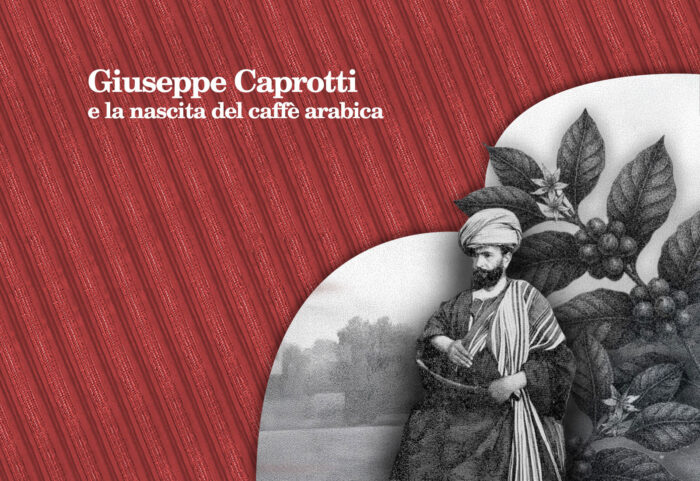
Giuseppe Caprotti and the history of Arabica coffee, Yemen’s treasure
The popularity of coffee consumption in Yemen began in the 15th century and until the end of the 17th century the world's coffee supply came almost entirely from there. Among the traders dealing in coffee was Giuseppe Caprotti who was in contact with my great-great-grandfather Giuseppe Beppo Caprotti, known as Beppo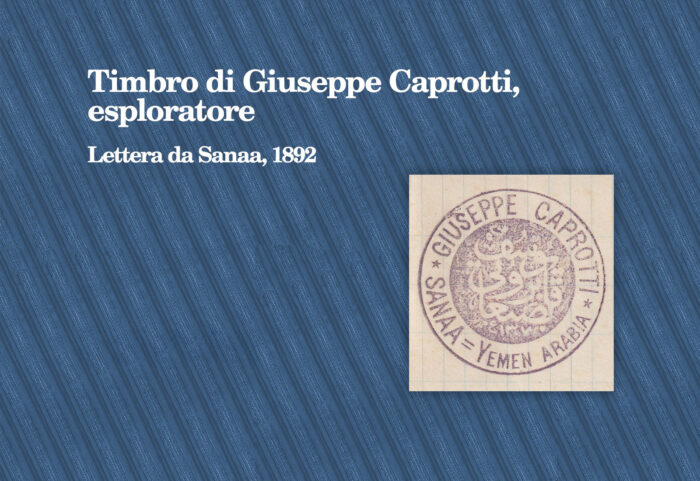
Giuseppe Caprotti explorer: coffee and Brianza
Yemen is one of the oldest coffee-growing countries in the world; that is where the highly prized Arabica quality comes from. Giuseppe explorer, who lived in Sanaa for over thirty years, traded large quantities of it, and some of it ended up in Brianza, with his namesake Giuseppe Caprotti, known as Beppo, my great-great-grandfather.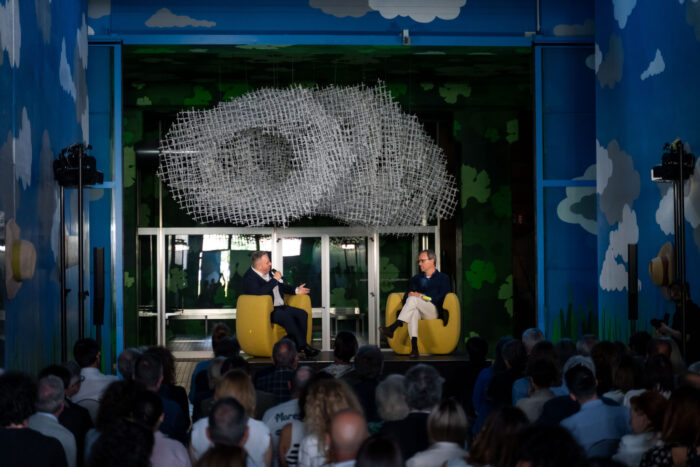
Le Ossa dei Caprotti” presentation, L”Astemia – Barolo, 29 May 2025
“Reading History to Understand the Present and Hypothesise the Future”. I had the pleasure of speaking at the Demetra Talk that took place in Milan on 25 March 2025 at the Sala Convegni of Palazzo Recalcati with the moderation of David Berera
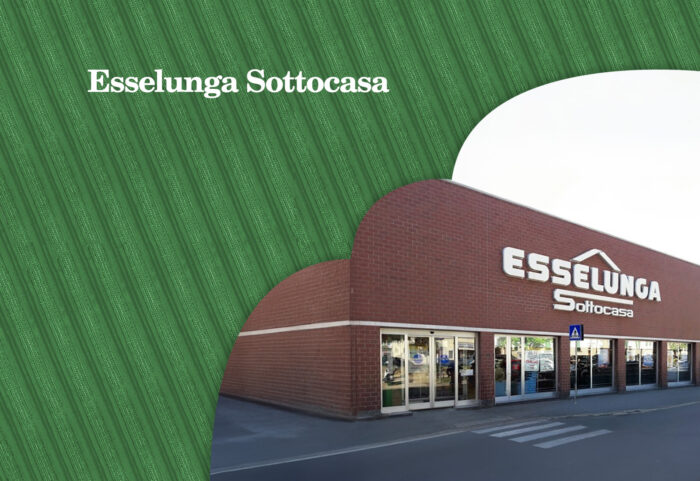
Esselunga Sottocasa, small shops, big opportunities: why invest in the proximity format
Proximity shops are perfectly suited to the Italian urban structure: in smaller towns they are the only truly sustainable solution, while in large cities, such as the centre of Milan, the smaller format is often the only logistically and economically viable option
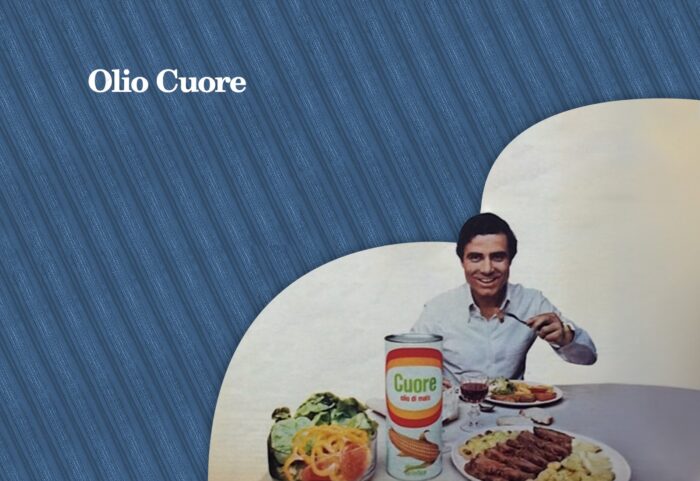
Olio Cuore: why we pay double for it
Cuore oil is an example of how communication and nutritional enrichment can make a product perceived as ‘special’ that, in fact, is similar to others
Esselunga’s operating result
One of the many stories that have circulated about me is that I would have brought Esselunga poor financial results for 2003 and that this would have led to my removal. Nothing could be more untrue. If you look at the numbers, you can see that the 2003 Ros, compared to that of the early 1990s, was decidedly better, thanks in part to careful management of contracts with suppliers (see the example of Barilla) and to the negotiations carried out in the ESD Centre
