
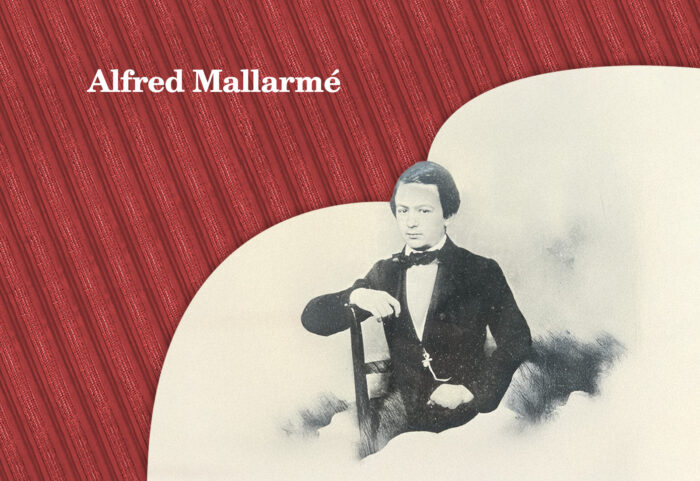
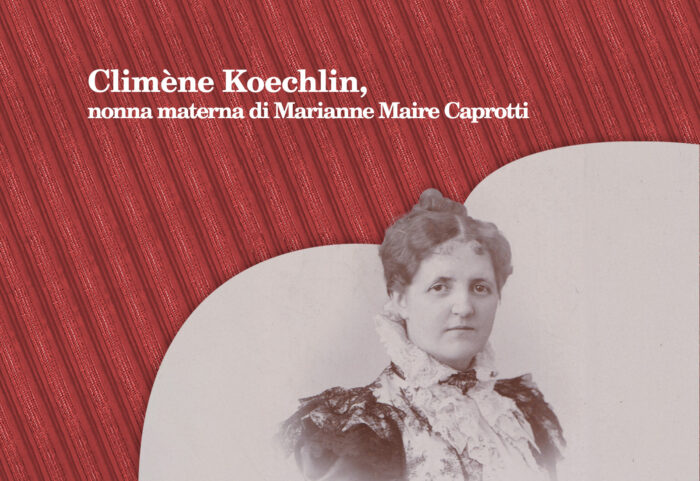
Caprotti’s French origins: the Koechlin family, talents for France
The Koechlin family, originally from the German-speaking part of Switzerland and settled in Alsace, played a leading role in the textile industry in Mulhouse from the 18th century onwards, distinguished by numerous illustrious members: industrialists, chemists, artists, politicians and the engineer Maurice Koechlin, designer of the Eiffel Tower and the Statue of Liberty.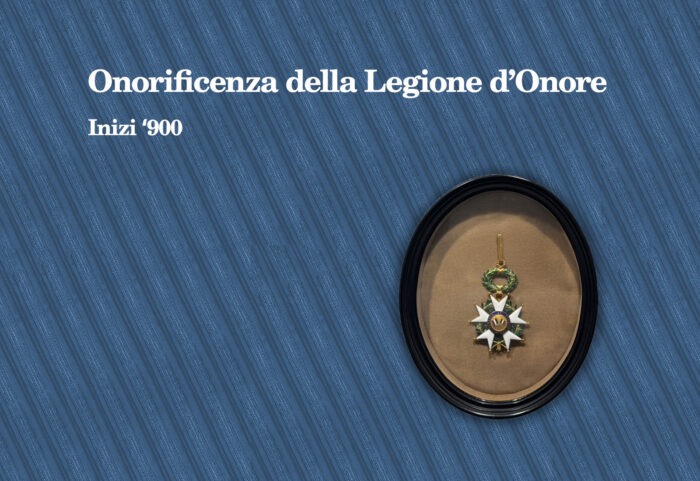
Caprotti’s French origins: the Koechlin family, talent for France and 24 Legion of Honour
The Koechlin family, of Alsatian and Swiss origin, has distinguished itself in various fields of French industry and culture. Twenty-four of its members have been awarded the Legion d'Honneur, France's highest honour. Among the awardees were Daniel Koechlin-Schouch for textile research and Maurice Koechlin, designer of the Eiffel Tower.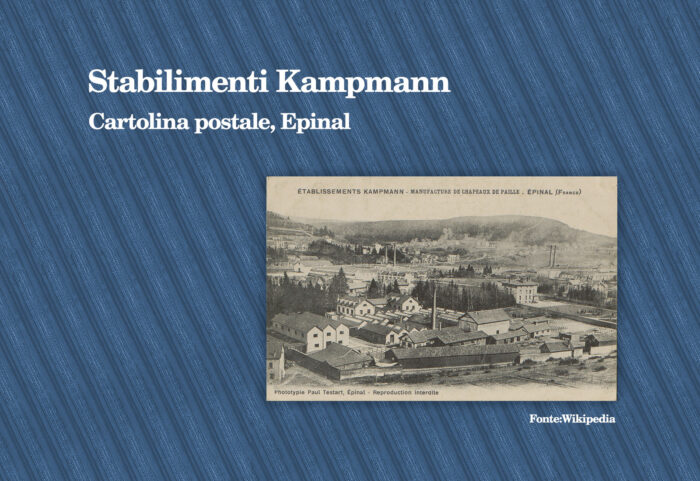
Marianne Maire’s French origins in Caprotti: Kampmann in Épinal with the most fashionable straw hats in France
The Kampmann family, originally from Alsace, created a dynasty in the straw hat industry, started by Louis-Chrétien in 1838 in Strasbourg and continued by his son Alfred-Léon in Epinal. The factory enjoyed great fame in France, employing thousands of people and exporting all over the world, until it closed in 1924.
Guido Caprotti and Marco Brunelli, from the old days
A post-war trip to Switzerland: Guido Caprotti and Marco Brunelli, high school students and inseparable friends, together with Guido's parents, Peppino and Marianne Caprotti, and his brother Claudio Caprotti. From that friendship was born, years later, the adventure of the first supermarkets in Italy, Esselunga and then GS.
The youthful friendships of Giorgina Venosta, Lu Austoni, Claudio, Guido and Bernardo Caprotti
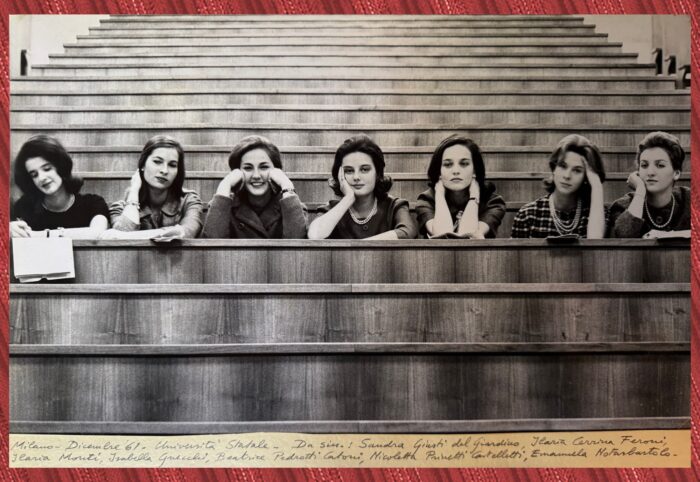
These photos represent an era - the 1950s and 1960s above all - but also many friendships, of a lifetime. Most of these pictures were taken in Forte dei Marmi, on the beach, at Villa Nadina or at the Capannina, at the time of the 'dolce vita'.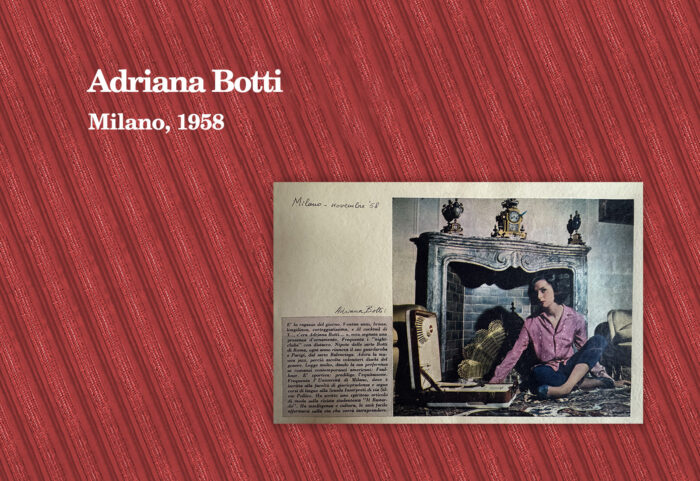
Adriana Botti and ‘La dolce vita’ by Federico Fellini
"Adriana Botti, the girl Fellini had chosen from hundreds of candidates for the role of Maddalena in the film'La dolce vita' (see 'Oggi' no. 8), informed the director that she could not accept the part."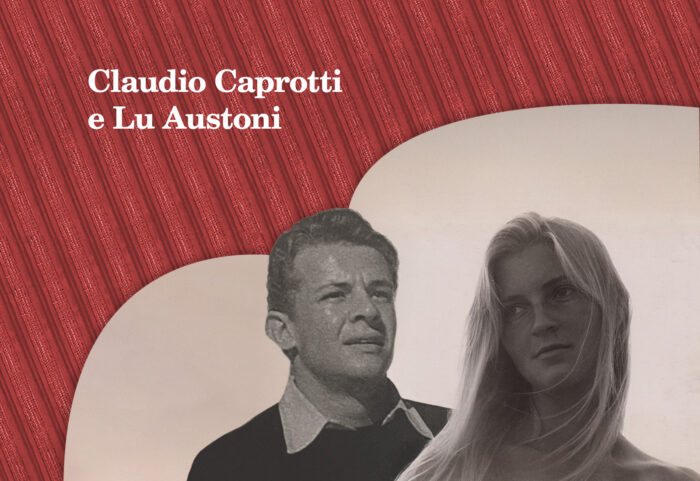
Claudio and Lu: ‘Life flew by’
Claudio and Maria Luisa Austoni (a.k.a. Lu) know each other as little more than children; over time their feelings grow deeper, but fate separates them, making her the wife of Claudio's second brother, Guido. They will still have their season, which will cost them all much grief.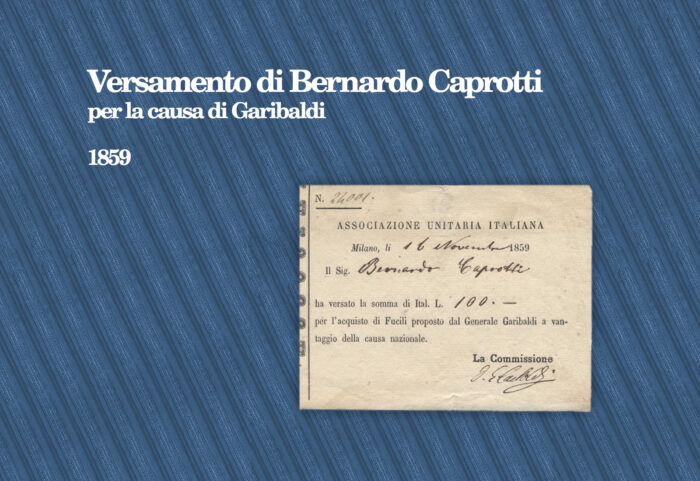
Bernardo Caprotti of Giuseppe and contributions for Giuseppe Garibaldi
Bernardo's irredentist sympathies can be confirmed by the receipt of the Italian Unitarian Association to which, on 16 November 1859, he paid 100 lira to purchase rifles proposed by Giuseppe Garibaldi for the 'national cause'. The sum, however, while certainly not low, is prudent: only 100 lira. The money, the real money, is destined for business.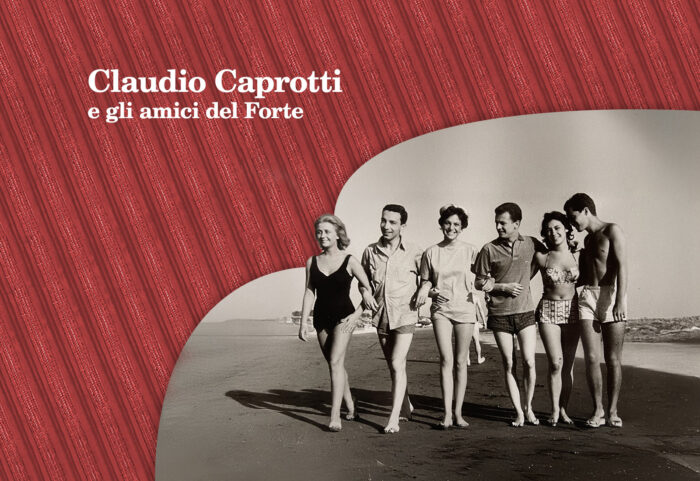
Claudio Caprotti: Forte dei Marmi at the time of ‘la dolce vita’
Claudio Caprotti, a boy and then a young man, is perhaps the one who most enjoys the bright season of the 'best youth' who spends his summers in Forte dei Marmi, where the Caprotti family owns one of the most beautiful villas in the area, Villa Nadina.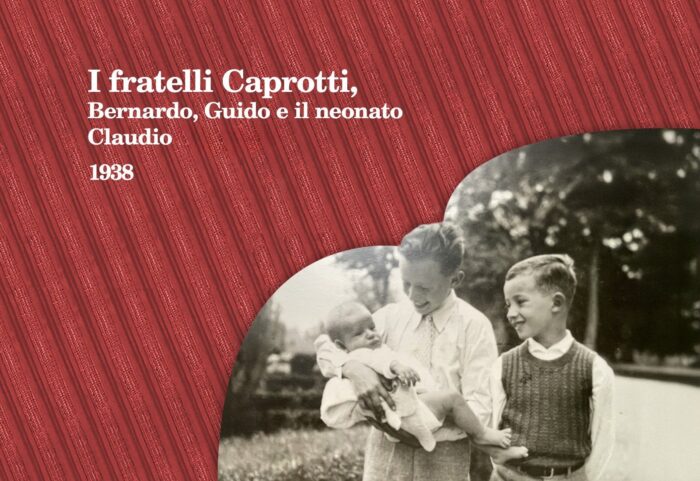
Claudio Caprotti: childhood and education
Uncle Claudio, the last of my father's brothers, was born in 1938, 13 years after Bernardo and 9 years after Uncle Guido. Passionate about art and a good painter, he gave up turning his passions into a profession to take a degree in economics and commerce, a degree much more useful for a future entrepreneur.
About my ouster from Esselunga, from Il Foglio of 25 August 2025
Giuseppe Caprotti, Bernardo Caprotti’s son, brutally ousted by his father while he was at the helm of Esselunga and marginalised by his stepmother Giuliana, the main heir together with his daughter Marina, has written his book-truth: “Le Ossa dei Caprotti”, published in 2023 by Feltrinelli… Stefano Cingolani, Il Foglio
