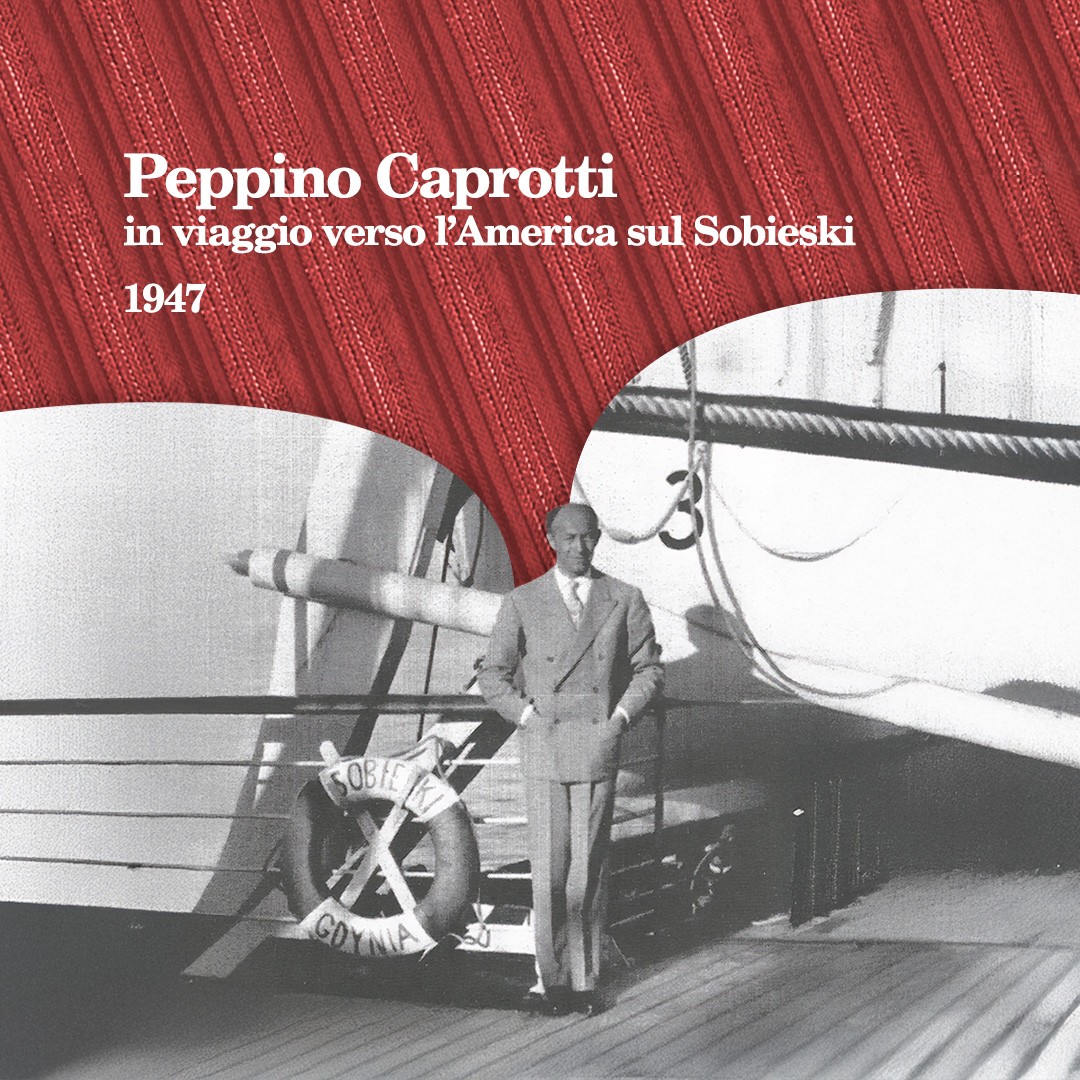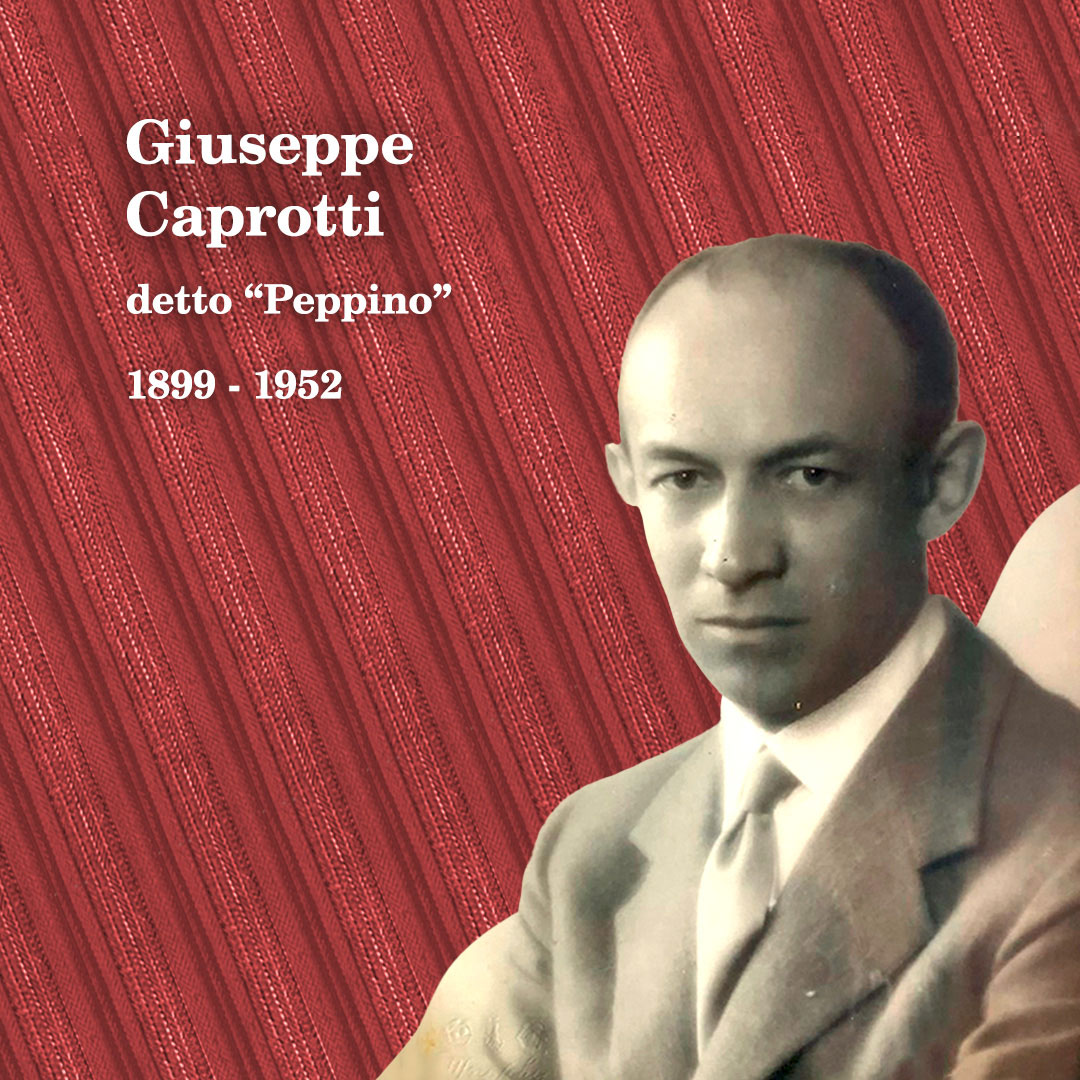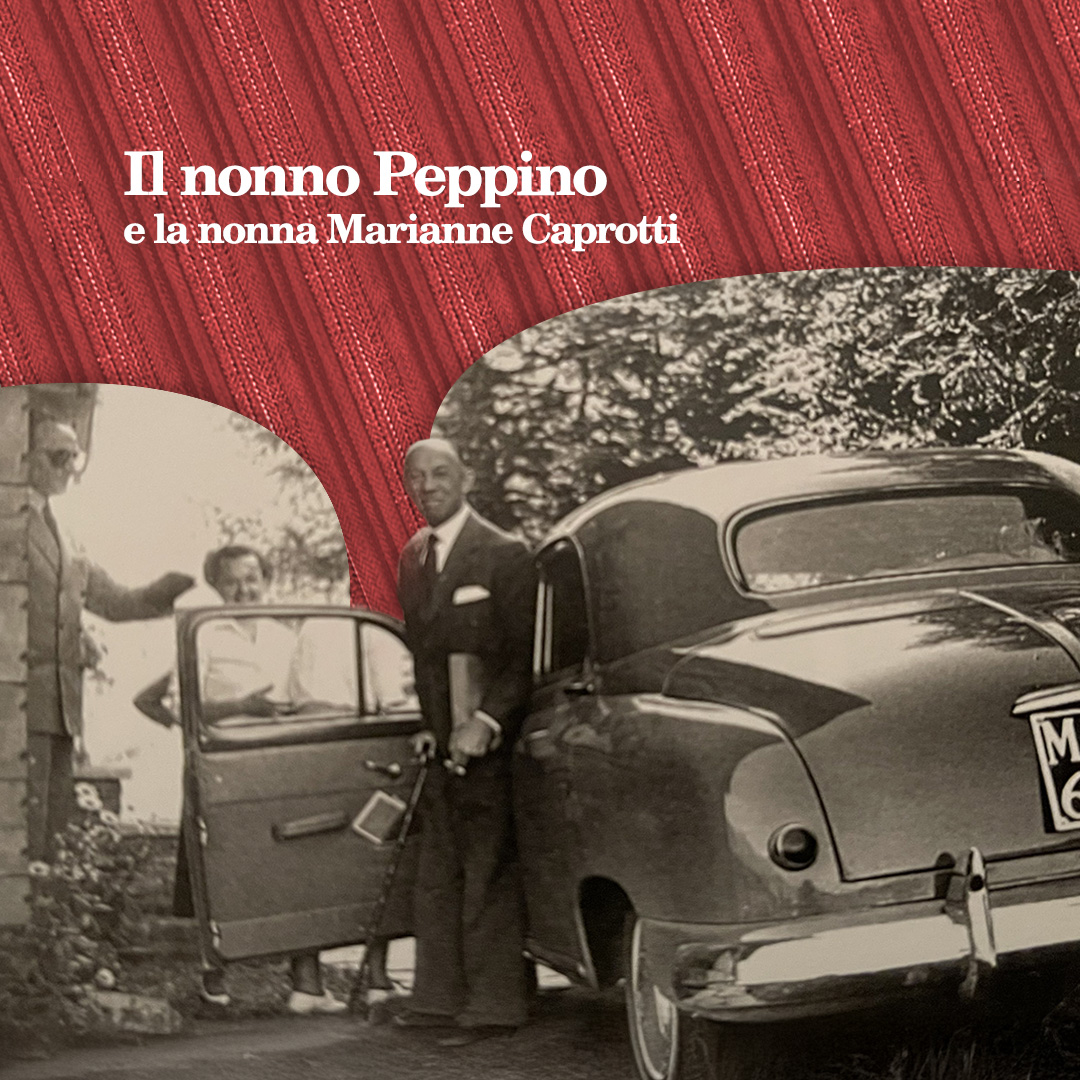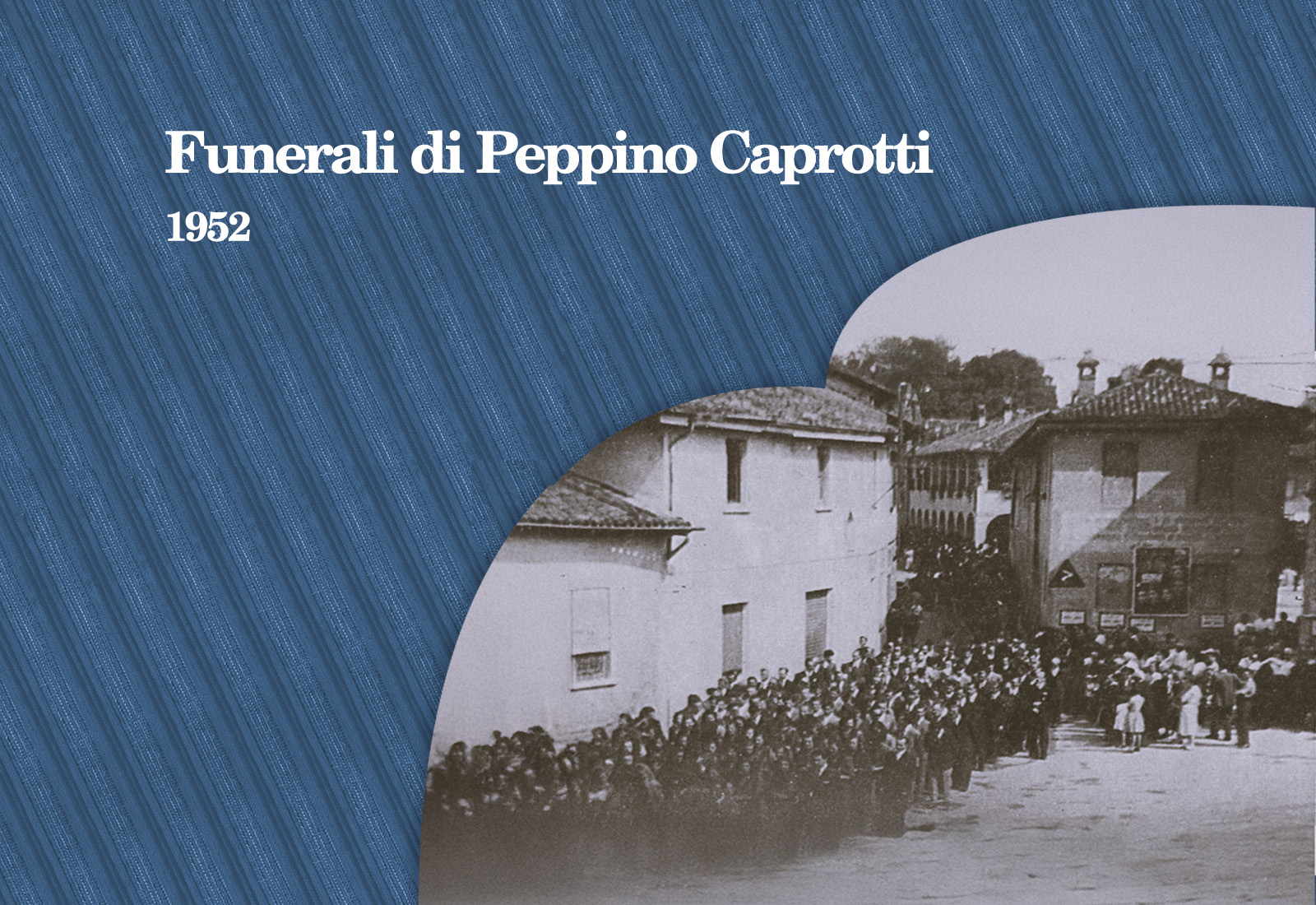
In June 1952, grandfather Peppino died in a car accident while returning from a deer hunt in Austria. Peppino had been elected mayor of Albiate only a year earlier. It was his eldest son, my father Bernardo, then not even 30 years old, who ran to the scene of the accident to recognise and bring home his father’s body.
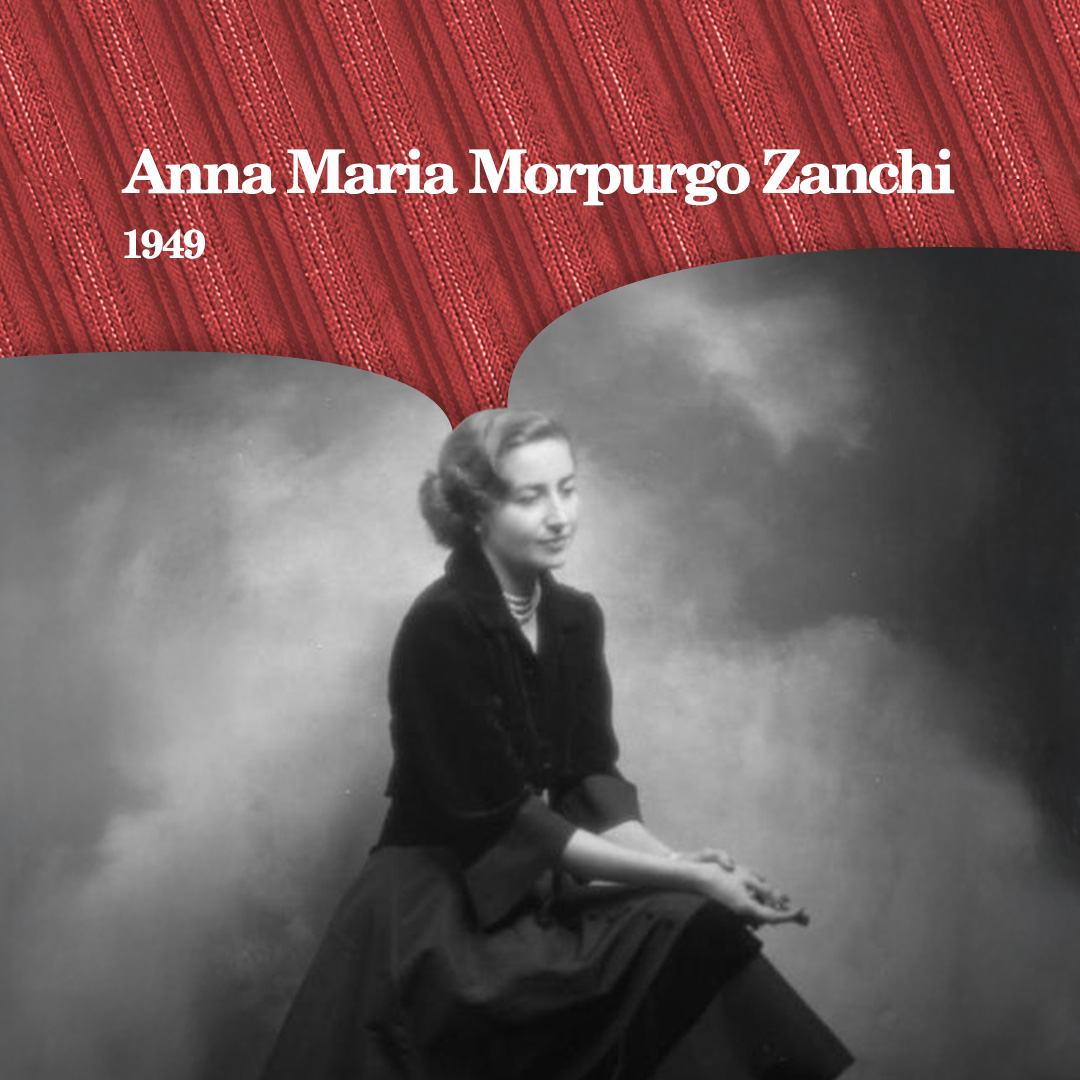
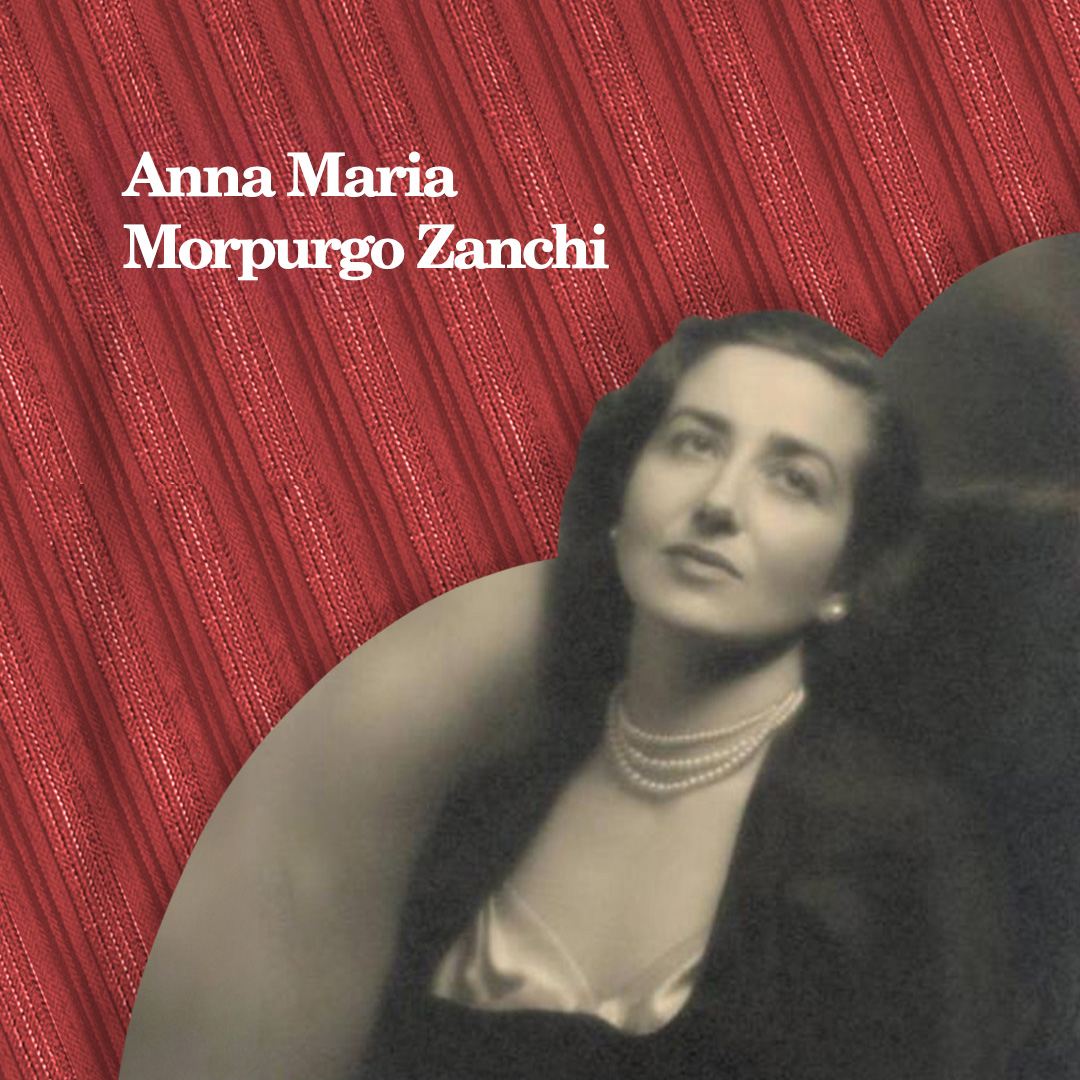
Beside him, alive but seriously injured, was the woman with whom, we later learned, he was having an affair, Anna Maria Morpurgo Zanchi, portrayed in a shot by the famous photographer Sommariva (1949).
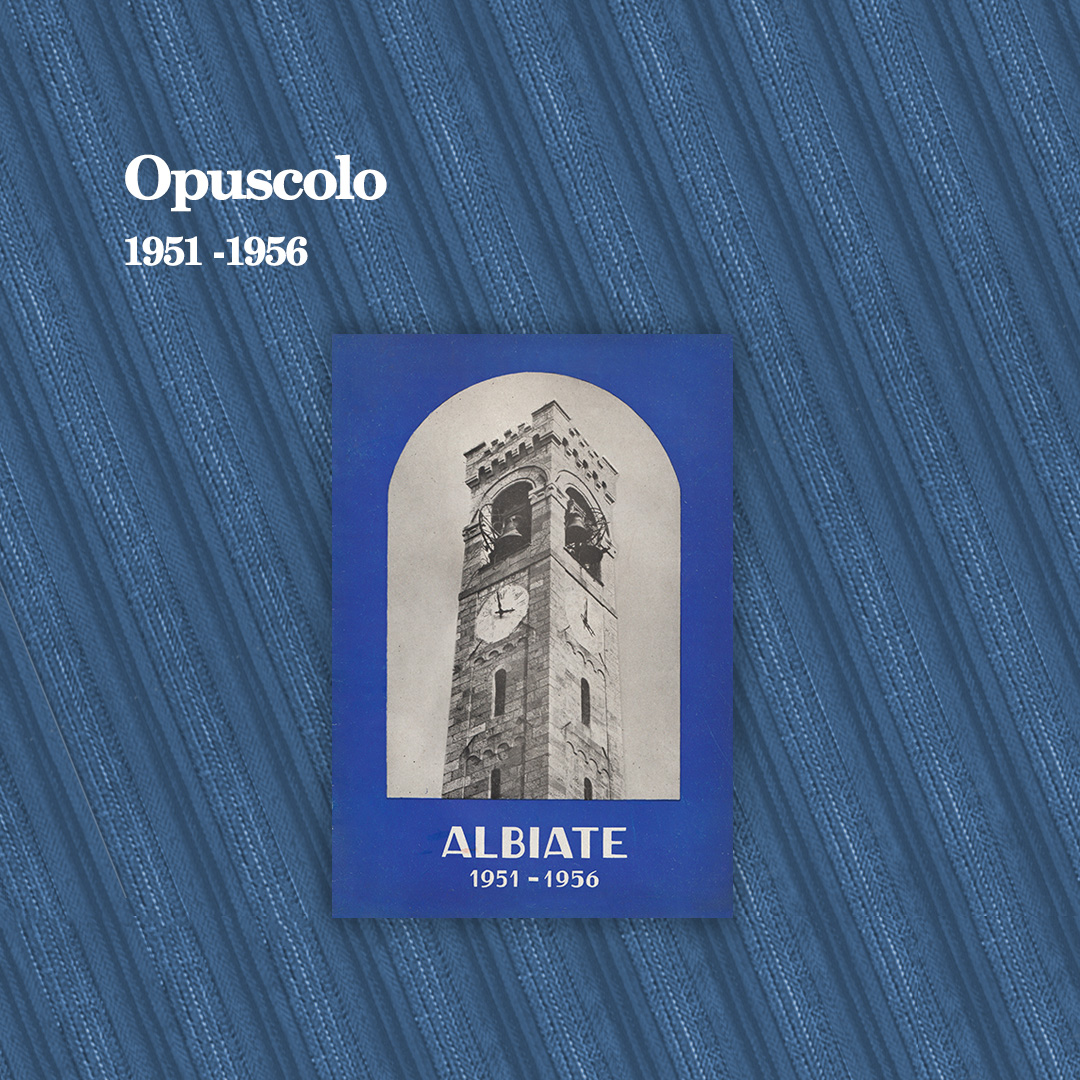
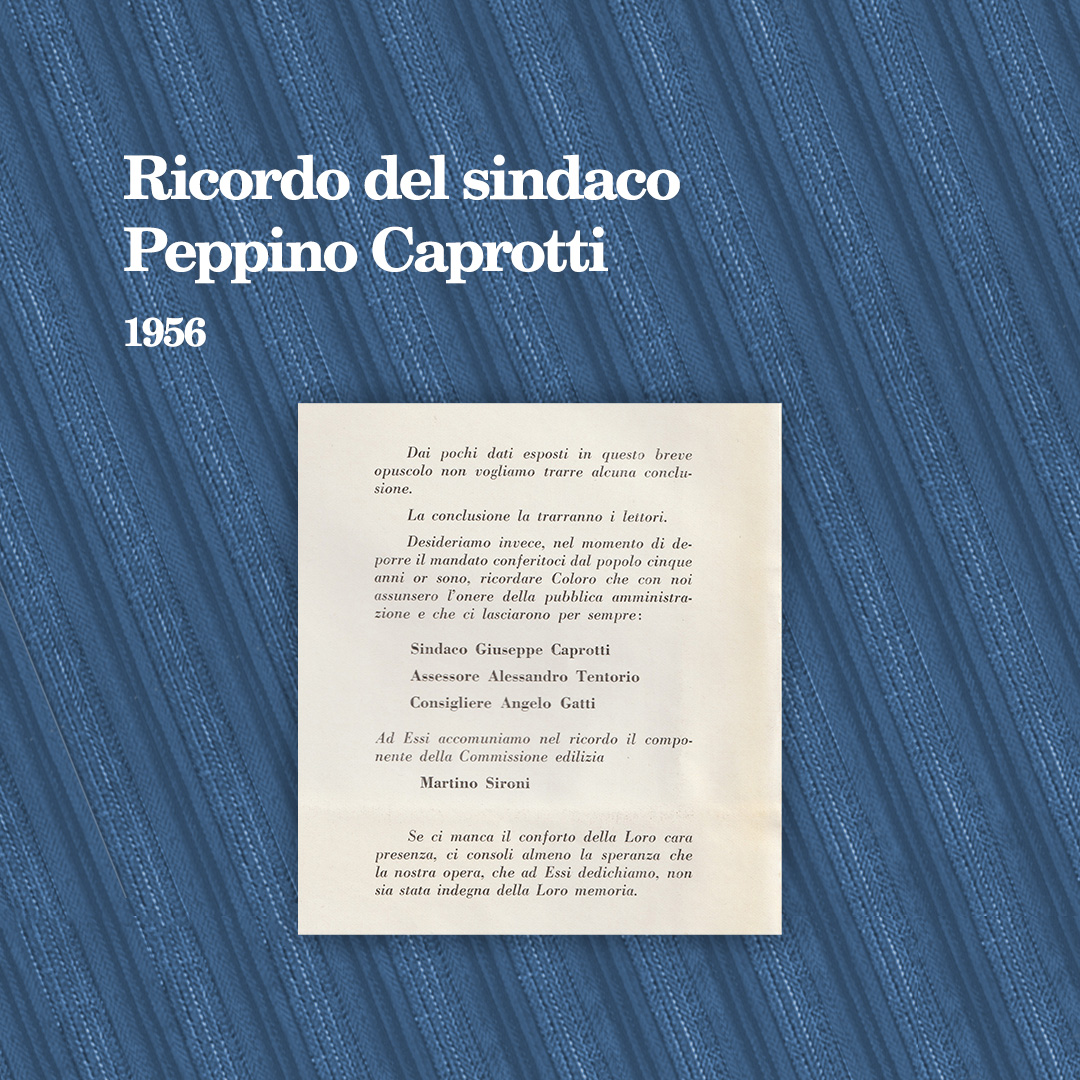
A few days later, the whole town took part in the mayor’s funeral. Peppino was also remembered in the first of the annual pamphlets that the municipal administration published at the end of each of its terms.
The story of Peppino and his family has always intersected with that of his village, and in ‘Le Ossa dei Caprotti‘ I have narrated it.
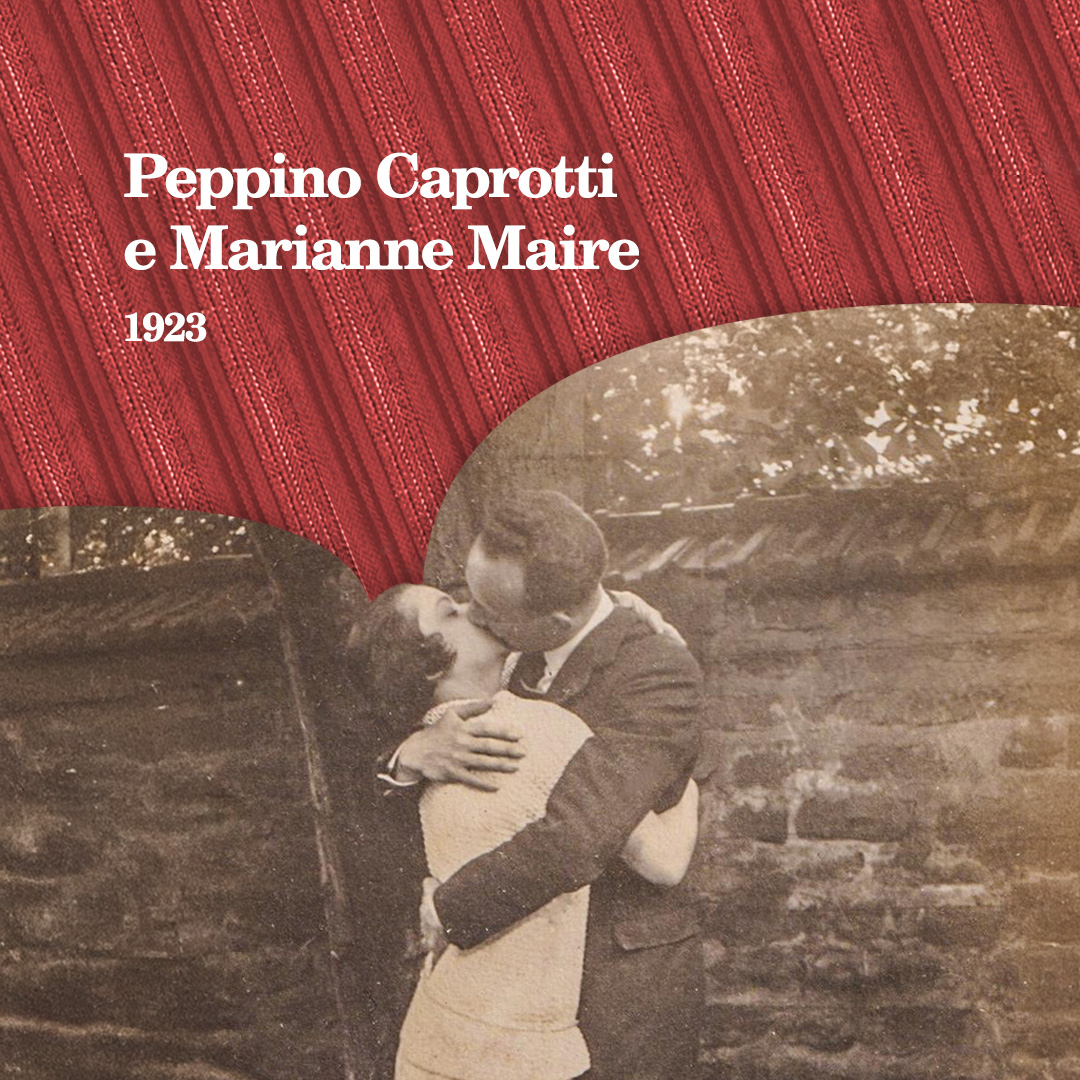
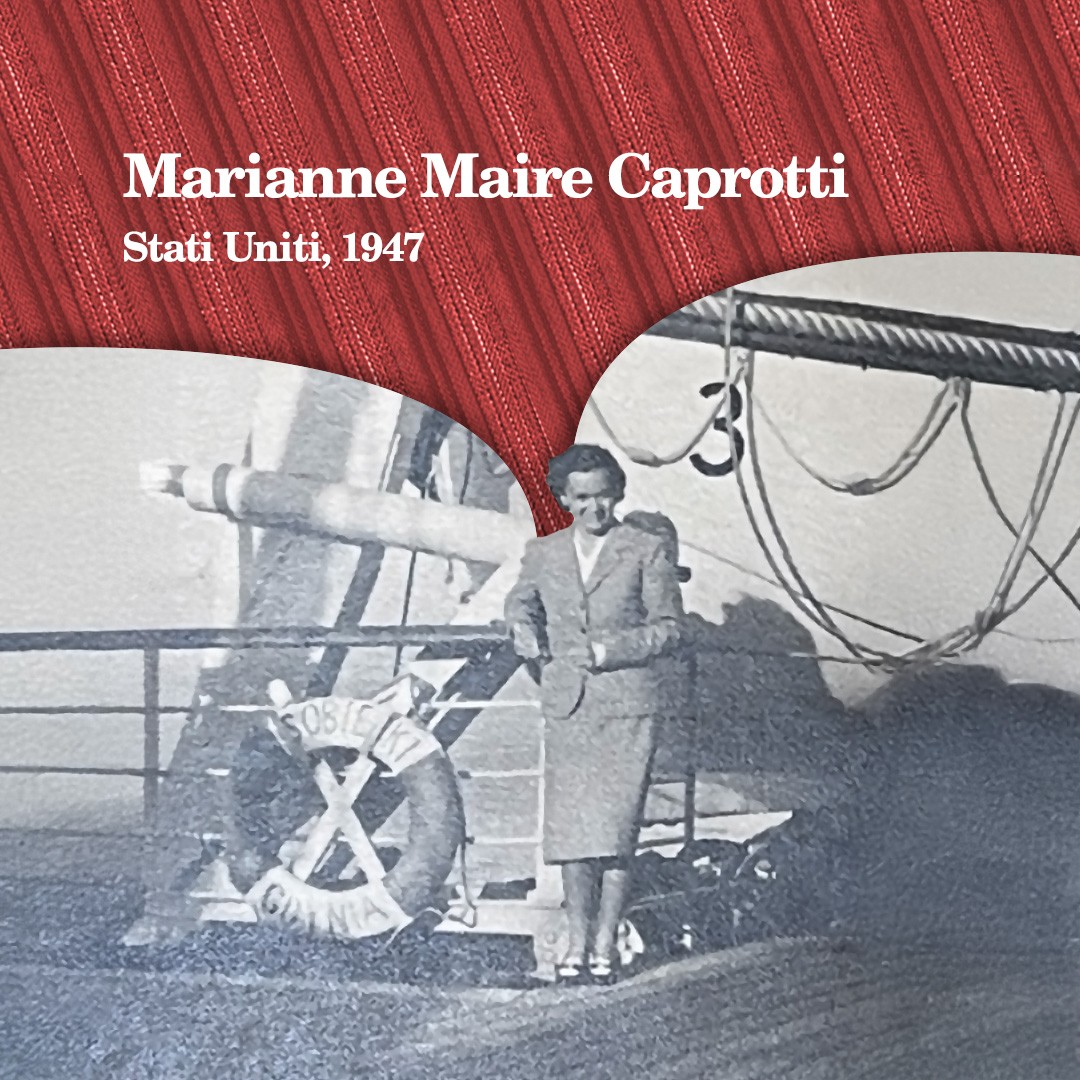
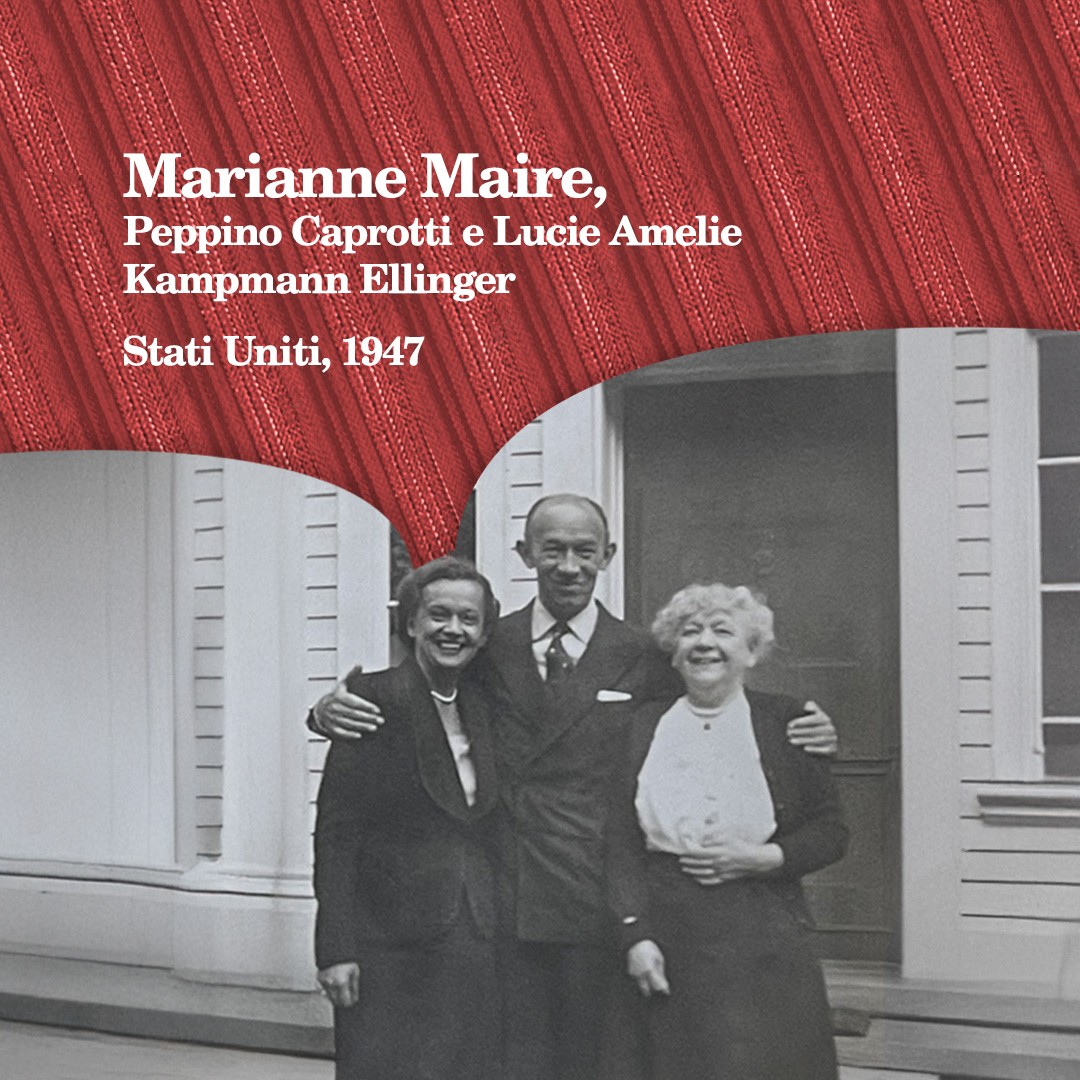
“(…) Friends tell that his grandfather and grandmother Marianne were a passionate couple, until he met Anna Z., the woman who was with him in the car in the fatal accident in 1952, and found himself burning with passion once again. Many years earlier, when he was still in Épinal [in France, where he met his grandmother, ed.], his mentor Guido [brother of his mother Bettina, ed.] had picked up on this aspect of his grandfather’s character: ‘Like me you need to love always and fatally’ he had written to him, criticising his excessive sentimentality.
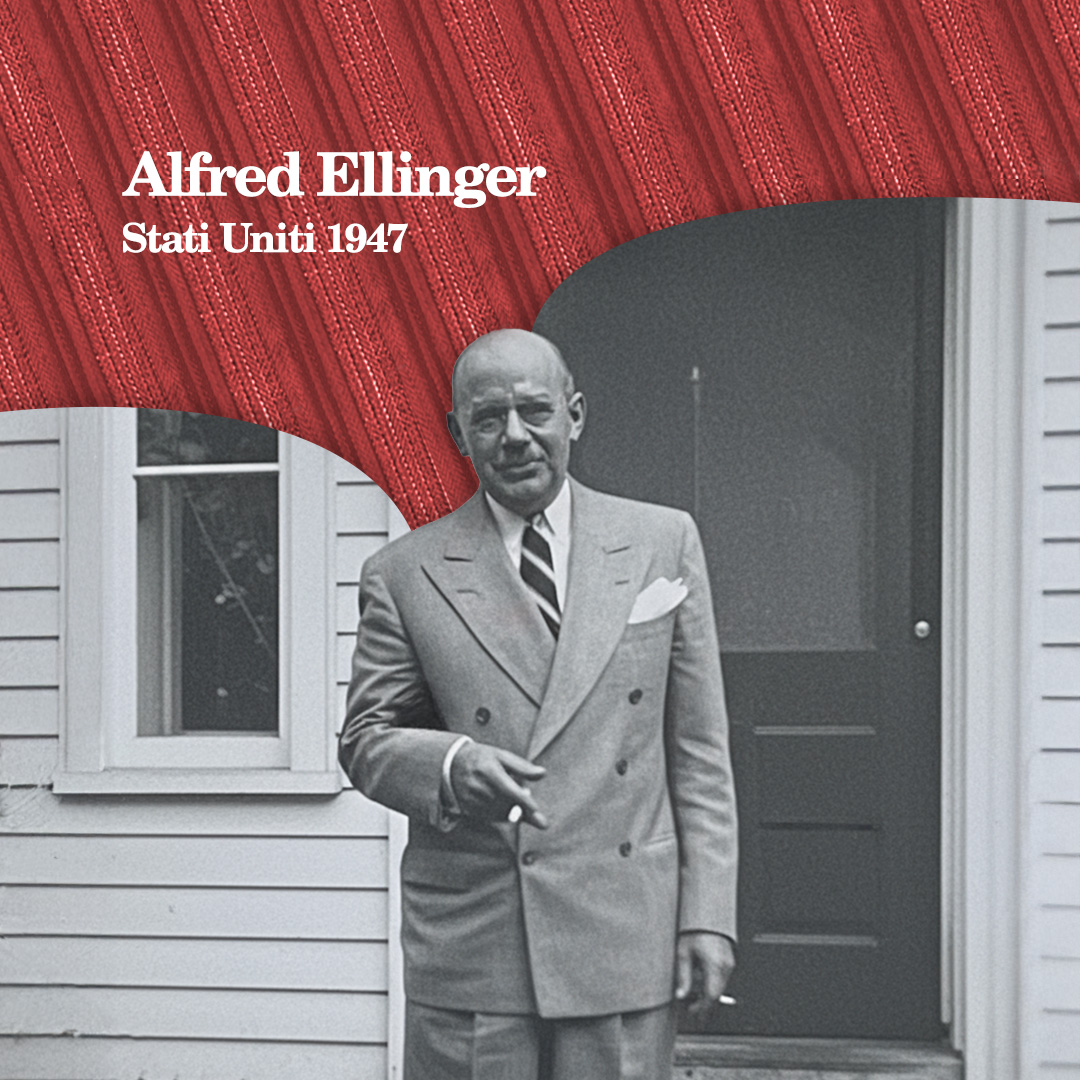
In France, however, Peppino also used hisexperience at the ‘École de filature et de tissage’ for his future work, and when he returned to Italy, he devoted himself with talent to getting the family business back on its feet, which the thoughtless initiatives of his father and uncle Emilio had left in a state of stagnation. At work, he soon found himself at odds with his father, Bernardo [known as Nardo], and kept his distance by moving to Turin for a few years. Bernardo, however, died still young, in 1928, at only 60 years of age, and Peppino threw himself headlong into his work at the Albiate factory. His masterpiece materialised after the Second World War. A cousin of Grandma Marianne‘s, Alfred Ellinger, the son of her aunt Amélie who had married in America, had become an important bank executive, and Peppino was able to put his advice to good use in obtaining Marshall Plan funds. Manifattura Caprotti was thus able to purchase state-of-the-art mechanical looms, once again becoming an excellence in the national textile industry. Success opened the doors of Milanese circles for Peppino and his grandfather also showed remarkable financial skills, investing in the stock market and building up a substantial fortune that his three sons later used to buy control of Esselunga.
His appointment as president of a cultural institution like Permanente shortly before his death was no accident. Peppino was a brilliant person. He knew how to easily get into people’s good graces (…).
In short, Peppino Caprotti had brought the Caprotti family into an economic and social dimension that none of our ancestors had ever had. The house and the nearby factory in Albiate were still the centre around which the whole family gravitated, to the point that Peppino was elected mayor of the town.
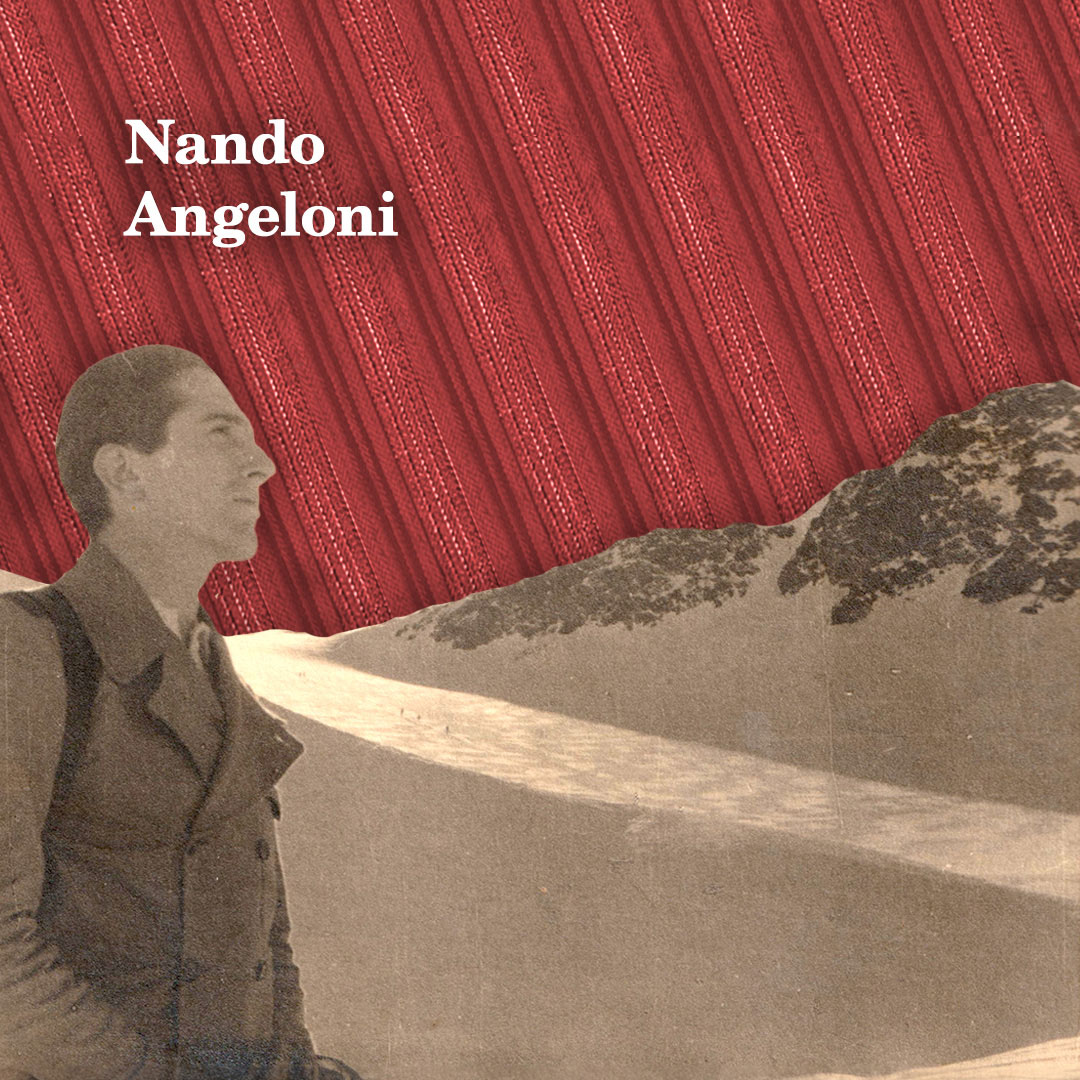
The affluence in which the family lived and the frequentations, however, were slowly shifting its centre of gravity towards Milan. His grandfather had taken a house in Viale Tunisia and bought a building in the central Via del Lauro. To make the purchase, he had given power of attorney to a friend, Nando Angeloni, who handled all the family’s bureaucratic and economic matters but, above all, had an almost brotherly bond with Peppino. He had introduced his grandfather to the city’s most prominent families, the Falck and Pirelli families, and had got him into one of Milan’s most exclusive clubs, the Clubino, frequented by the great industrialists. Beyond these conveniences, however, Angeloni remained a companion of adventures: someone still remembers a large party organised at Albiate in honour of a company of American heiresses, whom Nando had met on a boat trip back from New York.
The sudden death of Peppino, in a car accident on his return home after his elopement in Austria with Anna Z [Zanchi Morpurgo], left my father, the eldest of the three sons, in charge of the Manifattura. After the opening of the will with the surprising revelation of my grandfather’s decision to exclude Bernardo from the ownership of the family home, the three brothers still managed to get along more or less well for several years. The quarrels and difficulties remained quiet. At a certain point, however, every balance went up in smoke, especially after one of the most famous tycoons of world industry at the time, Caprotti, burst into the Caprotti family’s life: Nelson Aldrich Rockefeller, grandson of the famous founder of Standard Oil and future Vice-President of the United States of America. (…)”. (Caprotti, “The Bones”, pp. 39-41).
Rockefeller is the one who, at the end of the 1950s, imported the American “global” shop, the supermarket, to Italy through IBEC, whose aim was profit linked to social and political goals, bringing basic welfare to all levels of the population. Among others, the Caprotti brothers, Guido, Bernardo Caprotti and, later, Claudio Caprotti, joined IBEC. With IBEC in 1957 they opened the first shop in Milan in Viale Regina Giovanna, the ‘Supermarket’; and when, in the mid-1960s, the Americans withdrew to take the supermarkets project to other countries around the world, the Caprotti brothers, who remained the sole owners, would make the ‘Supermarket’ the ‘Esselunga’, the oldest and at the same time most modern supermarket in the country. (Ibid., ‘The Bones’, pp. 47 ff.).
“Our father told us that, apart from the help from Grandma Marianne, the money needed to pay the Americans came from Grandpa Peppino. In addition to being a capable industrialist, Peppino had also shown a nose for investing in the stock market. He had accumulated a fair amount of financial wealth, betting mainly on shares in the Rossari & Varzi cotton mill, which had grown to seven factories during the economic boom years, in Fiat and especially in Pirelli. While the three brothers unceremoniously liquidated the shares in Rossari & Varzi and Fiat, they gave up on Pirelli with great regret. In fact, thanks to the advice of his friend Nando Angeloni, Peppino had become ‘quite an important shareholder’, as Bernardo called it, in the company famous for its tyres, and selling that package of shares for his three sons was a bit like ‘tearing it out of his heart’. They were also helped by luck: in those years, shares fluctuated sharply and, shortly after they were sold, Fiat and Pirelli found themselves worth very little.” (Ibid., p. 73).
Bibliography:
“Giuseppe Caprotti. Characters: Peppino Caprotti (1899 – 1952)’.
G. CAPROTTI, “Le Ossa dei Caprotti”. The Caprottis and the family: my grandfather Giuseppe Caprotti called Peppino, 1950s.
ID., “Le Ossa dei Caprotti”. The Caprotti and the family: Anna Z., 1949. Cue from the book.