

History
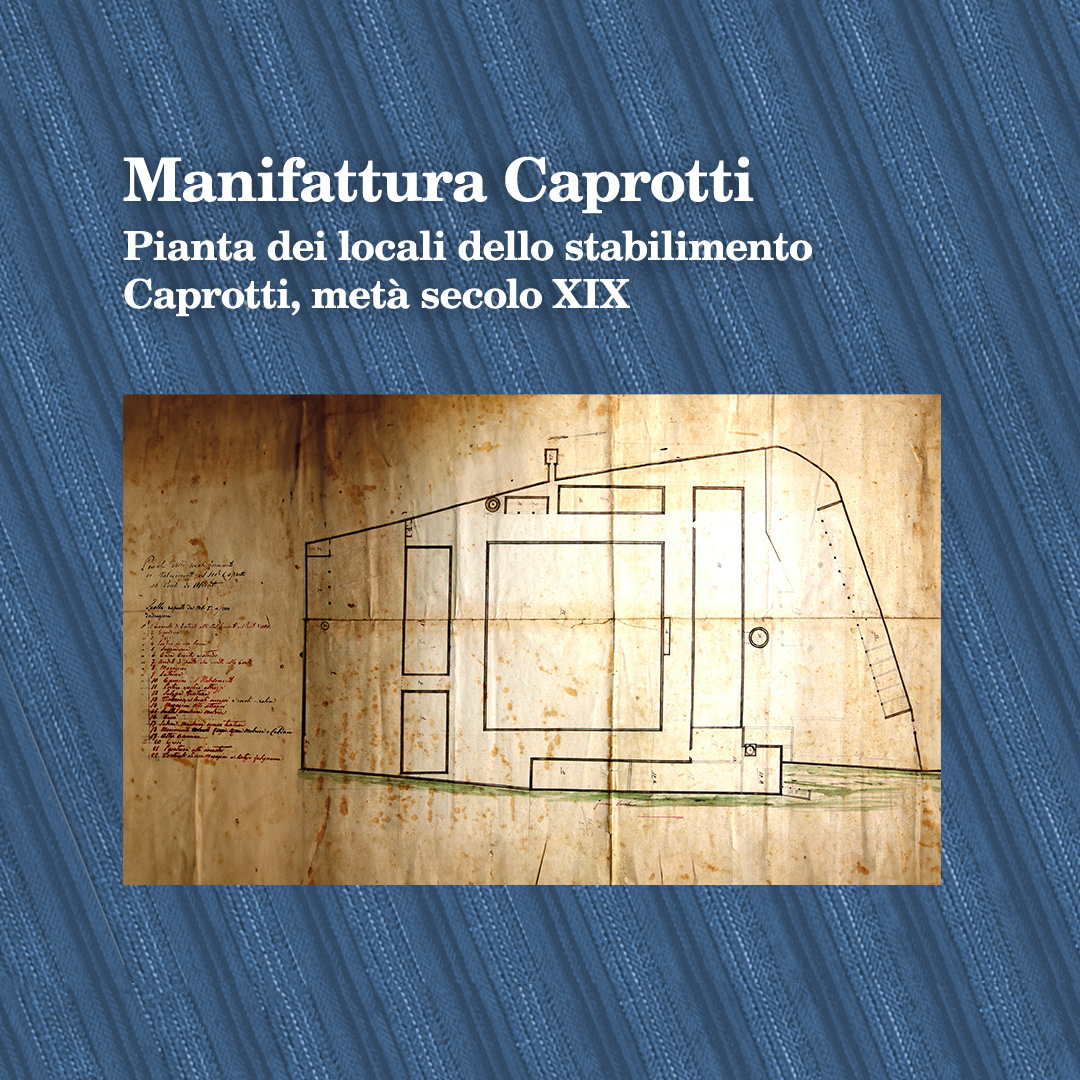
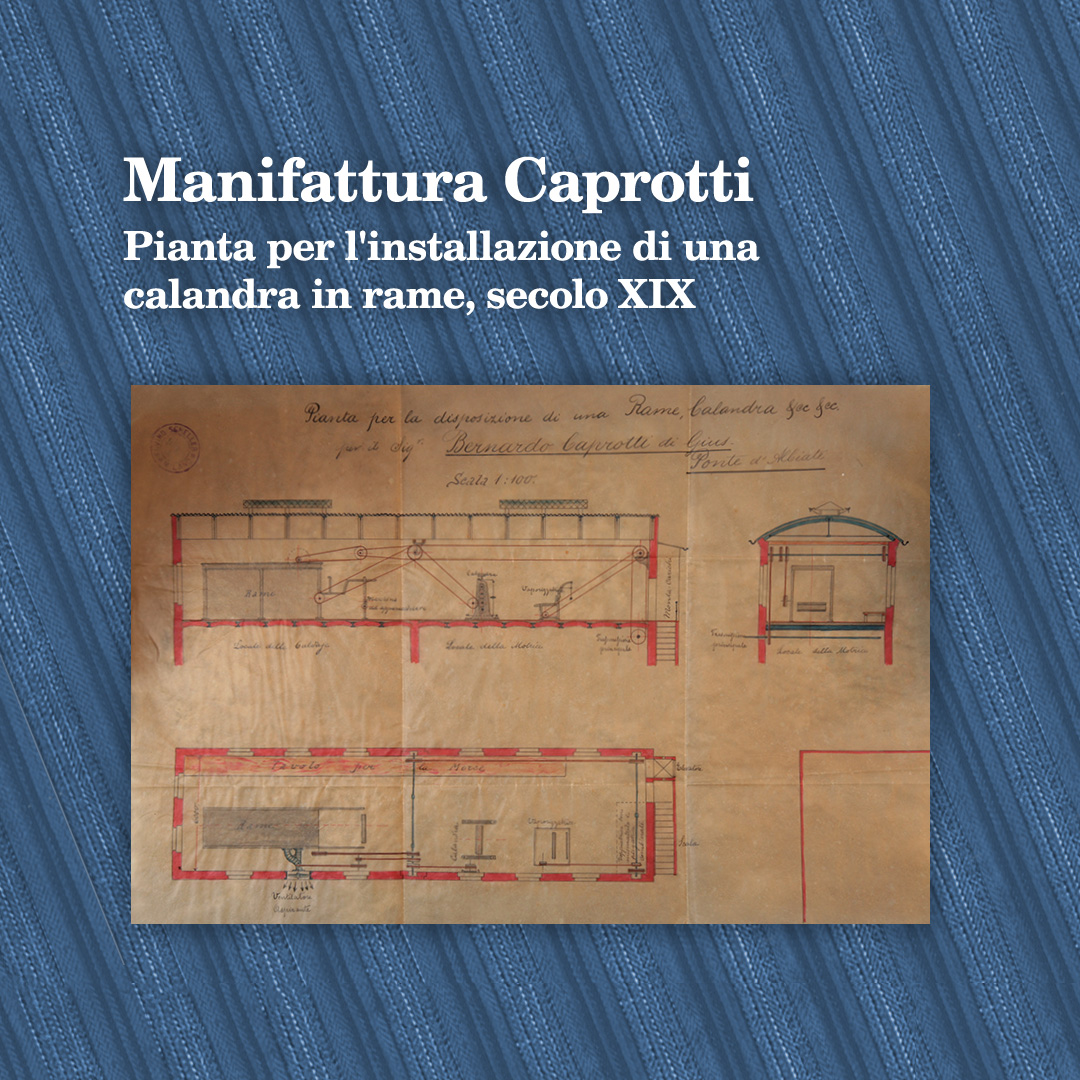
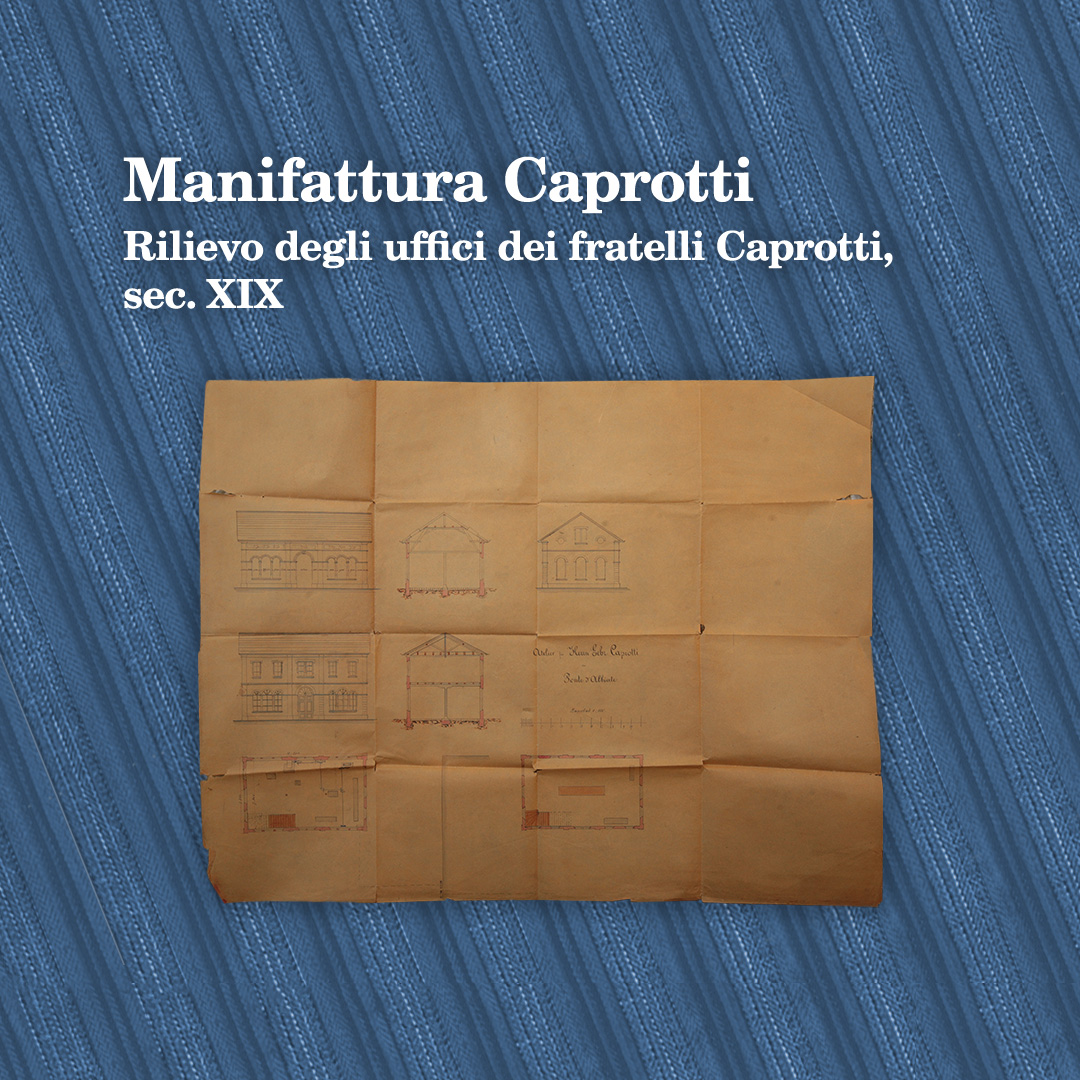
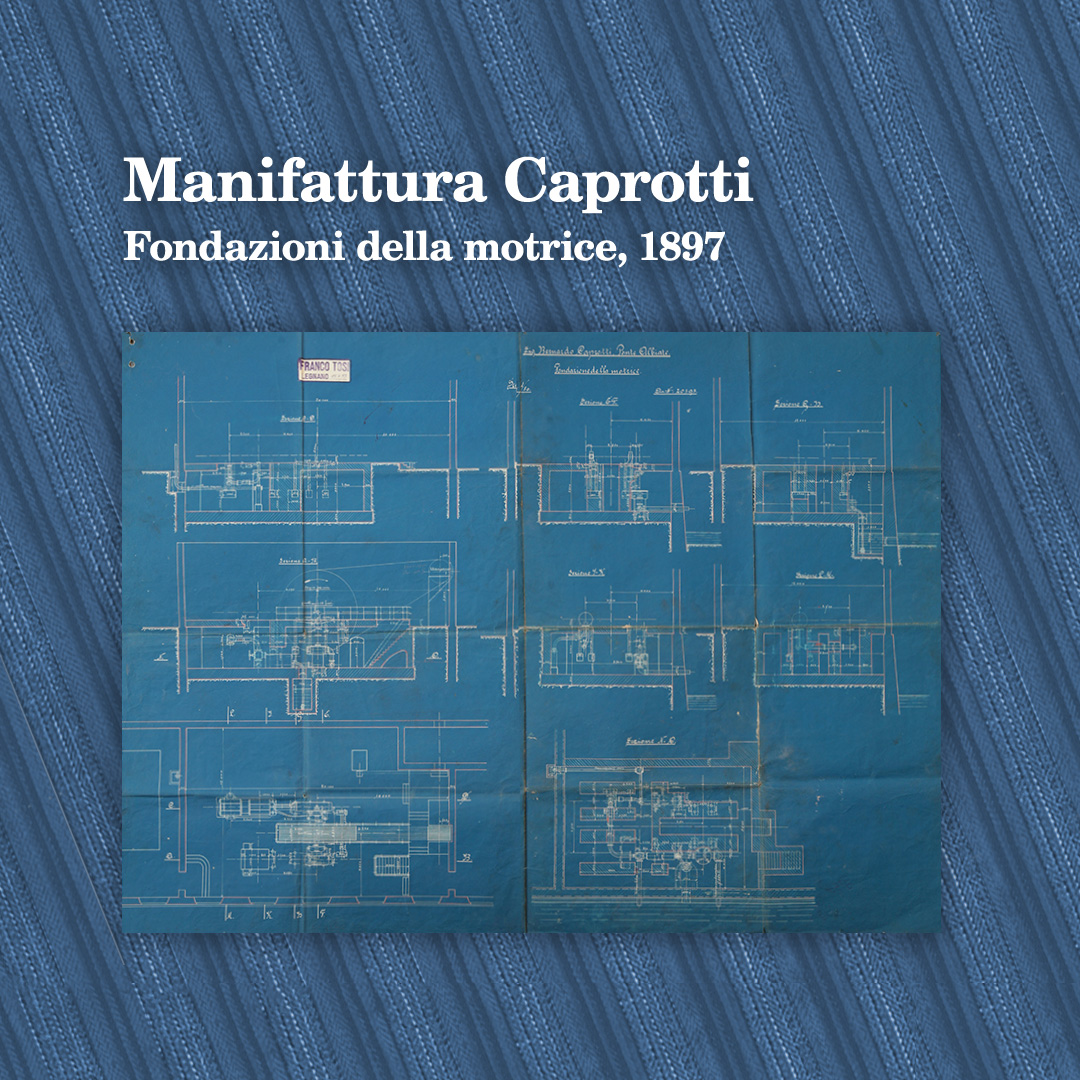
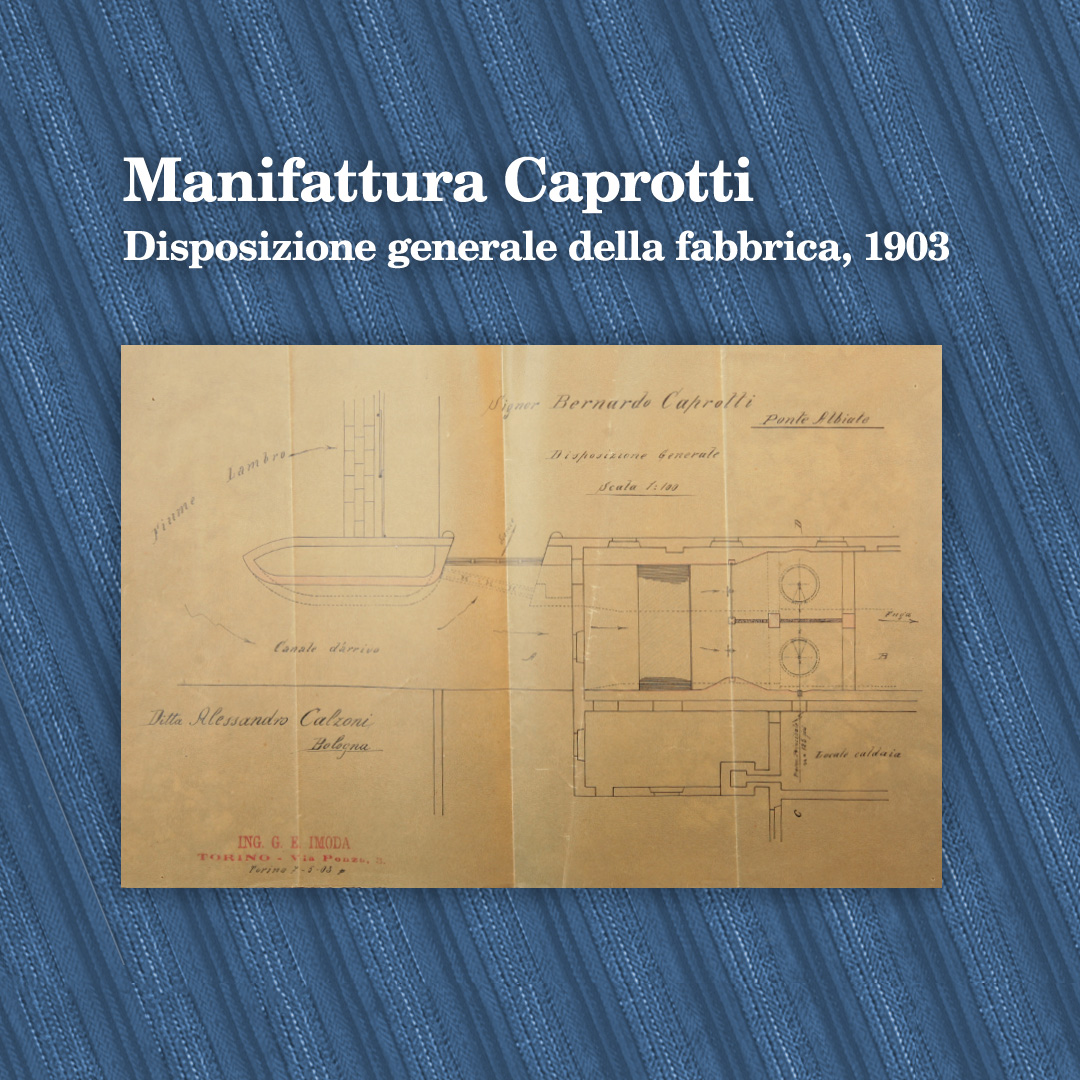
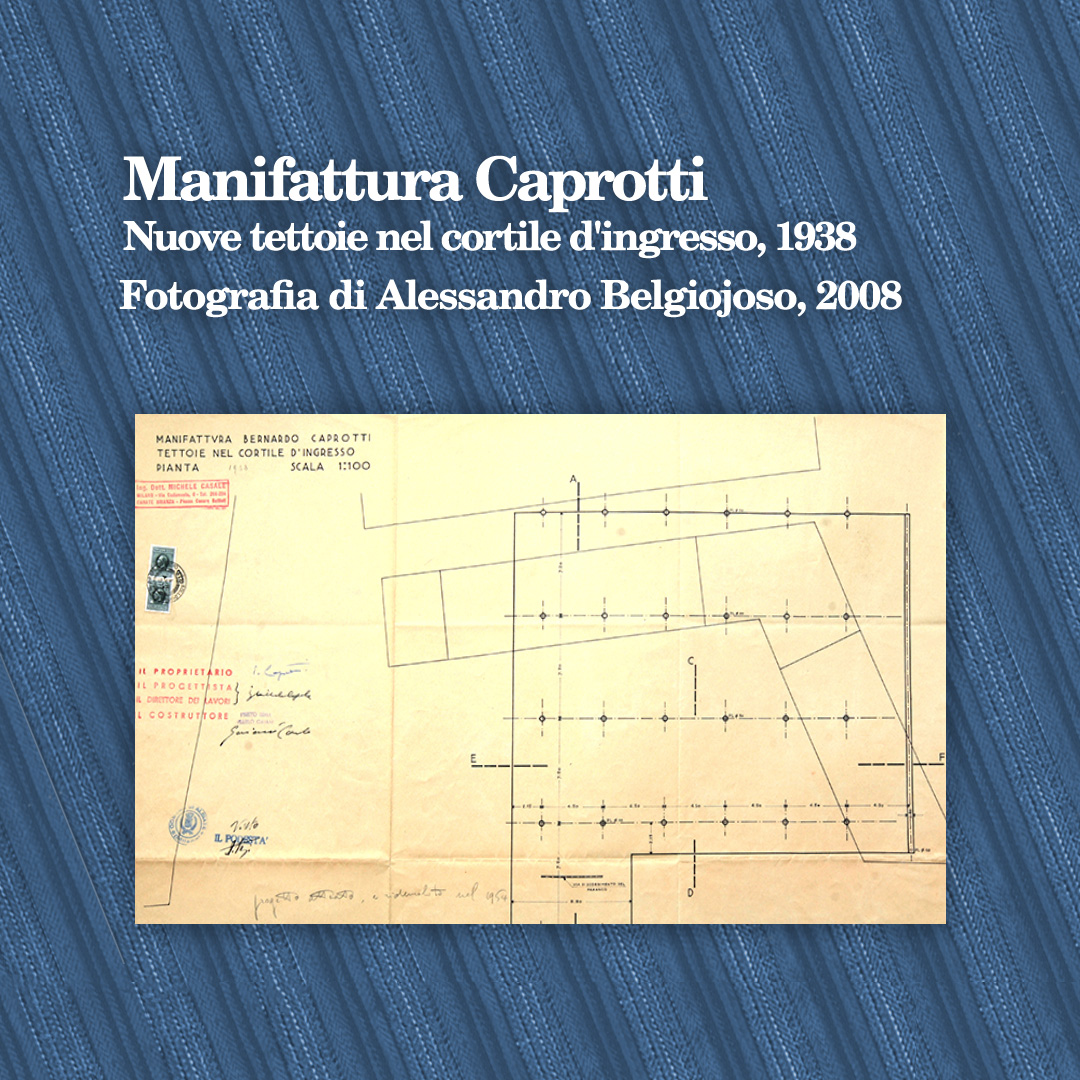
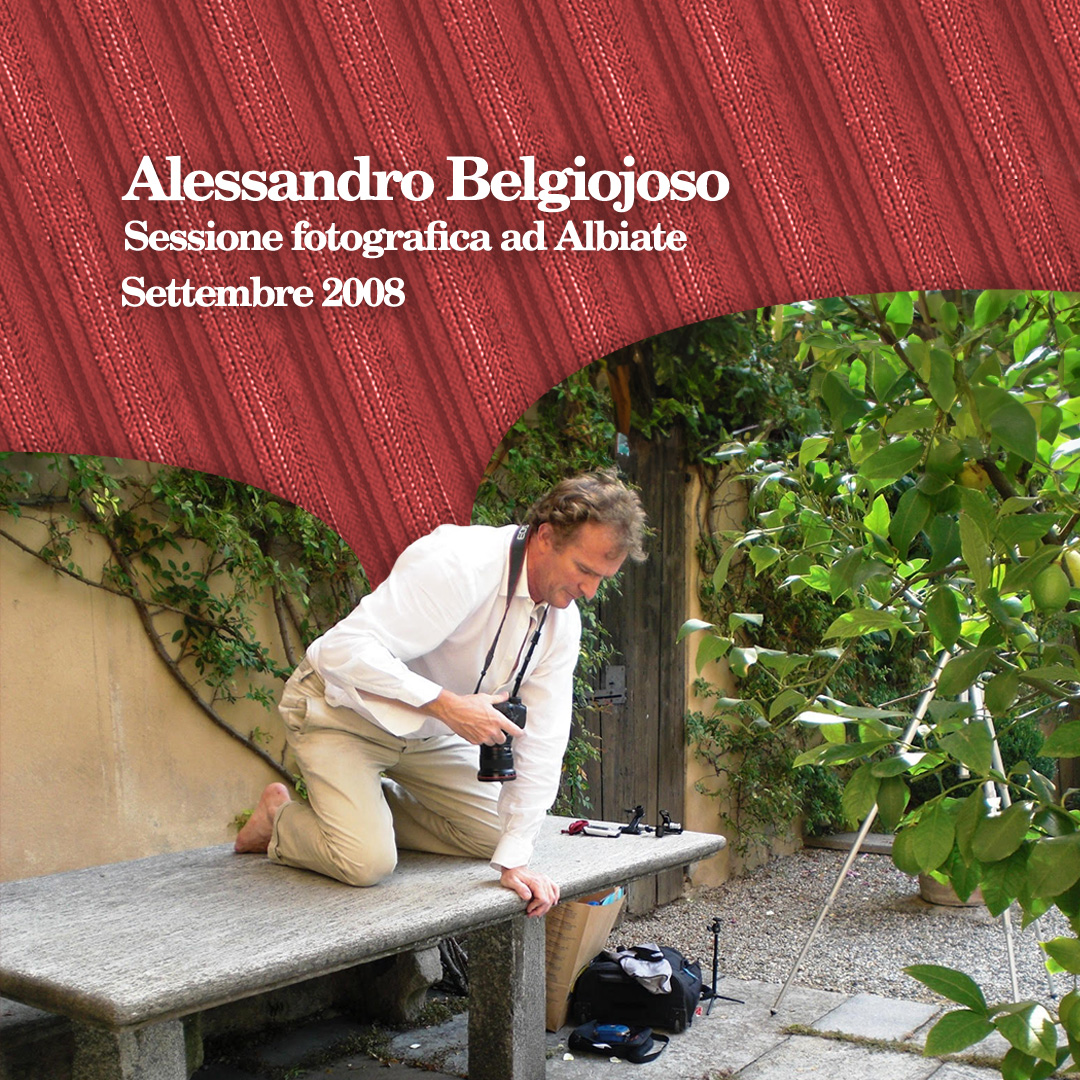
In the spring of 2008, on the home stretch of the reorganisation of the Manifattura Caprotti family archives kept at Villa San Valerio, a large folder was examined that contained dozens of antique drawings, reconstructing a unique, continuous, very interesting cross-section of the technical drawings of all the innovations, especially from the mechanical point of view, that led to profound changes in the Caprotti family, in its production methods and volumes, a series of large plates ranging from the years immediately following the Unification of Italy to the early 1950s, almost a whole century. I was immediately aware of the importance of that collection and in September of that year, I called in one of the best photographers on the market, Alessandro Belgiojoso, and had it reproduced, so that the drawings, often very delicate and difficult to handle, could be used without jeopardising their conservation.
A selection of those same drawings, filed and commented on, was presented in August 2011 in conjunction with the annual Sagra di San Fermo, in an exhibition entitled La meccanica della Caprotti. How a company used the prodigies of technology to transform itself, commissioned by the Associazione San Valerio Onlus, the Amici di San Valerio and sponsored by the municipality of Albiate. Fifteen large panels illustrated some of the most beautiful drawings chosen from the archive’s collections, photographed by Alessandro Belgiojoso and commented on by the curator of the archive and exhibition, Eleonora Sàita, interspersed with period documents that completed the overall picture.
On the history of the company read: The Caprotti family, innovation and tradition in an Italian manufacture: Albiate and Switzerland
Alessandro Belgiojoso
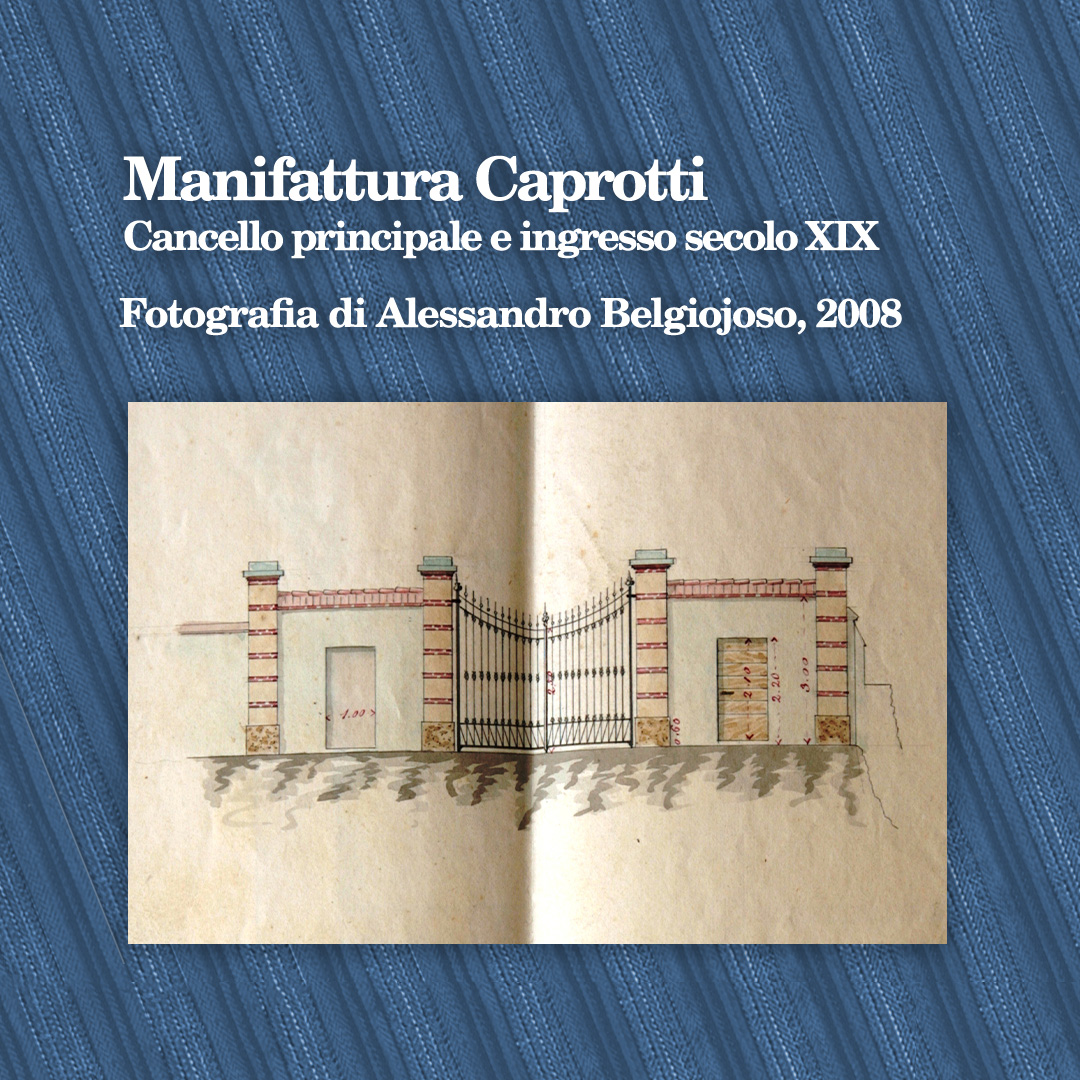
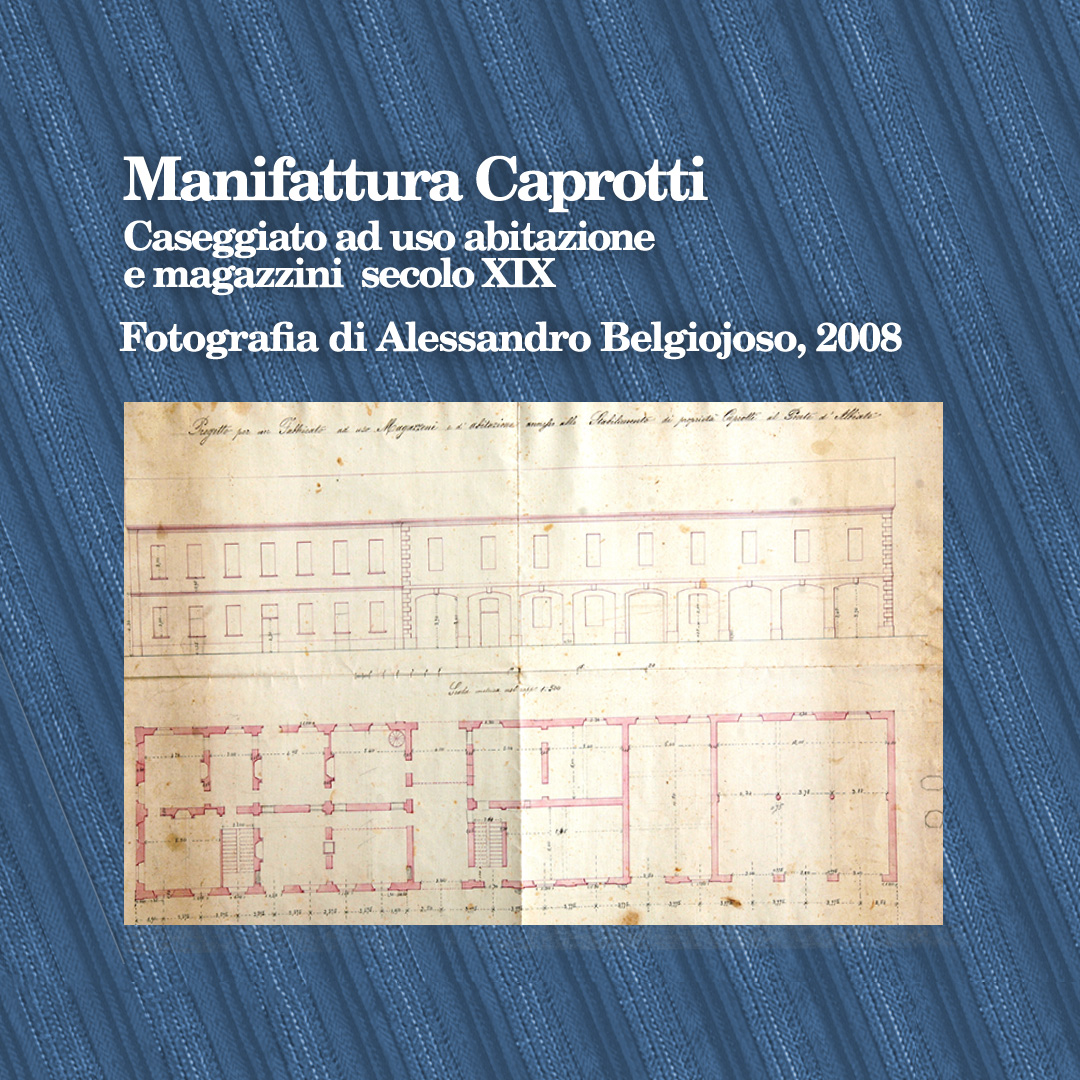
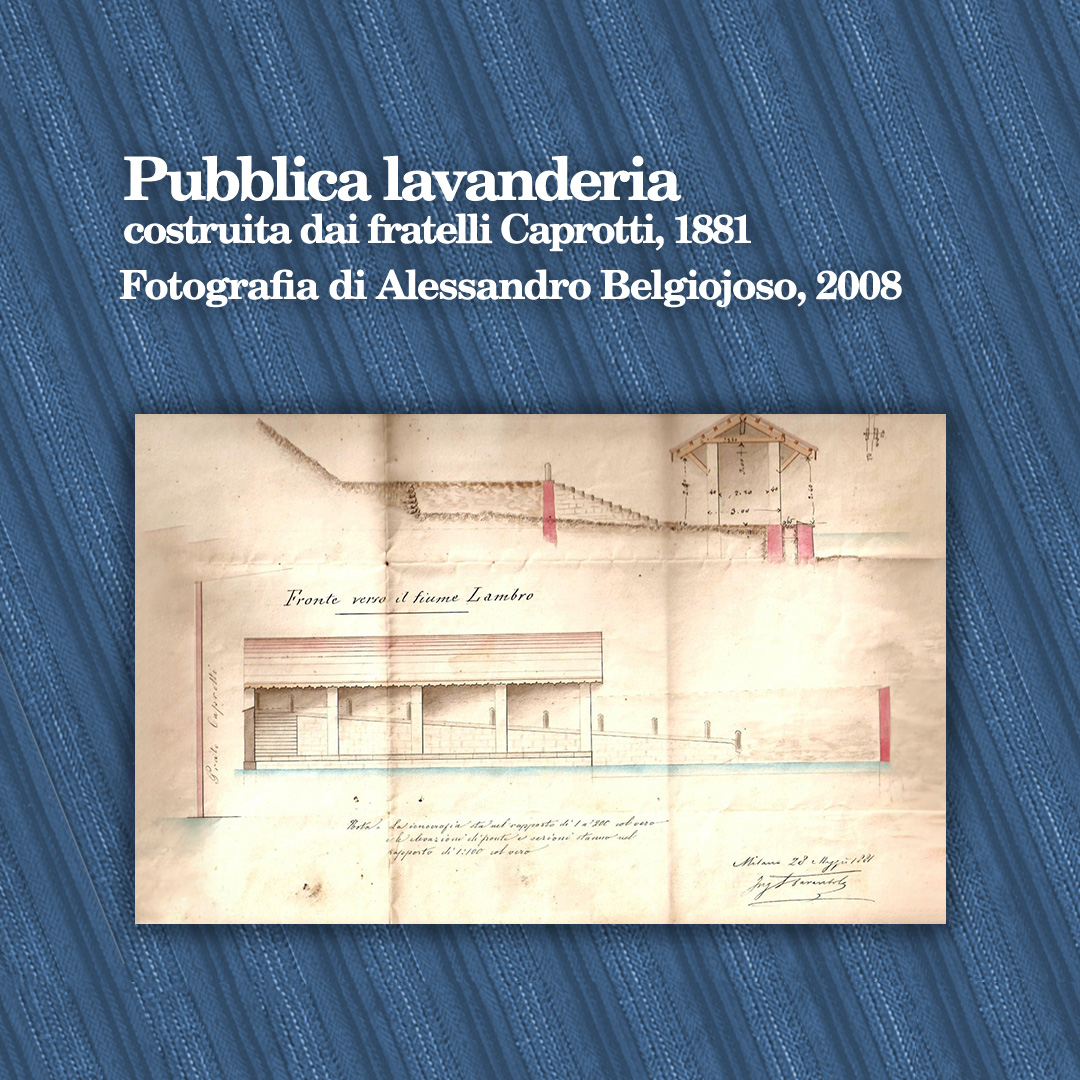
Descendant of one of the oldest and most noble families in Milan and northern Italy, husband of Albertina, daughter of Giovanna Albertini D’Urso, my mother’s first cousin, in turn daughter of Gianni Albertini, explorer and my great-uncle, Alessandro is an internationally renowned photographer. In 2008, I called him to photograph about sixty of the technical drawings that had just been rediscovered in the Manifattura Caprotti archives, and it was a pleasant summer afternoon, wandering around the house and garden of Villa Caprotti looking for the best light and laying out the delicate sheets here and there. They are, as mentioned, plans and projects that cover a period of time from the years immediately following the Unification of Italy to the 1940s, and testify not only to the evolution of the factory, but also to the evolution of technical drawing, from the simple plan depiction with measurements to the complicated plans that required technical and graphic skills and uncommon manual dexterity and precision. This can be clearly seen in the selection of images on show: the plans for the gate and the main entrance square, for a factory building conceived partly as a dwelling inside the factory and partly as a warehouse, for the public laundry that Giuseppe Caprotti built in exchange for the purchase of some municipal land bordering the ford of the Lambro river bordering his property. Alessandro’s splendid shots have made these small wonders accessible in minute detail. Also of interest, in many respects, is the project for new canopies in the factory’s entrance courtyard, dated 1938. It is no longer a small painting, it is already the technical drawing that we know today, but it was signed by my grandfather Peppino, and my father, more than three lustra later, when he had recently taken over the management of the Manifattura, jotted it down in pencil.
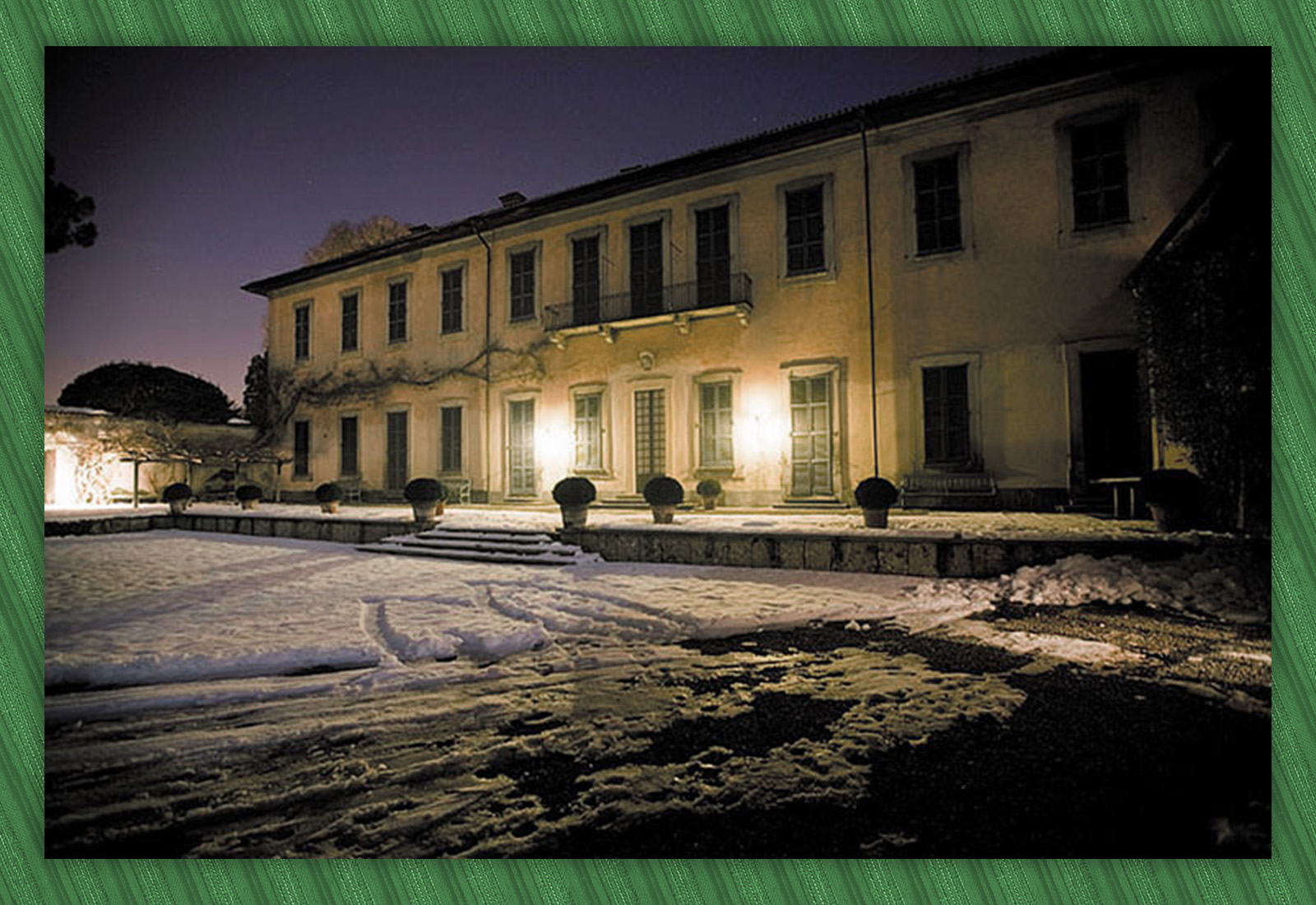
A year later, in a snowy winter, Alessandro took three photos of the villa at night surrounded by the brilliant white glow, three images that have remained among the most beautiful and significant of my home.
Giuseppe Barbiano di Belgiojoso (1924 – 2022)
Uncle of Alessandro, brother of his father Gaetano, he was also one of the Caprotti family’s friends. Among my grandfather Peppino ‘s correspondence there are brief testimonies of good wishes and congratulations that, for the words used, suggest something more than a simple acquaintance, perhaps born through a professional path (Beppo Belgiojoso could have been his son), and then deepened. Of course he then became friends with my father Bernardo, with whom he was only a year older. With him, too, it was always an intersection of common interests, places, people. Just to give an example, he recounted his long and rich life in a book that had a preface by Professor Sergio Romano and was published by the Archinto publishing house, founded by Rosellina Archinto, also counted among my mother Giorgina’s many friends.
Bibliography:
The passing of Giuseppe Barbiano di Belgiojoso, in “Newsfood.com” of 25 January 2022, by Giuseppe
G, BARBIANO DI BELGIOJOSO, Storie di un vecchio signore milanese, preface by S. Romano, Milan, 2018
R. ROMANO, The Caprotti family. L’avventura economica e umana di una dinastia industriale della Brianza, Milan, 2008
G. CAPROTTI, Le Ossa dei Caprotti family. Una storia italiana, Milan, 2023


