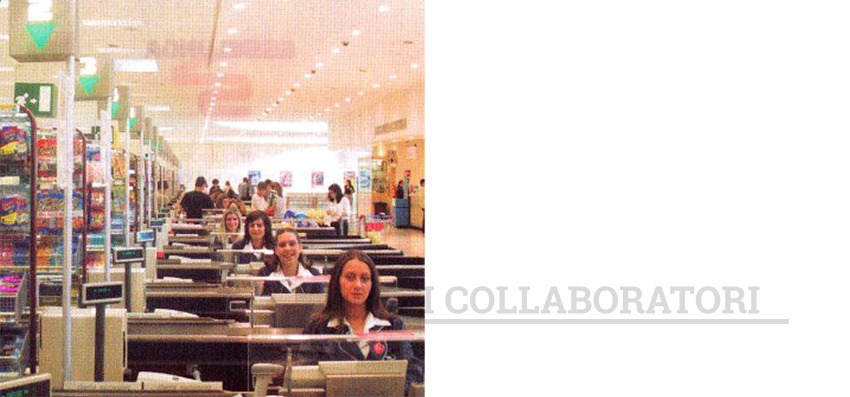
[vc_column_textFirst draft : 2018, last updated 16 March 2025 Sustainability had recently become a fashionable topic, so much so that major brands had been ‘on show’ with photos, in Milan (see Centromarca, ‘The future is looking beyond. Brand Industry and Sustainability’). Very often the claims of brands and distribution amount to greenwashing. And in the ‘big forums’ (see: Ambrosetti’s and De Molli’s forgetfulness about sustainability) there is much talk but perhaps little conclusion. Now, with Donald Trump, there is an ebb. In 2003, compared to today, when I launched Esselunga’s first social report, shown below, sustainability was considered much less interesting by companies. The report drawn up 18 years ago had a twofold objective: It had been a two-year job, fine-tuned by involving the entire staff (read what Guido Vergani wrote about it in Corriere della Sera, in the ‘Il Milanese’ column, in 2003). With regard to Esselunga’s recent announcement (Repubblica 11 February 2022): ‘Gym, kindergarten and park Esselunga prepares a supercampus for its employees’ I can only recall two historical episodes: in the early 2000s I wanted to install a kindergarten in Esselunga, but my father did not agree. And at the same time Toni Muzi Falconi, our press and communications consultant, tried to promote car sharing at Esselunga. Again without success. Esselunga contributes to the wellbeing of the communities in which it operates and believes in sustainable development, understood as the integration of the environment, social equity and economic growth. THE BEHAVIOUR GUIDELINES ACTIONS TAKEN – Consider employees the company’s most important resource – Total number of employees: 13,000 (as at 31/12/2002). 50% of staff are women. – 3,500 people hired in 2002. – The predominant type of contract (95%) is permanent. – The salary system adopted is at the highest level in the industry. – Carry out supportive policies for the weak – Every year 50-60 internships are organised for people with disabilities with a view to employment.