Compiled 22 March, updated 23 March 2026
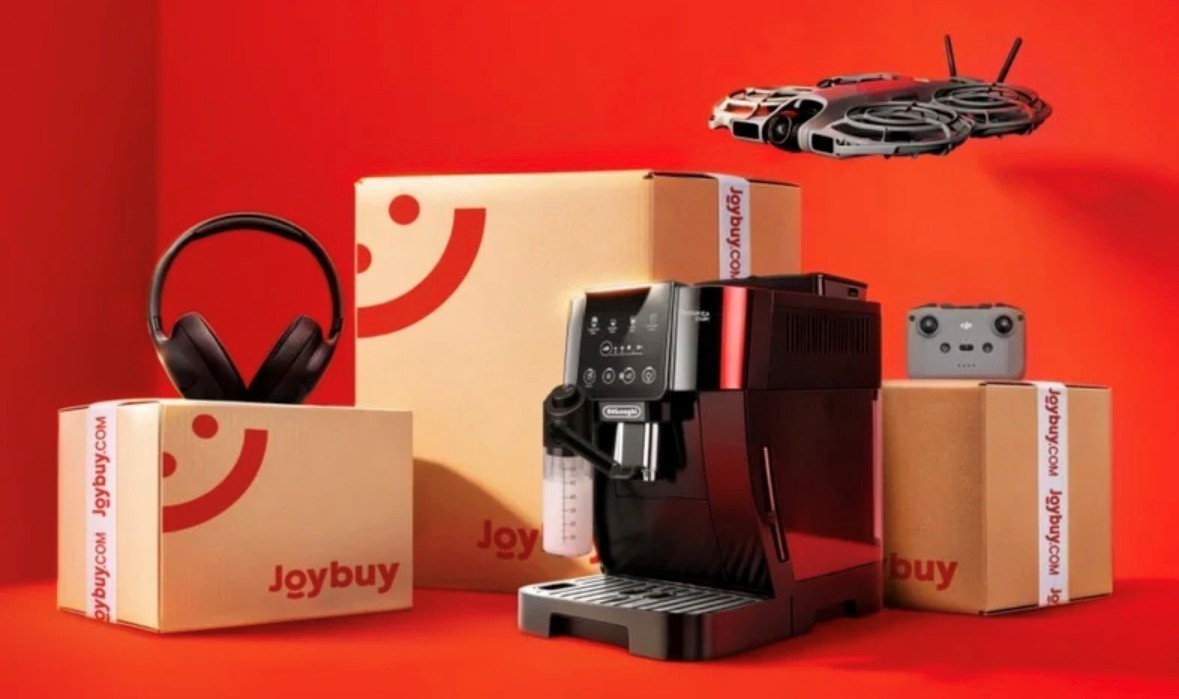
… Joybuy will have company-owned logistics, including several warehouses in the UK, France, Germany, Belgium, the Netherlands and Luxembourg, as well as a fleet of couriers.
This facilitates same-day delivery to a limited number of regions within these countries, where orders placed before 11am will arrive by 11pm. But it also entails heavy capital investment, as competitors are well aware. Alibaba has replicated its capital-intensive model for AliExpress, its international business, and Pinduoduo is now doing the same for Temu.
For Chinese retailers, the investment is a bet worth making. Their domestic market is characterised by cut-throat competition and a stagnant economy that curbs consumers’ propensity to spend.
JD.com, best known for selling household appliances and electronics, feels particularly vulnerable. Government subsidies on these goods, introduced to stimulate domestic consumption, are gradually being reduced. But expanding abroad takes time: Alibaba launched AliExpress 16 years ago, but last year it derived only a fifth of its online retail sales from international markets.
Chinese technology companies tend to prioritise revenue growth at the expense of profit; the numerous free distributions of artificial intelligence-based devices during the Lunar New Year is proof of this. Joybuy, at least for now, seems to be following a similar path, selling Apple AirPods in the UK at 20% off the recommended retail price, with free delivery.
JD.com is already paying the price for a relatively late entry into the home food delivery business (*): while turnover increased by a tenth last year, net profit halved. Its shares have lost about a third of their value in the past year.
Investors may think, like consumers, that they have got a bargain: with a multiple of less than 10 times this year’s profits, JD.com is trading at half the value of Alibaba and about a third of that of Amazon. The risk for the Chinese competitor is to burn cash as it pursues expansion both at home and abroad.
For Amazon, the danger is to be dragged into a price war should the initial deals turn out to be profitable. Either way, the fruits of the e-commerce war will soon reach consumers’ homes.
Extract of this Financial Times article from louise.lucas@ft.com
Note that there is a battle for control of Fnac Darty, which would be part of the Mediaworld group: Ep Group, owned by Czech billionaire Daniel Kretinsky – who also owns Casino -, has launched a takeover bid on French Fnac Darty at EUR 36 per share, a 19% premium over Friday’s closing price. Ep Group is already the largest shareholder in Fnac Darty through its equity investment vehicle Vesa, which holds a 28.5% stake. With this “friendly offer, welcomed by Fnac’s board of directors, we intend to consolidate our commitment by becoming a long-term majority shareholder,” it says… Ansa.