Drafted 25 May, updated 16 December 2024
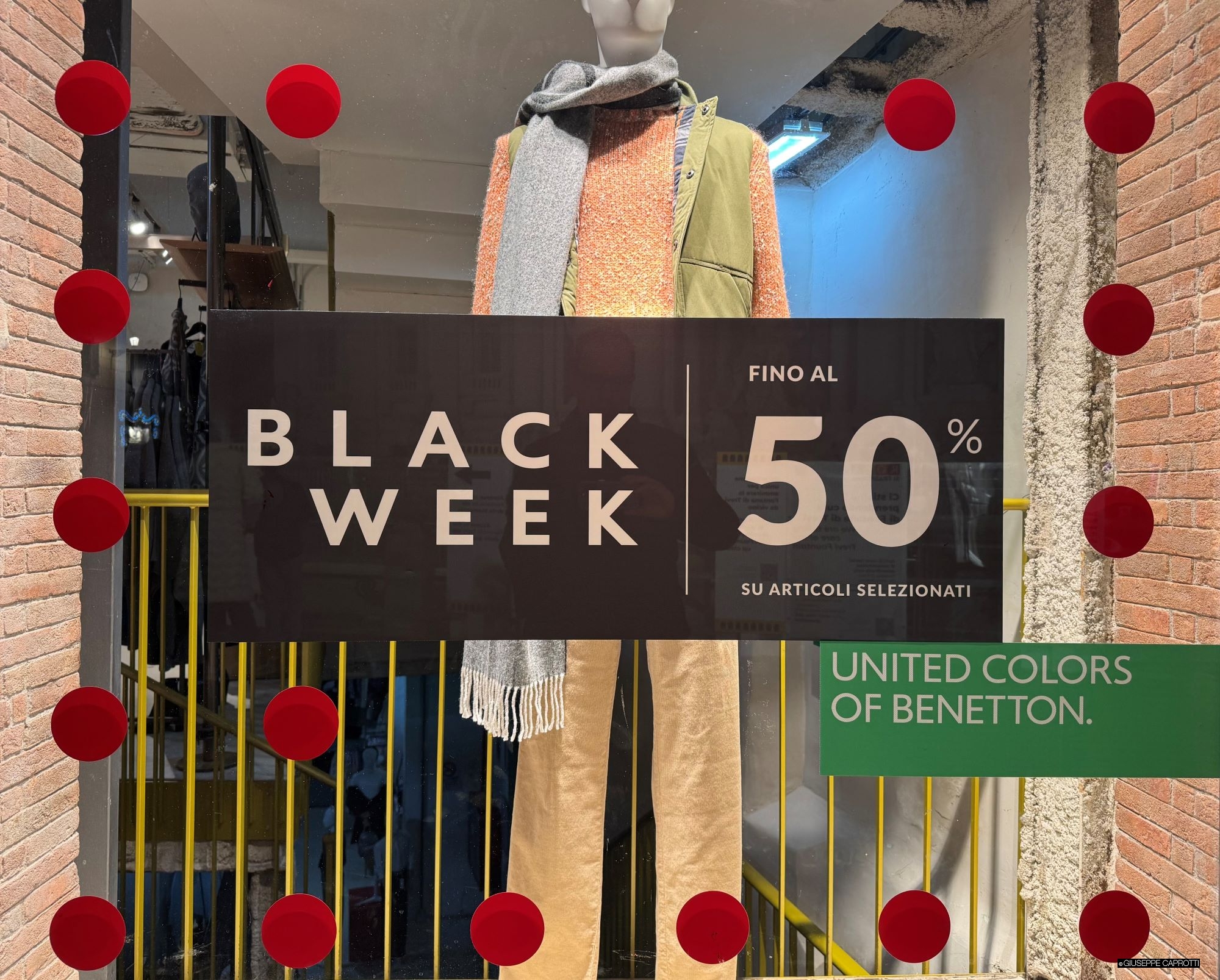
The Benetton affair, with its sad epilogue, reminds me so much of those of the textile factory that we managed, as a family, from the first industrial revolution onwards.
My father was fond of the old ‘firm’ that had made our family’s fortune and he didn’t want to know about giving it up. When faced with possible offers he would take offence – it happened with Fabio Inghirami (page 301 of ‘Le Ossa dei Caprotti’).
But textiles, in Italy, seemed to have no future and, in fact, the Albini brothers, who had taken over the running of the company in 2000, closed it in 2009, handing the walls back to my father.
He then left them, in 2016, through the holding company that controls Esselunga, to his two universal heirs: Giuliana and Marina Caprotti.
A few years ago I returned to live near the old factory in Albiate, and I cannot help but think back to my father’s obstinacy. For years, although he no longer lived there and was involved in something else entirely, he was determined to find ‘managers’ for this business, for which we fortunately did not lose as much as the Benettons (886 million) but spent a lot of useless energy.
I often followed my father on his visits to the Manifattura, I had met some of the staff, the managers who had succeeded one another at the helm of the company. I had even tried to ‘lend a hand’ to the Manifattura at Esselunga, selling shirts in the ‘beyond the table’ promotions with some success.
But the truth was that, even after the oil crisis of the 1970s, my father was already saying that textiles, in Italy, had no future. Especially if you didn’t produce niche products of the highest quality. And that was not our case: the products of the manufacture were absolutely ‘popular’ (mainstream, for example, had a strong production of fabric for jeans, which ‘everyone’ did).
The final lesson of this whole affair, for me, is that entrepreneurs must understand when to quit and move on.
This is very difficult because of the emotional and historical ties with the brand, the factories, the people who are at the origin of their success, but that is how it is.
I also remember my good friend Juan Roig of Mercadona telling me ‘no entrepreneur is King Midas’.
The Benettons had no chance of relaunching their brand. Just as we didn’t have it with the family cotton mill.
The textile world today is largely in the hands of e-commerce and the fast fashion of Temu, Shein, Zara, H&M and Primark.
Apart from different organisational models, the barrier to entry – consisting of investment in shops and technology – for a small company, as Benetton was six years ago (twenty times smaller than Inditex – Zara), was too high.
It was at the time, let alone now that Shein, with a turnover of €41.7 billion, has overtaken Zara.

As far as the Italian shop network is concerned, unprofitable shops, many of which are franchised, will be closed (there is also talk of 500). At the same time, a repayment plan for overdue receivables amounting to EUR 38 million has been initiated, for which they will proceed not with simple warnings, but with injunctions. These would be precisely credits for unpaid orders from franchisees.
A screening of foreign shops has also been initiated.
Read also : Benetton, Coin, Combipel : Christmas in crisis